Nome
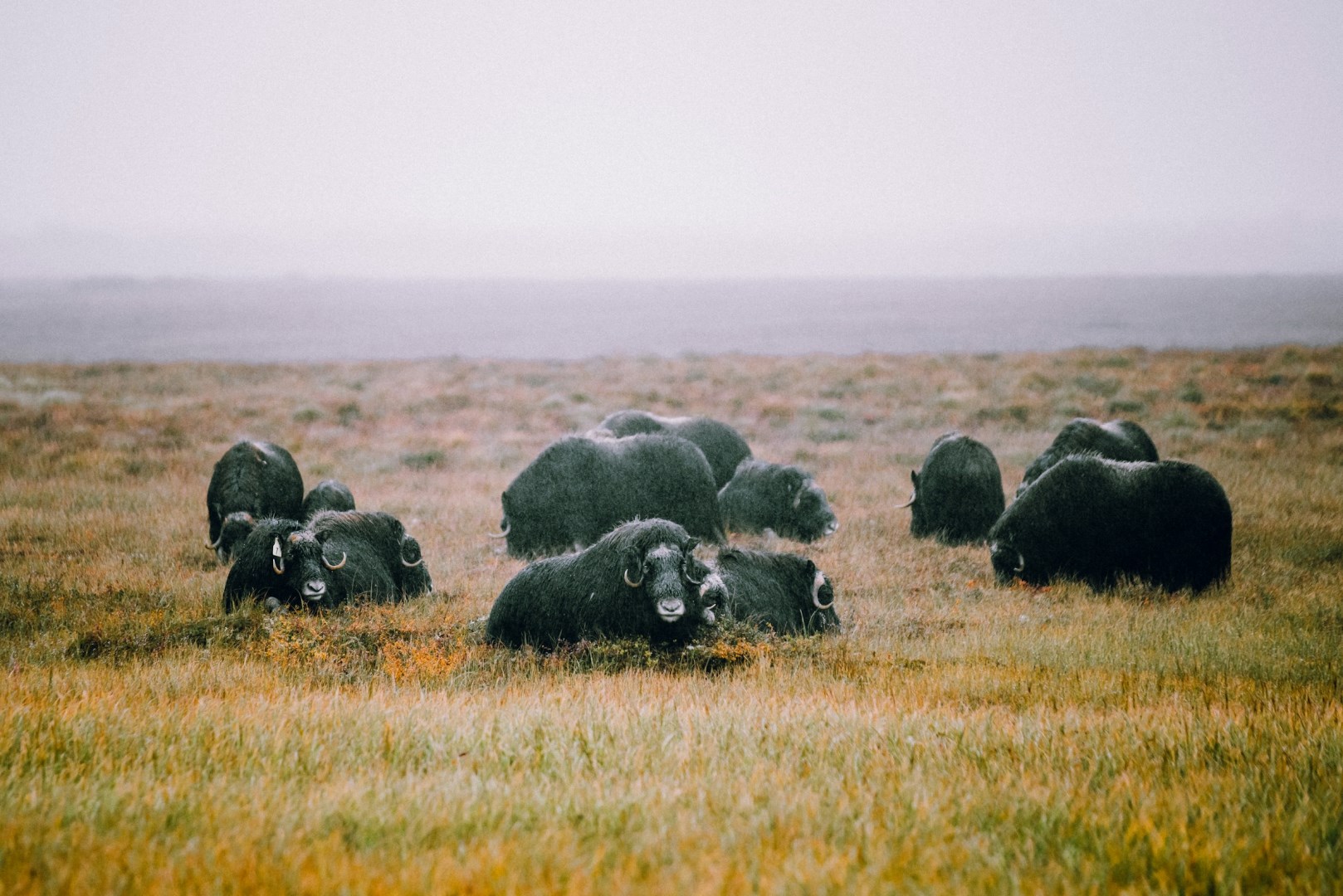
Nome is a coastal city on the southern Seward Peninsula in western Alaska, facing Norton Sound and the Bering Sea. Its remote location places it far from Alaska's major road network, with access primarily by air and seasonal sea travel. The surrounding landscape consists of tundra, low mountains, wetlands, beaches, and broad coastal plains. Nome is best known for its connection to gold mining and its role as a regional center for communities across western Alaska.
Skíathos
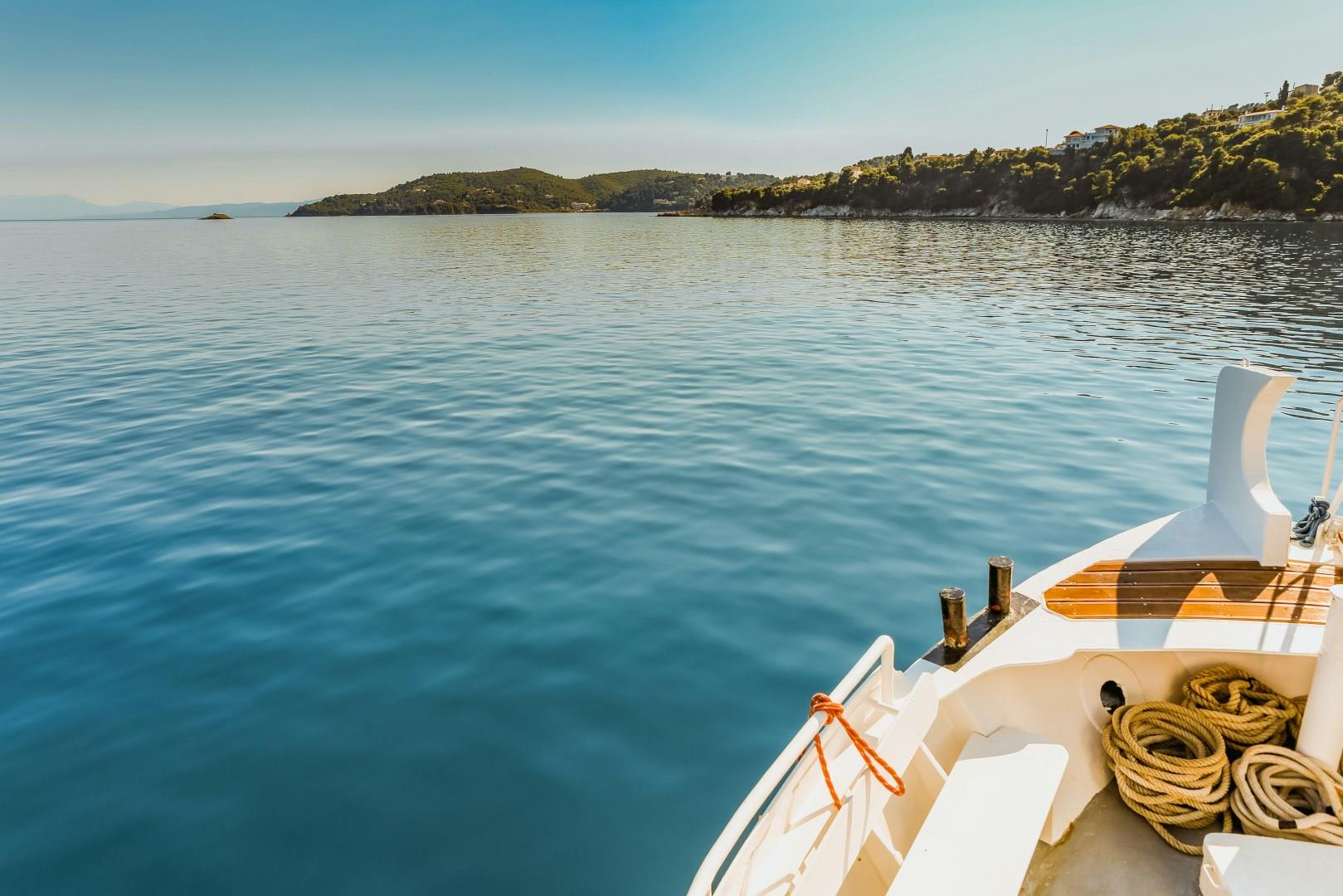
Skiathos, a gem in the Aegean Sea, is one of Greece's most enchanting islands. Known for its stunning beaches, vibrant nightlife, and lush landscapes, Skiathos is a must-visit for travelers seeking both relaxation and adventure. The island boasts over 60 sandy beaches, with Koukounaries Beach standing out as one of the most beautiful, surrounded by a dense pine forest that creates a unique blend of sea and greenery.

Copenhagen
Charming Copenhagen is the jewel of Denmark and a delightful stop for any traveler. Well-known as an eco-friendly haven for sustainable and green living, Copenhagen has embraced its status as the best “bike city” on earth and promoted the use of bicycles by locals and tourists.
Niger
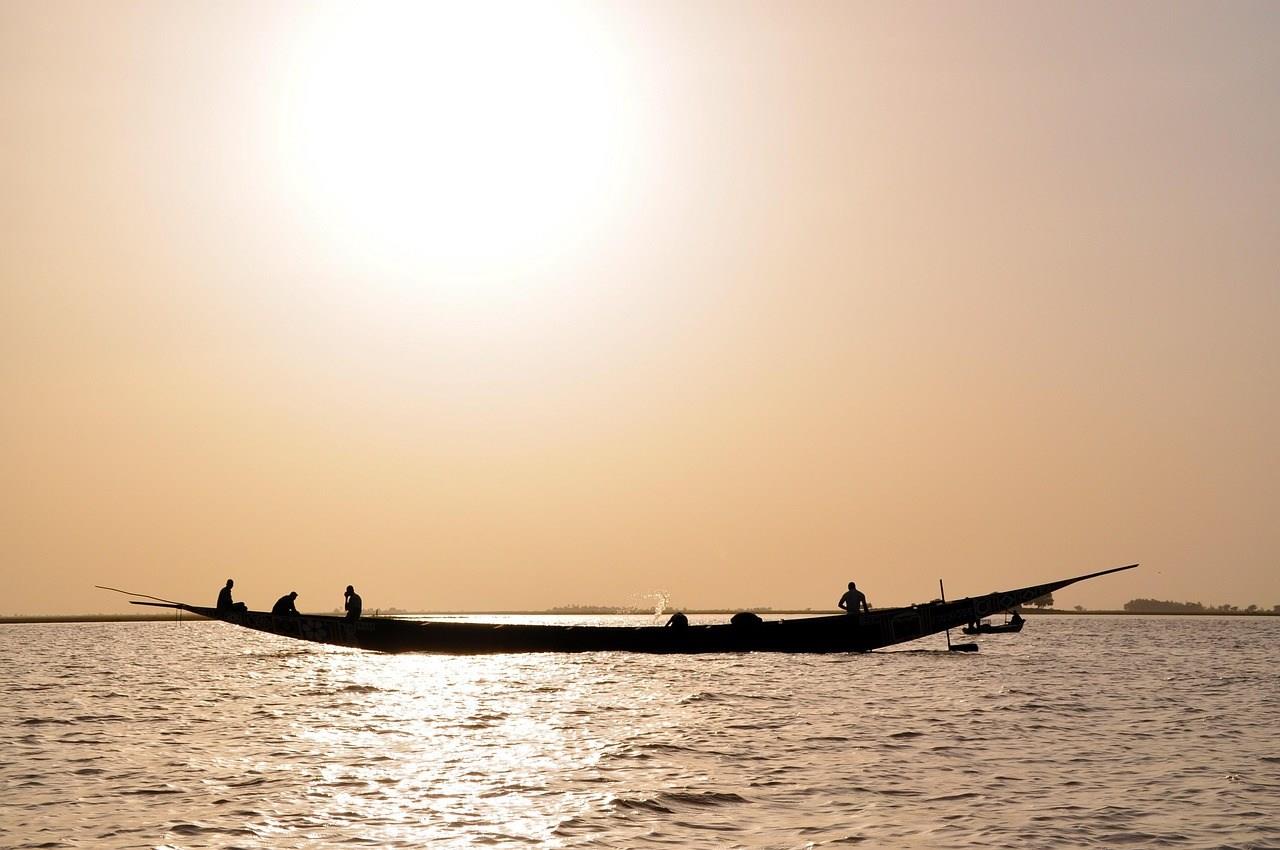
Niger, located in West Africa, is a country of vast landscapes and diverse cultures. Much of its territory is covered by the Sahara Desert, with rolling sand dunes, rocky plateaus, and oasis towns defining the northern regions.
Hamilton
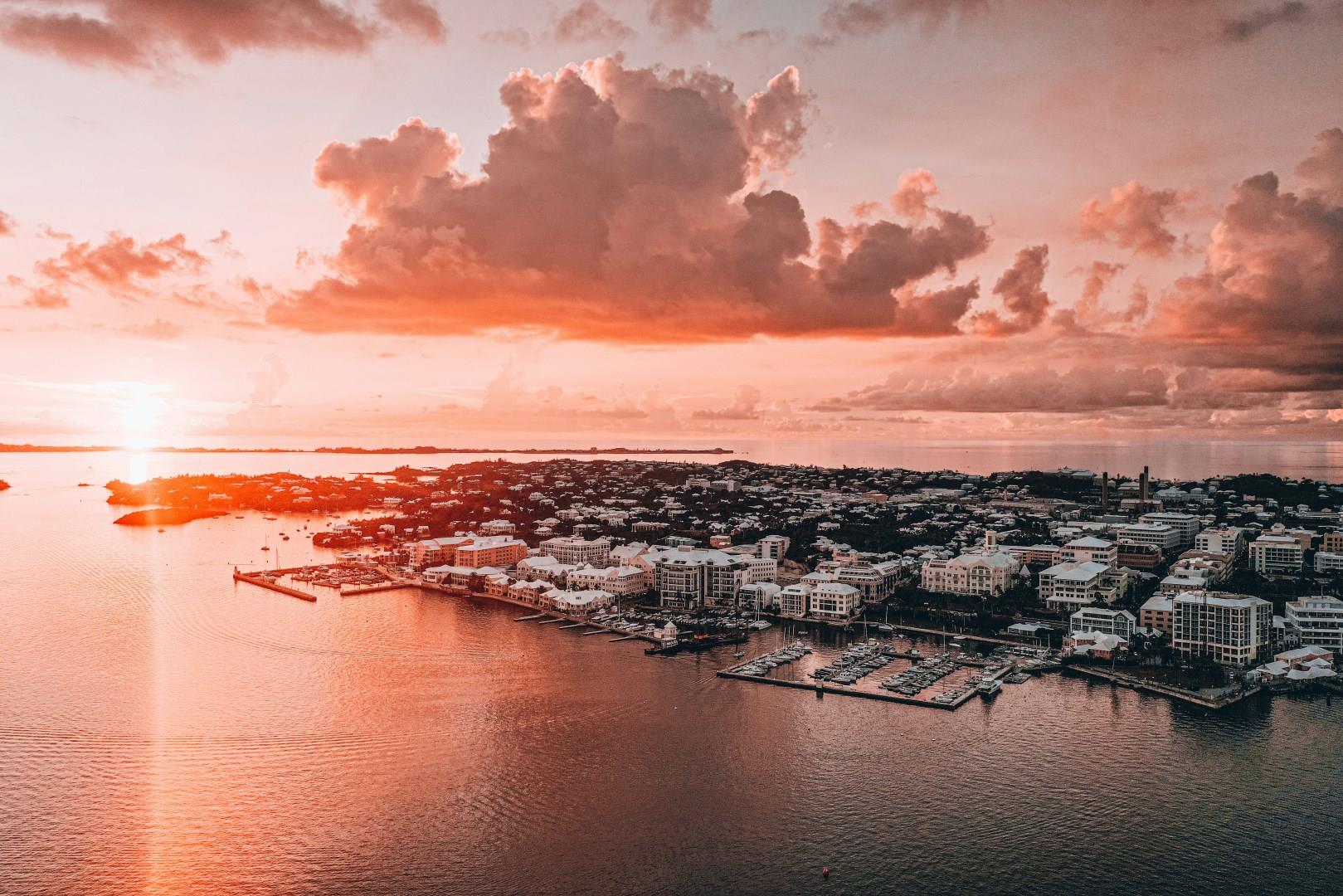
Hamilton, the capital of Bermuda, is the island’s lively cultural and commercial heart. Established in 1793, the city blends colonial charm with a modern island vibe, framed by pastel buildings and a picturesque harbor.