Taos, located in northern New Mexico, is a town renowned for its rich blend of Native American, Spanish, and Anglo cultures, dramatic landscapes, and artistic legacy. Nestled in the Sangre de Cristo Mountains, it has been a center for centuries of human settlement, from the Taos Pueblo, one of the oldest continuously inhabited communities in North America, to Spanish colonial missions and trading posts.
The Seine River, meandering gracefully through the heart of Paris, is a living testament to the city’s rich history and vibrant culture. From the picturesque quays to the iconic landmarks lining its banks, the Seine offers an enchanting journey through Parisian elegance.
Tampico, located on the Gulf Coast of Tamaulipas, is a port city with a layered history shaped by trade, oil, and immigration. Its downtown district is known for neoclassical buildings, many of which were constructed with imported bricks and ironwork from Europe during the oil boom of the early 20th century. One of Tampico’s most photographed structures is the Mercado Municipal, rebuilt in recent years but still functioning as a central hub for daily life.
Nestled in the mountains just 90 minutes from Tokyo, Hakone has long been a retreat for travelers seeking both quiet and culture. Once a crucial checkpoint on the historic Tōkaidō road between Edo and Kyoto, Hakone is still shaped by centuries of history. The reconstructed Hakone Sekisho (Hakone Checkpoint) offers a glimpse into the Edo Period, when travelers were inspected by samurai guards before continuing on their journey.
Suva is the capital of Fiji and a popular island destination in the South Pacific. Highlights of this tropical city include Fiji Museum, Thurston Park, Mount Korobaba, and Colo-I-Suva Forest Park.
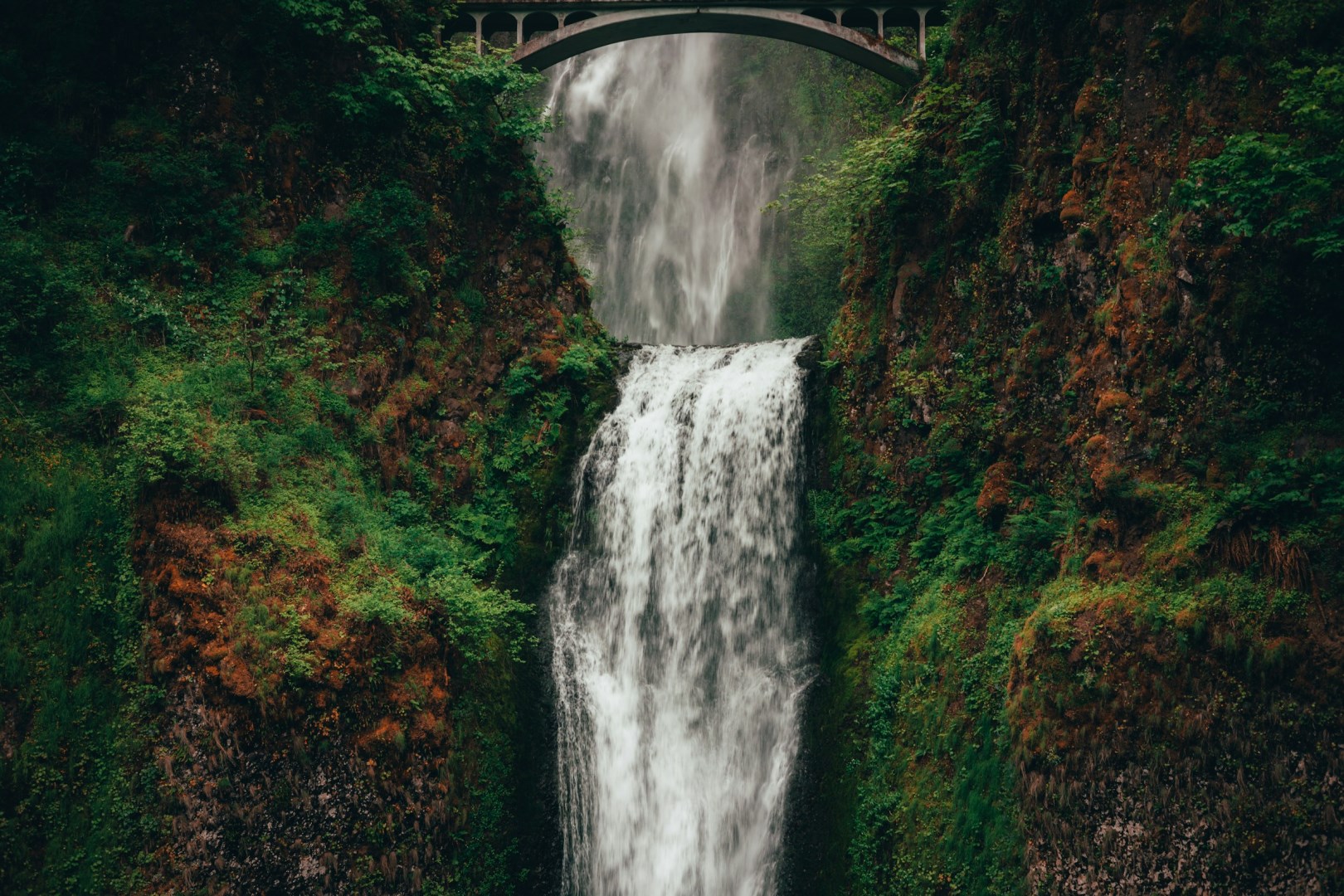
Multnomah Falls, Oregon, stands as one of the most iconic natural wonders of the Pacific Northwest. This stunning 620-foot-tall waterfall, located in the Columbia River Gorge, captivates visitors with its dual cascades that tumble gracefully down rugged cliffs. The falls are easily accessible via a short walk from the parking area, making it a perfect stop for nature enthusiasts and casual hikers alike. For those seeking a bit more adventure, the Multnomah Falls Trail offers a picturesque hike to the top of the falls, where you'll be rewarded with panoramic views of the surrounding landscape.
The area around Multnomah Falls is rich in natural beauty and outdoor activities. The Columbia River Gorge National Scenic Area provides an array of trails for hiking and exploration, including paths that lead to other scenic waterfalls and viewpoints. The nearby historic Multnomah Falls Lodge offers a charming spot for dining and shopping, where visitors can enjoy local cuisine while taking in the breathtaking views of the falls.
A fun fact about Multnomah Falls is that it is the tallest waterfall in Oregon and one of the most photographed natural landmarks in the United States. The falls were originally named "Latah Falls" by the local Native American tribes, but the name was changed to Multnomah Falls in honor of the Multnomah people, who inhabited the area. The picturesque setting and dramatic drop have made it a popular location for both amateur and professional photographers.
To experience the falls at their best, visit during the spring or early summer when the snowmelt contributes to their full flow, creating a spectacular display of natural power. Additionally, autumn brings a stunning array of fall colors, adding to the visual splendor of the area. Whether you're seeking a peaceful retreat in nature or a photo opportunity, Multnomah Falls offers a memorable experience for all who visit.