Mijas, perched on the hillside above the Costa del Sol, blends centuries of Andalusian tradition with views that stretch across the Mediterranean. The whitewashed buildings of Mijas Pueblo reflect sunlight from narrow cobbled streets that wind through small plazas, each with its own fountain, chapel, or overlook. The town’s layout still follows Moorish-era planning, and remnants of the old wall (La Muralla) offer shaded walks lined with native plants and panoramic views over the coast.
Bran, a small village nestled in the Carpathian Mountains of central Romania, is best known for its medieval fortress commonly referred to as “Dracula’s Castle.” While the connection to Bram Stoker’s fictional character is loose at best, Bran Castle continues to draw travelers with its striking towers, stone walls, and position on a rocky cliff. Originally built in the 14th century to defend against invading forces, the castle has passed through royal hands, most notably Queen Marie of Romania.
The Quiver Tree Forest, located just outside the town of Keetmanshoop in southern Namibia, is one of the country's most captivating natural wonders. This unique forest is home to hundreds of towering quiver trees (Aloe dichotoma), some of which are estimated to be over 200 years old. These trees, named after the San people who used their hollowed-out branches as quivers for arrows, are an iconic symbol of Namibia's arid landscape.
Nestled on the banks of the Danube River, Vidin, Bulgaria, is a city where history and scenic beauty converge. This ancient city, known for its well-preserved medieval fortress, the Baba Vida Castle, offers a unique glimpse into Bulgaria's past. The fortress, dating back to the 10th century, stands as one of the best-preserved medieval fortifications in the country.
Progreso, a coastal city in the state of Yucatán, offers travelers a relaxed atmosphere with strong ties to the sea. Founded in 1871 as a port to support trade in the region, Progreso now welcomes both cargo ships and cruise liners to its shores. Its most defining feature is the Progreso Pier, one of the longest in the world, stretching over 6 kilometers into the Gulf of Mexico.
Photo Credit: Image by Eliza June Sapphire from Pixabay
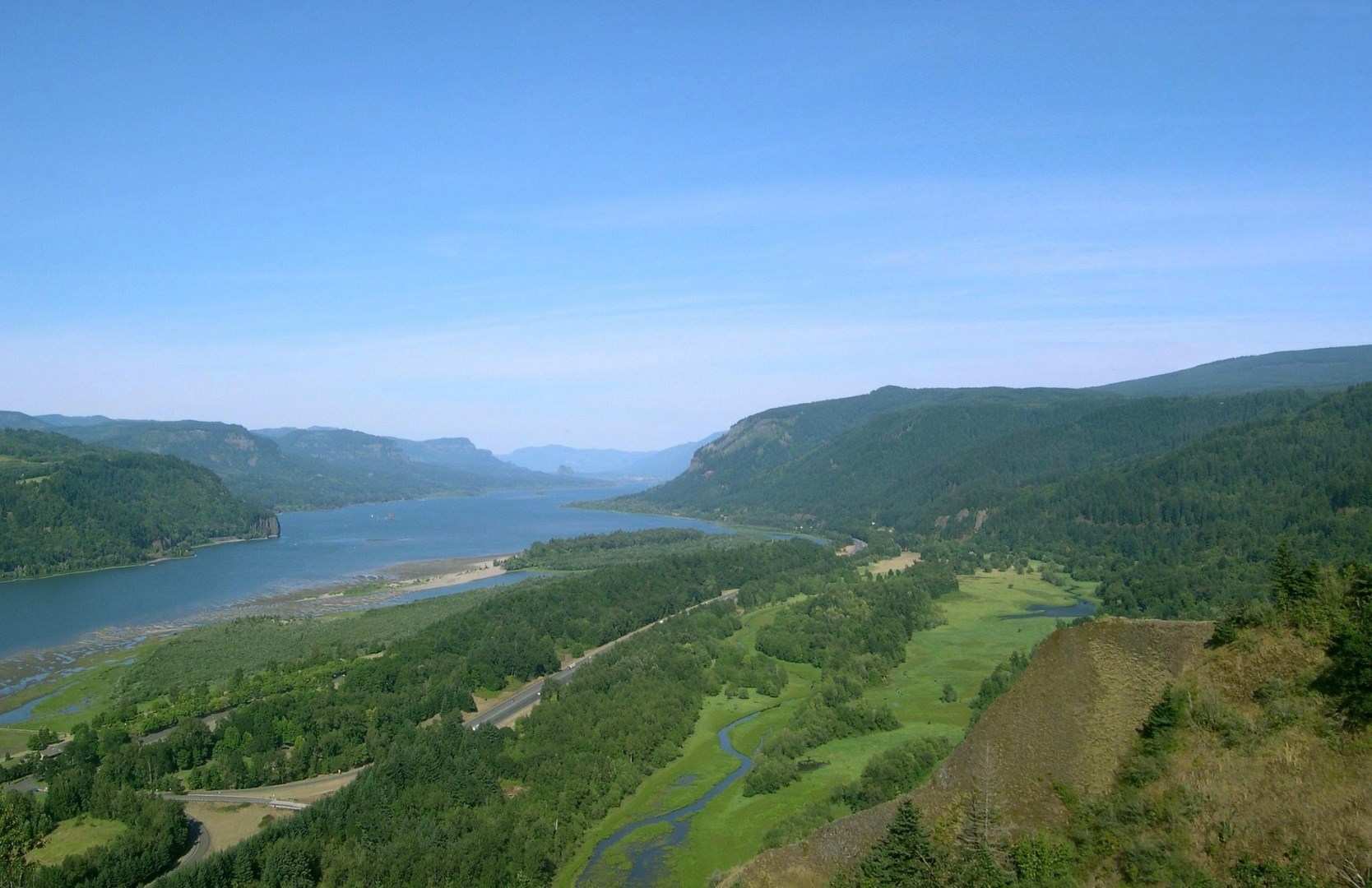
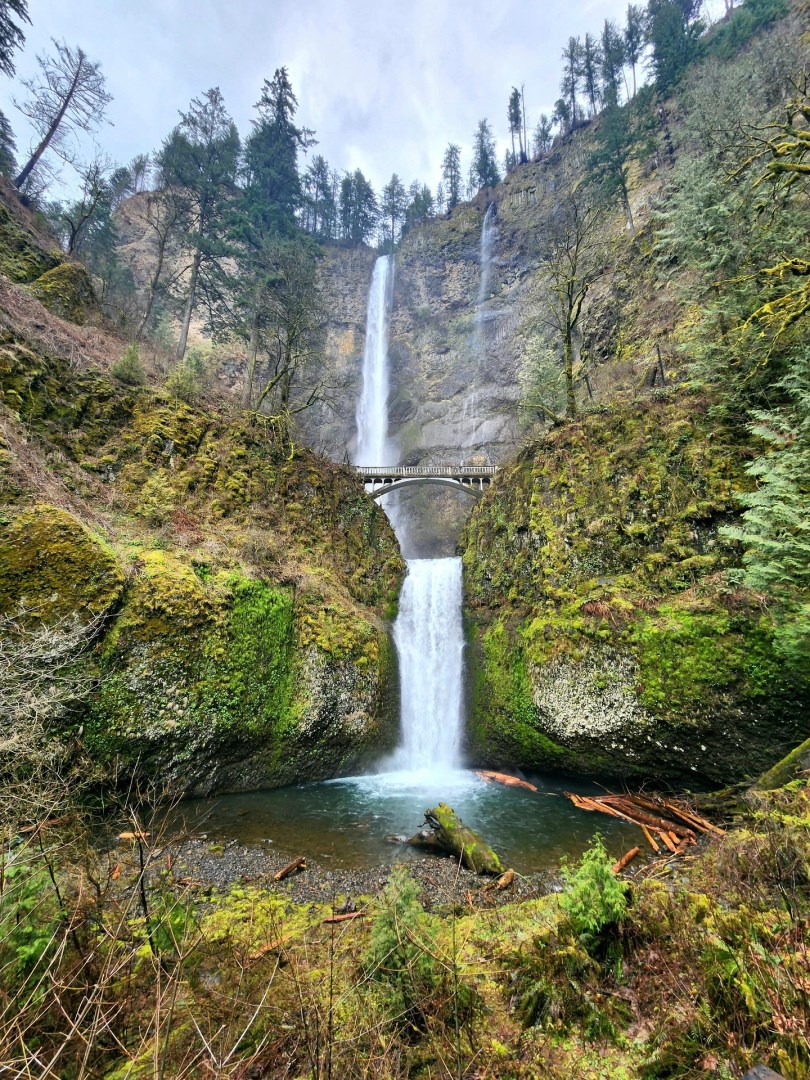
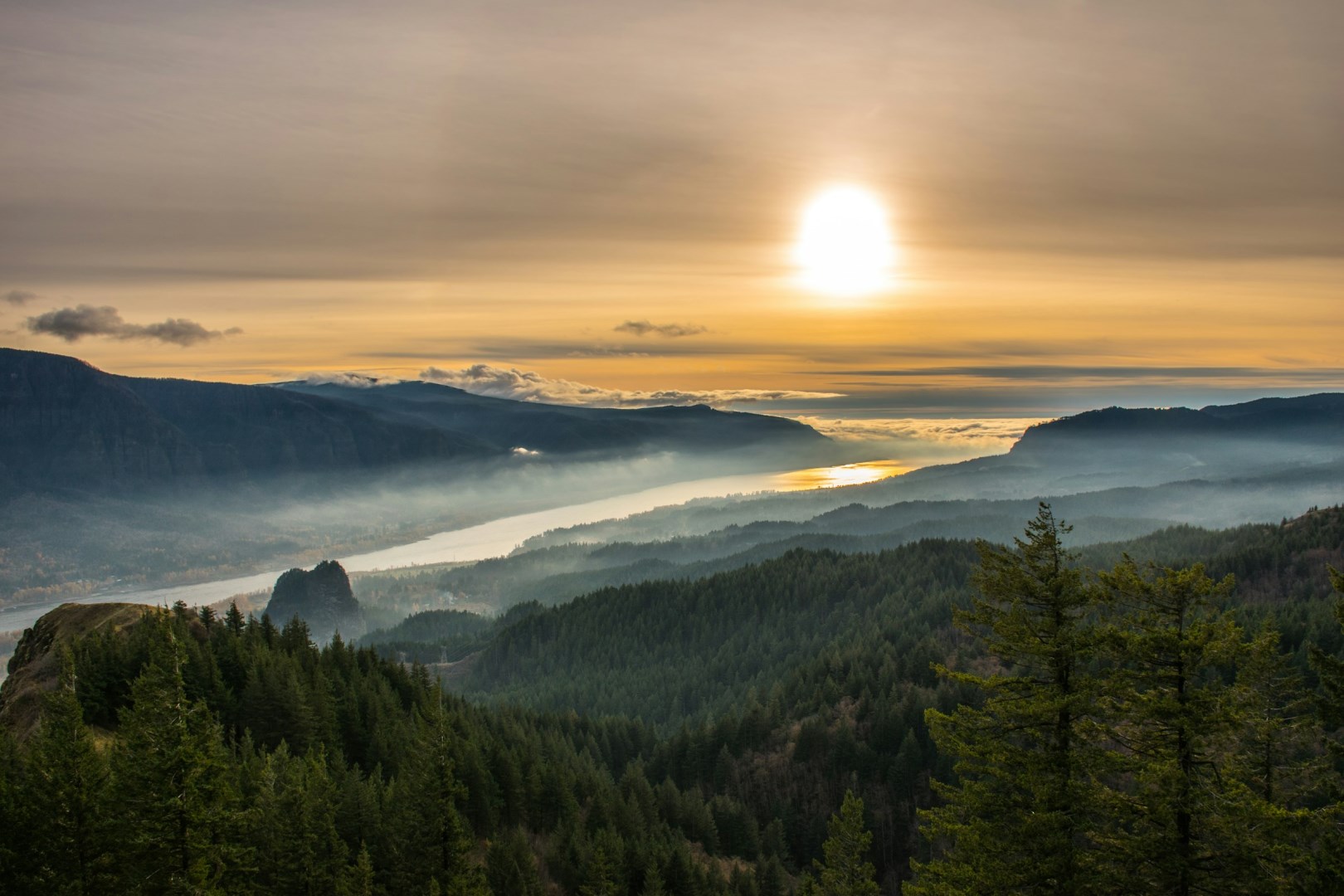
The Columbia River Gorge, straddling the border between Oregon and Washington, is a stunning natural wonder renowned for its breathtaking landscapes and outdoor adventures. This dramatic canyon, carved by the Columbia River, is flanked by towering cliffs and lush forests. One of the highlights is the Multnomah Falls, the tallest waterfall in Oregon, cascading 620 feet into a serene pool below. The falls are accessible via a scenic trail that offers panoramic views of the surrounding gorge.
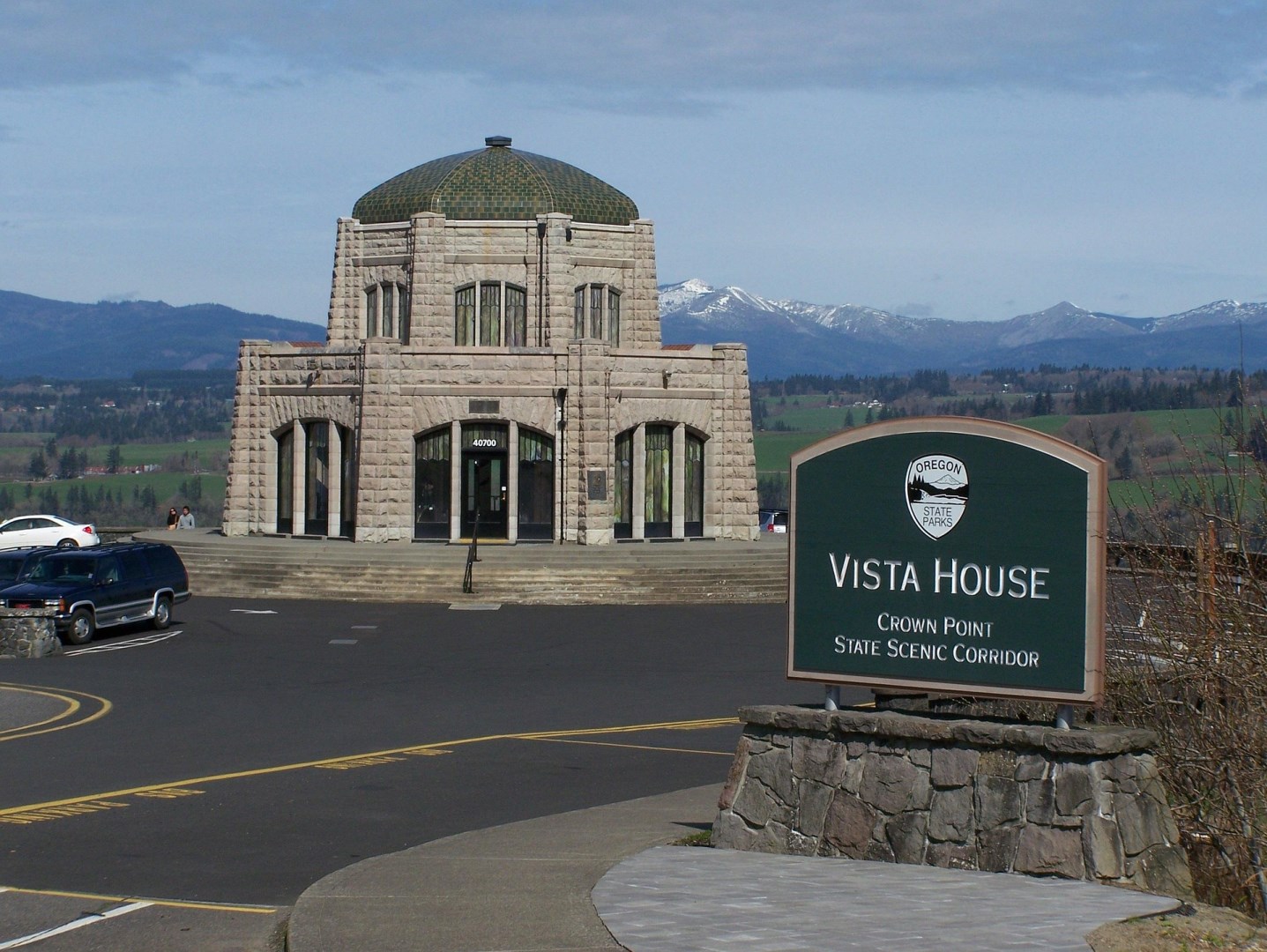
Nature enthusiasts will find a plethora of activities in the Columbia River Gorge. The Gorge's Scenic Highway offers a picturesque drive with numerous viewpoints, including the historic Vista House. For hiking, the Eagle Creek Trail is a must-visit, leading through lush forests to scenic viewpoints and waterfalls. In addition to its natural beauty, the area is renowned for its excellent wind and water sports on the Columbia River, such as windsurfing and kayaking.
The Columbia River Gorge is also home to charming towns like Hood River and White Salmon, where visitors can enjoy local cuisine and explore vibrant arts scenes. Hood River is known for its fruit orchards, especially apples and pears, which you can sample at local farmers' markets and cideries. White Salmon offers a more laid-back vibe with access to mountain biking trails and cozy cafes.
A fun fact about the Columbia River Gorge is that it serves as a natural boundary between the Cascade Range and the high desert of eastern Oregon. This unique geography creates diverse microclimates and ecosystems within a relatively small area. For the best experience, visit during spring or fall when the weather is mild and the natural beauty is at its peak.