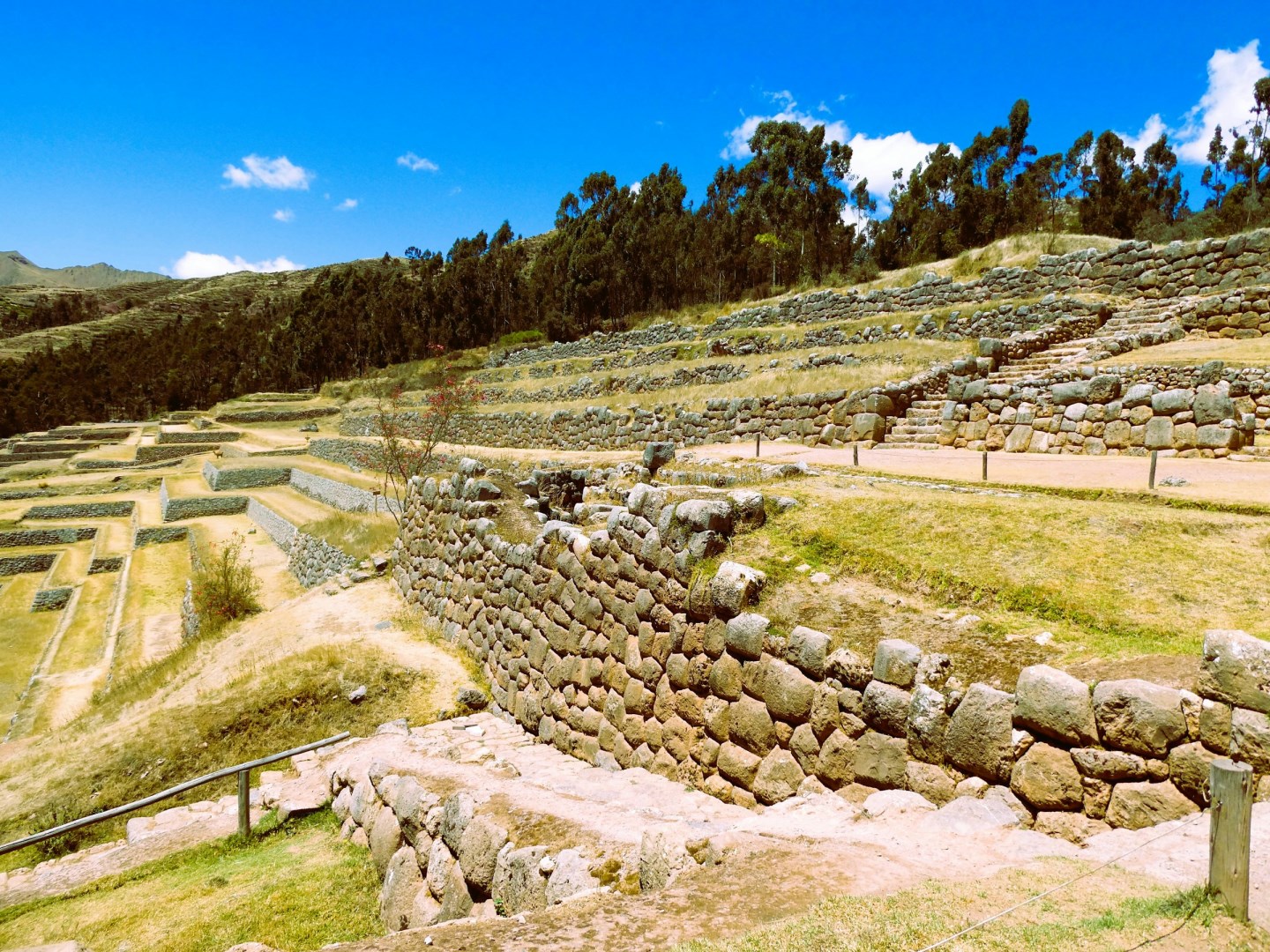
Chinchero is a highland town in Peru’s Cusco Region, northwest of the city of Cusco and above the Sacred Valley of the Incas. Set at more than 3,700 meters (12,000 feet) above sea level, it is surrounded by cultivated fields, puna grasslands, and views of the snow-covered peaks of the Cordillera Vilcabamba.
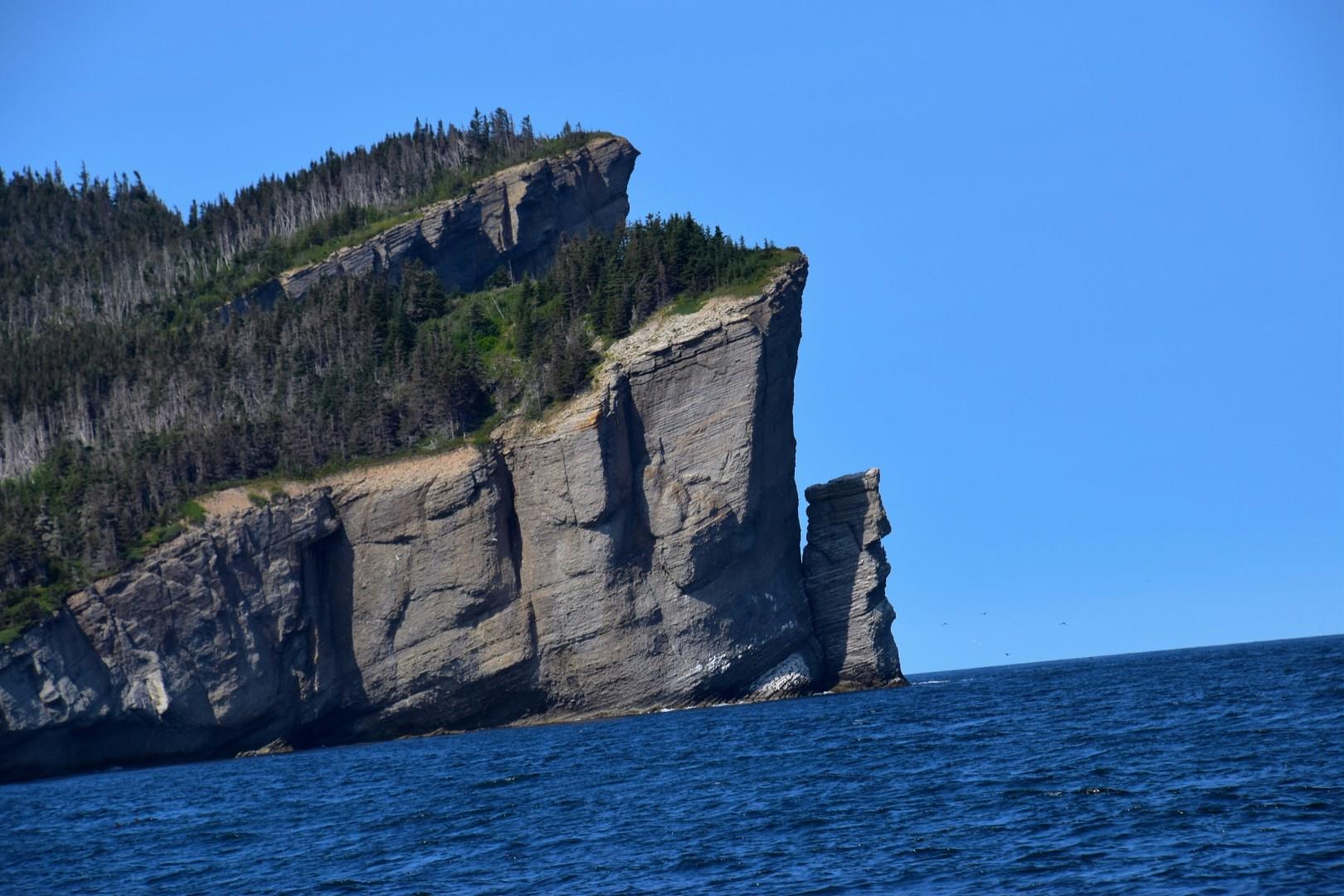
Gaspé sits at the eastern tip of the Gaspé Peninsula in Québec, where the St. Lawrence River opens into the Gulf and the land feels distinctly maritime.
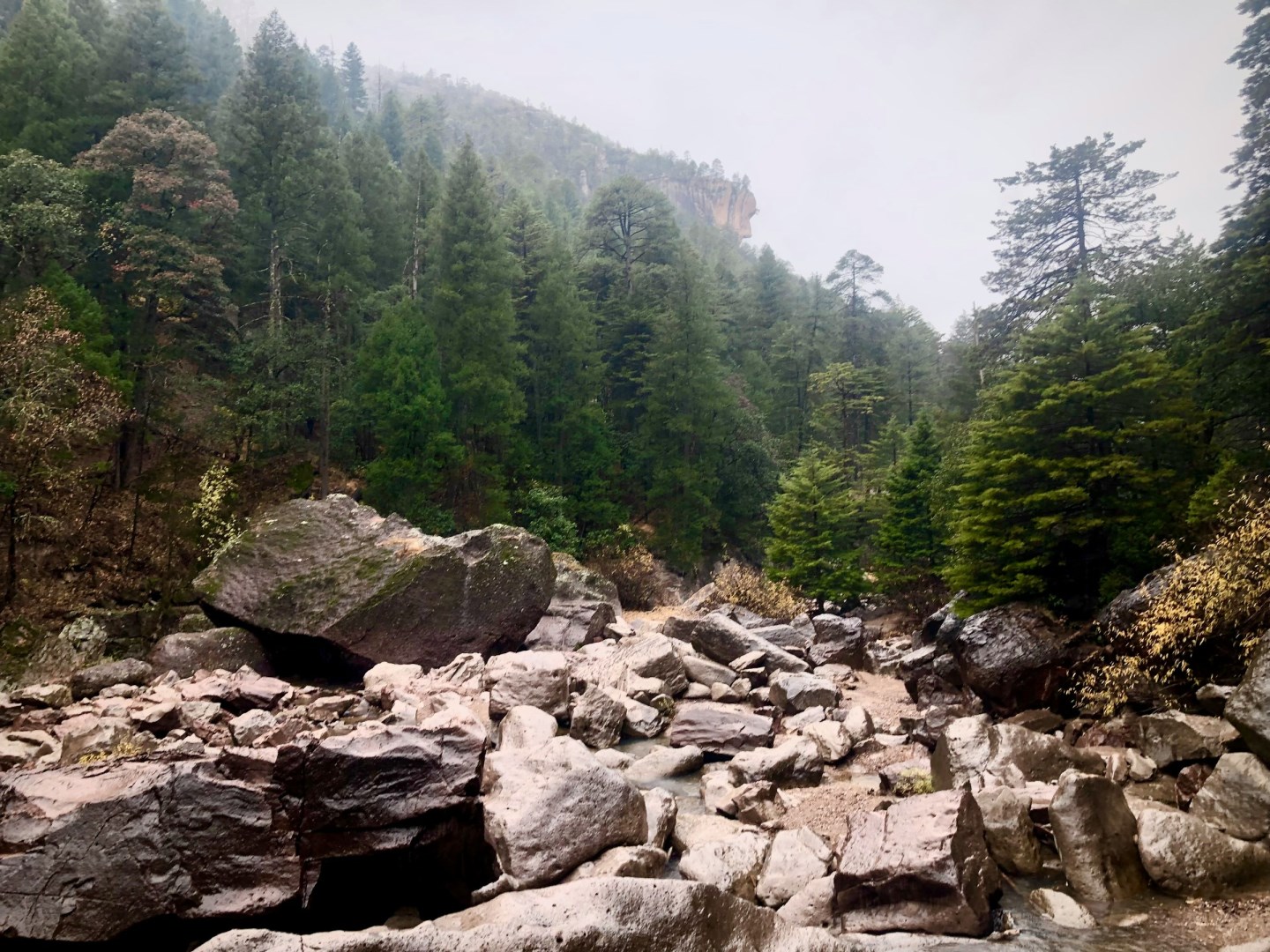
Copper Canyon is actually not a single canyon, but rather a series of more than 20 canyons running through the northern region of Mexico. The canyon covers over 20,000 square miles and is four times larger than the Grand Canyon in the United States.
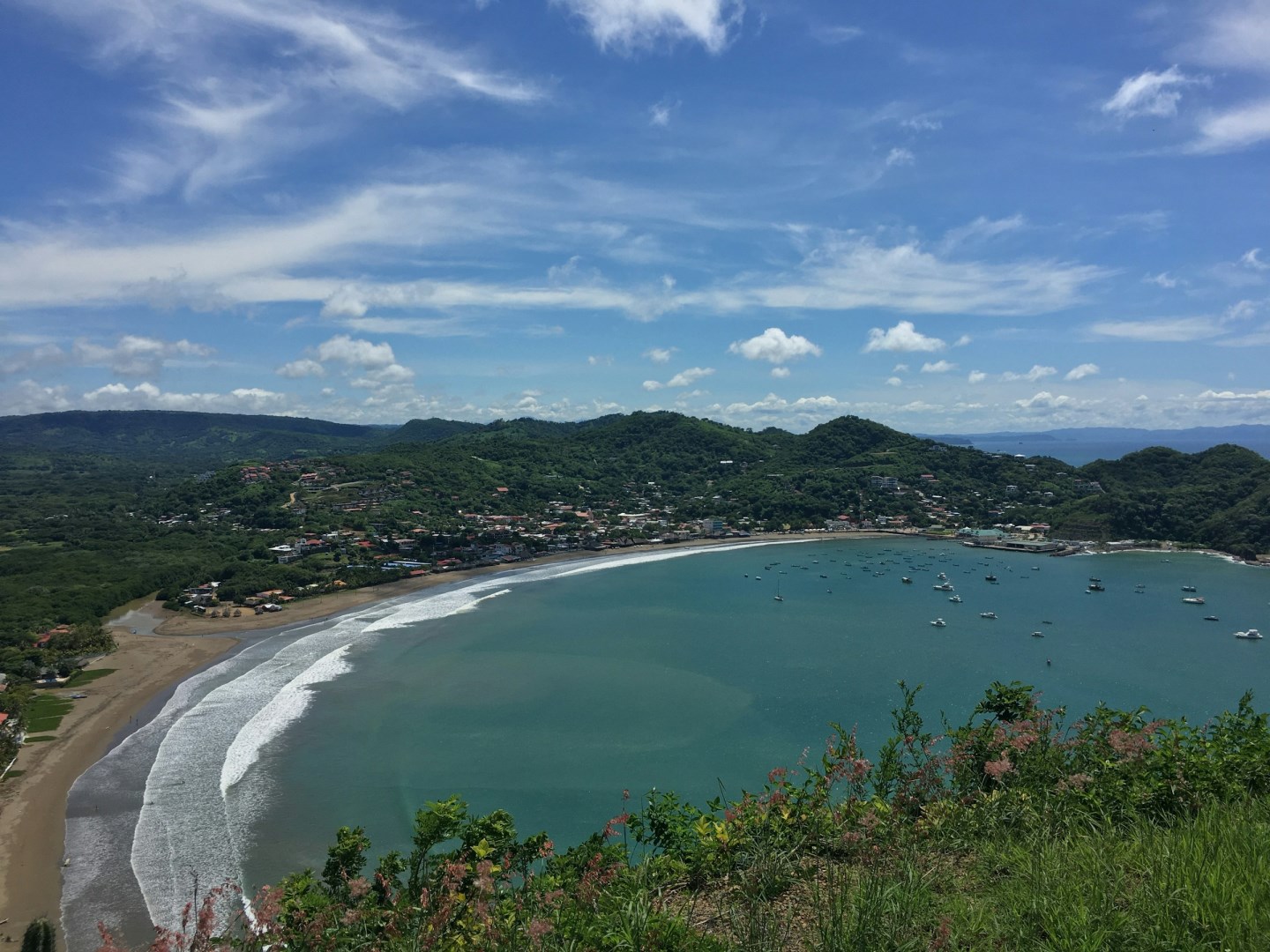
San Juan del Sur is a coastal town on Nicaragua's southwestern Pacific shore, set around a curved bay bordered by hills. Its waterfront combines a working fishing community with restaurants, small hotels, shops, and a broad sandy beach. The surrounding coastline includes forested headlands, rocky coves, and additional beaches reached by road or boat.
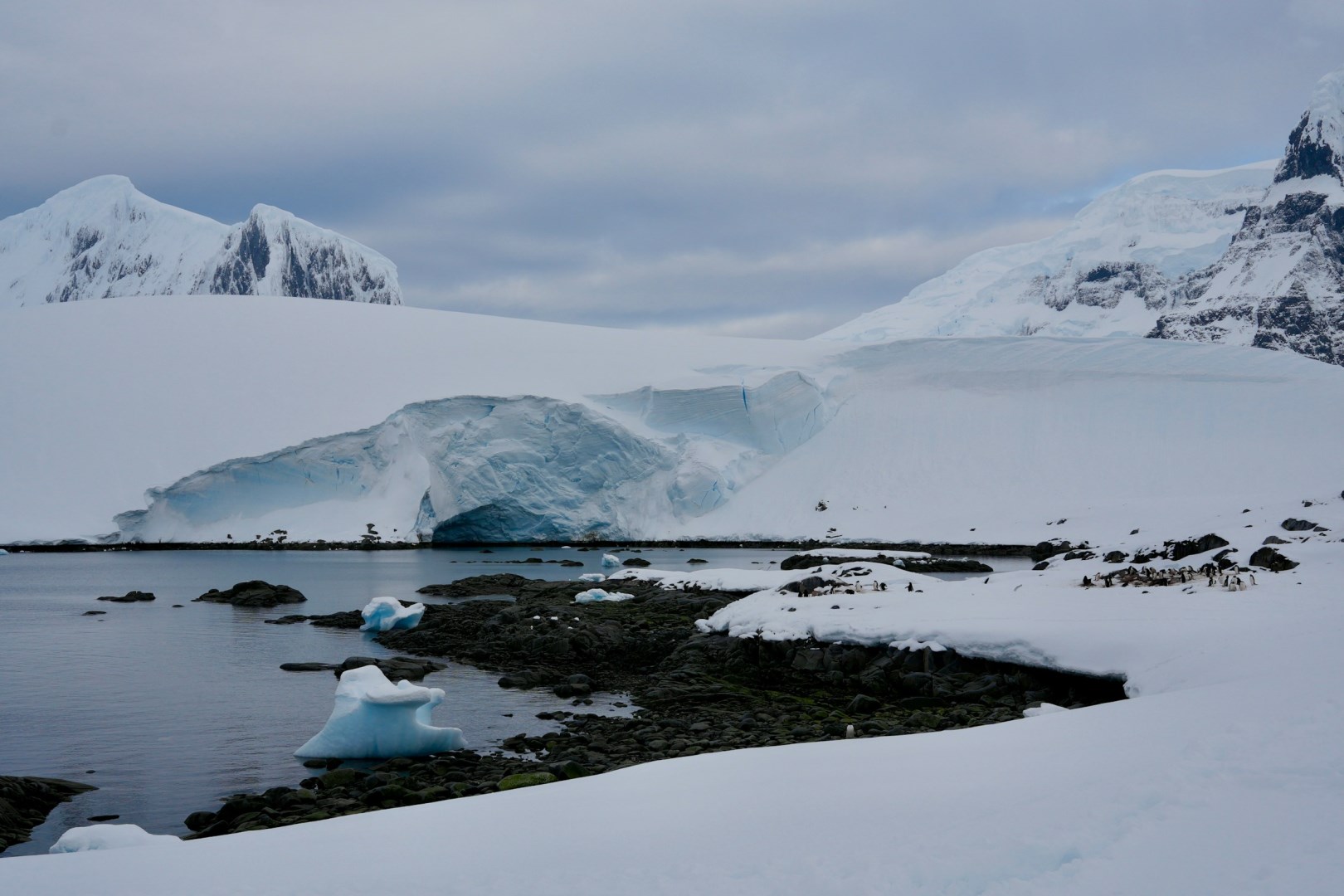
Wiencke Island lies off the west coast of the Antarctic Peninsula, separated from Anvers Island by the narrow Gerlache Strait. The island is mountainous and heavily glaciated, with steep slopes rising from a rugged coastline of rocky shores, snowfields, and ice. Several sheltered coves provide access for expedition vessels, while the surrounding waters are often dotted with icebergs and sea ice.
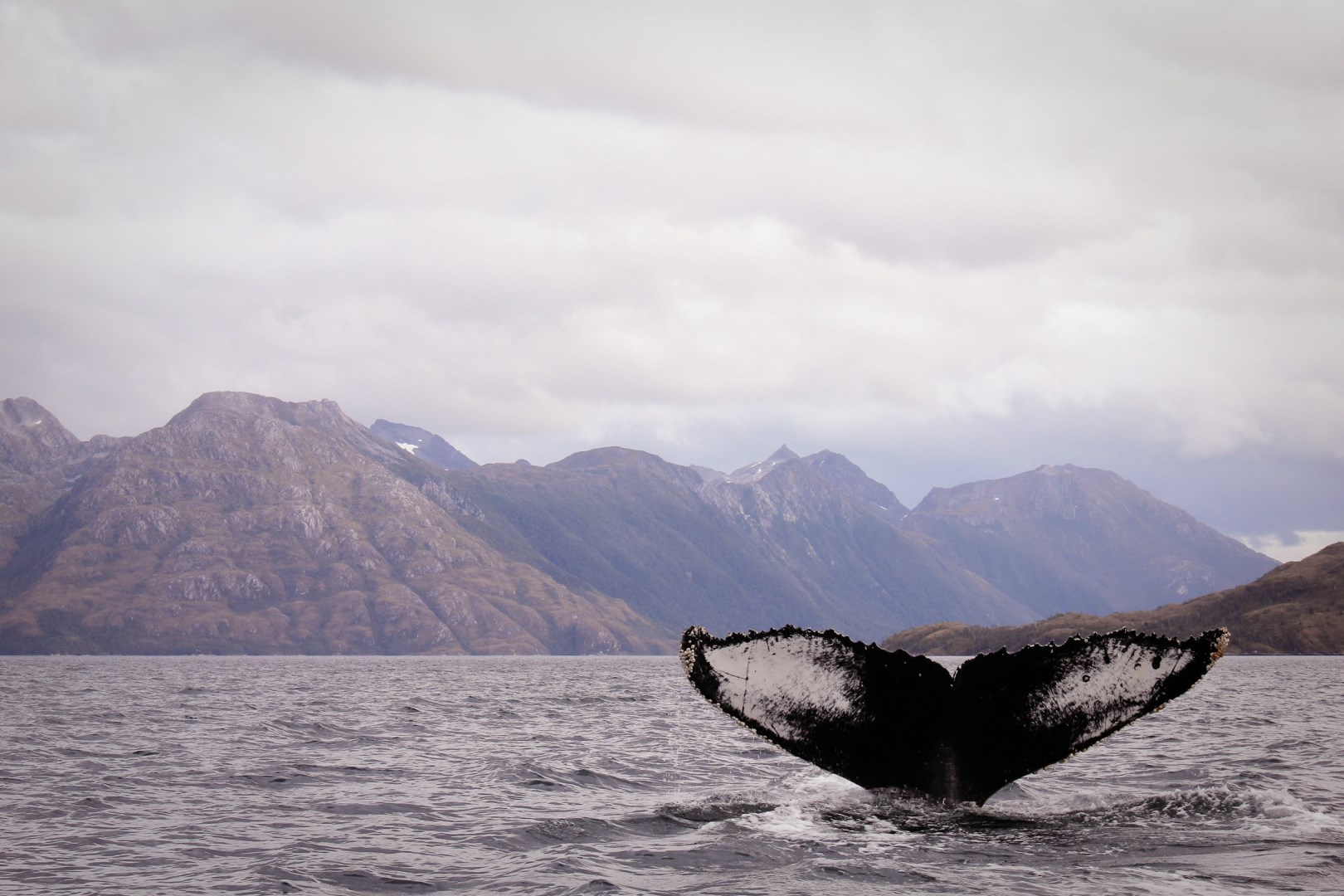
The Strait of Magellan, a pivotal waterway connecting the Atlantic and Pacific Oceans, offers an extraordinary experience for travelers seeking both natural wonder and historical significance. This legendary strait, named after the Portuguese explorer Ferdinand Magellan who navigated it in 1520, is a gateway to the rugged beauty of southern Chile. Visitors can embark on unforgettable cruises to explore the strait's dramatic landscapes, including its towering cliffs, glacial fjords, and the awe-inspiring Tierra del Fuego archipelago.
One of the most captivating features of the Strait of Magellan is its rich history. The region has been a critical maritime route for centuries, and its strategic importance is highlighted by the historic Port of Punta Arenas. This city, the largest settlement near the strait, has a fascinating maritime heritage that can be explored at the Nausicaa Museum and the Magellan Strait Museum (Visit Chile). For those interested in indigenous cultures, the nearby Yaghan Museum offers insights into the life and traditions of the indigenous Yaghan people who have lived in this challenging environment for millennia,
Nature lovers will be enthralled by the diverse wildlife that inhabits the strait. The waters are home to a variety of marine life, including penguins, sea lions, and even the occasional orca. A visit to Isla Magdalena allows for close encounters with large colonies of Magellanic penguins, which nest on the island from September to April. Additionally, the region’s glaciers and national parks offer breathtaking scenery and ample opportunities for hiking and outdoor adventure.
Fun Fact: The Strait of Magellan was once considered the only feasible route for ships traveling from the Atlantic to the Pacific until the construction of the Panama Canal. This historical significance makes it not only a natural marvel but also a key piece of maritime history.
Other Popular Destinations in Chile
Santiago
Flanked by the Chilean Coast Range and the snowy Andes, Chile's largest metropolis offers a dazzling array of sights and attractions for visitors to pursue. Mirrored skyscrapers, 16th-century churches, hip cafes, dance clubs... and did we mention the delicious Chilean cuisine?
Punta Arenas
A favorite stop on South American and Antarctic cruises, Punta Arenas lies within the spectacular system of fjords that dot the coast of Chile. La Cruz Hill affords commanding views of the Straits of Magellan. Visit Punta Arenas for fascinating museums, quaint restaurants filled with fresh Chilean eats, and ample opportunity to watch local penguins!