Córdoba, located in the heart of Andalusia, was once the most advanced city in Western Europe. During the 10th century, it served as the capital of Al-Andalus and was a center for learning, science, and art. Today, visitors walk the same streets that philosophers, poets, and physicians once crossed. The city’s most famous landmark, the Mezquita-Catedral, reflects its layered past. The red and white horseshoe arches inside are one of the most photographed interiors in Spain.
Merzouga, a small village located in southeastern Morocco, is the gateway to the stunning Erg Chebbi dunes, one of the most iconic desert landscapes in the world. These towering sand dunes, which can reach heights of up to 150 meters (492 feet), offer an unparalleled opportunity for adventure and exploration. The contrast between the golden sands and the clear blue sky creates a breathtaking panorama that is perfect for photography and desert excursions.
Batalha, a small town in central Portugal, is steeped in history and home to one of the country’s most magnificent monuments, the Batalha Monastery. This UNESCO World Heritage Site, also known as the Monastery of Santa Maria da Vitória, was built to commemorate the Portuguese victory over Castile at the Battle of Aljubarrota in 1385. I
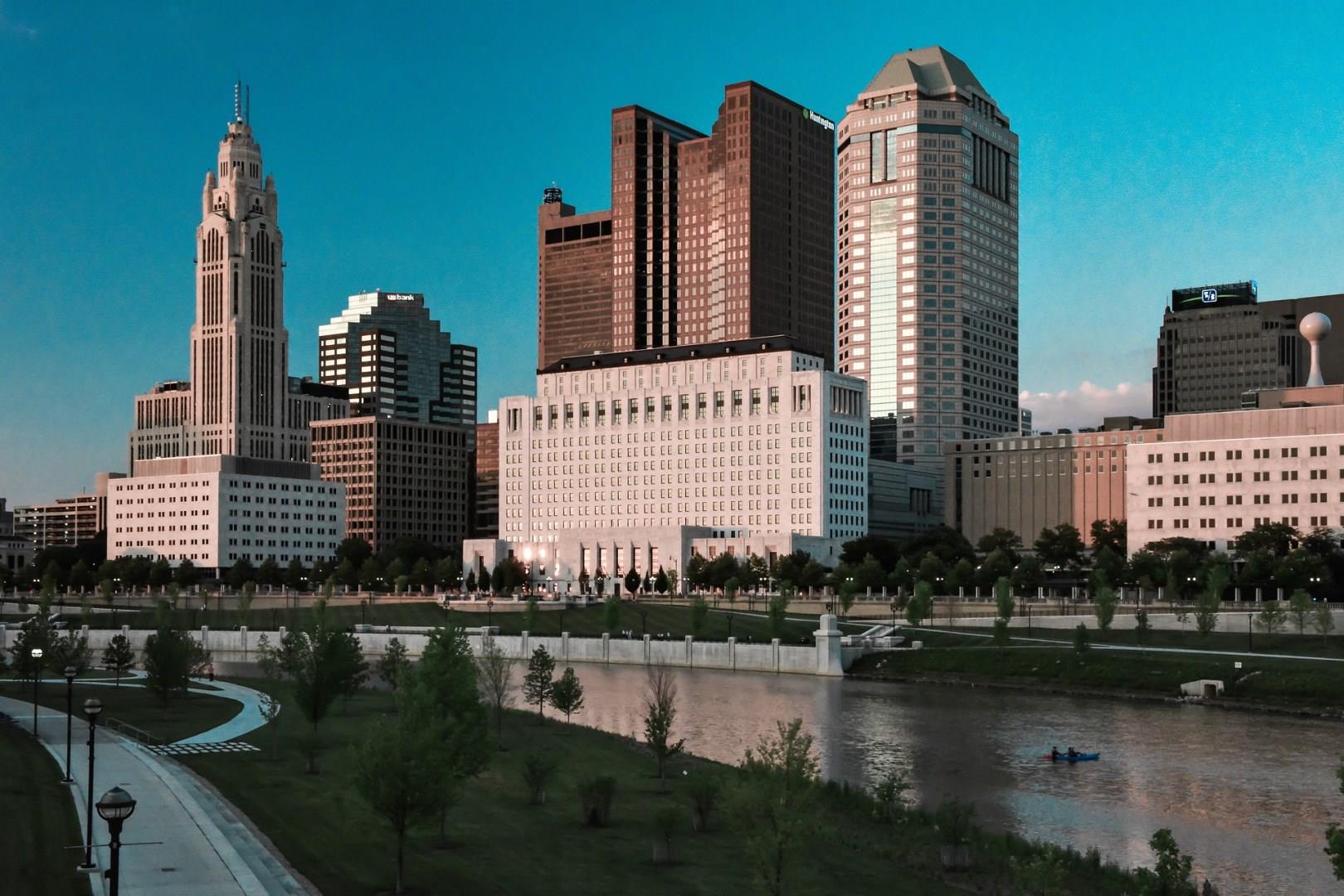
Abidjan, the largest city in Ivory Coast, is a vibrant coastal hub known for its striking skyline, lively markets, and cultural energy. Situated along the Ébrié Lagoon, it serves as the country’s economic and commercial center, blending modern urban life with West African traditions. Nicknamed the “Paris of West Africa,” Abidjan offers a dynamic mix of business districts, beachside neighborhoods, and green spaces that reflect its diverse character.
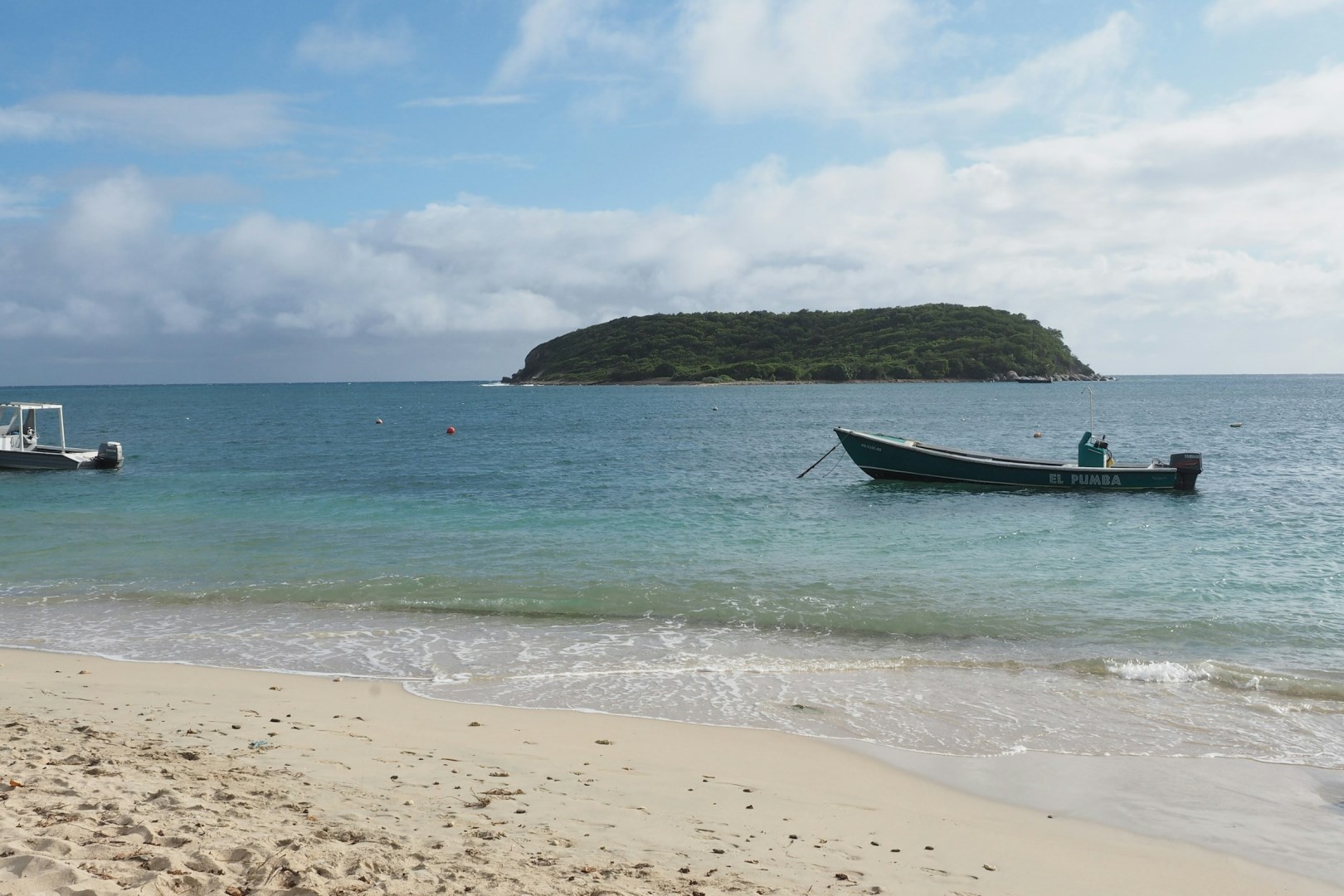
Weymouth is a seaside town on England’s Jurassic Coast, where a long tradition of maritime life meets a relaxed, lived-in shoreline. Its broad sandy beach curves gently around the bay, sheltered by the Isle of Portland, making it one of the south coast’s most approachable places for swimming and coastal walks.
Heimaey, the largest island in Iceland’s Vestmannaeyjar archipelago, is a captivating destination renowned for its dramatic landscapes and volcanic history. A visit to Heimaey offers a unique blend of natural beauty and cultural heritage. The island is famous for its stunning Volcanic Landscape, particularly the aftermath of the 1973 eruption of Eldfell, which dramatically reshaped the island and had a significant impact on its residents (Iceland Travel). The Eldheimar Museum, housed in a former fish factory, provides a fascinating look into the eruption’s effects and the subsequent volcanic excavation.
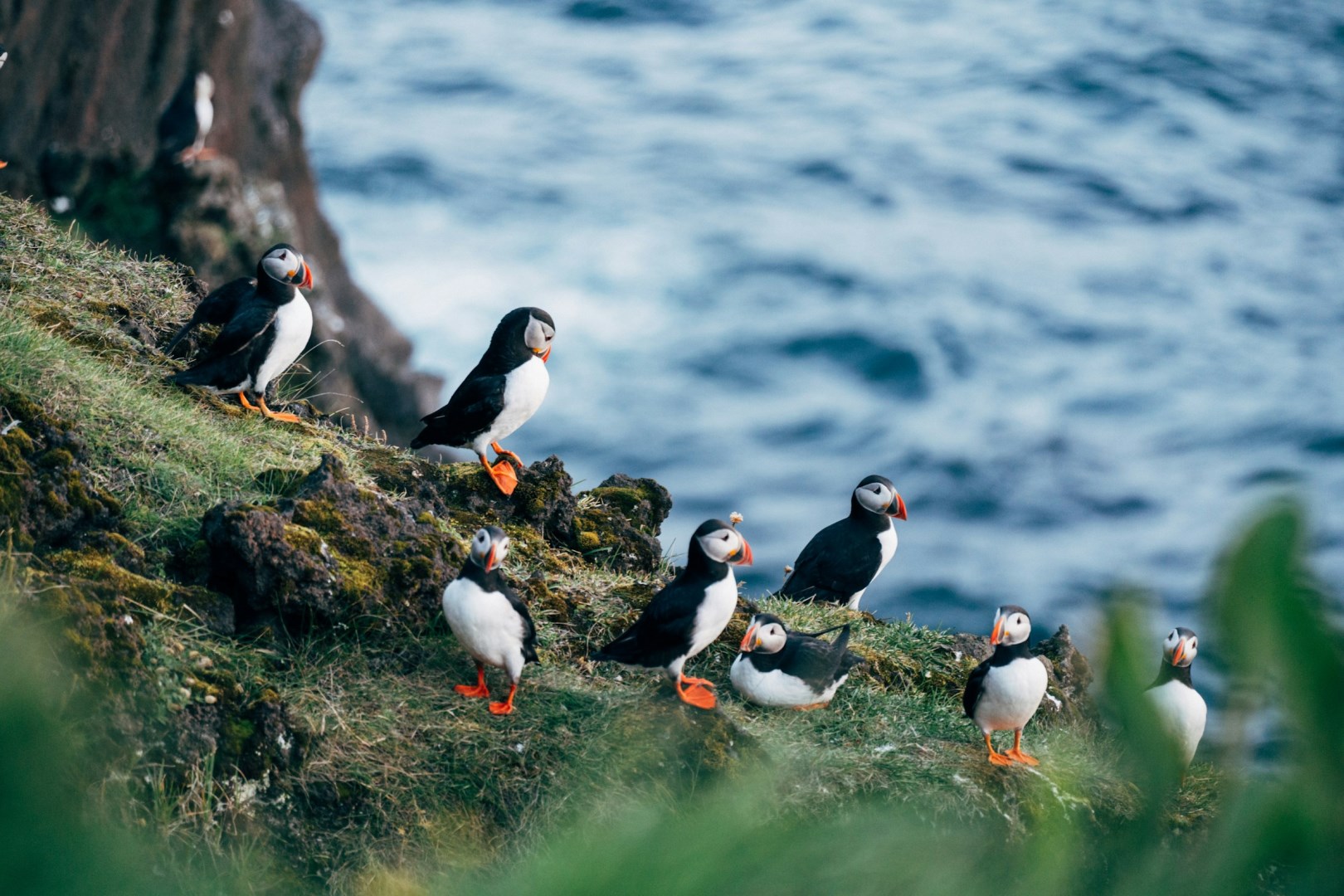
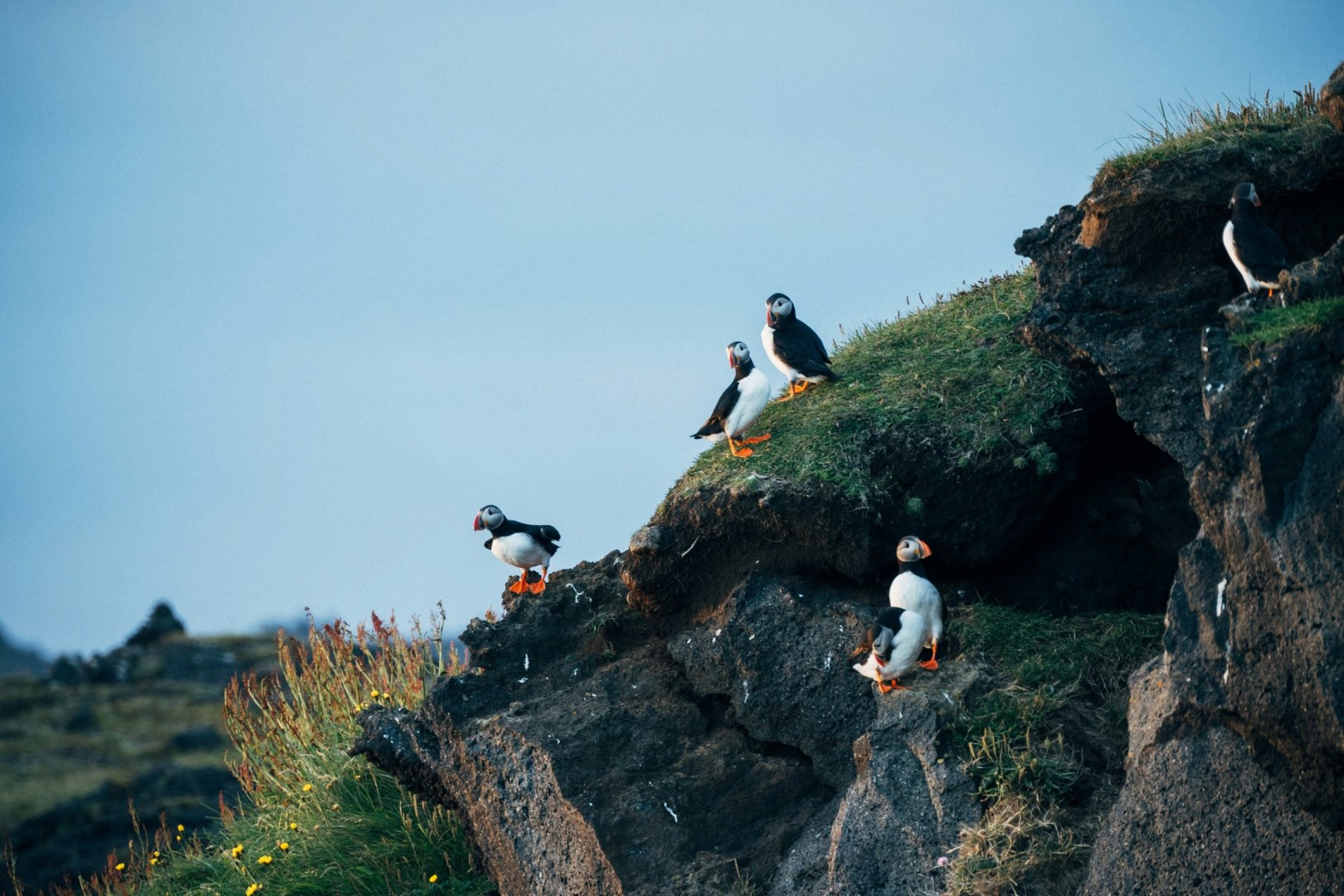
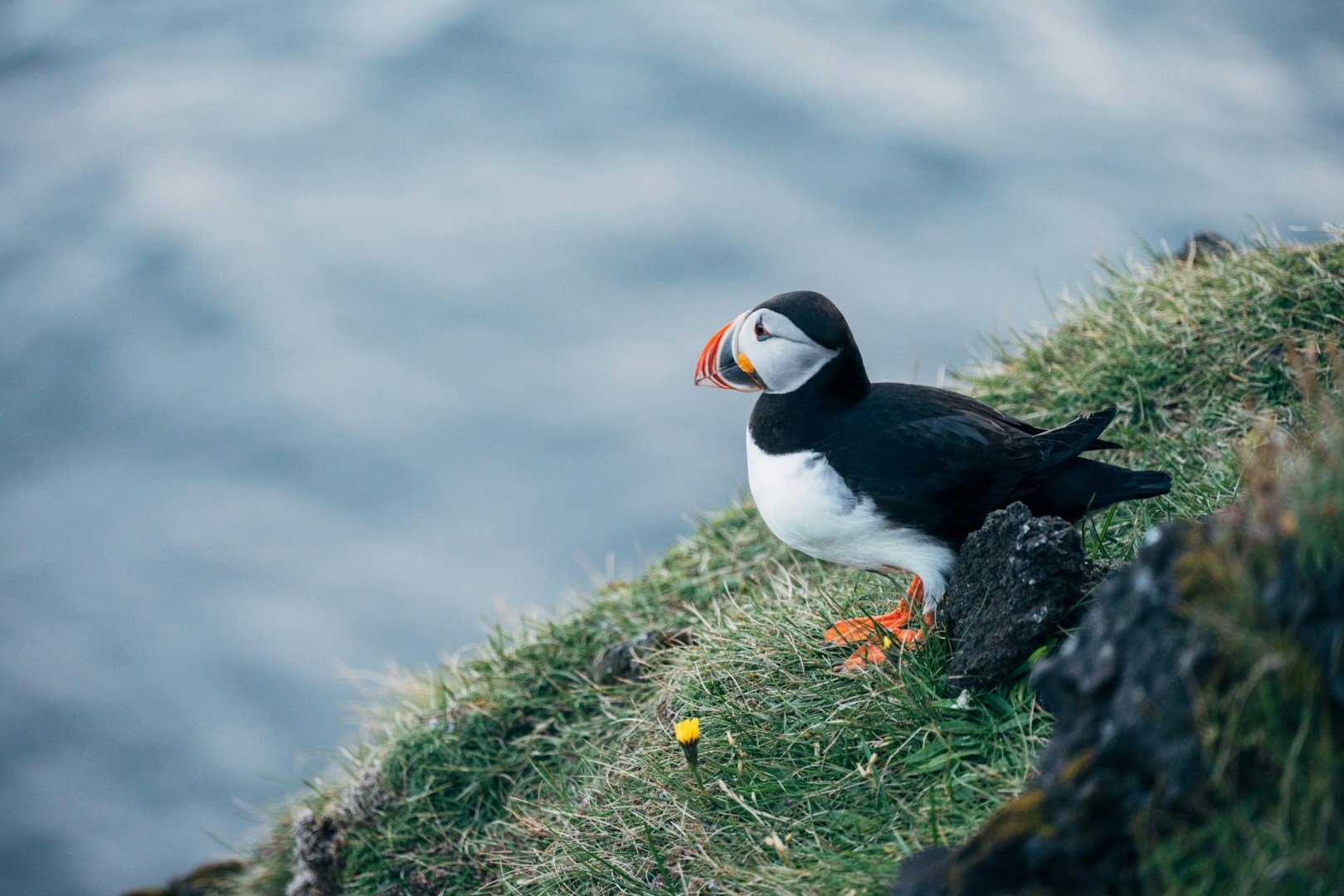
Nature enthusiasts will be enchanted by Heimaey’s rich birdlife, especially during the puffin nesting season. The island is one of the best places in Iceland to observe Atlantic Puffins, which flock to the cliffs from April to August (Icelandic Tourist Board). For a panoramic view of the island, hike up to Stórhöfði, one of Europe’s windiest places, which offers sweeping vistas of the volcanic terrain and the surrounding ocean.
Heimaey also boasts a charming town center with colorful houses and a vibrant local culture. The Westman Islands Museum provides insight into the local history and culture, including exhibits on the island's fishing heritage and the 1973 volcanic eruption (Westman Islands Museum). For a more relaxed experience, visit Skansinn, a historic fort that offers a glimpse into the island’s past and provides a picturesque spot for enjoying the sea views.
Fun Fact: Heimaey is home to the only golf course in Iceland that operates during the winter, thanks to the island's mild microclimate compared to the mainland. This makes it an attractive destination year-round for visitors looking to experience Iceland's unique natural environment.
From volcanic landscapes and puffin watching to rich cultural experiences, Heimaey offers an unforgettable glimpse into Iceland’s diverse and rugged beauty.