

Orlando
Orlando, Florida, is a theme park lover's paradise! Home to family favorites like Walt Disney World® Resort, SeaWorld® Orlando, and Universal Orlando™ Resort, there's endless opportunity for adventure and entertainment in sunny Orlando. Golfers will enjoy hitting the links at one of the many golf courses and clubs sprinkled throughout the city.

Mo'orea
Warm sands, cerulean waves, and stunning tropical views await you in Moorea, an island in French Polynesia. Unwind in an overwater bungalow, snorkel with tropical fish, or shop for pearls as you explore the remote beauty of this island destination.

Puerto Ayora
Puerto Ayora is the largest town in the Galápagos Islands of Ecuador and is located on the southern coast of Santa Cruz Island. The town serves as a central base for travel throughout the archipelago, with ports, research centers, hotels, and tour operators concentrated around Academy Bay.
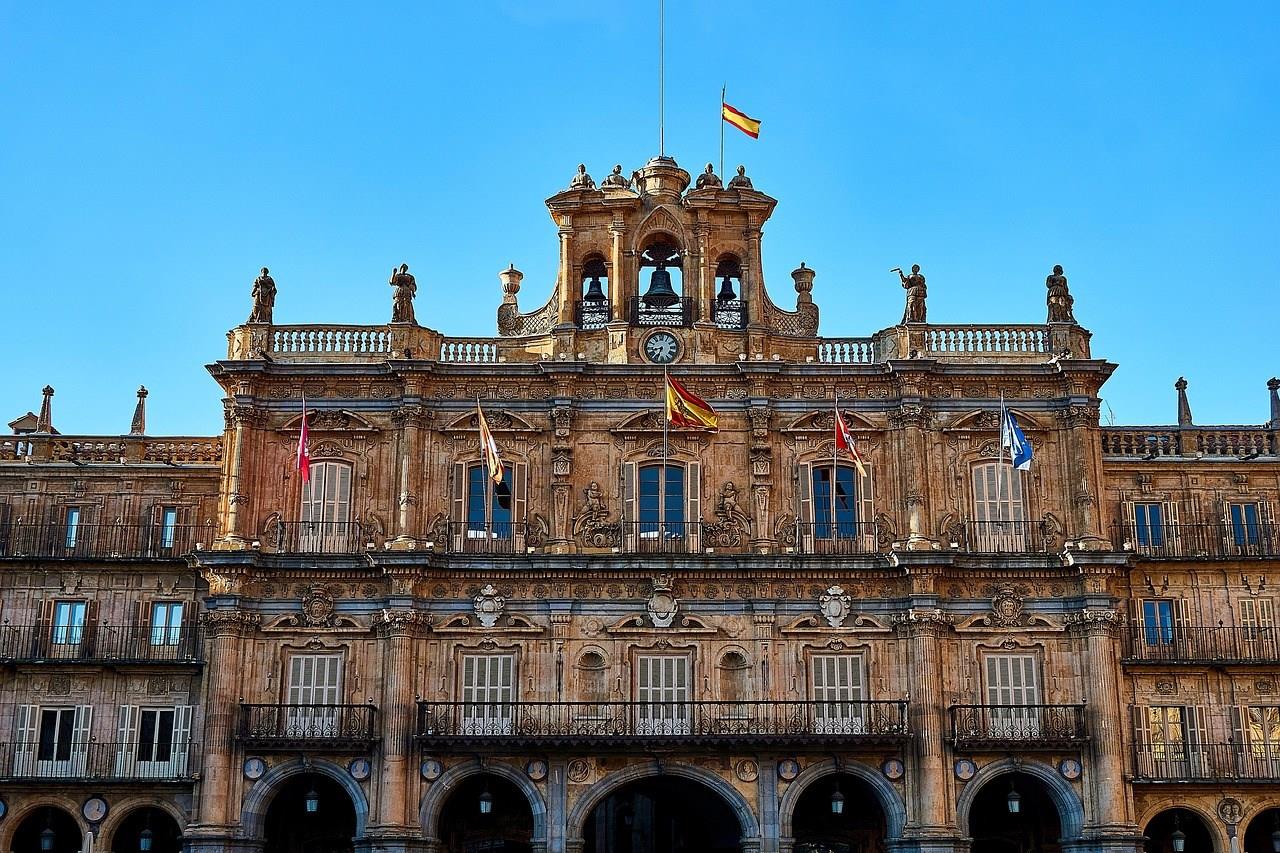
Salamanca
Salamanca, often called the “Golden City” for the warm glow of its sandstone buildings, is a place where centuries of stories are etched into every wall. Visit its historic center to wander through cobbled streets lined with architectural marvels. The University of Salamanca, founded in 1218, is one of the oldest in Europe and still buzzes with student life.
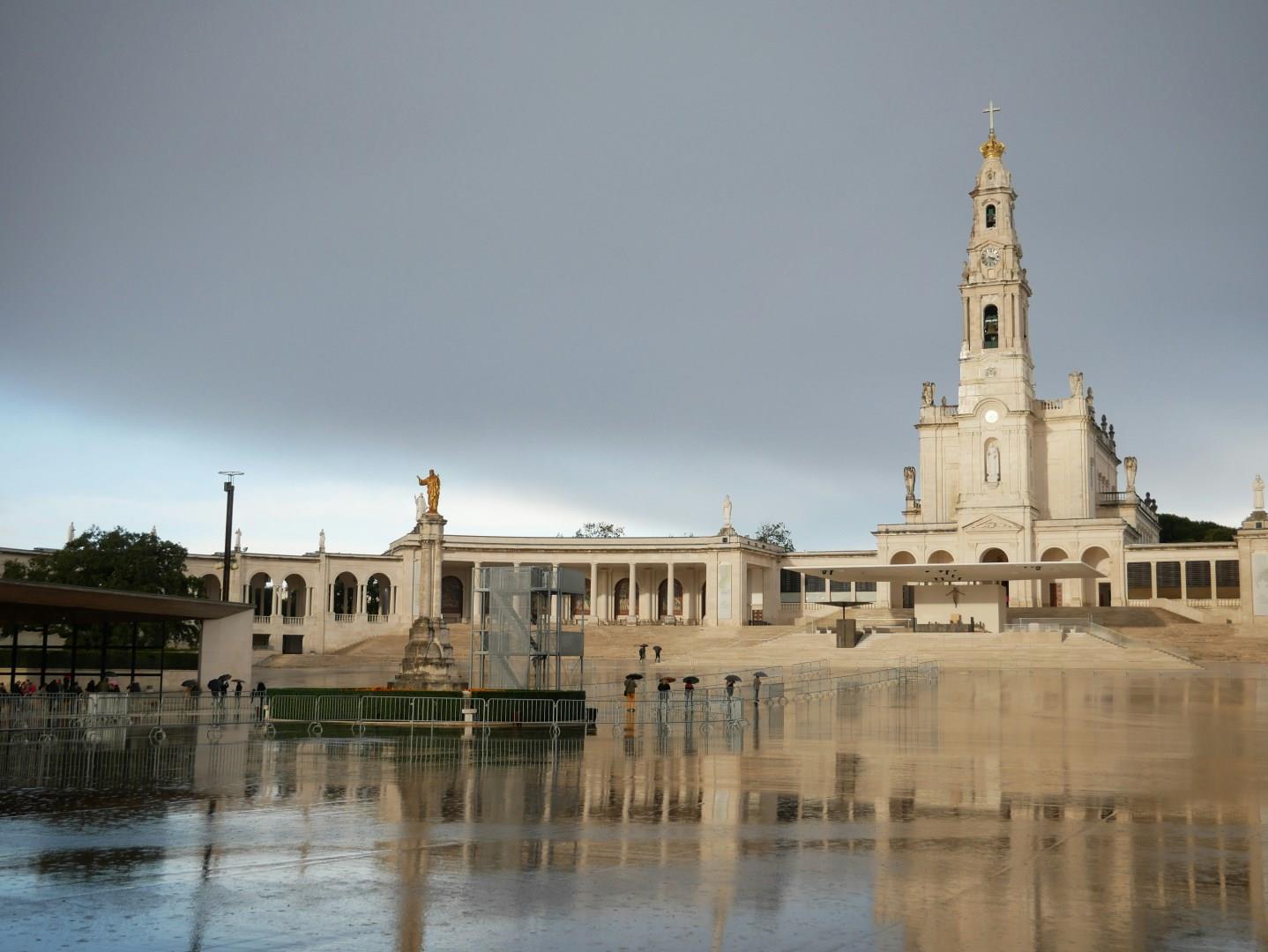
Fatima
Fátima, a small town in central Portugal, has become one of the most significant pilgrimage sites in the world, drawing millions of visitors annually. The Sanctuary of Fátima, a sprawling complex of religious buildings and monuments, stands at the heart of the town. Pilgrims from all over the globe come to light candles, attend mass, and walk the sacred paths in reverence.


