

Cusco
Cusco once served as the heart of the Inca Empire, and that legacy still shapes every corner of the city even as it serves as a gateway to Machu Picchu. Outside the historic center, the ruins of Sacsayhuamán overlook the city from a nearby hilltop. This ceremonial complex is best known for its massive zigzag stone walls, some weighing over 100 tons. During the Inti Raymi festival in June, thousands gather here to reenact ancient Andean rituals.
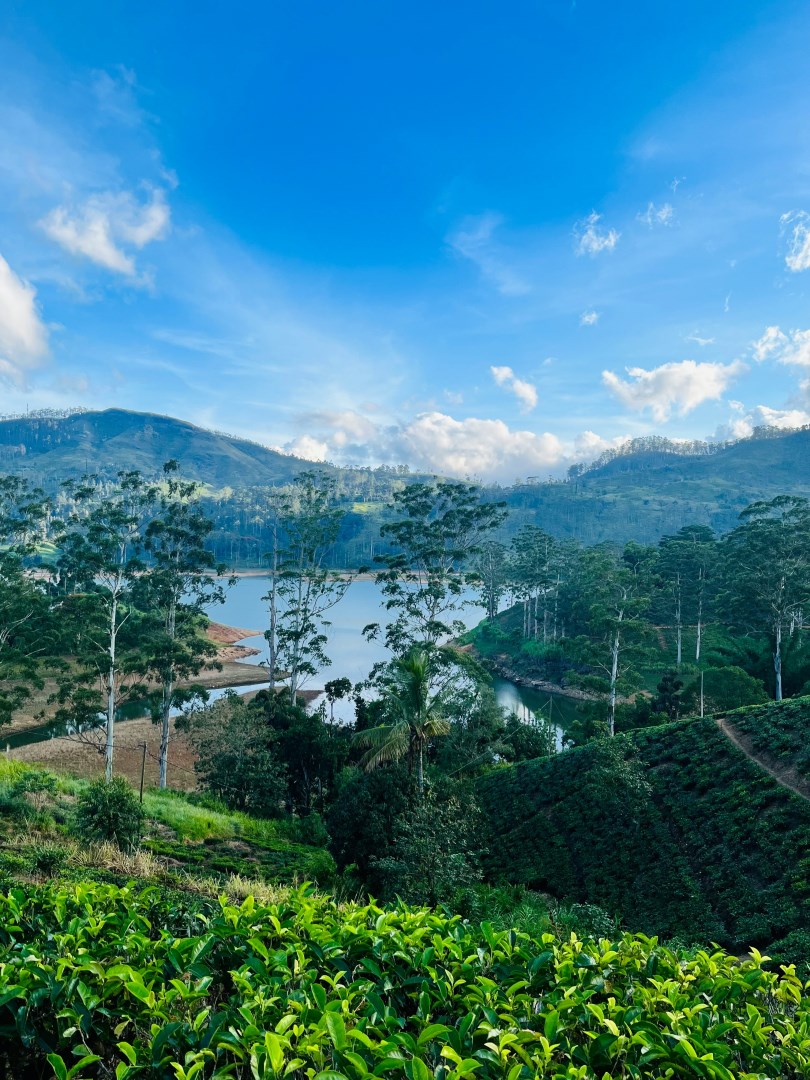
Hatton
Hatton is a hill-country town in central Sri Lanka, located within the tea-growing highlands of Nuwara Eliya District. Surrounded by steep green slopes, waterfalls, and mist-covered plantations, the town serves as an important center for Sri Lanka’s tea industry.

Texas
Texas is a state where size meets story from high plains to coastal shores, every region brings something distinct to the table. In San Antonio, visitors can walk through centuries of layered history starting at the Alamo, a site of one of the most famous battles in the state’s fight for independence. The nearby San Antonio Missions, a UNESCO World Heritage Site, offers a deeper look into the Spanish colonial influence that shaped the region.
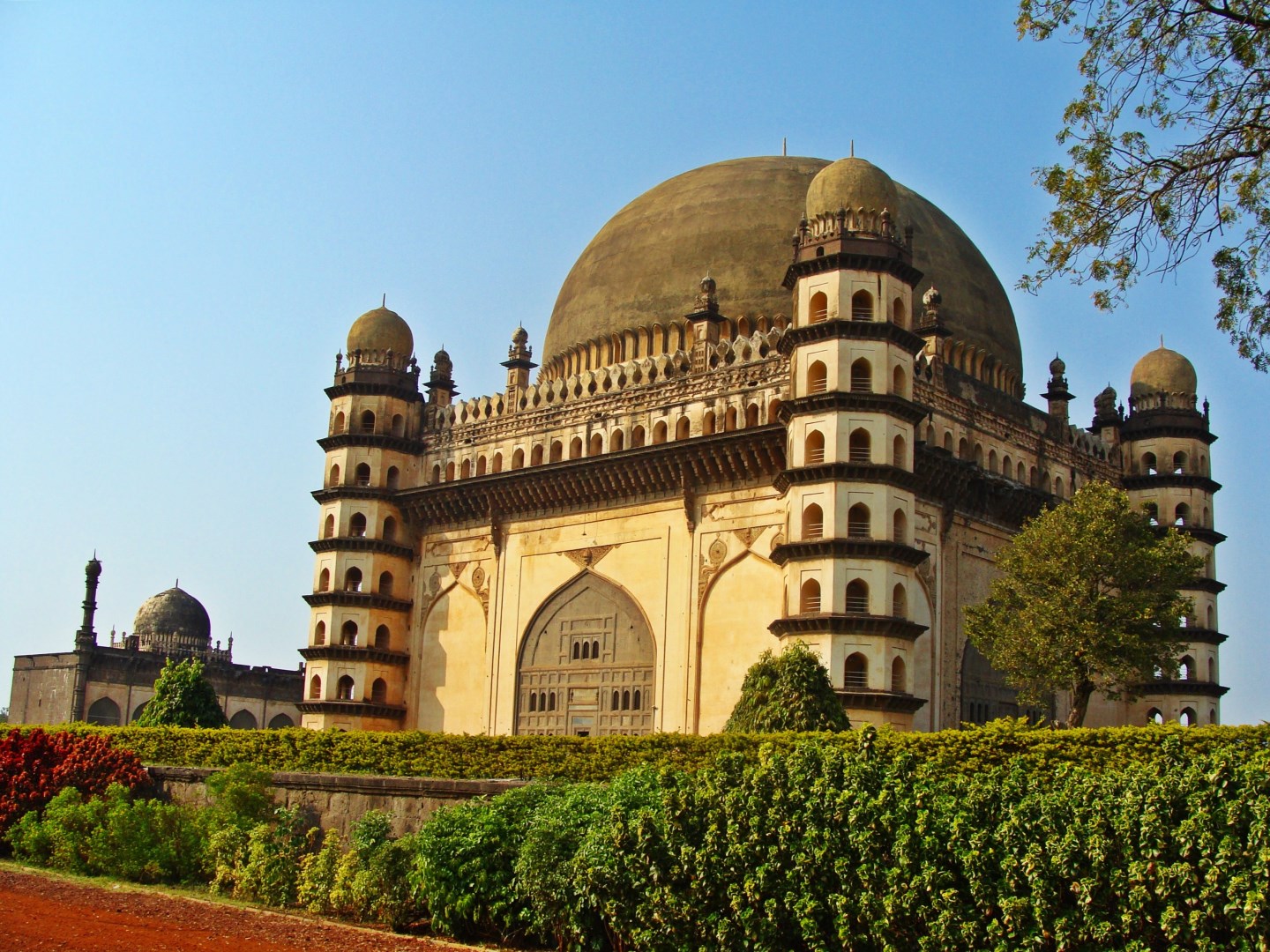
Bijaipur
Bijaipur is a small rural destination in Rajasthan, India, set within the Aravalli hills and surrounded by farmland and quiet village landscapes. It is best known for its historic fort, Castle Bijaipur, which has been adapted into a heritage stay.

Mâcon
Mâcon is a riverside town in the Saône et Loire department of southern Burgundy, set where the Saône River curves gently through the countryside. Walking through the town naturally leads visitors from the riverfront toward its historic streets, where the past seems to linger in every corner. In the heart of Mâcon’s historic district, pedestrians find streets lined with notable sites.


