
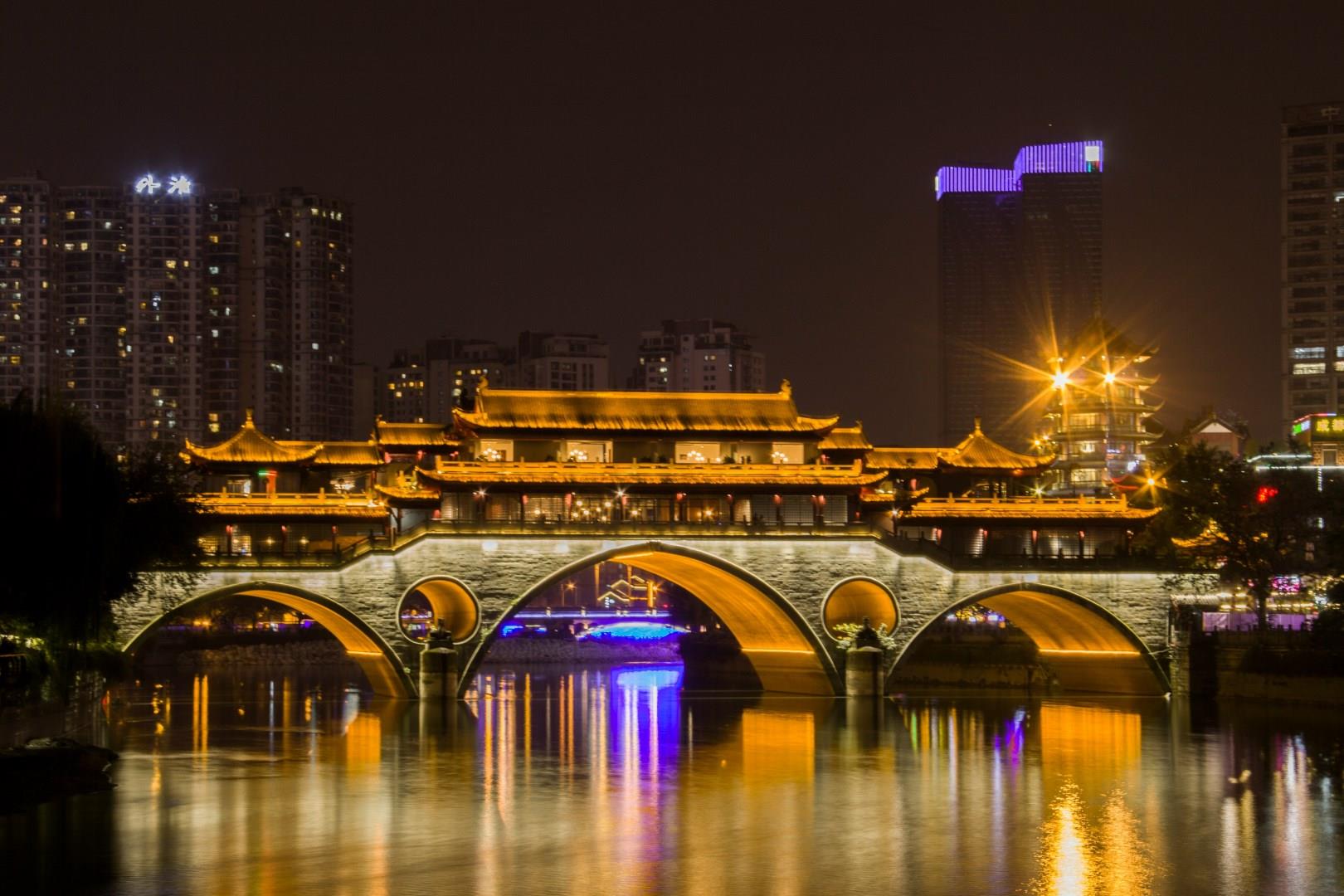
Chengdu
Chengdu, the capital of China's Sichuan Province, blends modern urban life with centuries of history. It is famous as the home of the giant panda, but its cultural significance extends far beyond wildlife.

Annecy
Nestled between the pristine waters of Lake Annecy and the towering French Alps, Annecy is a charming gem in southeastern France that offers visitors a unique blend of history, natural beauty, and alpine allure. Often referred to as the "Venice of the Alps" due to its network of canals that wind through the old town, Annecy captivates with its cobbled streets, pastel-colored houses, and flower-adorned bridges.

Las Vegas
Las Vegas, Nevada, is an electrifying city where glitz and glamour meet entertainment and excitement. Known as "The Entertainment Capital of the World," Las Vegas offers an unparalleled array of attractions, from its iconic casinos and luxurious hotels to its world-class dining and live shows. The city's entertainment scene is second to none, featuring legendary headliners, cutting-edge performances, and an array of themed attractions.

Dominica
Dominica, known as the “Nature Island of the Caribbean,” is a haven for eco-tourists and adventure seekers. Nestled between the French islands of Guadeloupe and Martinique, this lush island boasts a remarkable landscape of volcanic mountains, dense rainforests, and stunning waterfalls. Dominica’s most iconic natural wonder is the Boiling Lake, the second-largest hot spring in the world.
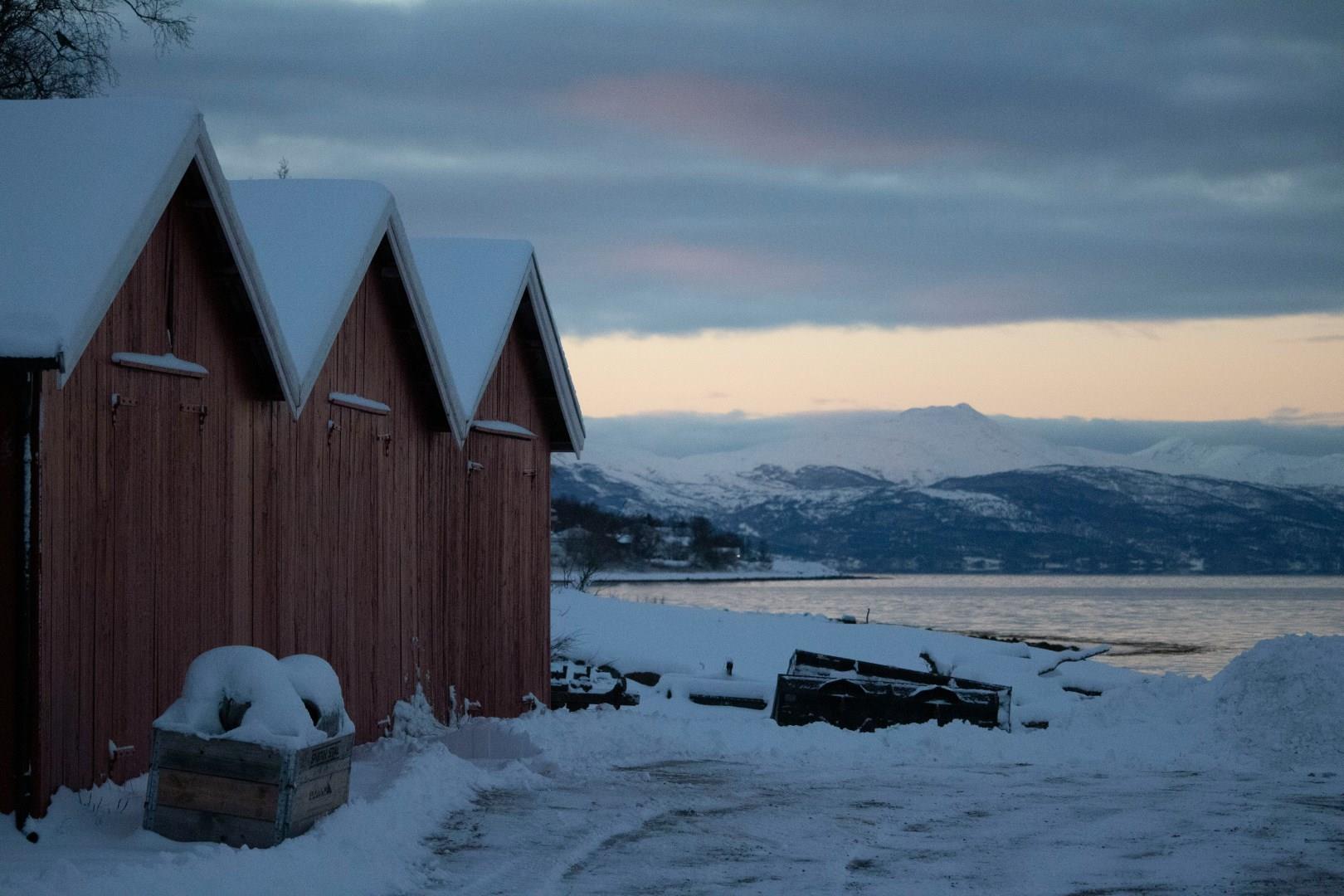
Narvik
Narvik’s most striking features is its natural setting. The town sits between steep fjords and rugged mountains, making it one of the few places in Norway where visitors can ski with ocean views. Narvikfjellet, the local mountain resort, operates in both winter and summer. During the colder months, it's popular for alpine skiing and northern lights viewing; in summer, the gondola runs for hikers and photographers eager to take in views of the Ofotfjord from the summit.


