

Vernon
Vernon, located in the picturesque Normandy region along the banks of the Seine River, is a charming town that offers a delightful mix of history, culture, and natural beauty.

Dominica
Dominica, known as the “Nature Island of the Caribbean,” is a haven for eco-tourists and adventure seekers. Nestled between the French islands of Guadeloupe and Martinique, this lush island boasts a remarkable landscape of volcanic mountains, dense rainforests, and stunning waterfalls. Dominica’s most iconic natural wonder is the Boiling Lake, the second-largest hot spring in the world.

Caribbean Sea
The Caribbean Sea, a gem nestled between the Caribbean islands and the coastlines of Central and South America, offers a breathtaking escape into a world of azure waters and tropical allure. Encompassing over 2.5 million square kilometers, this sea is renowned for its crystal-clear waters, vibrant coral reefs, and idyllic islands.

Flåm
Flåm is a charming village nestled in the breathtaking fjords of Norway. Highlights include the Flåm Railway Museum, Fretheimshaugane park, and Otternes Bygdetun, a remote farm dating back to the 18th century.
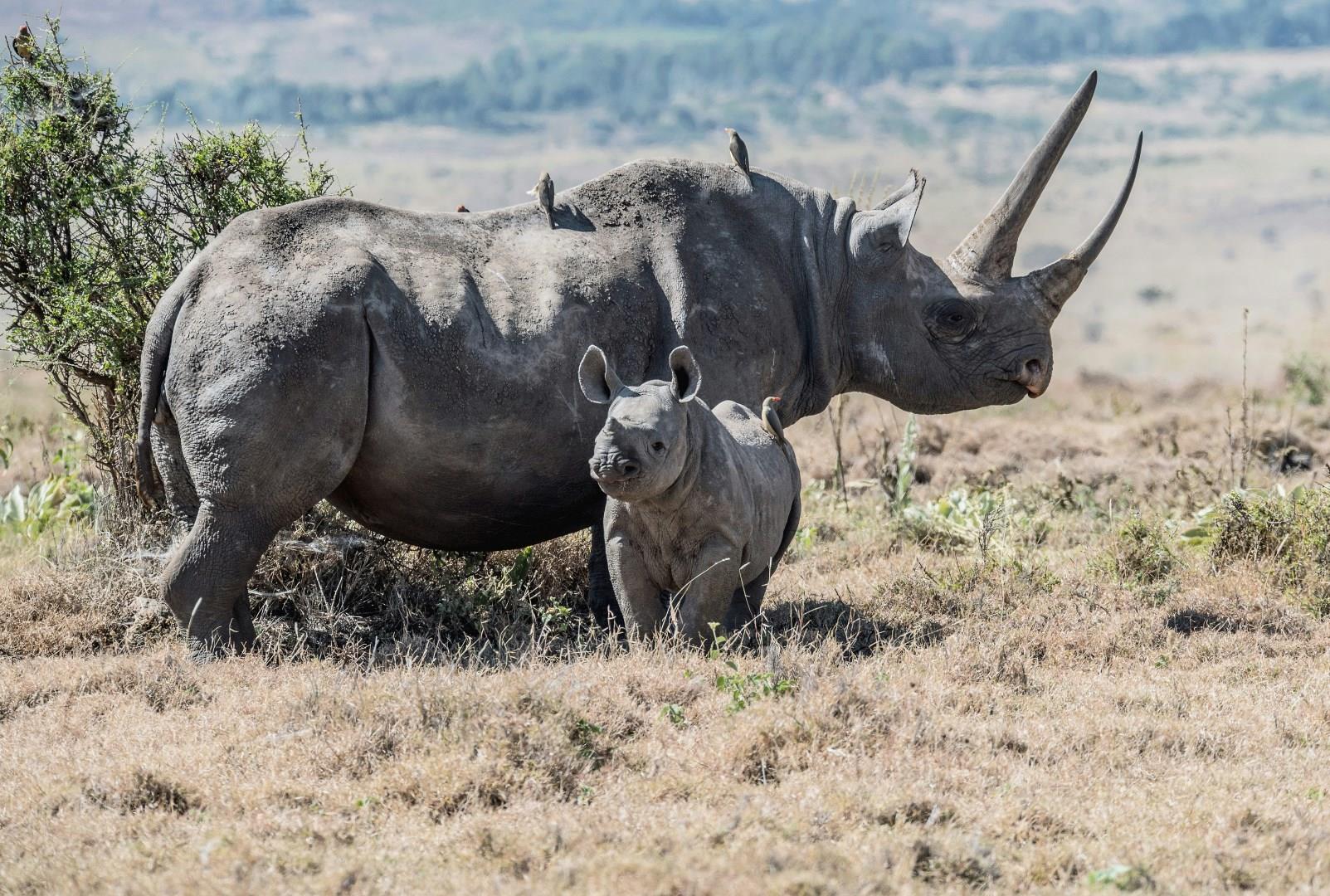
Lewa Wildlife Conservancy
Lewa Wildlife Conservancy lies in northern Kenya at the foothills of Mount Kenya, where open savannah, wooded hills, and seasonal rivers create a varied and striking landscape.


