Niger
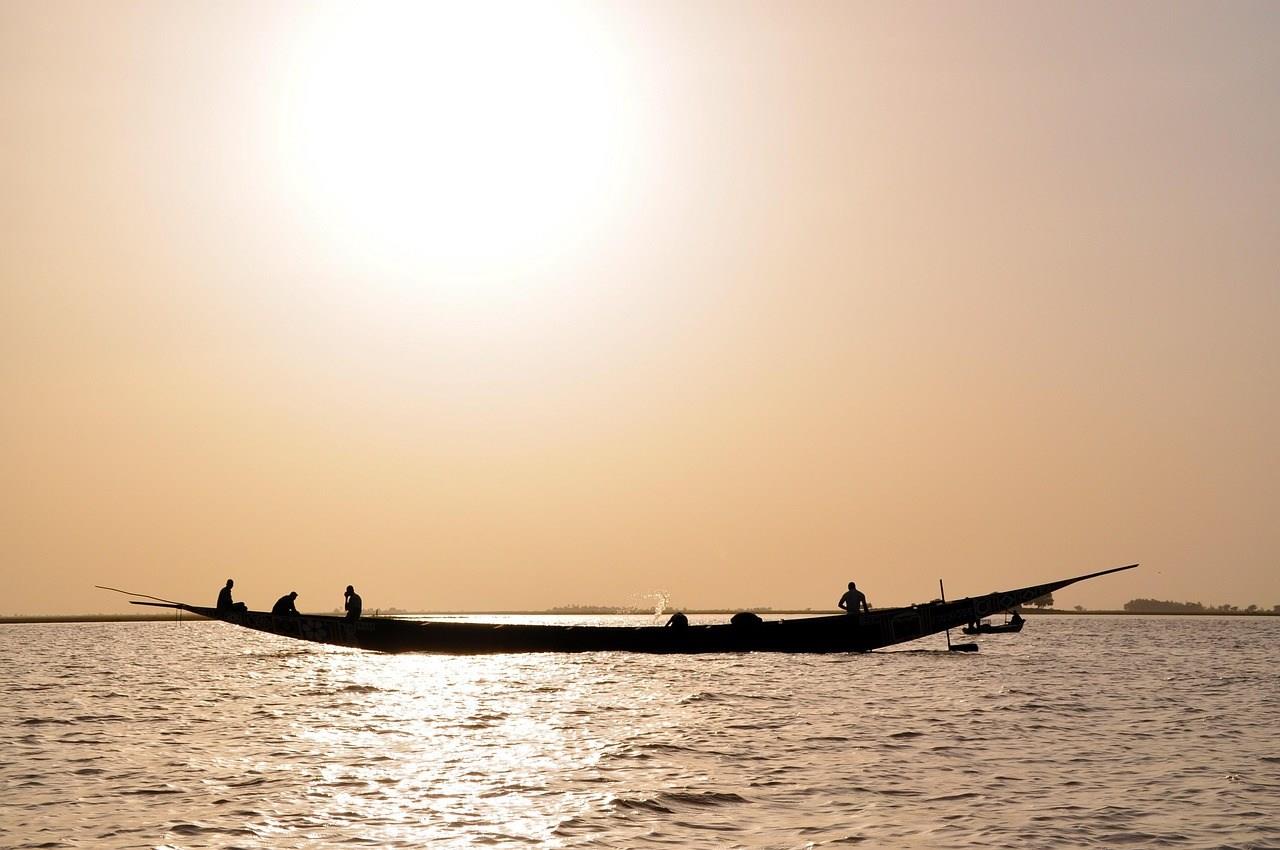
Niger, located in West Africa, is a country of vast landscapes and diverse cultures. Much of its territory is covered by the Sahara Desert, with rolling sand dunes, rocky plateaus, and oasis towns defining the northern regions.
Anacortes
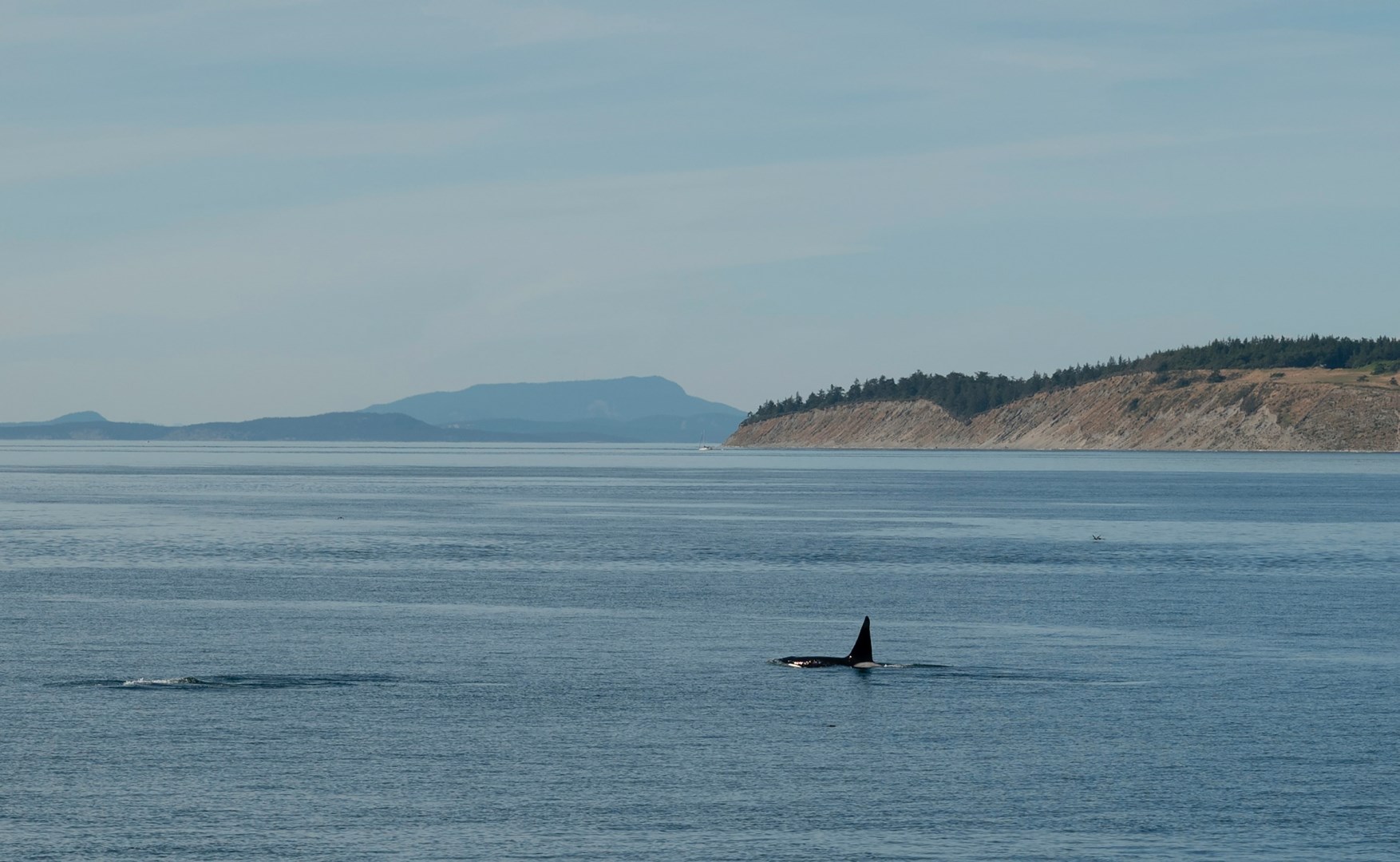
Located North of Seattle, Anacortes is the jump-off point for the fabulous San Juan Islands. The Washington State Ferries take you to the Islands and to Vancouver Island, Canada.Great fishing and sightseeing.

Turku
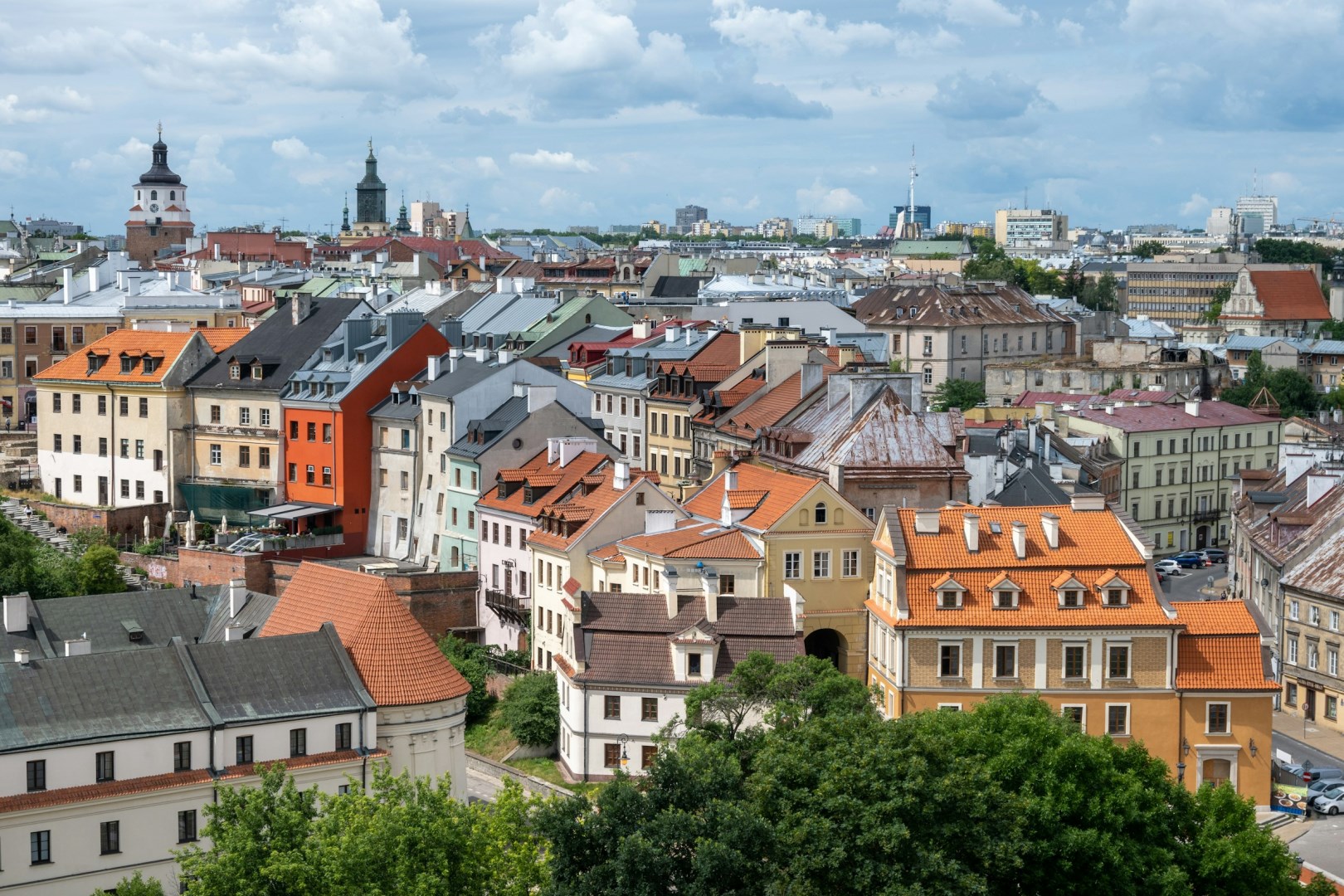
Turku, Finland’s oldest city, is a captivating blend of rich history and contemporary charm. Established in the early 13th century, Turku is renowned for its medieval architecture, including the majestic Turku Castle.
Dorrigo National Park
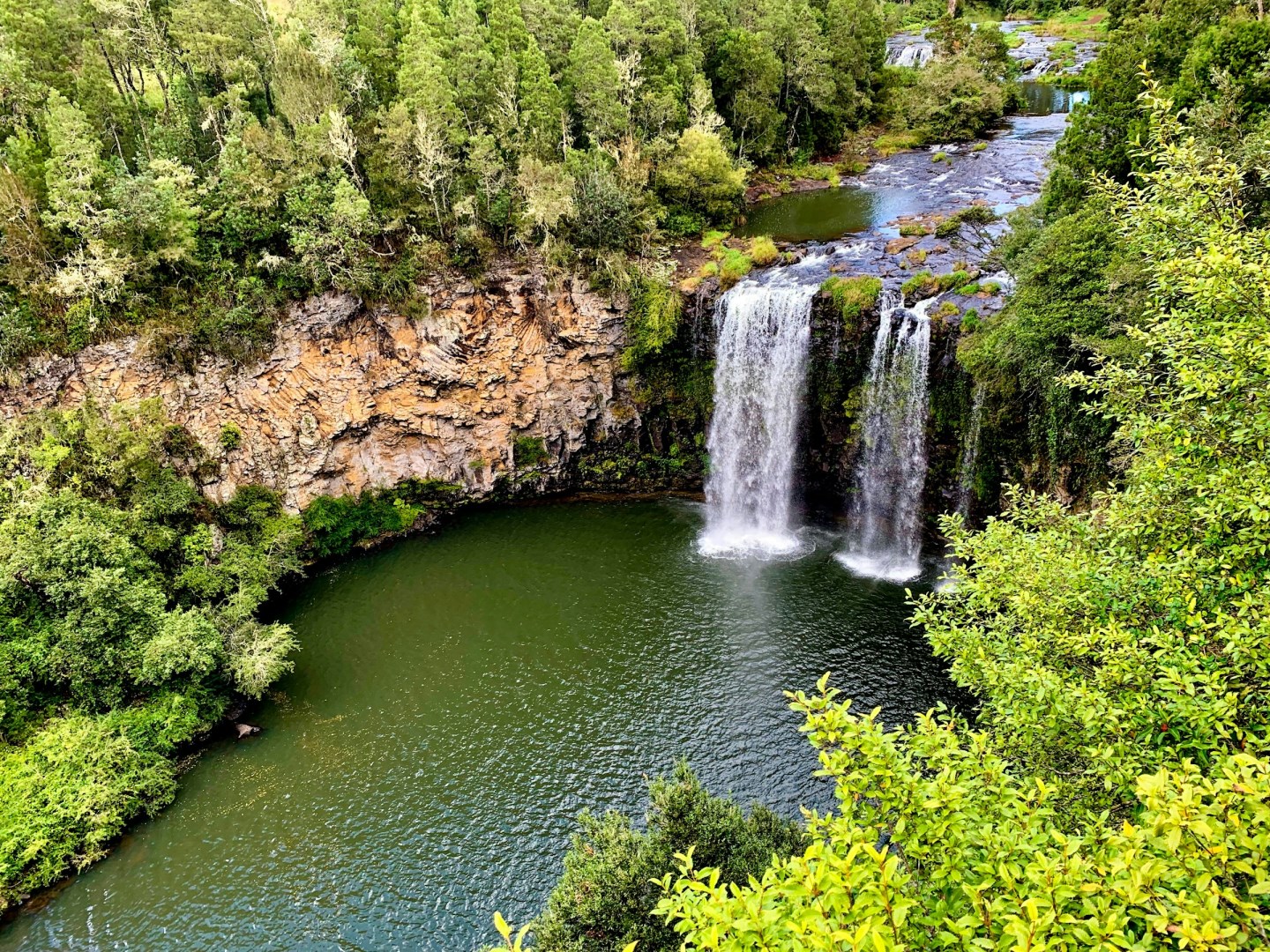
Dorrigo National Park lies on the escarpment of northern New South Wales, about an hour from Coffs Harbour, where subtropical rainforest covers steep valleys and high country. The park forms part of the Gondwana Rainforests of Australia World Heritage Area, protecting plant communities that preserve links to ancient forests. Its elevated position creates broad views toward the Bellinger Valley and the coast, while dense forest keeps many walking tracks cool and shaded.
Alifu Dhaalu Atoll
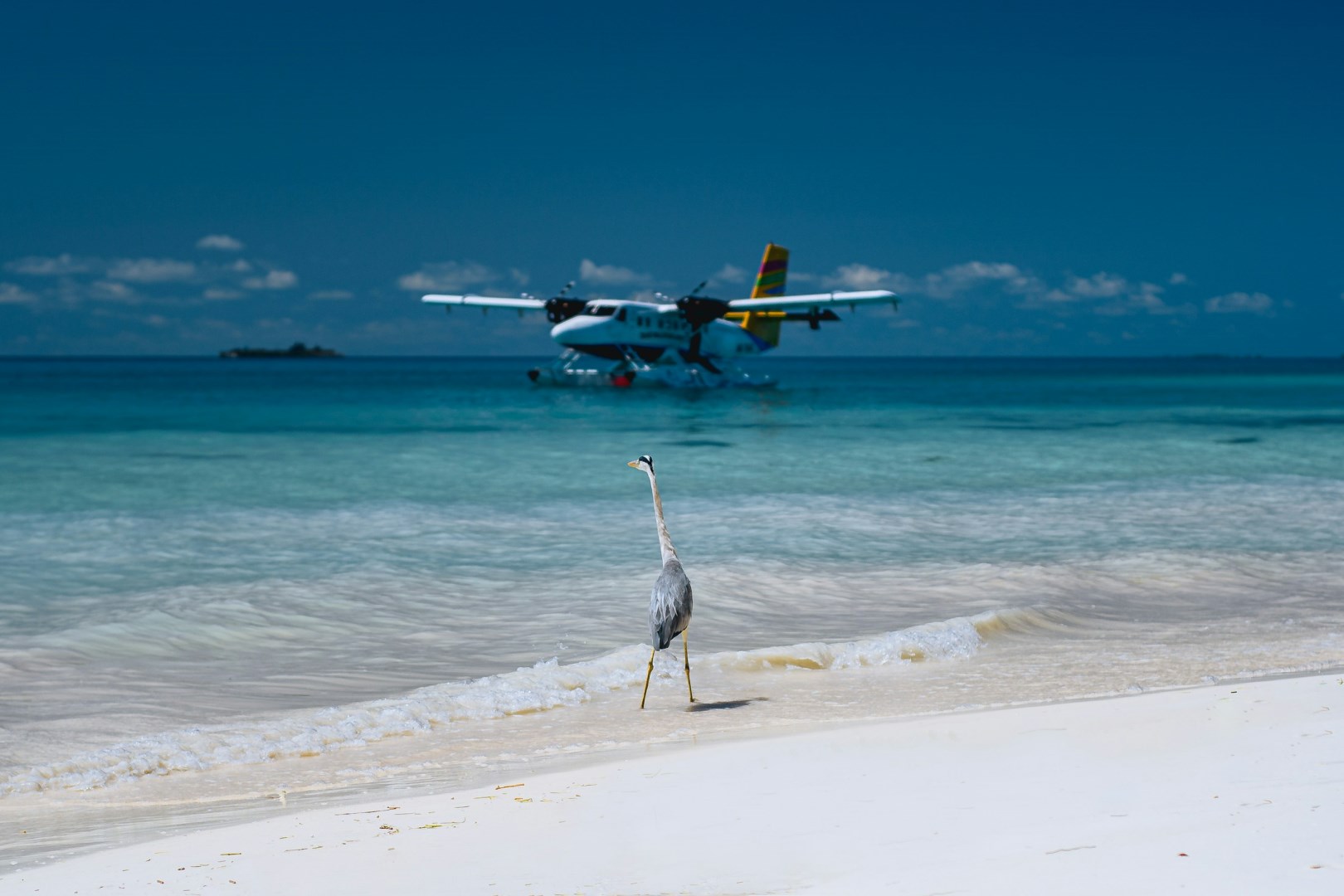
Alifu Dhaalu Atoll, also known as South Ari Atoll, lies southwest of Malé in the central Maldives and includes a mixture of inhabited islands, uninhabited islets, sandbanks, and resort islands. The atoll is surrounded by coral reefs and clear lagoon waters, while many of its inhabited islands retain compact communities shaped by fishing and maritime traditions. Mahibadhoo serves as the administrative capital, with Dhangethi, Dhigurah, Omadhoo, and Mandhoo among the better-known local islands.