Golubac
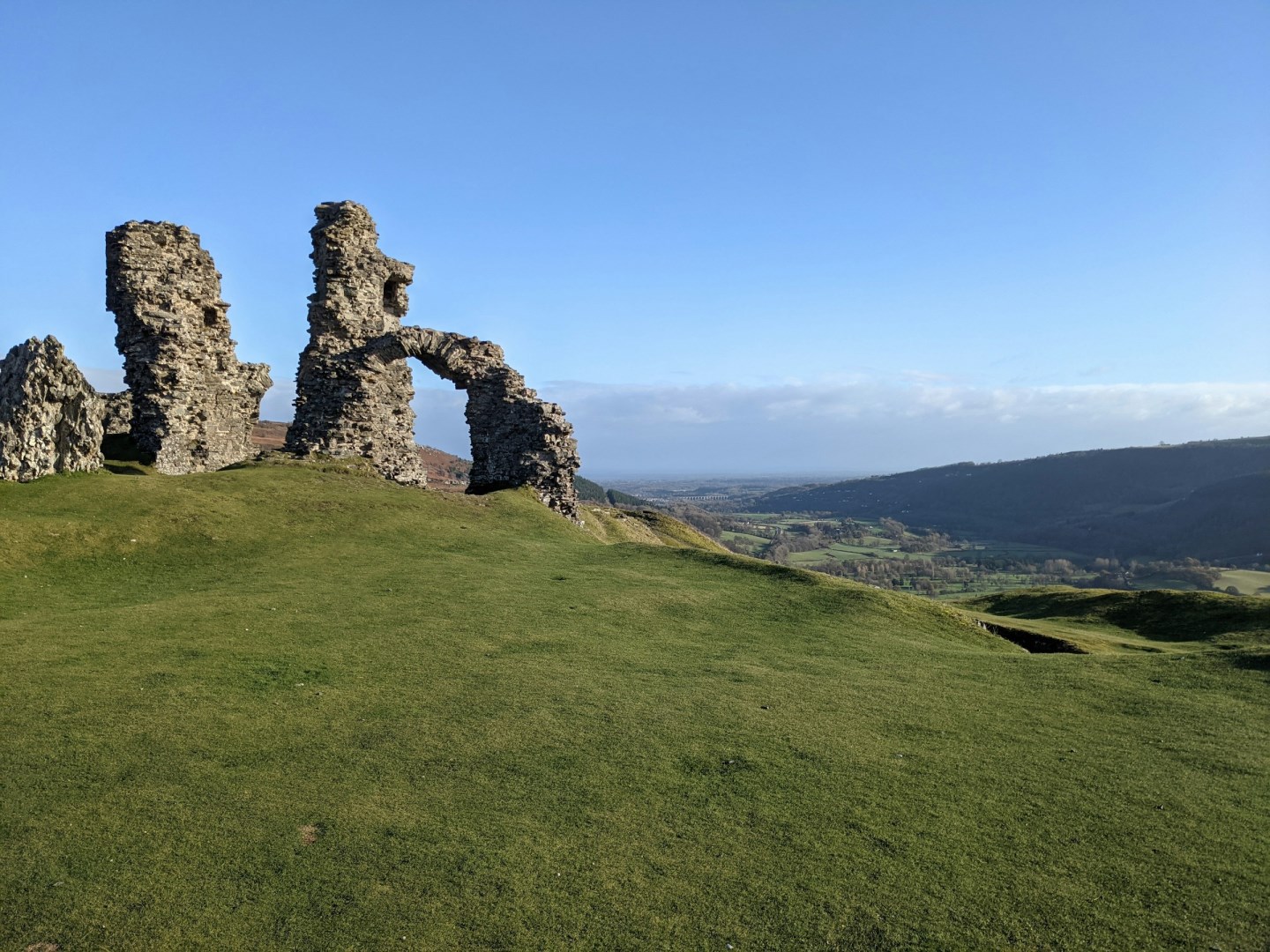
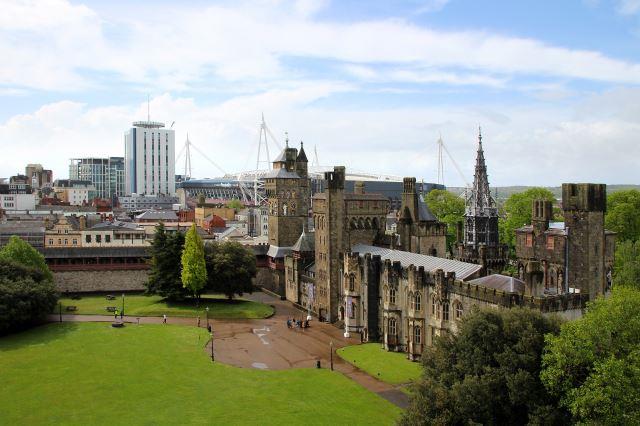
Golubac, a picturesque town on the banks of the Danube River in Serbia, is a destination known for its rich history and stunning natural beauty. The town is home to the Golubac Fortress, a medieval stronghold dating back to the 14th century, which offers stunning views of the Danube and the surrounding landscapes.

Christchurch
Welcome to Christchurch, a picturesque city with English heritage. Here, the new mixes with the old in enchanting ways, with edgy modern architecture and old buildings sitting side by side
Mulanje
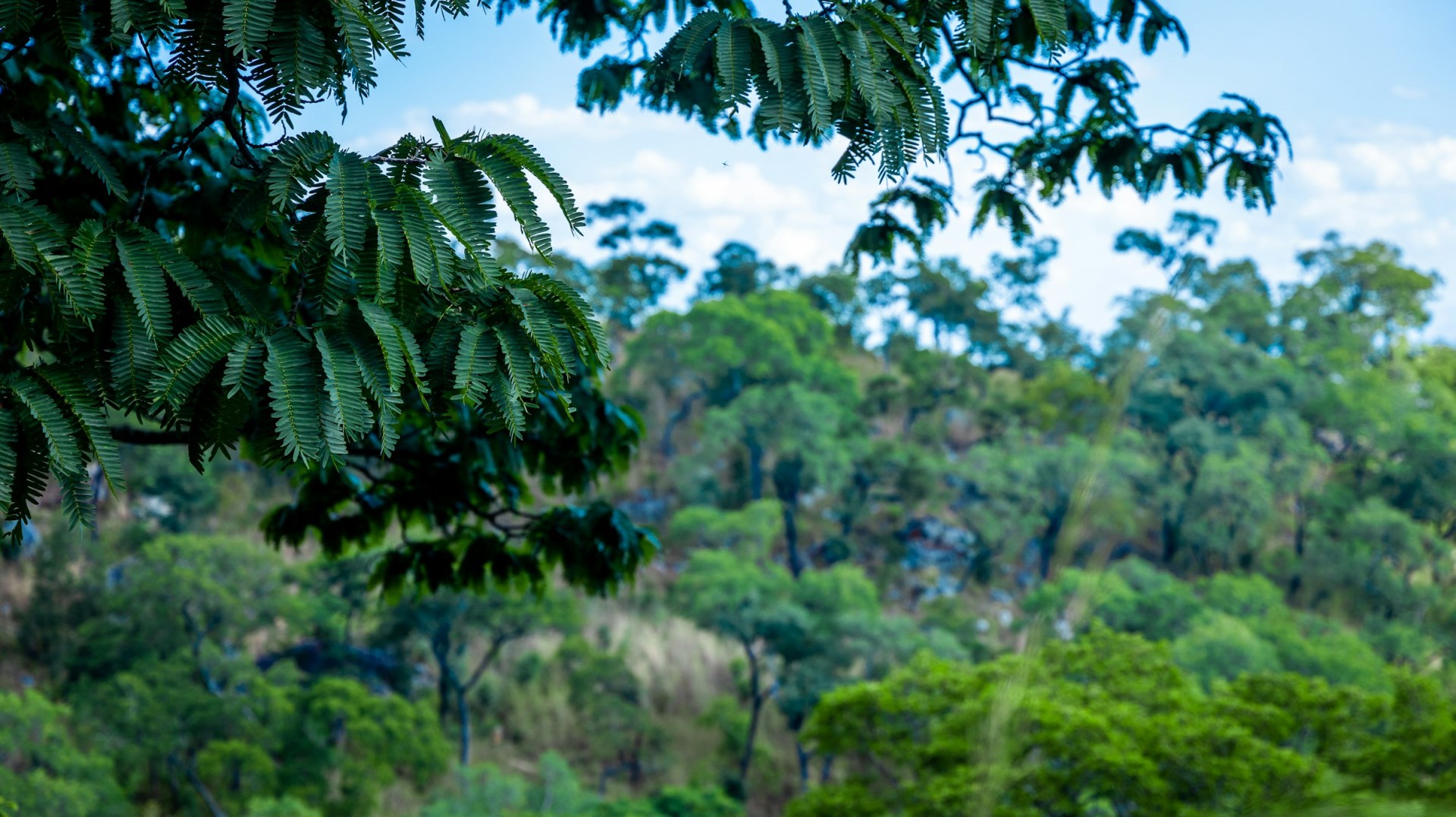
Mulanje is a town in southern Malawi at the foot of Mount Mulanje, a large isolated massif that rises sharply above the surrounding tea-growing plains. The mountain is known locally as Mulanje Mountain and includes a series of granite peaks, forested slopes, valleys, streams, and waterfalls. Sapitwa, the highest summit, reaches about 3,002 meters and is the highest point in Malawi.
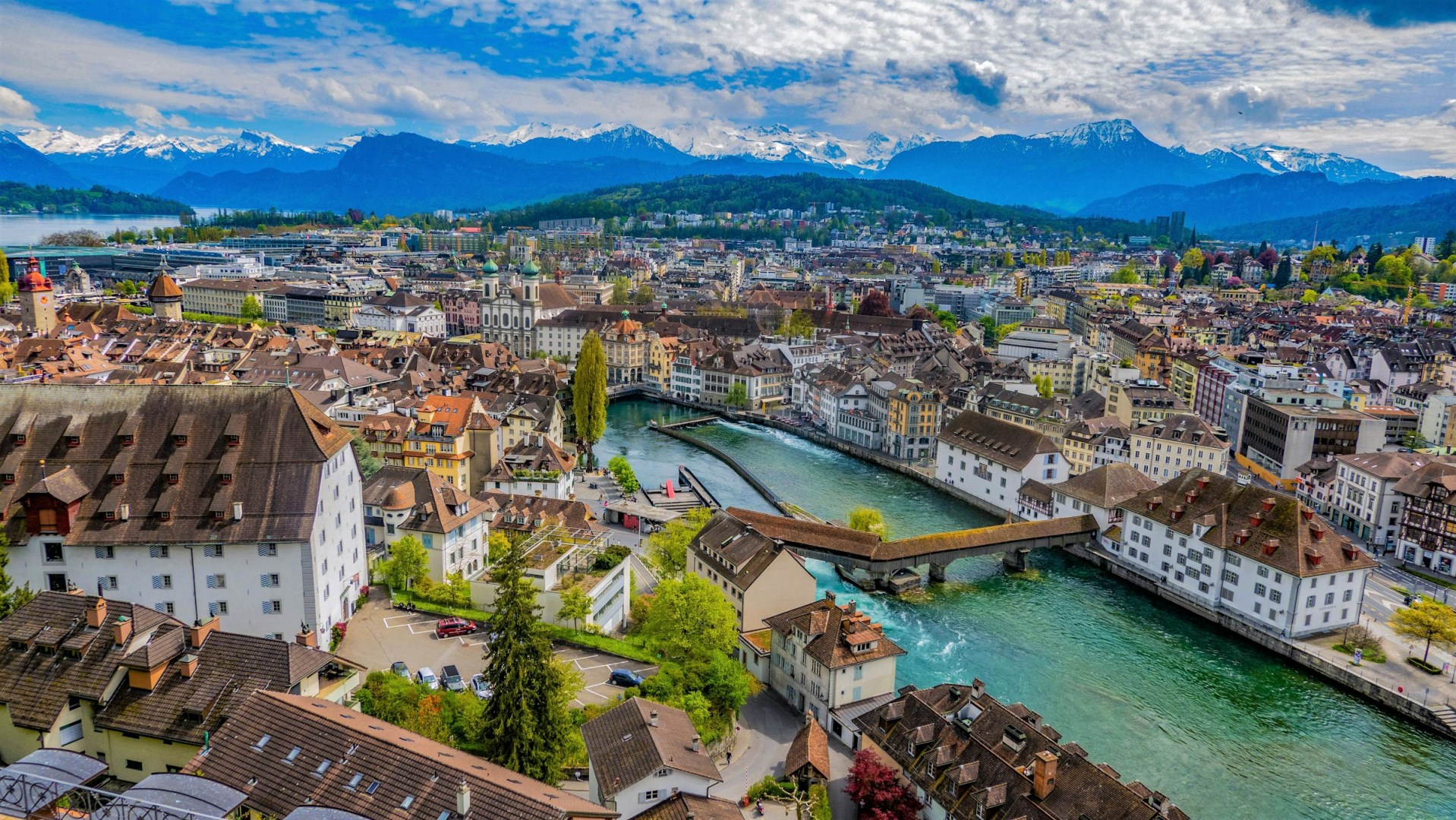
Lucerne
Behold beautiful Lucerne! This German-speaking area of central Switzerland on Lake Lucerne is a truly spectacular locale. Surrounded by mountains and notable for its famous Chapel Bridge, this idyllic and musical Swiss locale is wonderful any time of year.
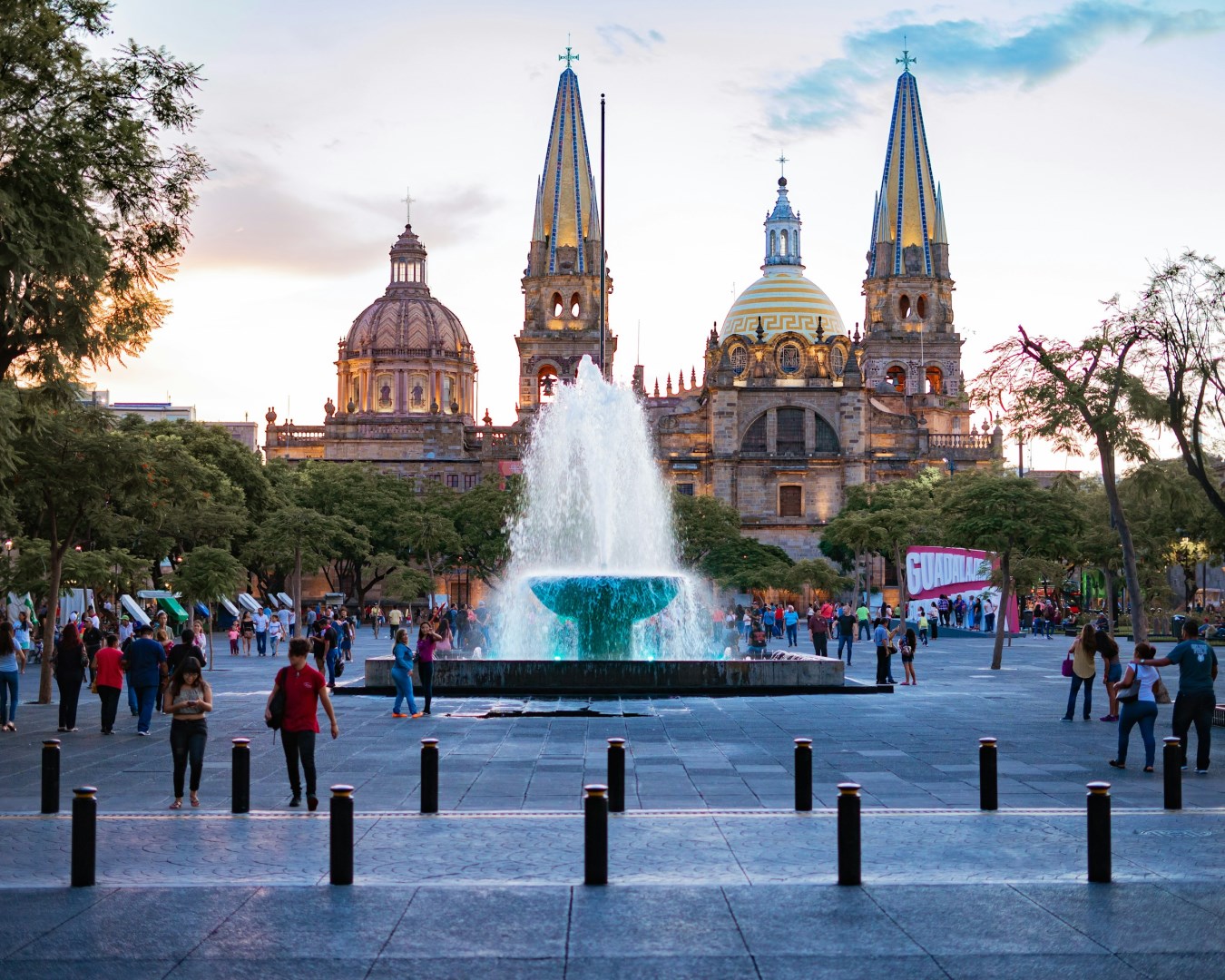
Guadalajara
In the central highlands of Mexico lies a rich city, with a culture as colorful as its past. Guadalajara, Mexico's second largest city, may be best known for its tequila, mariachis and the hat dance, all part of its celebrations. The downtown area is dominated by a huge public square, the Plaza del la Liberacion. Guadalahara's most impressive historical sights are found along this square, as well as museums tracing Mexico's long history.