Pinhão
Pinhão, nestled in the heart of Portugal’s Douro Valley, is a small town with a big reputation for its world-renowned port wine and stunning landscapes. Surrounded by terraced vineyards that cascade down to the banks of the Douro River, Pinhão is a paradise for wine lovers and nature enthusiasts alike.
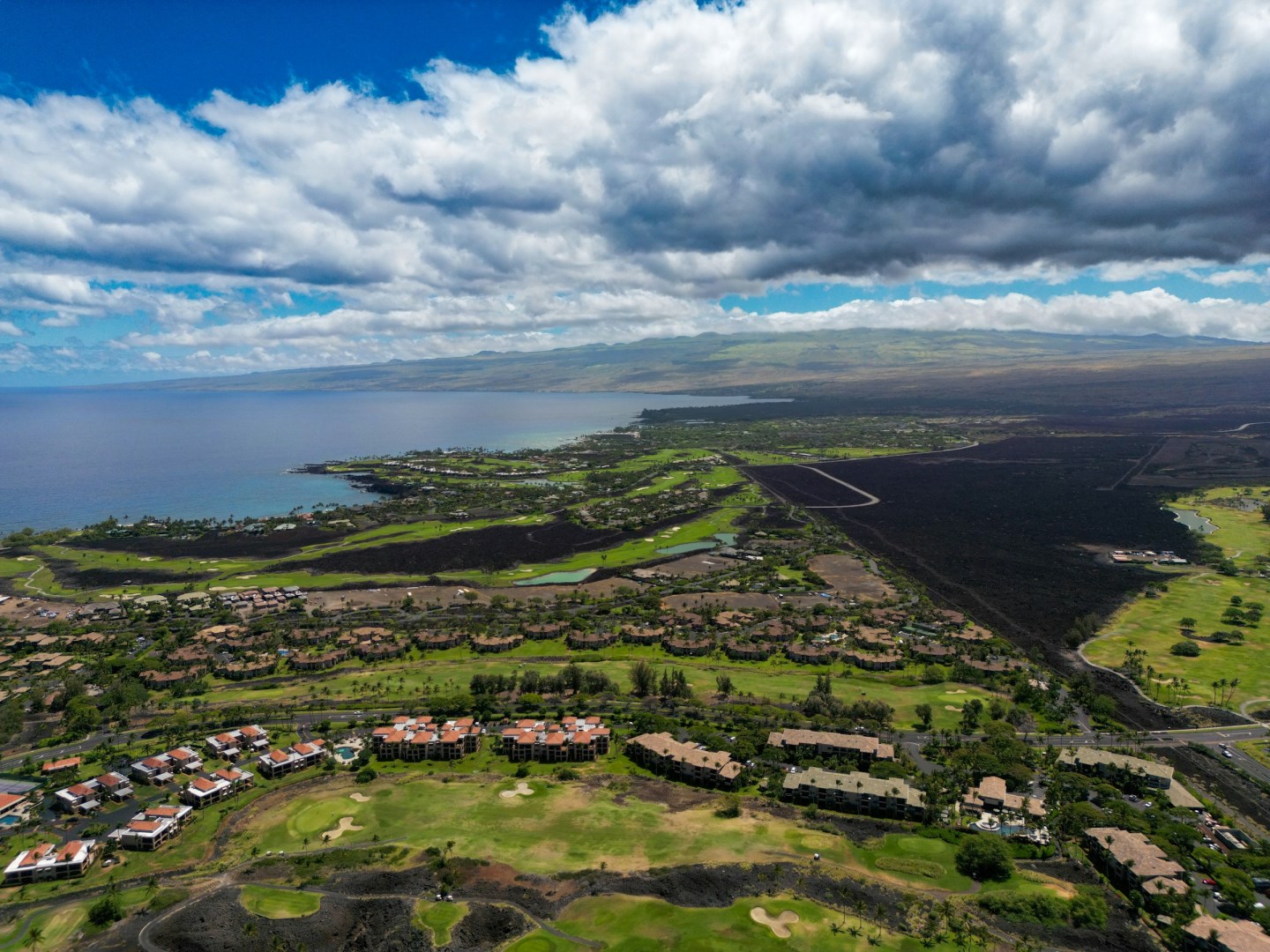
Kohala Coast, Hawaii
Over the last few years, the Kohala Coast on the Big Island's northwest side has become Hawaii's leading luxury resort destination. Spread along some 20 miles of spectacular warm, dry lava desert coastline north of Kailua-Kona are the magnificent resorts. Enjoy world-class luxury accommodations with vacation activities like golf, tennis, water sports, and fine dining.
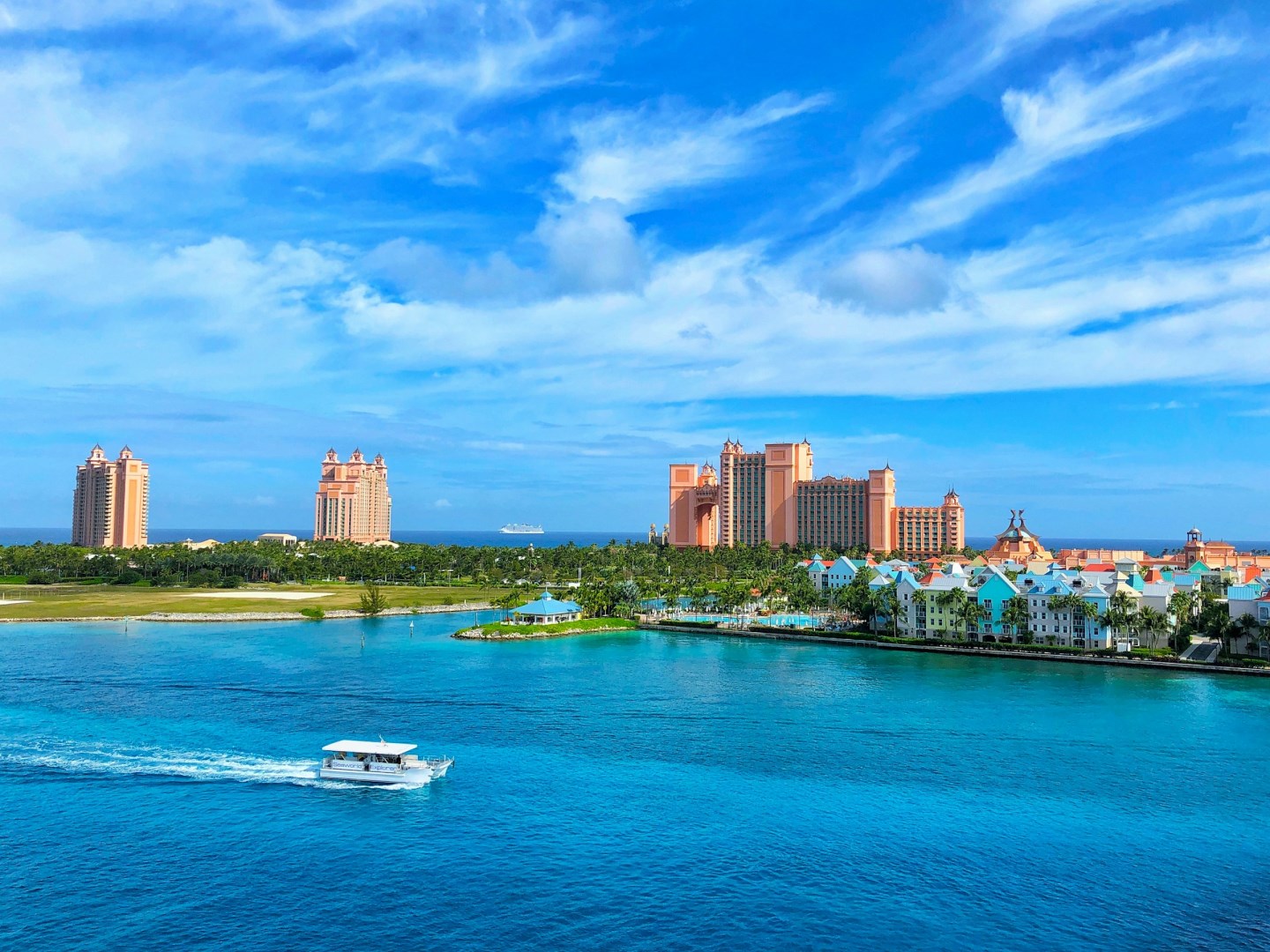
Paradise Island
For a unique exciting vacation explore Paradise, with resorts, casinos and exciting nightlife on an island formerly called "Hog." Its transformation is not unlike Cinderella's putting on the glass slipper. For years the island stood completely undeveloped, its beaches and tropical splendor unnoticed by the world. Suddenly, with the addition of luxurious hotels and a sparkling casino, it was transformed into one of the most glamorous and celebrated resort centers in the world.

Dakar
Dakar, the lively capital of Senegal, stands at the edge of the Atlantic Ocean on the Cape Verde Peninsula. As the westernmost city on the African mainland, it has long been a crossroads of cultures, trade, and ideas.

Portofino
Portofino, Italy, is a jewel on the Italian Riviera, famed for its colorful buildings, glamorous yachts, and charming harbor. This picturesque fishing village, with its pastel-colored houses that cascade down to the emerald-green waters, exudes a quaint yet luxurious atmosphere. The Piazzetta, the heart of Portofino, is a lively square where visitors can sip an espresso or enjoy fresh seafood while watching the elegant boats bobbing gently in the harbor.