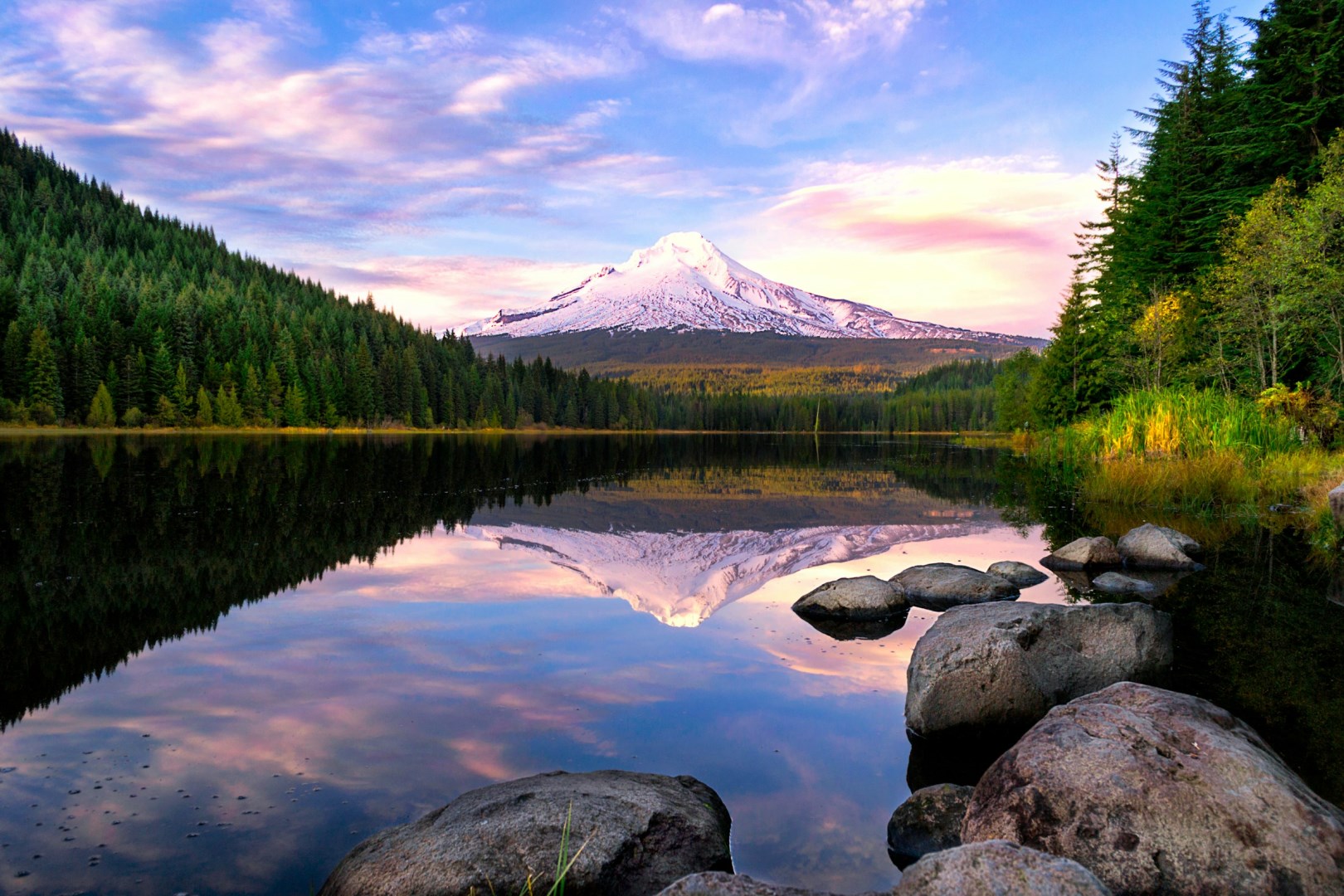
Nestled in the heart of the Pacific Northwest, Mt. Hood, Oregon, is a stunning natural playground renowned for its diverse outdoor activities and breathtaking landscapes. In winter, Mt. Hood transforms into a skiing and snowboarding paradise at Timberline Lodge, which boasts the longest ski season in North America. The lodge itself is a historic gem, built in the 1930s and featured in the iconic film "The Shining."
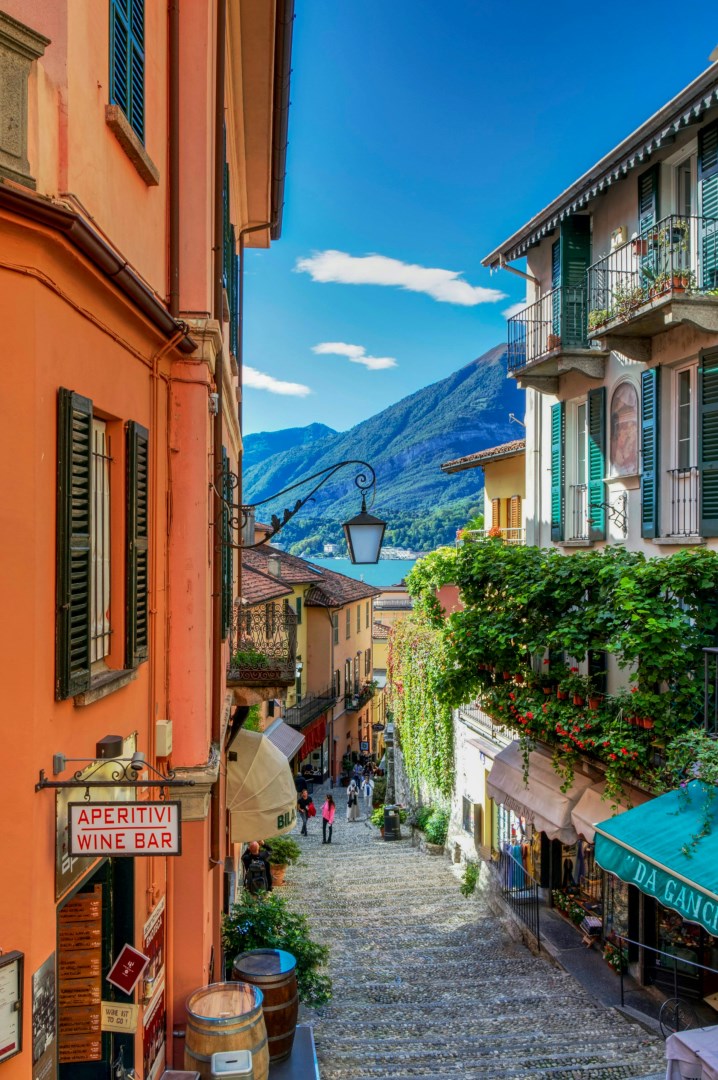
Perched at the meeting point of Lake Como’s three branches, Bellagio is often called the “Pearl of Lake Como” for its spectacular setting and timeless elegance. This Italian village has been a retreat for centuries, drawing poets, aristocrats, and travelers alike with its harmonious blend of natural beauty, refined architecture, and relaxed sophistication.
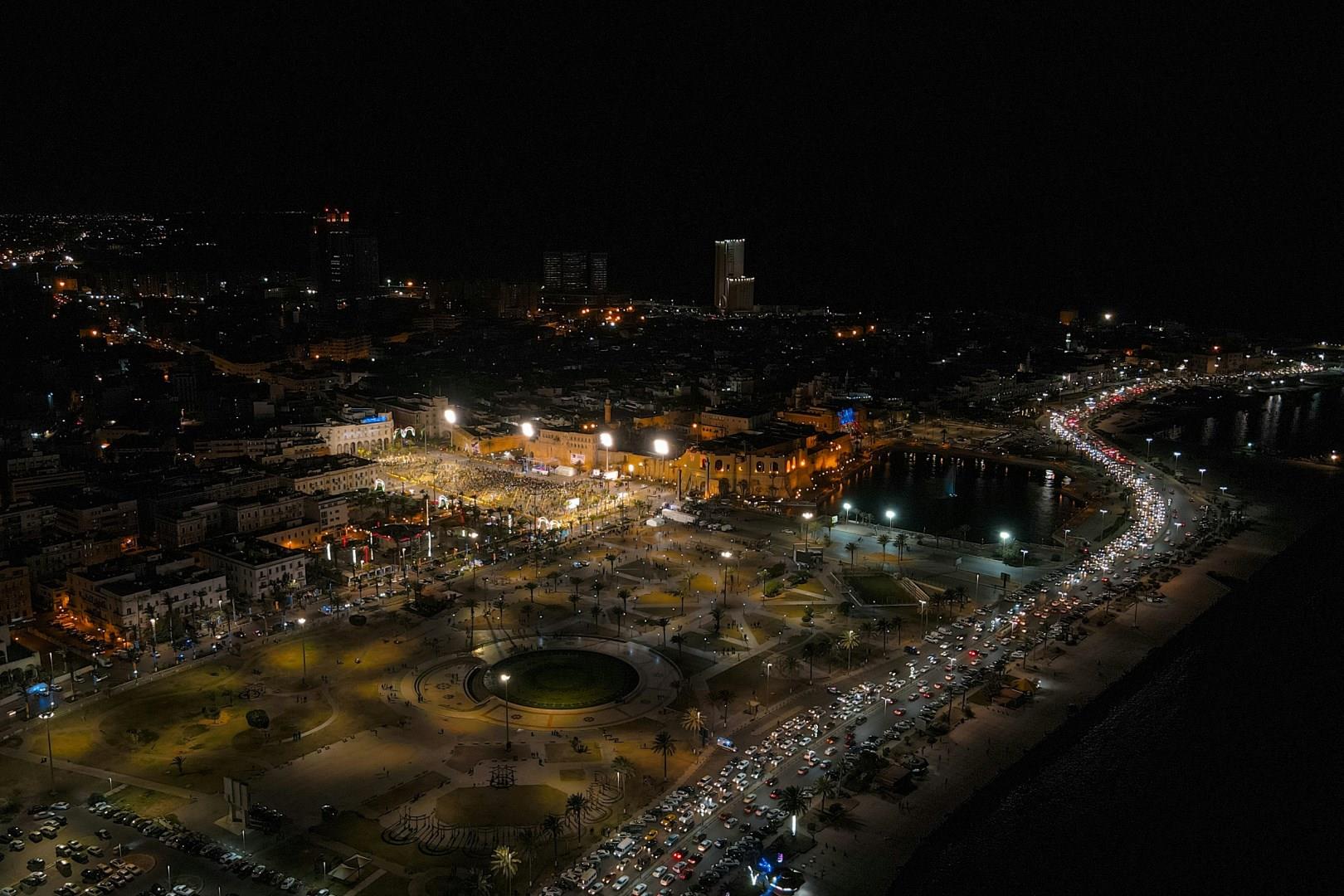
Libya, located in North Africa along the Mediterranean coast, is a country of vast deserts, ancient history, and dramatic landscapes. Much of its terrain is dominated by the Sahara Desert, with sand dunes, rocky plateaus, and oases shaping life across the country.

Lake Atitlán, nestled in the Guatemalan Highlands, is a breathtaking destination that offers a unique blend of natural beauty, indigenous culture, and adventure. Formed in a massive volcanic crater, this lake is often touted as the most beautiful in the world, surrounded by dramatic cliffs, verdant hills, and three towering volcanoes: San Pedro, Tolimán, and Atitlán.
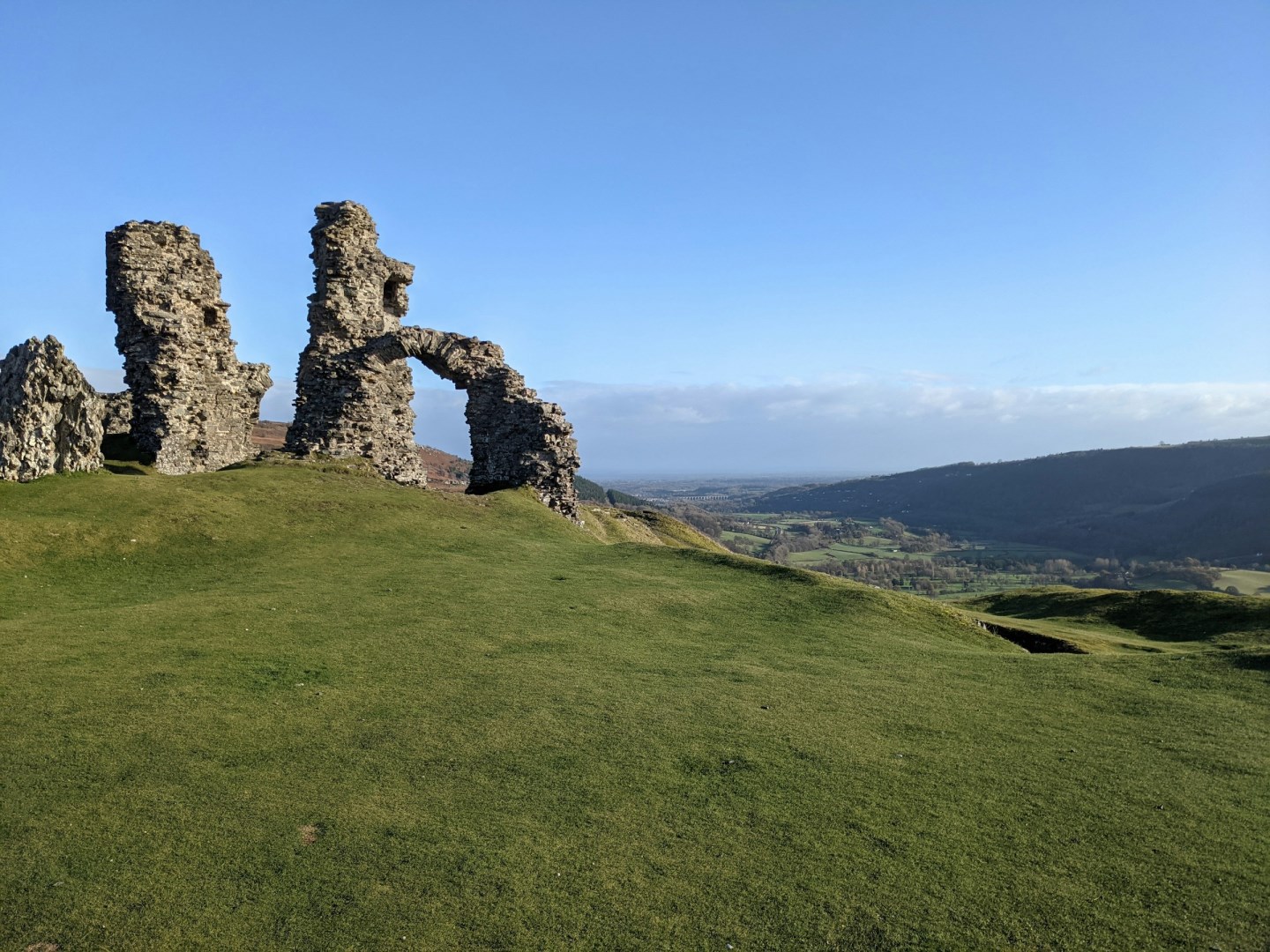
In common with so many ancient Welsh towns, Llangollen takes its name from its founding Saint; Collen, a seventh century saint, who chose this place to build his hermitage or cell in the custom of the times, with tiny church, hospice and outhouses all enclosed within a wall.
The Welsh word Llan means an enclosure - not church as so often wrongly translated - hence the town name Llangollen -'Collen's Enclosure. Eventually the original wooden church building was rebuilt in stone but the tower remained of wooden construction until 1749, by 1863/4 the church had grown into the building we see today and the town developed around it. The famous Dee Bridge, was built by Bishop Trevor of Trevor Hall in I345. Llangollen was 'literally' put on the
map because of its prominent position on the very important London to Holyhead coaching road, much improved by Thomas Telford in 1815 and now perhaps best known as the 'A5'. His full programme of ímprovements continued for 15 years and this, together with the construction of his newly completed canal brought about considerable immigration into
Llangollen during the early part of the 19th century.
Improved communications and natural resources made the town a splendid location for newly developing industries. The old Water Mill opposite the Railway Station had already functioned for hundreds of years when a new Flannel Mill was erected at the north end of Church Street on a site later to be occupied by a tannery after the business had expanded
and moved across the river to Lower Dee Mills.