Capri
Capri, a jewel of the Tyrrhenian Sea, has long been a favorite retreat for emperors, artists, and writers. This enchanting island off Italy's Amalfi Coast captivates with its dramatic cliffs, turquoise waters, and timeless elegance. The most iconic sight on Capri is the Blue Grotto, a sea cave illuminated by a magical blue light created by sunlight passing through an underwater cavity.
Querétaro
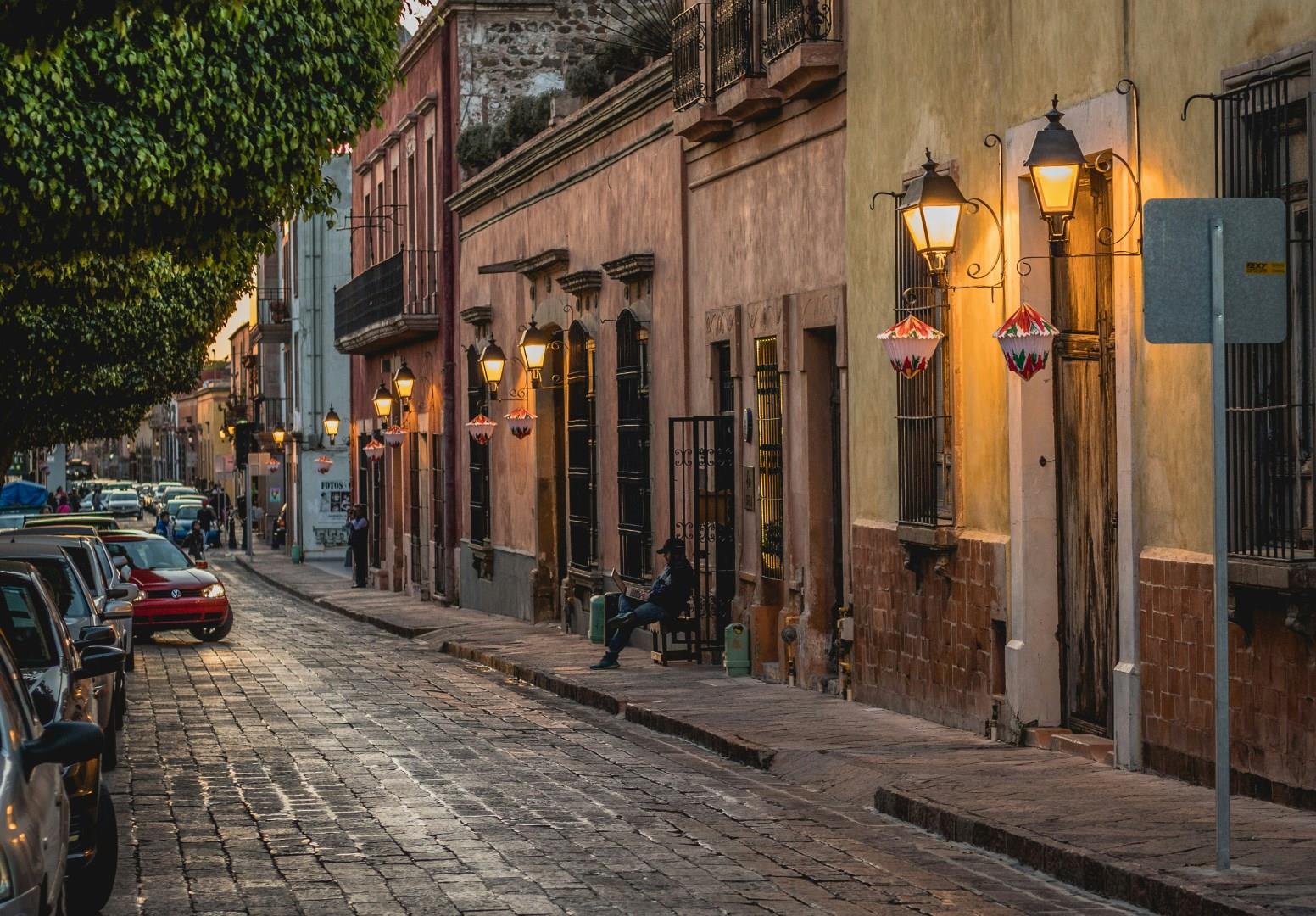
Querétaro, located in the heart of central Mexico, is a city where centuries of history are still visible in daily life. Its historic center, a UNESCO World Heritage Site, features narrow streets, elegant plazas, and baroque churches that reflect its colonial past. One of the city’s most iconic landmarks is the massive aqueduct, built in the 18th century with 74 stone arches stretching nearly a mile across the landscape.

Austria
Austria is located just east of Switzerland; northeast of Italy. The foremost attraction is skiing or hiking the Alps--equally breathtaking whether you're among its glorious peaks or at ground level. Visit the capital of Vienna, with its original coffee houses and the opera; or take a country drive and visit its charming villages.
Basse-Terre
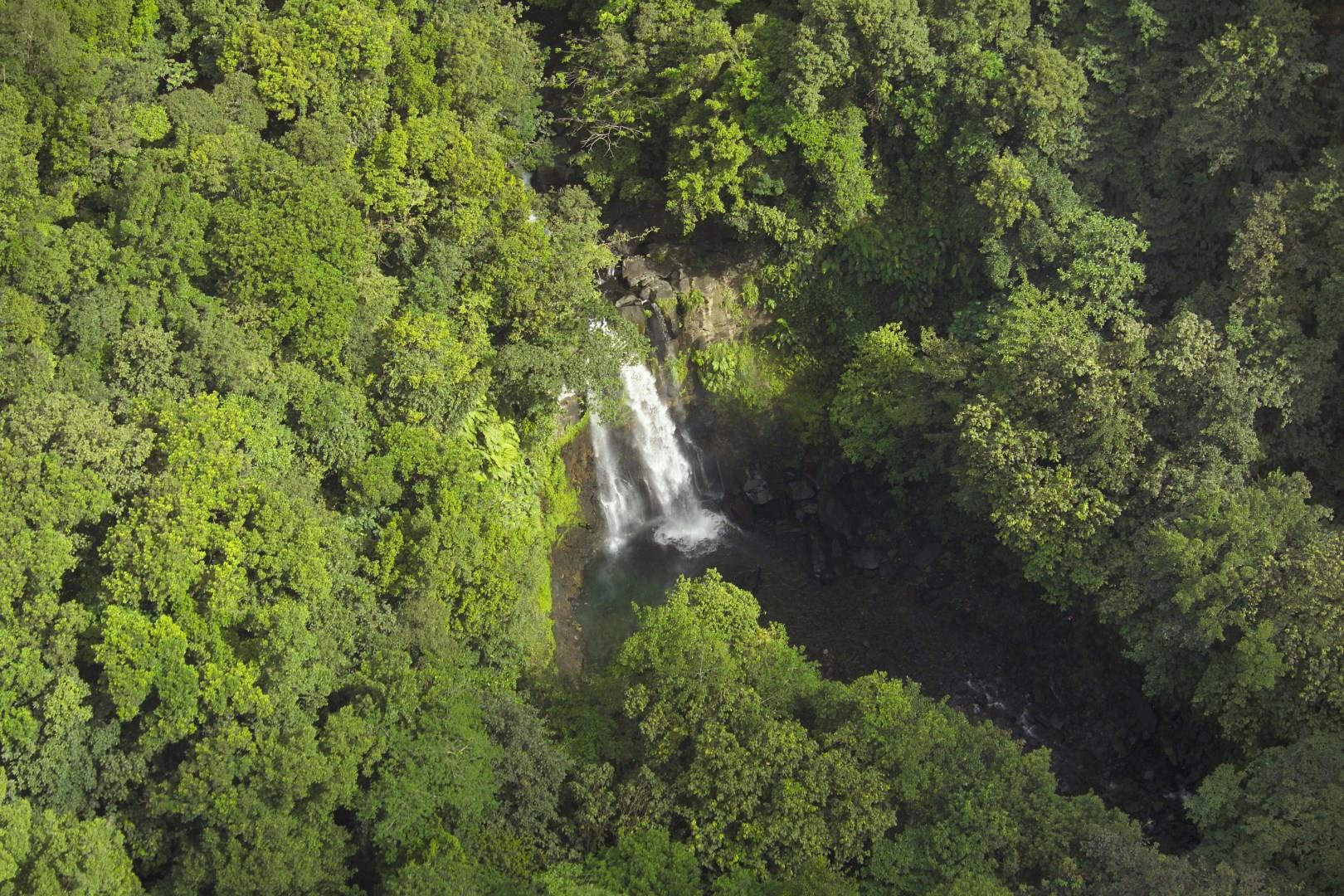
Basse-Terre, the western half of Guadeloupe, is a haven for nature enthusiasts and adventure seekers. Dominated by the towering La Soufrière volcano, the island boasts lush rainforests, dramatic waterfalls, and black sand beaches.
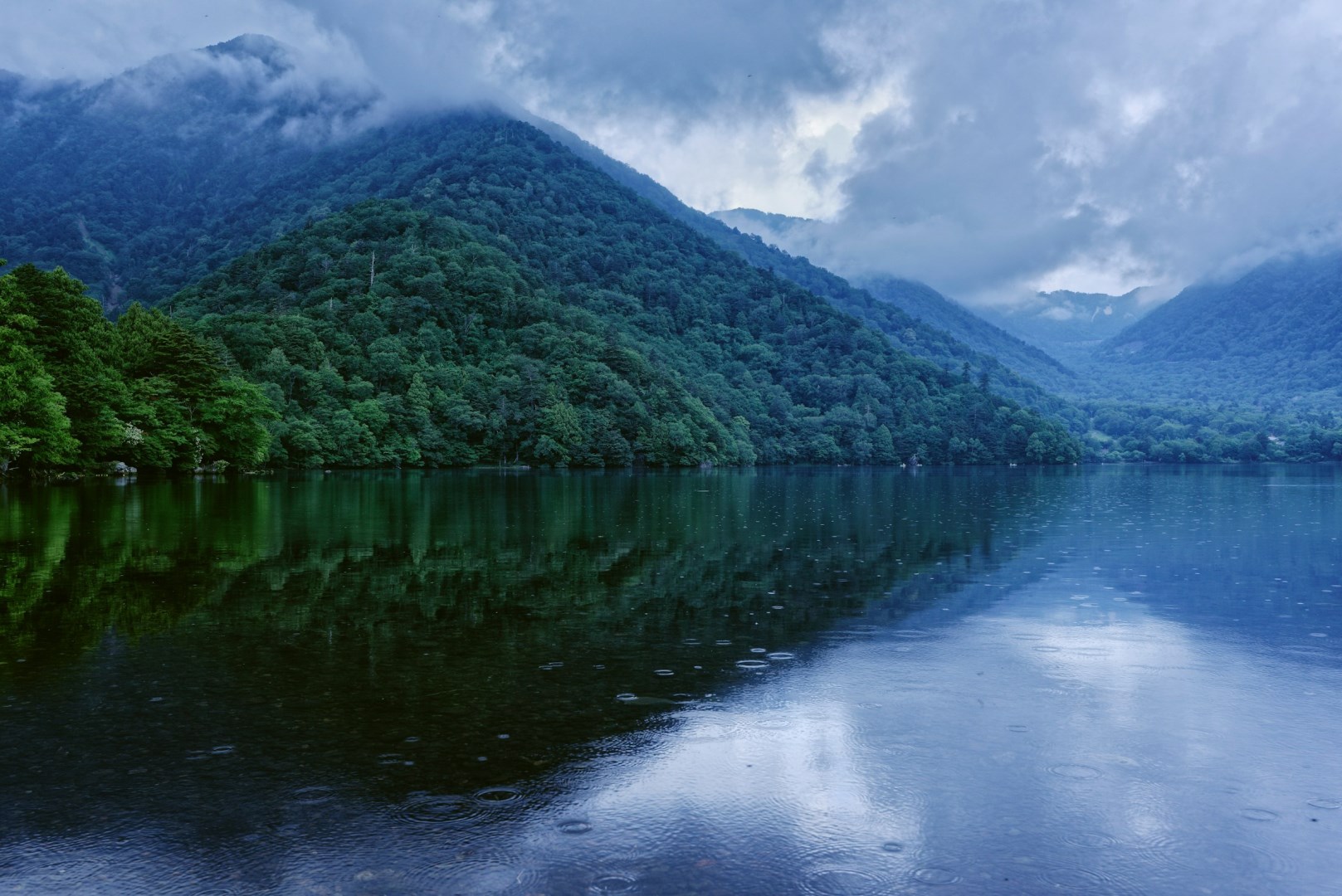
Nikko
Nikko lies in Tochigi, about two hours from Tokyo. Nikko is famous for the large Toshogu shrine area and the nature around the city.