Bogotá
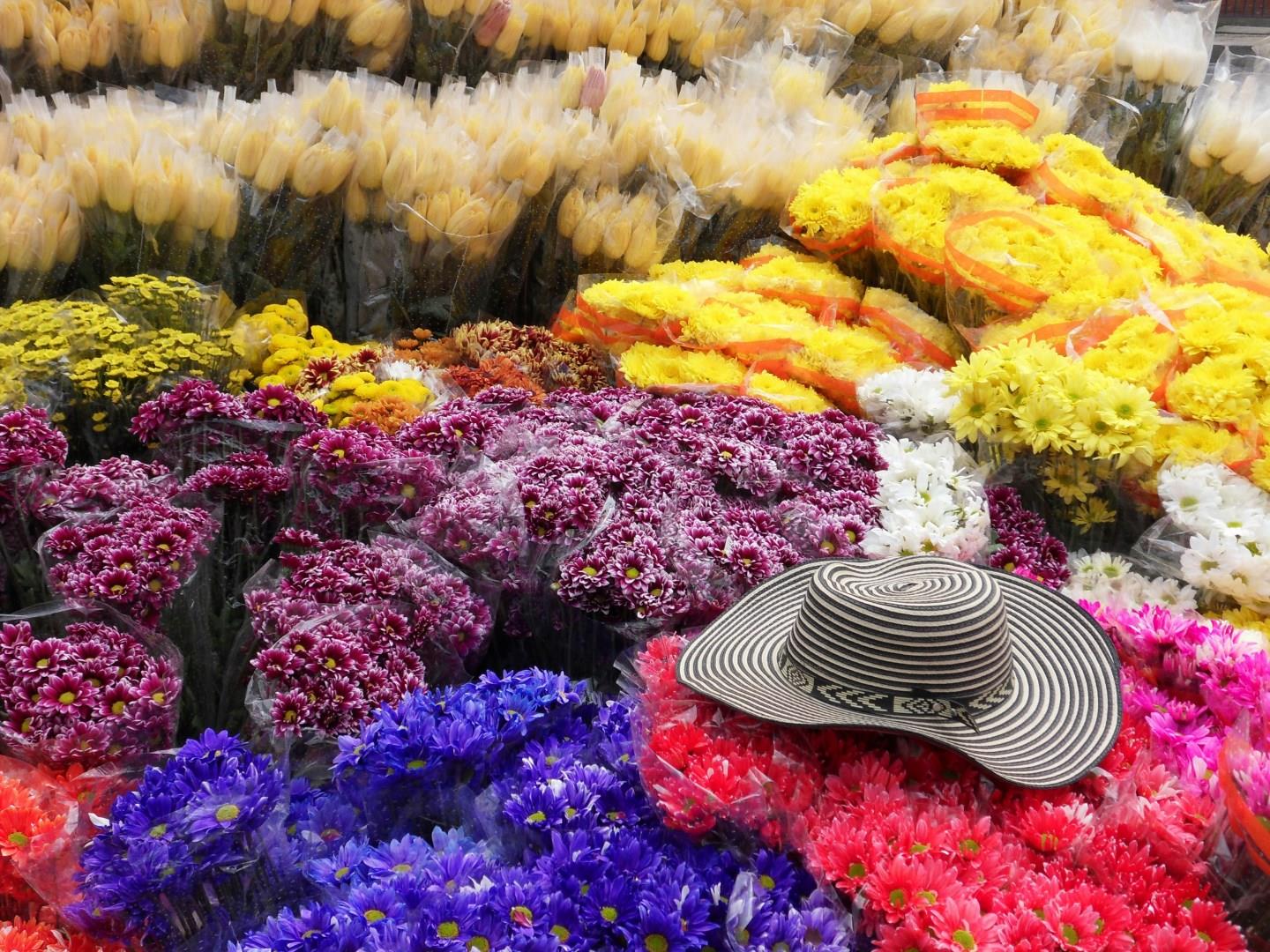
Bogotá, the vibrant capital of Colombia, sits high in the Andes at 2,640 meters above sea level. The city balances historic charm with modern energy, where cobblestone streets meet bold street art and colonial churches stand beside sleek galleries and cafes. At the heart of it all is La Candelaria, Bogotá’s oldest neighborhood, where travelers can visit centuries-old buildings, including the neoclassical Capitol and the richly decorated Gold Museum.
Pulau Ubin
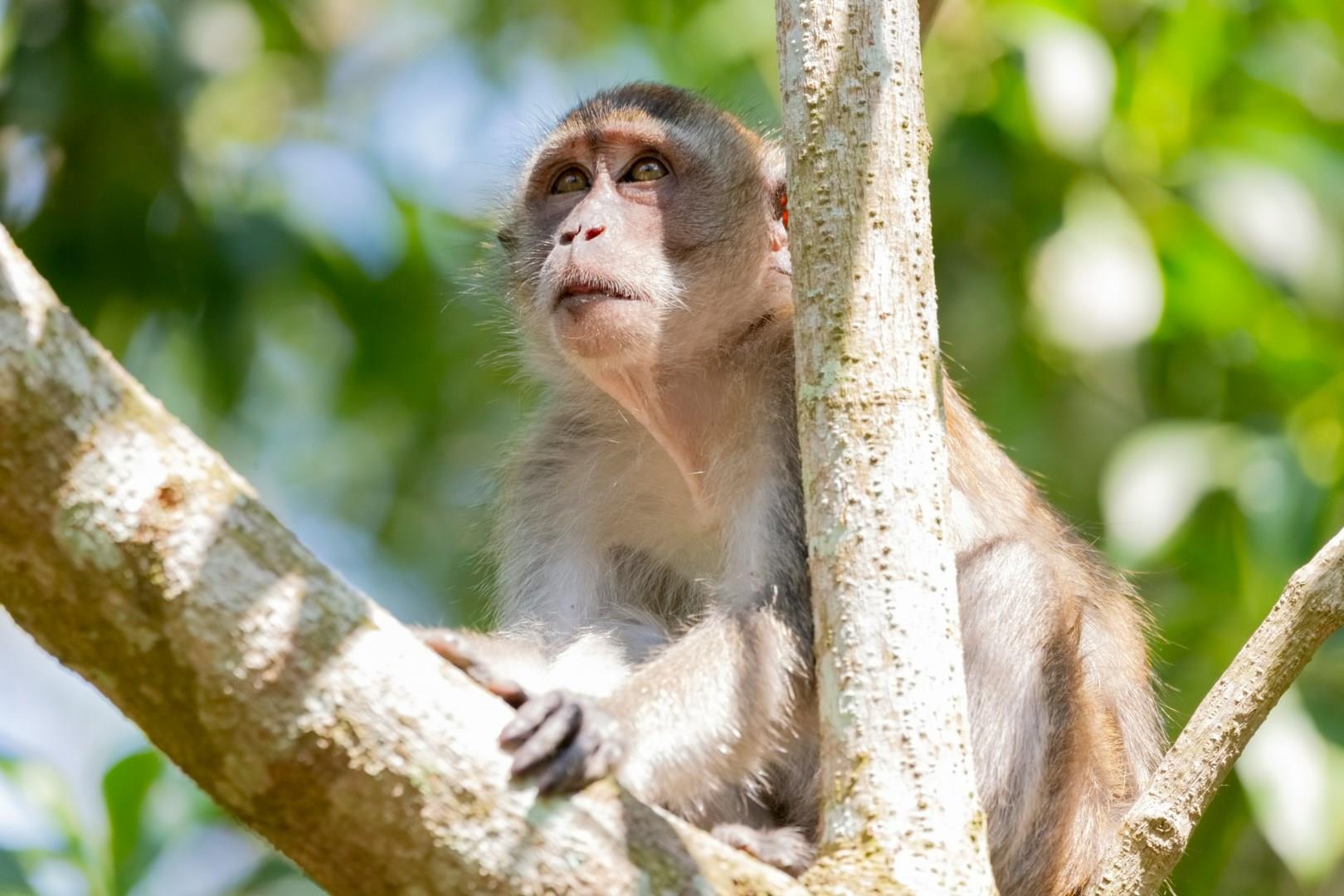
Pulau Ubin, an island northeast of mainland Singapore, offers a glimpse into the country’s past with its preserved kampong (village) atmosphere and rustic landscapes. Unlike the modern cityscape of Singapore, Pulau Ubin retains its traditional charm, with wooden houses, coconut palms, and unpaved roads where bicycles are the main mode of transport.

Otjiwarongo
Nestled in the heart of Namibia, Otjiwarongo offers a unique blend of natural beauty and cultural charm. As a gateway to the country's northern wildlife reserves, this vibrant city serves as an ideal base for exploring nearby attractions. The city is renowned for its proximity to the Cheetah Conservation Fund (CCF), a world-leading organization dedicated to the protection of these magnificent creatures.
Darvaza
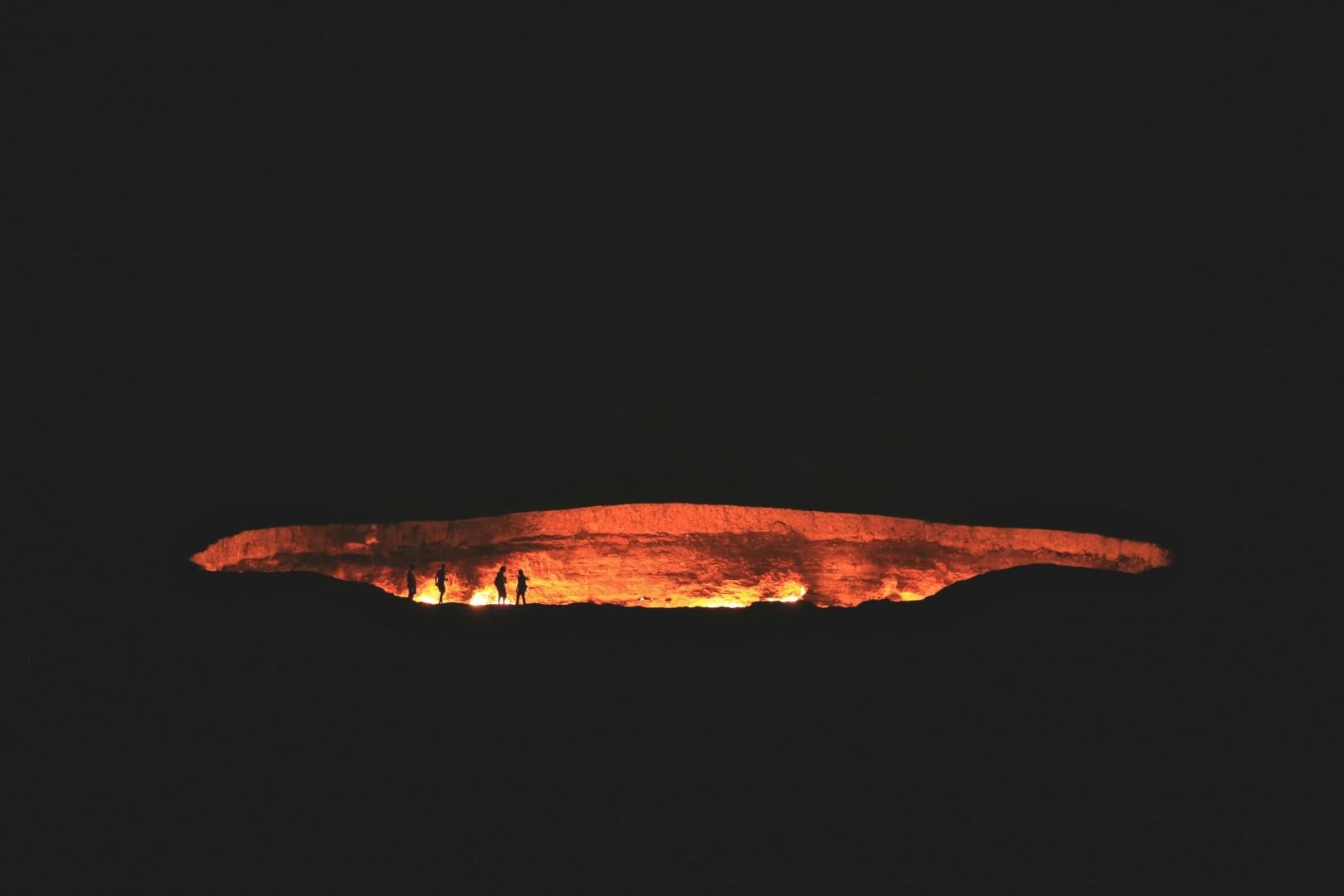
The Darvaza Gas Crater, famously nicknamed the “Door to Hell,” is one of Turkmenistan’s most extraordinary landmarks. Located deep in the Karakum Desert, this fiery pit has been burning continuously since the early 1970s, when Soviet engineers reportedly set fire to a collapsed natural gas field to prevent the spread of methane.
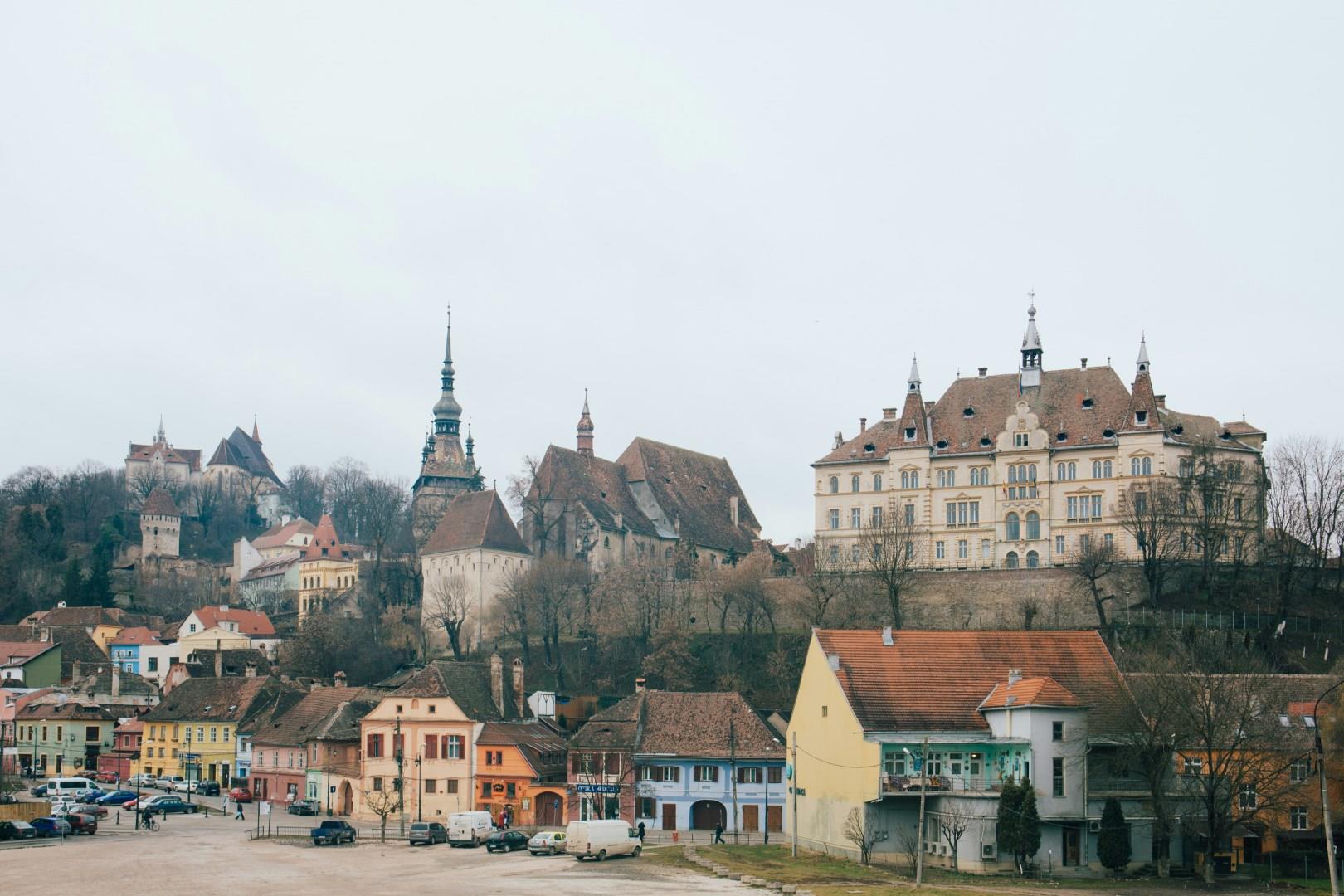
Sighisoara
Sighisoara rises above the Târnava Mare River as one of the few medieval citadels in Europe that is still lived in and admired today. Its historic center has been on the UNESCO World Heritage List since 1999, recognized for its long history as a fortified Saxon settlement and its role in trade and defense on the edges of central Europe. Wander through cobbled alleys framed by pastel-colored houses, and the layers of time feel close at hand, from the city walls and guild towers to busy cafés.