Kaloum
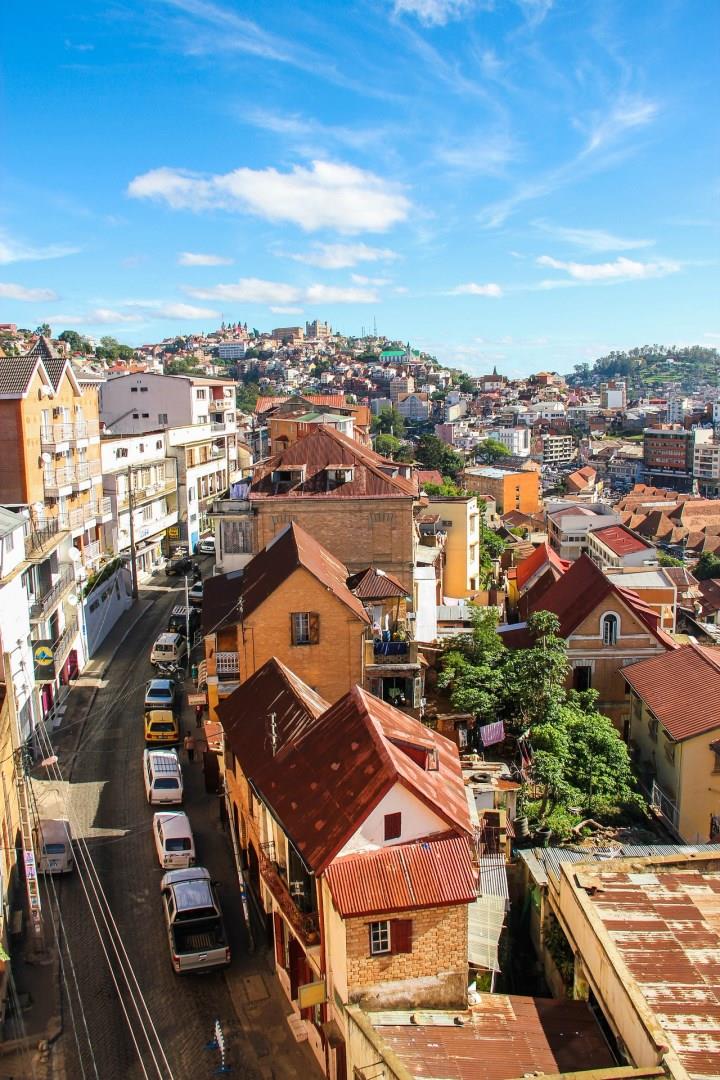
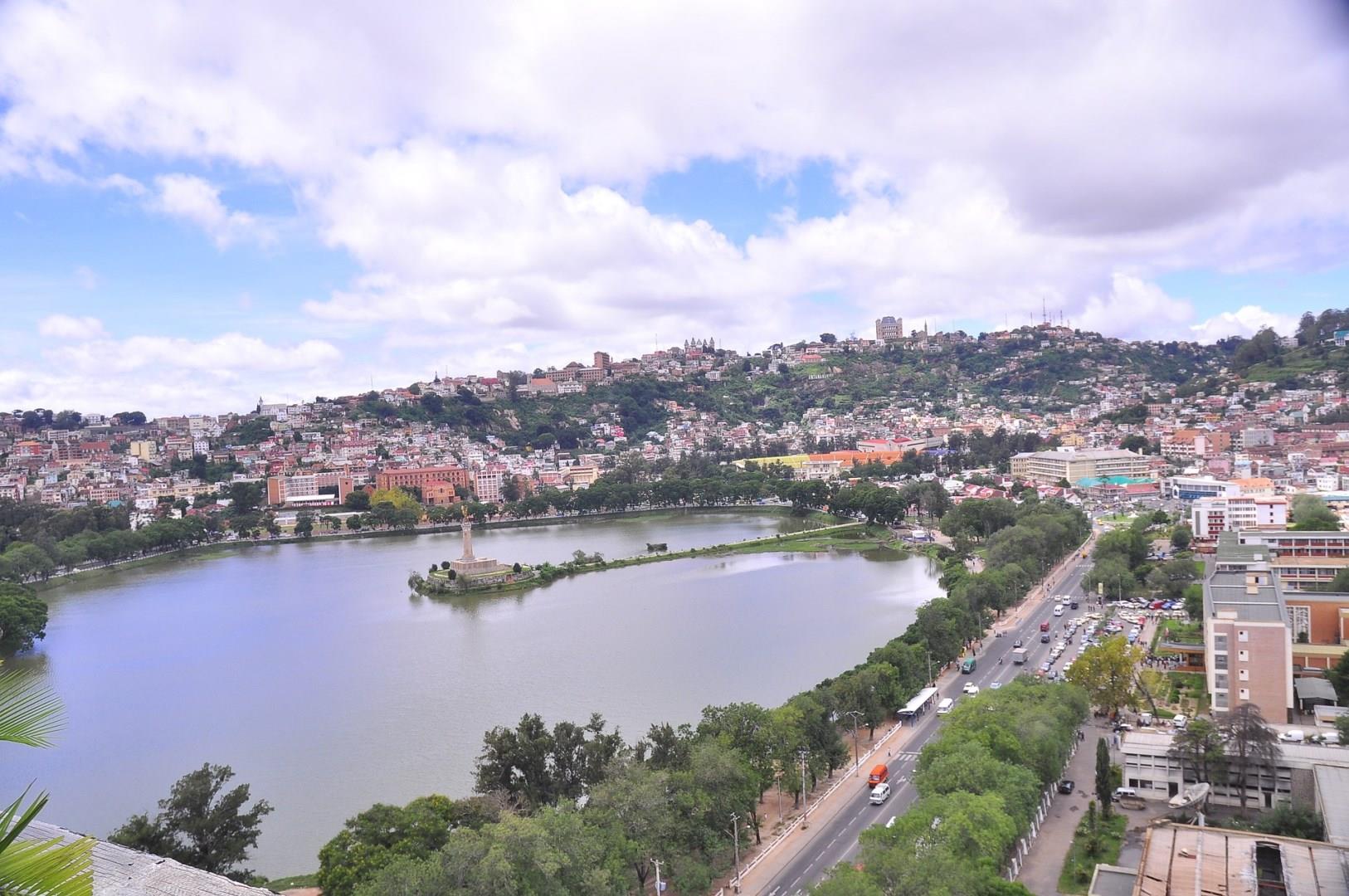
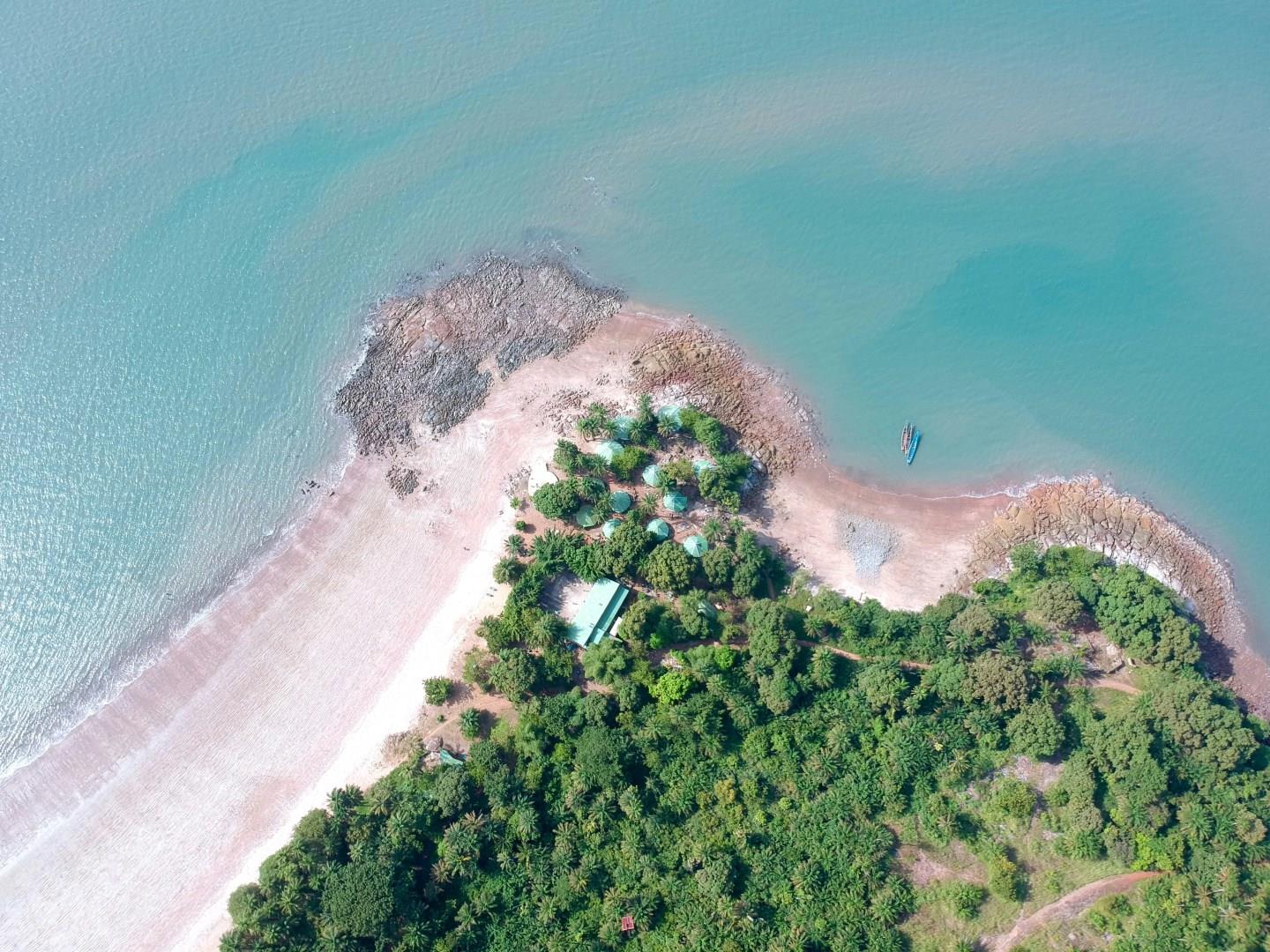
Kaloum, the bustling central district of Conakry, serves as the political, commercial, and cultural heart of Guinea’s capital.
South Sandwich Islands
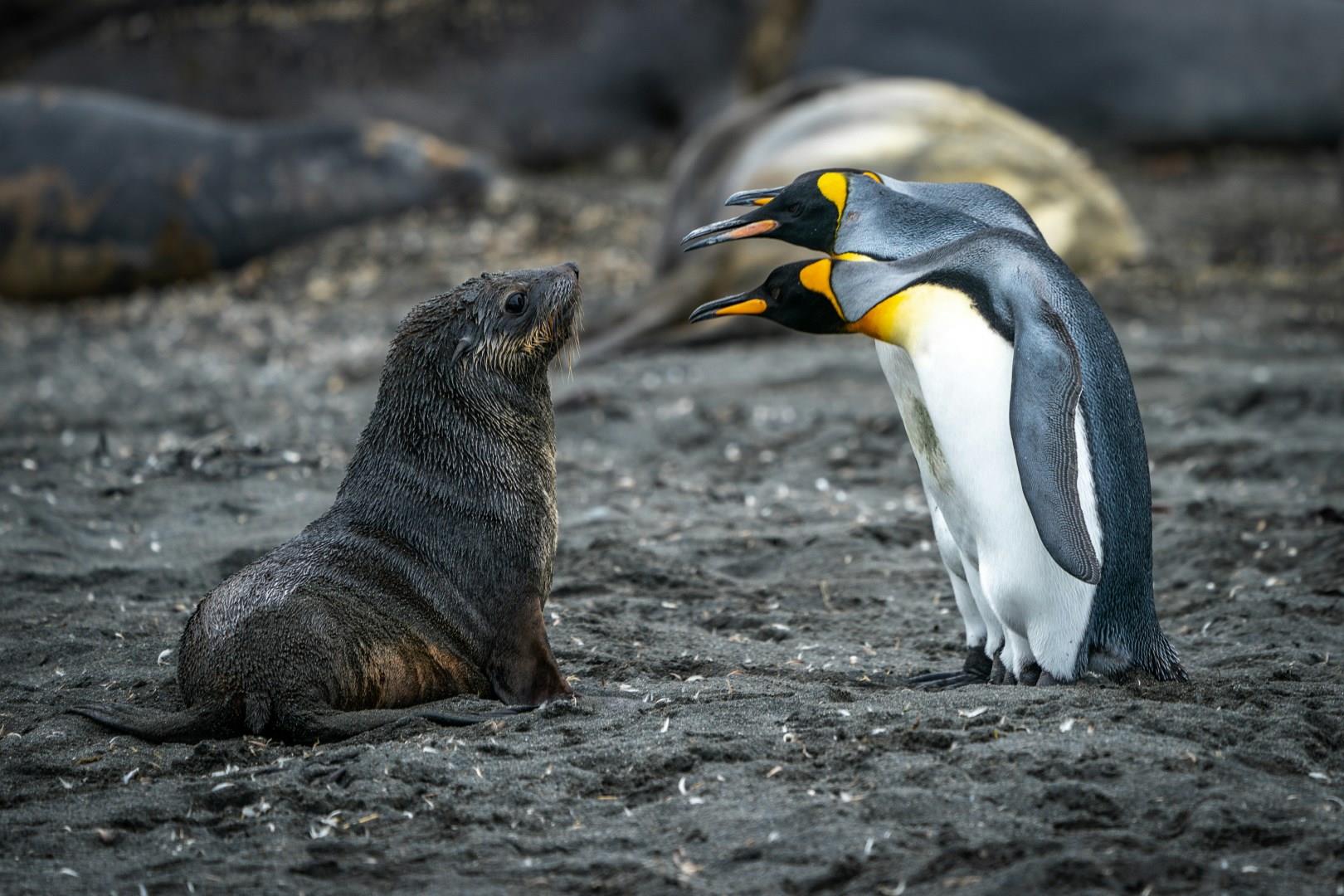
The South Sandwich Islands are among the most remote places on Earth, a chain of volcanic peaks rising from the Southern Ocean, over 1,300 kilometers southeast of South Georgia. With no permanent residents, no ports, and no infrastructure, these islands remain untouched by tourism in the conventional sense. What they offer instead is a rare glimpse into one of the planet’s most extreme and least disturbed environments.

Menton
Menton, known as the "Pearl of France," is a sun-soaked gem nestled along the French Riviera, bordering Italy. With its charming pastel-colored facades cascading down the hillside and its deep blue Mediterranean backdrop, Menton exudes an irresistible allure. The city's unique microclimate, warmer than the surrounding area, has earned it a reputation as a haven for lush gardens.

Kampot
Kampot is a riverside town in southern Cambodia with a story that stretches from a bustling 19th-century seaport to a calm center for travelers seeking real local experiences. Wandering these streets reveals faded pastel facades, shuttered balconies, and hints of a past where merchants from China, Malaysia, and Europe met on this quiet stretch of the Cambodian coast.
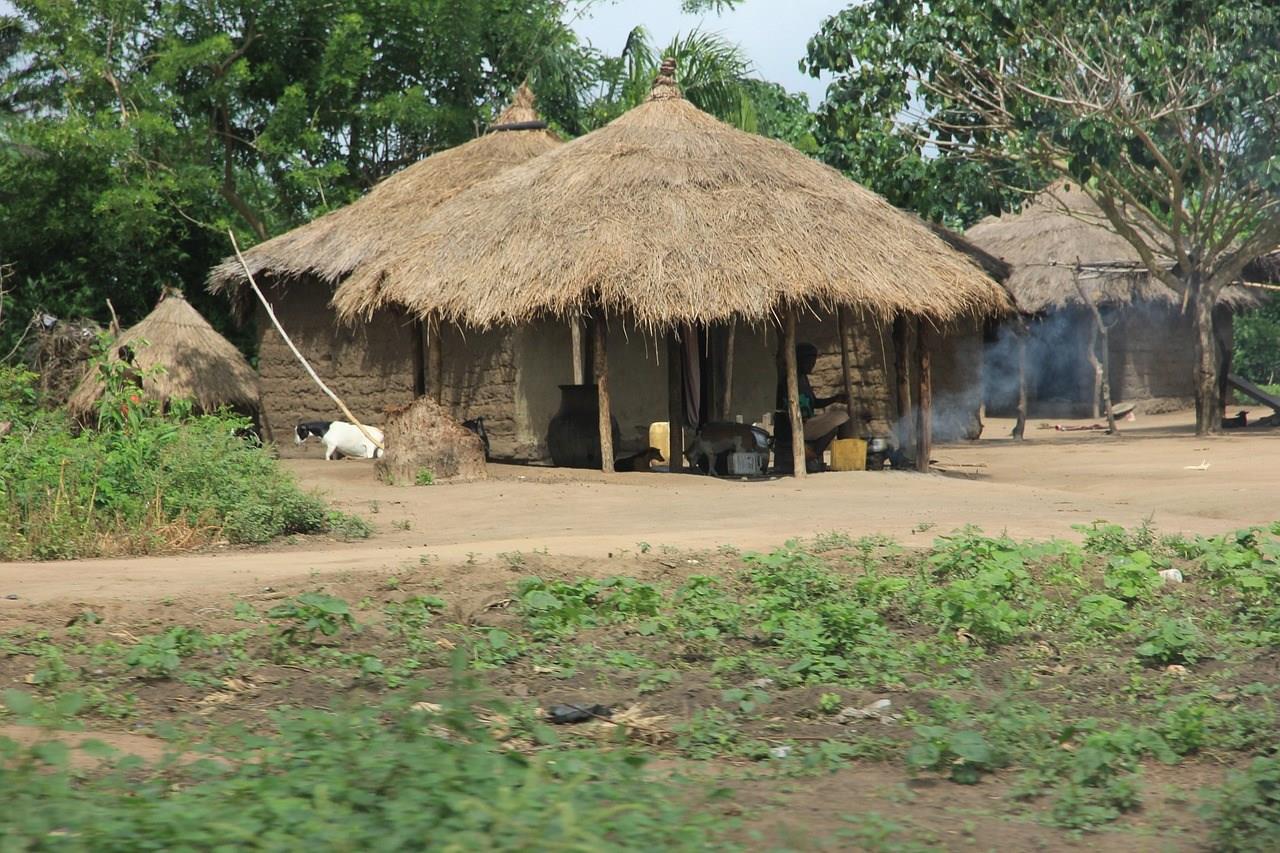
Togo
Togo, a narrow country in West Africa, stretches from the Gulf of Guinea in the south to savanna landscapes in the north. Its diverse cultures and languages, combined with vibrant music and dance traditions, create a lively and colorful atmosphere throughout the country.