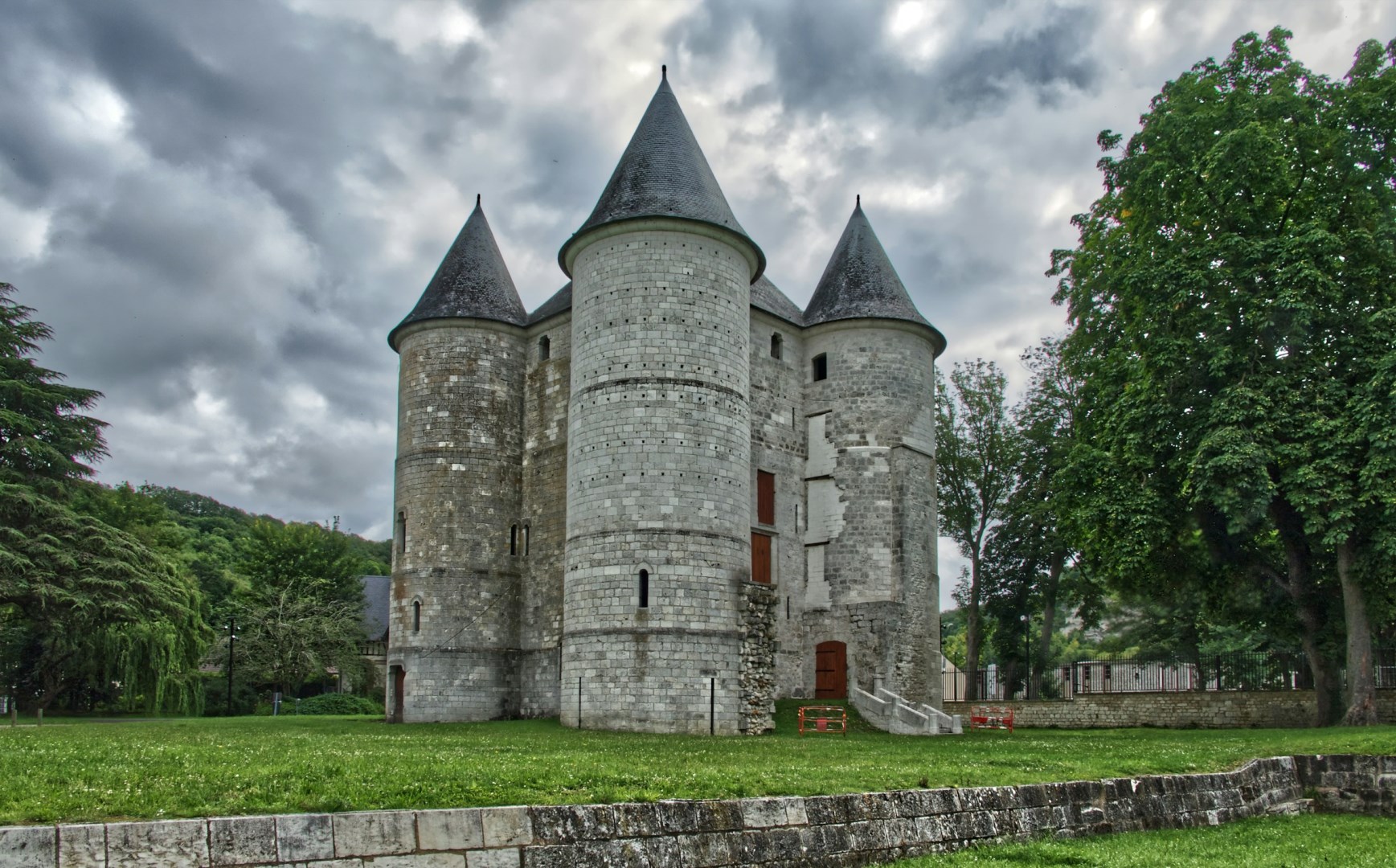
Vernon
Vernon, located in the picturesque Normandy region along the banks of the Seine River, is a charming town that offers a delightful mix of history, culture, and natural beauty.
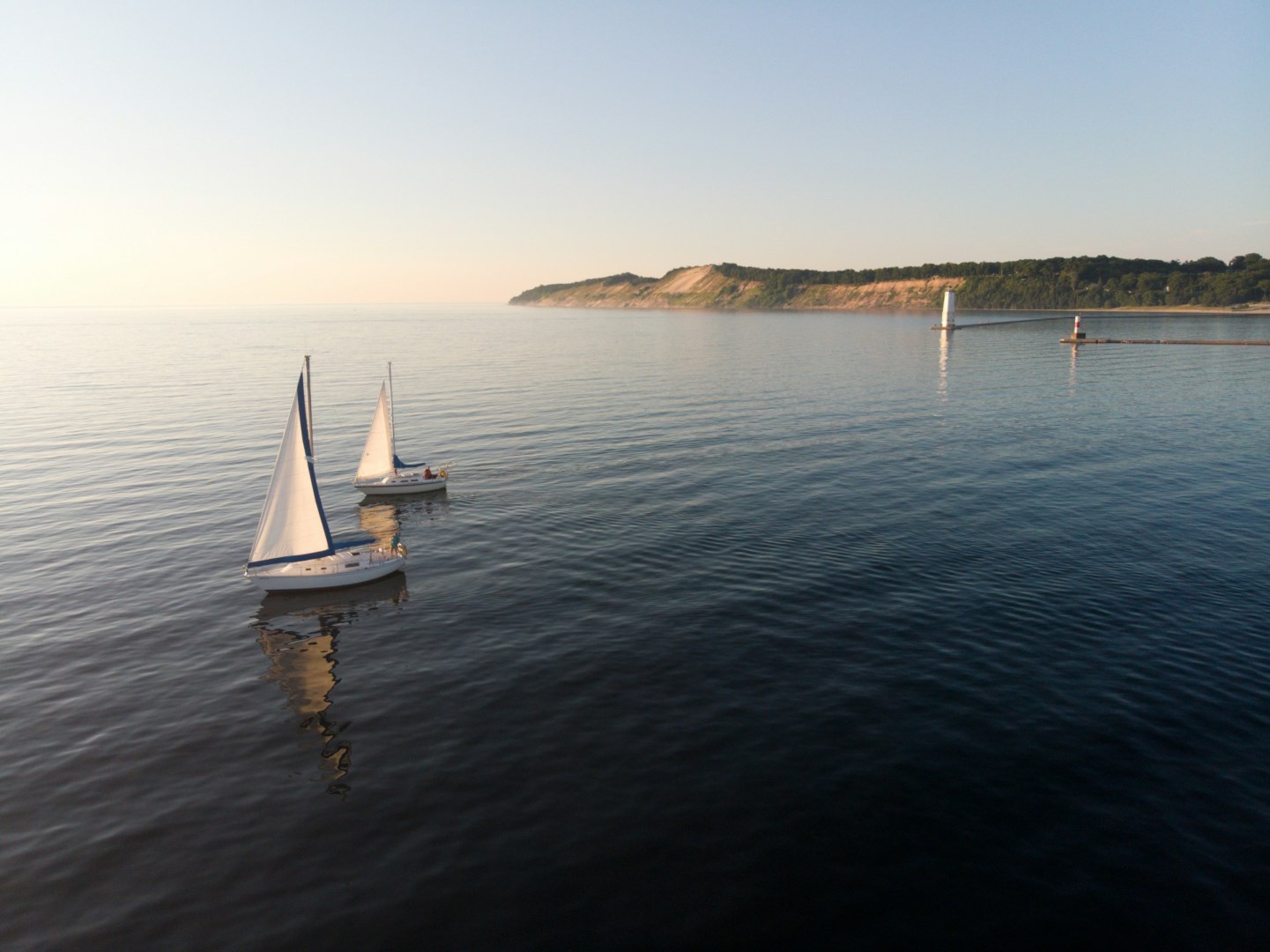
Frankfort
Frankfort is a small lakeside city in northwestern Michigan’s Benzie County, positioned along the eastern shore of Lake Michigan. Its setting includes a protected harbor, sandy beaches, wooded hills, and views across the lake, with Betsie Lake and the Betsie River adding freshwater landscapes nearby.
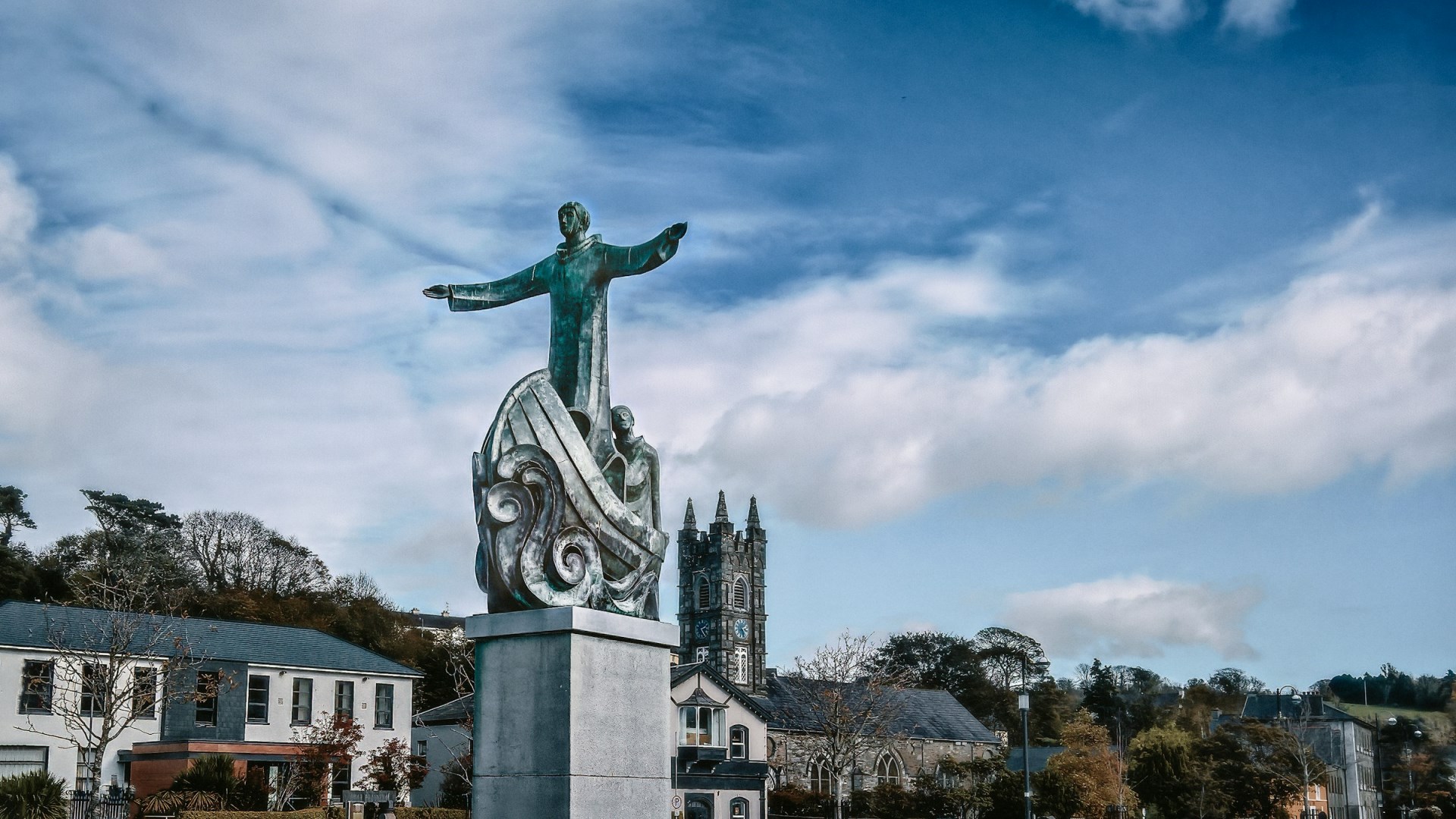
Bantry
Bantry is a market town on the northern shore of Bantry Bay in County Cork, where the coast opens toward the Atlantic Ocean. The town is surrounded by wooded hills, farmland, and a sheltered bay dotted with islands and peninsulas. Its harbor remains an important feature, while the main square and streets contain shops, cafés, pubs, and other local businesses serving the surrounding communities.
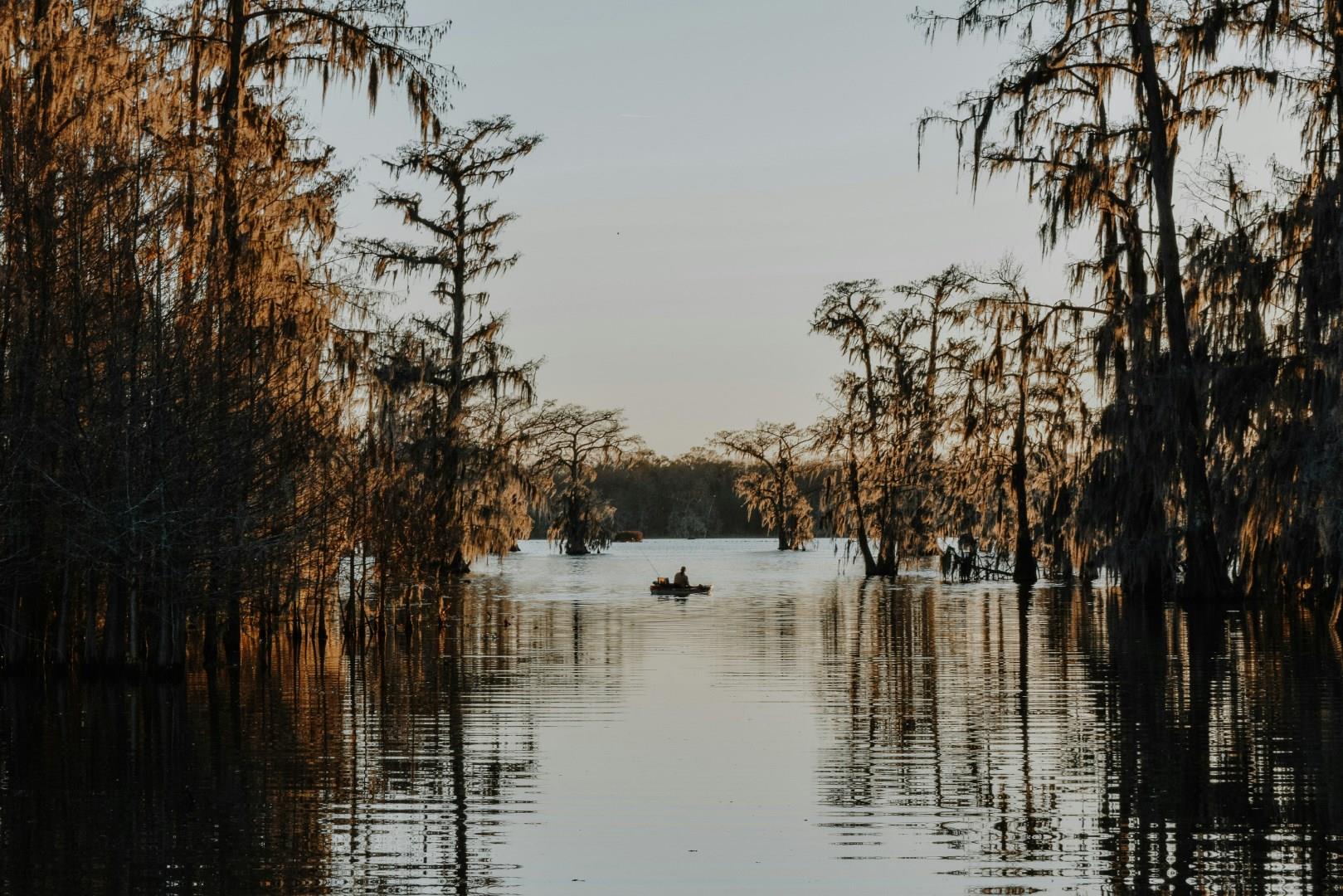
Lafayette
Lafayette is often called the heart of Cajun country for good reason. This vibrant city blends French-speaking roots with bold music, rich storytelling, and a culture that doesn’t just celebrate life but dances through it. Originally settled by Acadians expelled from Canada in the 1700s, Lafayette has grown into a lively hub where traditions are preserved and passed down through generations.
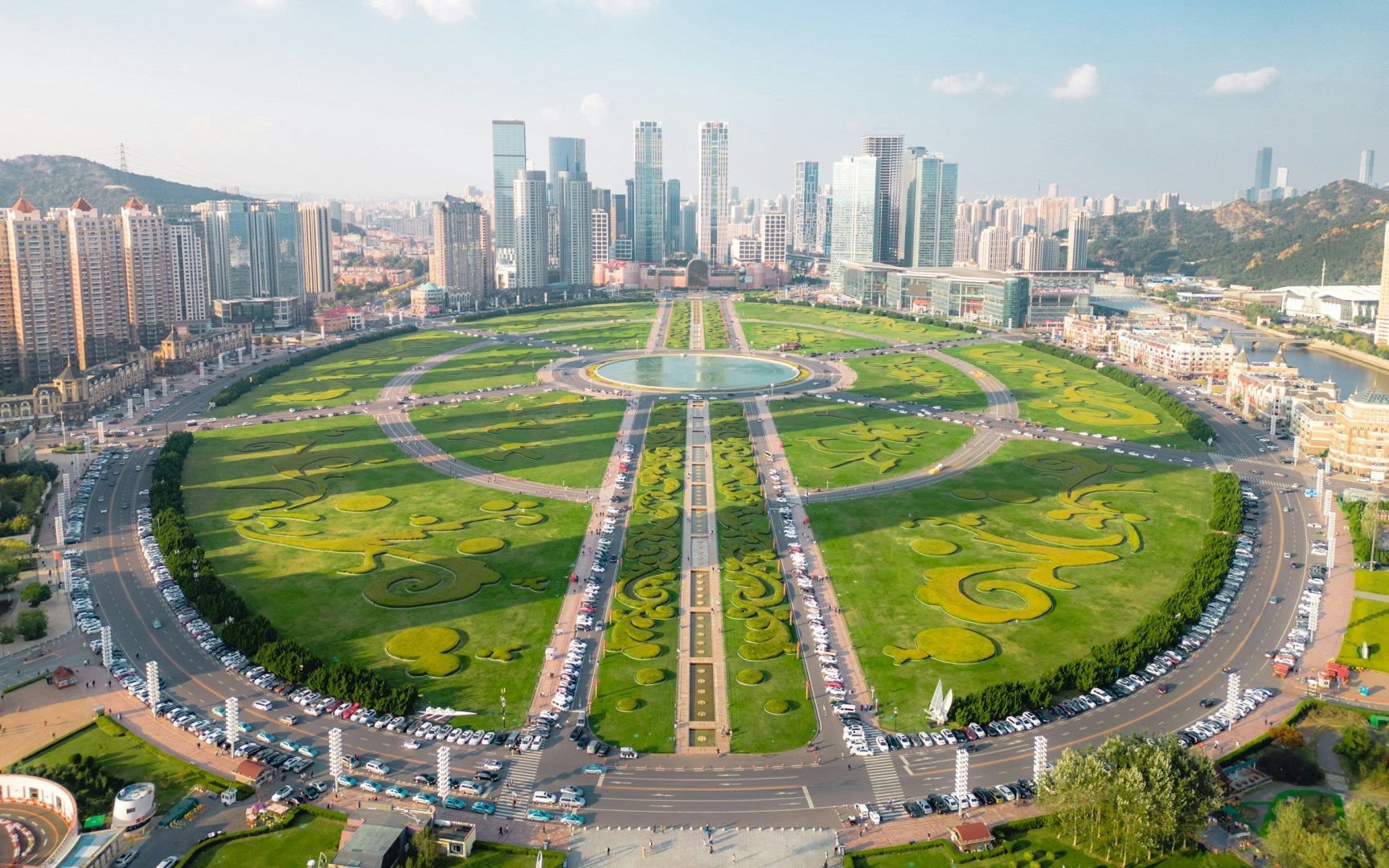
Dalian
Dalian is a major coastal city in Liaoning Province in northeastern China, situated on the southern tip of the Liaodong Peninsula between the Yellow Sea and Korea Bay. Its long coastline, numerous bays, hills, and waterfront districts give the city a strong maritime character. Dalian is an important port and commercial center, while its urban landscape includes broad streets, public squares, parks, and historic buildings.