Hammerfest
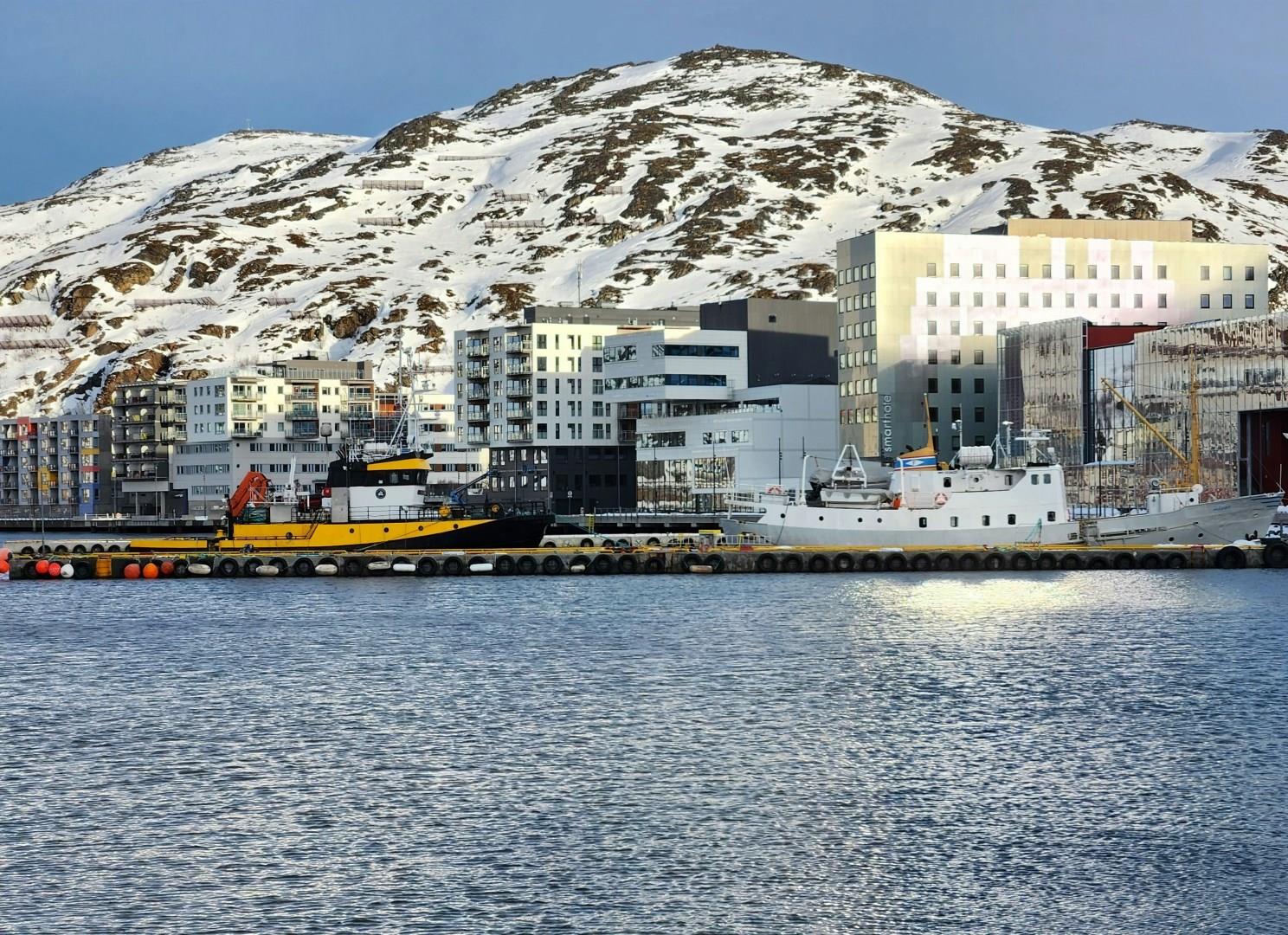
Hammerfest, located above the Arctic Circle in northern Norway, is one of the northernmost towns in the world with a population of over 10,000. It’s a place where the midnight sun shines from mid-May to late July, and the polar night sets in from late November to mid-January. Historically a hub for Arctic hunting and fishing, Hammerfest was also the first town in Northern Europe to install electric streetlights in 1891.
Mayotte
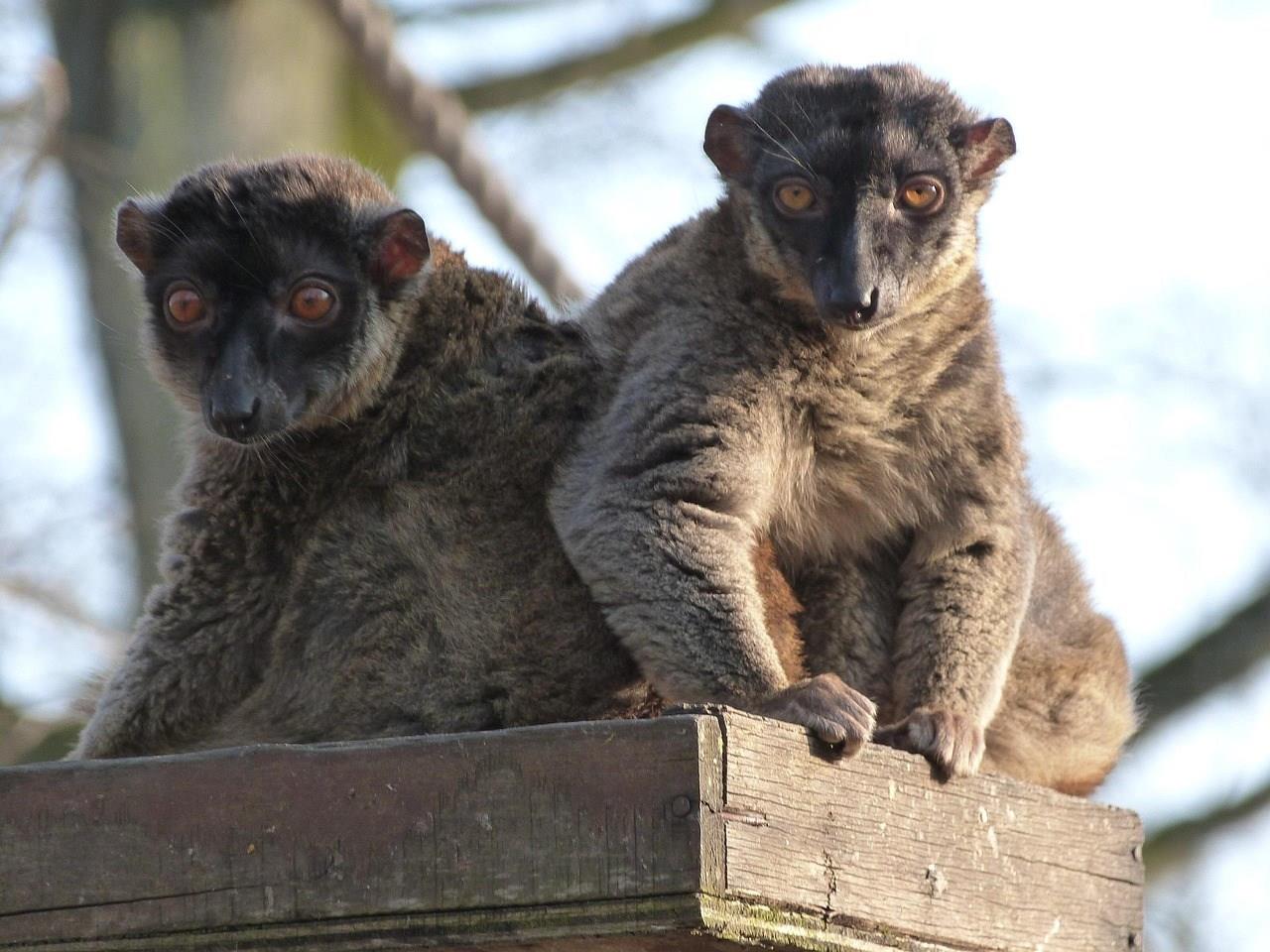
Mayotte, a French overseas department nestled in the Mozambique Channel between Madagascar and mainland Africa, offers travelers a window into a lesser-known island culture shaped by Swahili, Malagasy, and French influences. Unlike its neighbors in the Comoros archipelago, Mayotte remains part of France, giving it a unique blend of European infrastructure and Indian Ocean traditions.

Lyon
The metropolitan center of southeastern France, vibrant Lyon abounds with stunning architectural masterpieces, gastronomic delights, and immersive museums. This spectacular city, founded by the Romans centuries ago, rivals Paris as a cultural and social hub for exploring the best that France has to offer.
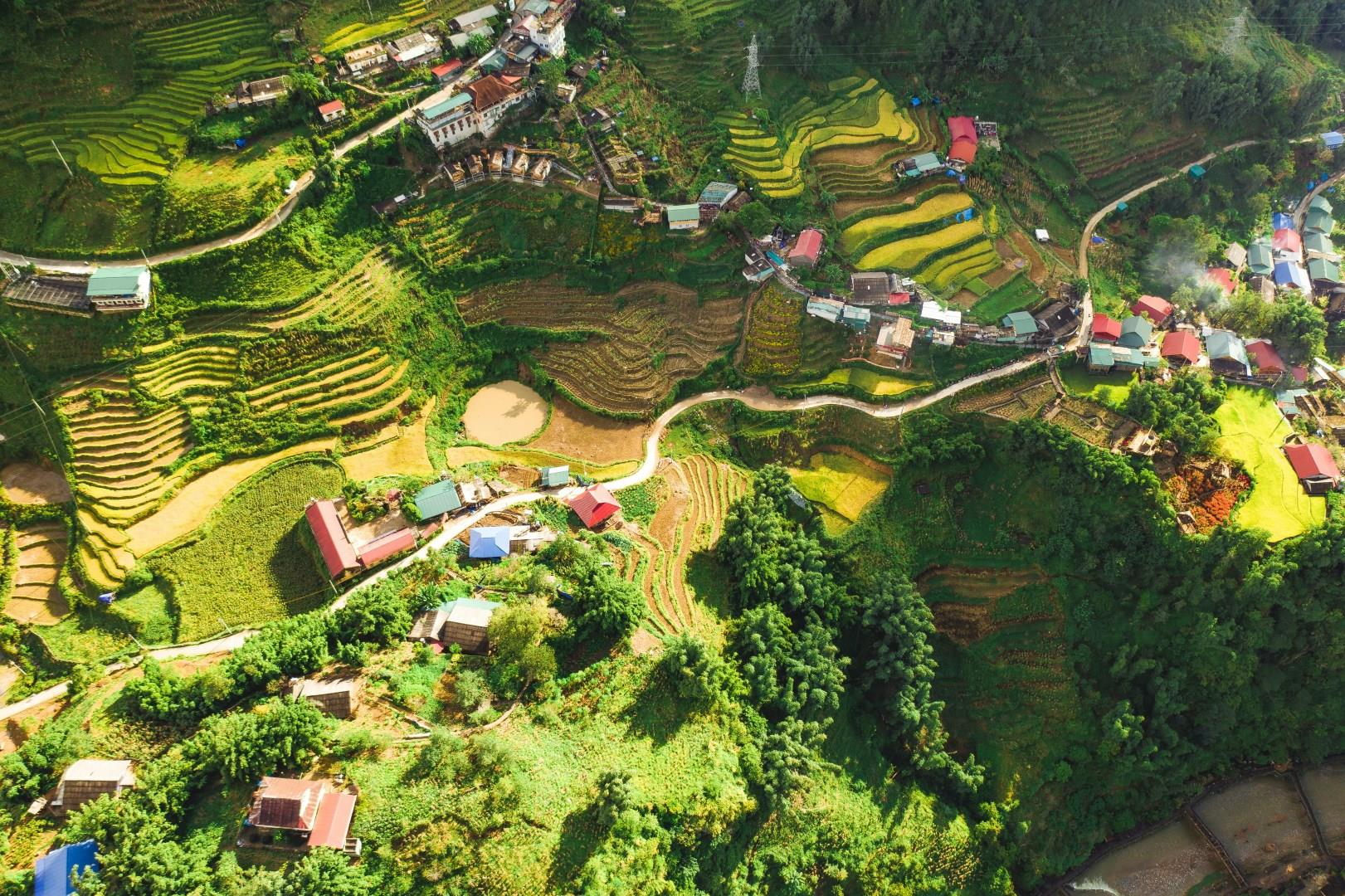
Sapa
Sapa sits high in Vietnam’s northwest mountains, shaped by French colonial planning and long-standing settlement by Hmong, Dao, and other ethnic communities.
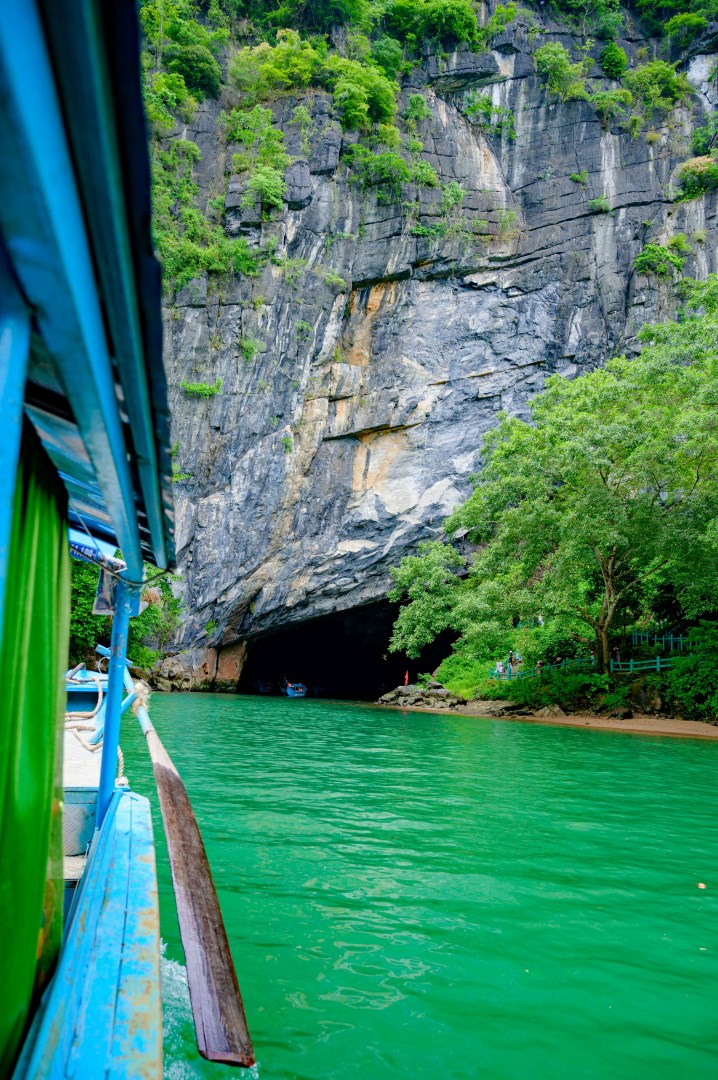
Phong Nha - Ke Bang National Park
Kẻ Bàng National Park lies in central Vietnam, near the border with Laos, and is known for its vast network of limestone mountains and underground rivers. The park forms part of one of the oldest karst landscapes in Asia, shaped over millions of years into a maze of caves, cliffs, and dense forest. Among its most famous features is Sơn Đoòng Cave, recognized as the largest cave on Earth, with sections so vast that clouds can form inside and a jungle grows beneath its collapsed roof.