Unawatuna
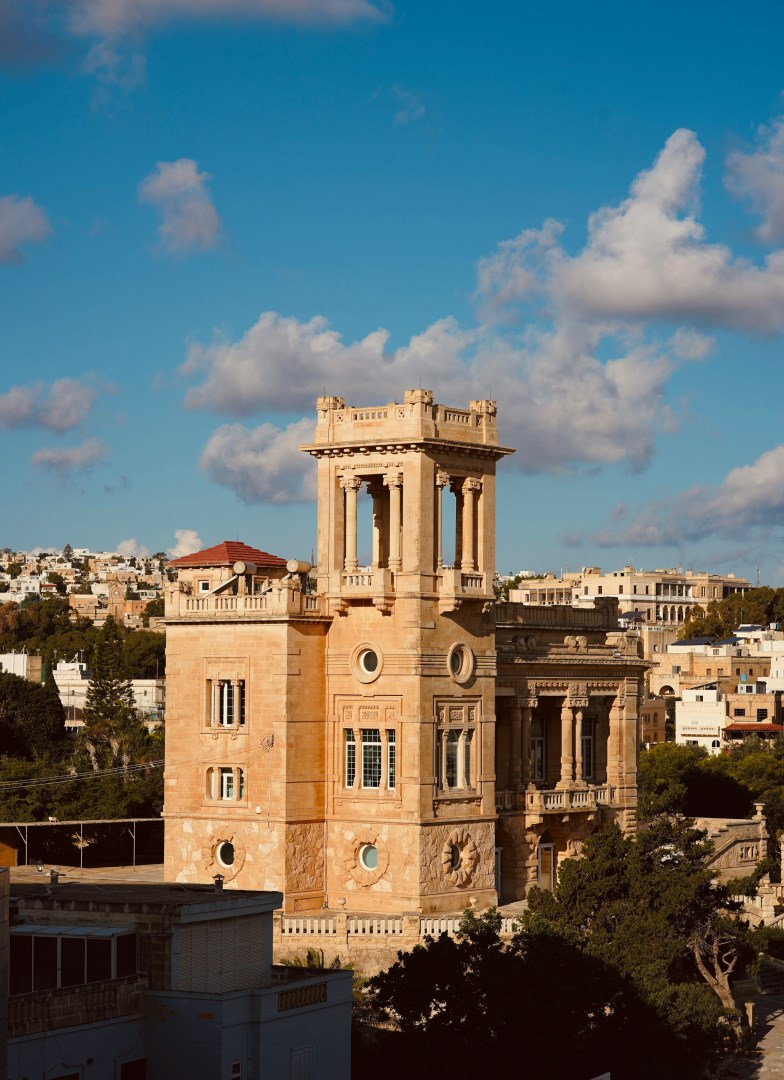
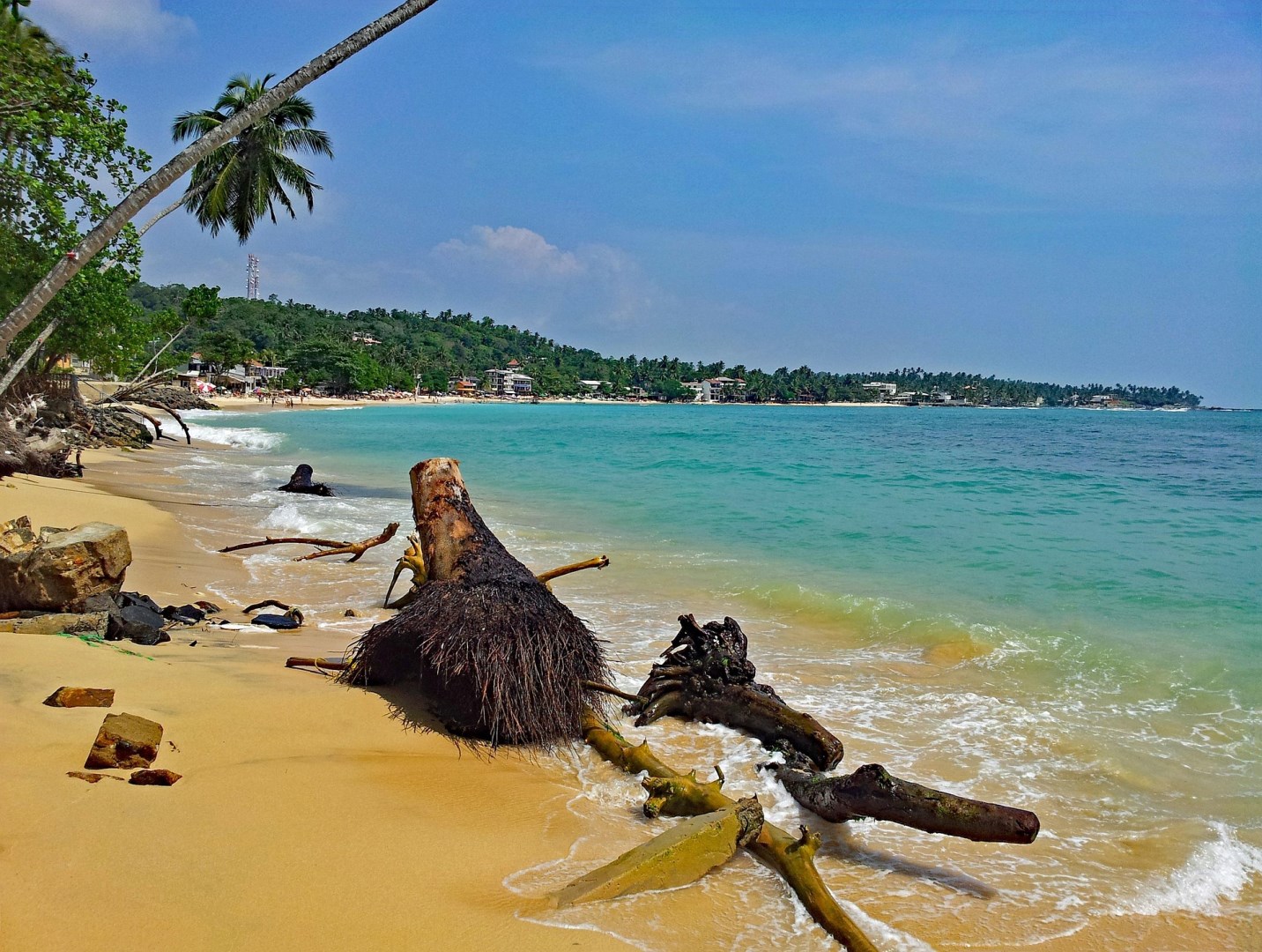
Unawatuna lies along Sri Lanka’s southern coast, shaped by maritime trade, colonial encounters, and a long relationship with the sea. Once a small fishing village, it developed near historic Galle and reflects layers of Portuguese, Dutch, and British influence that passed through the region.

Papeete
The capital of French Polynesia, Papeete is a veritable island paradise with bright cerulean waters, iconic overwater bungalows, and palm trees galore.
The Gambia
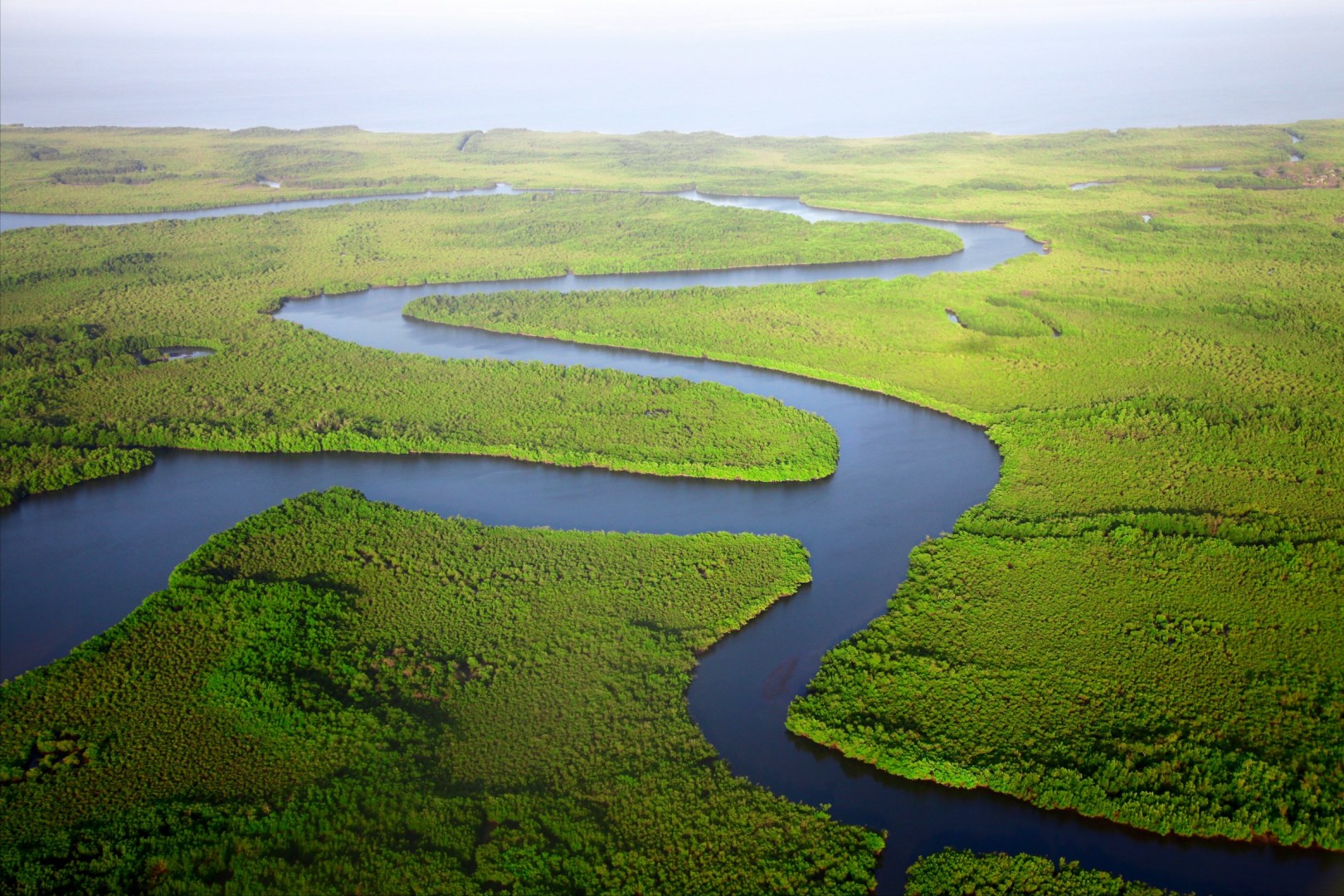
The Gambia is a small West African country known for its rich culture, scenic river landscapes, and warm, welcoming communities. The country is centered around the Gambia River, which flows through the nation and supports agriculture, fishing, and river-based tourism.

Nunavut
Nunavut comprises a major portion of Northern Canada, and most of the Canadian Arctic Archipelago. Its vast territory makes it the fifth-largest country subdivision in the world, as well as the largest in North America.

Kakadu National Park
Kakadu National Park, a UNESCO World Heritage site located in Australia’s Northern Territory, is a breathtaking destination that offers an unparalleled blend of natural beauty, ancient cultural heritage, and thrilling adventure. Visitors can explore a rich tapestry of landscapes, from rugged escarpments and floodplains teeming with wildlife to serene waterfalls and billabongs that capture the essence of Australia’s Top End.