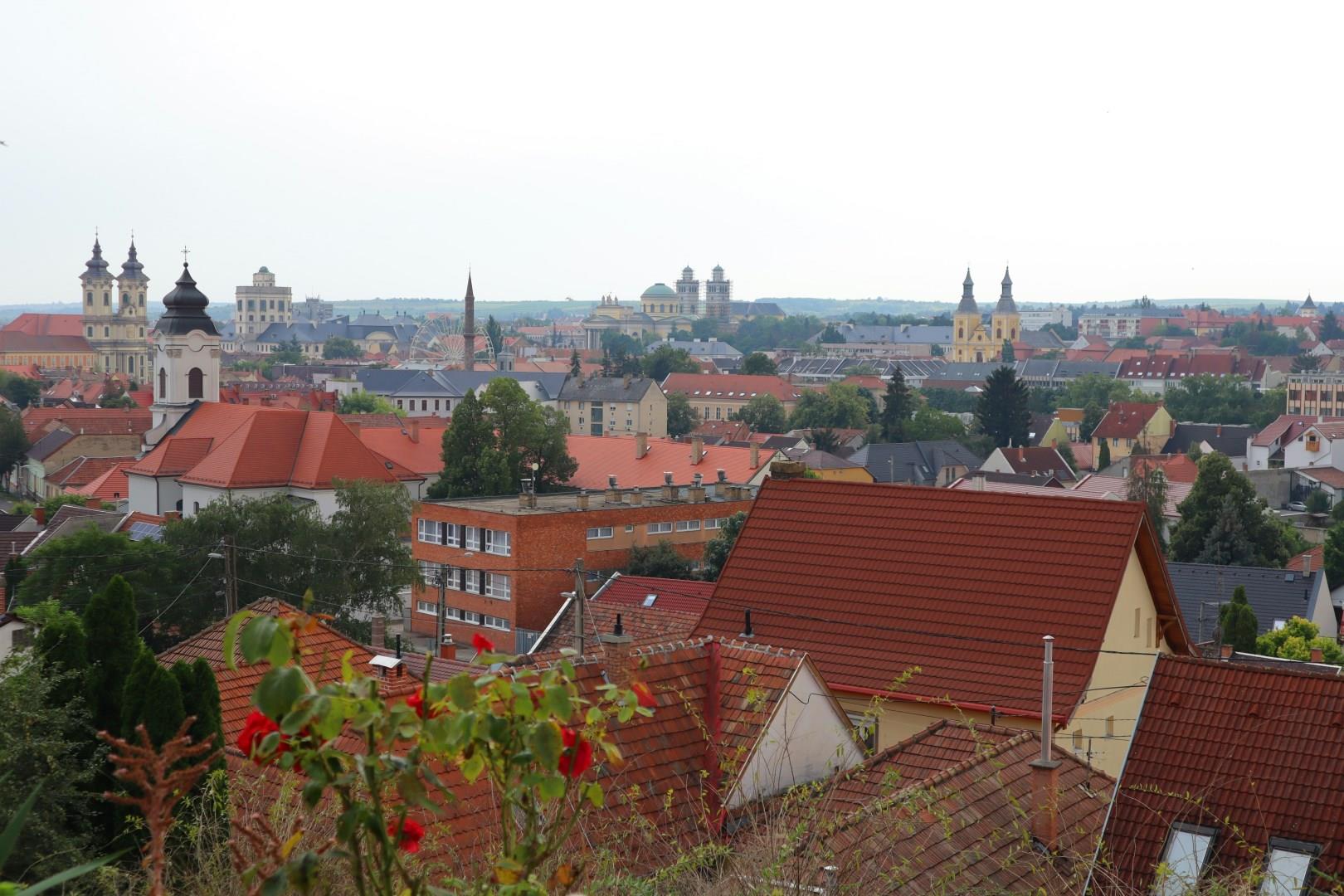
Eger sits in northern Hungary and is known for its well preserved Baroque center, historic castle and long tradition of wine and craft that draw visitors from across Europe. Just beyond the historic center, generations of winemakers have perfected local styles and offer tastings of local varieties. A casual afternoon here can feel like a gentle cellar crawl, with seasonal music or simple snacks adding to relaxed tastings under vine covered walkways.
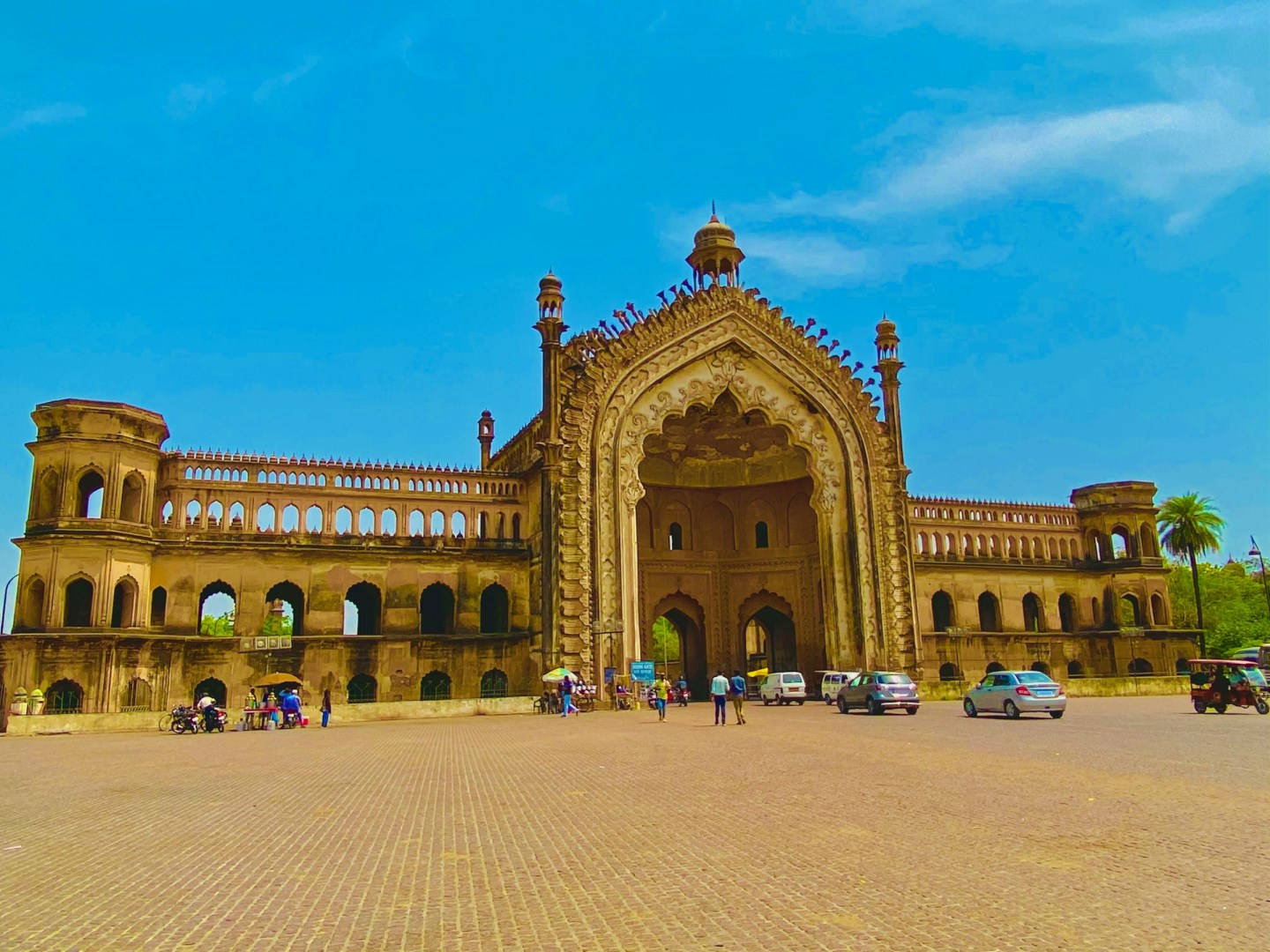
Lucknow, the capital of Uttar Pradesh, stands on the banks of the Gomti River and is widely associated with the cultural heritage of Awadh. The city is recognized for its distinctive architecture, refined traditions of etiquette, historic markets, and celebrated cuisine. Its built landscape ranges from grand religious complexes and gateways to colonial-era structures and modern urban districts. Lucknow is also an important centre for traditional crafts, particularly chikankari embroidery. Togeth
This is a wild and beautiful area unlike anywhere else in the world. Torres del Paine lies between the central spine of the Andes, nearly buried under a massive ice cap and the steppes of Southern Patagonia.

Elephant Island, a remote outcrop off the coast of Antarctica, is not your average travel destination. Known for its dramatic cliffs, towering glaciers, and wild, ice-laced seas, this island is both stark and unforgettable. Located 245 kilometers northeast of the Antarctic Peninsula, Elephant Island is rarely visited except by specialized expedition cruises.

Lake Ohrid, a natural tectonic lake in the south-west corner of Macedonia, is the oldest lake in Europe and one of the oldest lakes in the world. Formed tectonically between four and ten million years ago, the lake is situated in limestone bedrock. Nestled amid mountains at an altitude of 2290 feet, the lake offers striking vistas of the surrounding beach and hills.
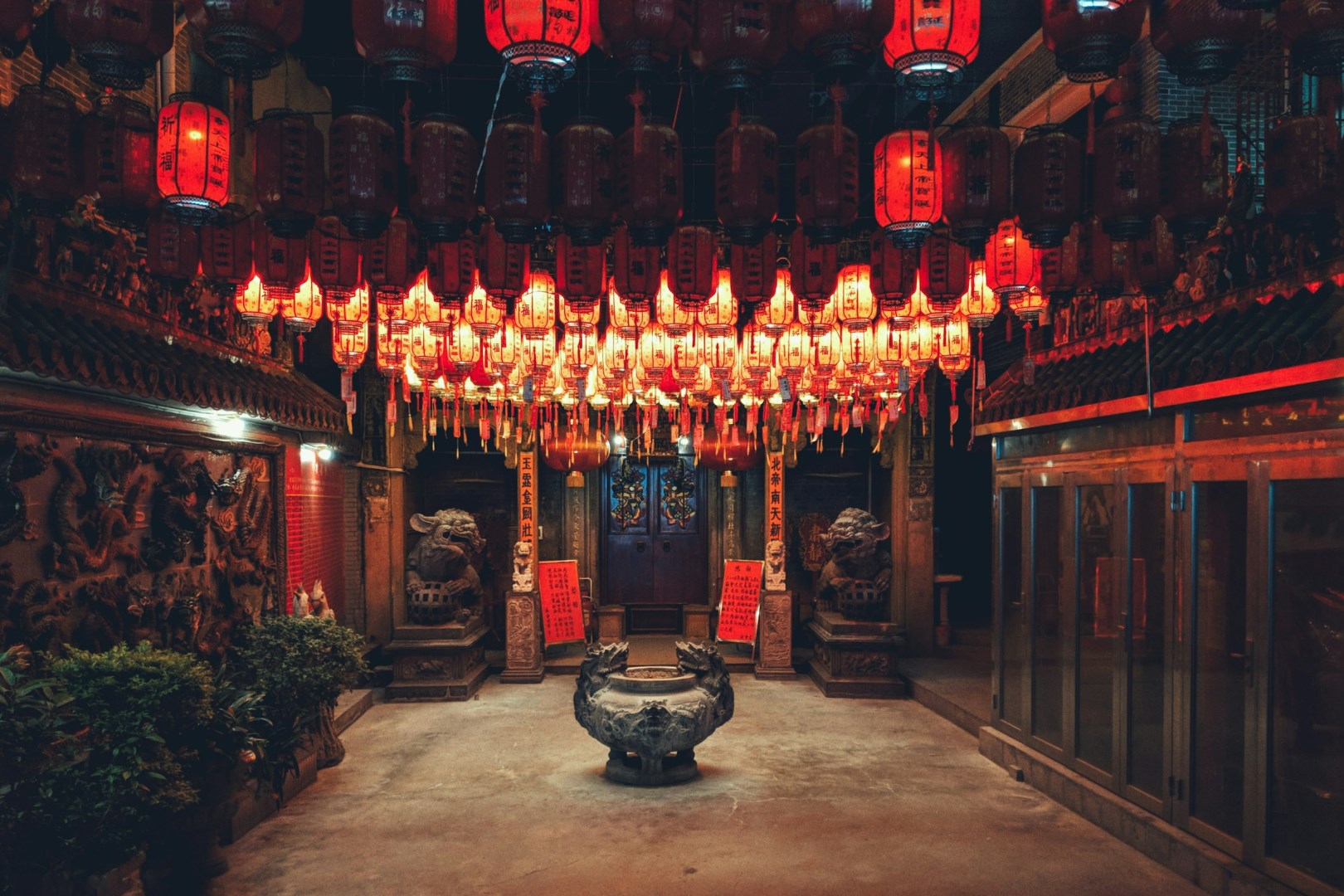
Photo Credit: Photo by Joshua Fernandez on Unsplash
Photo Credit: Photo by Oskar Kadaksoo on Unsplash
Photo Credit: Photo by ダモ リ on Unsplash
Photo Credit: Photo by Joshua Fernandez on Unsplash
Photo Credit: Photo by Zhu Edward on Unsplash
Photo Credit: Photo by Zean Wu on Unsplash
Photo Credit: Photo by LINLI XU on Unsplash
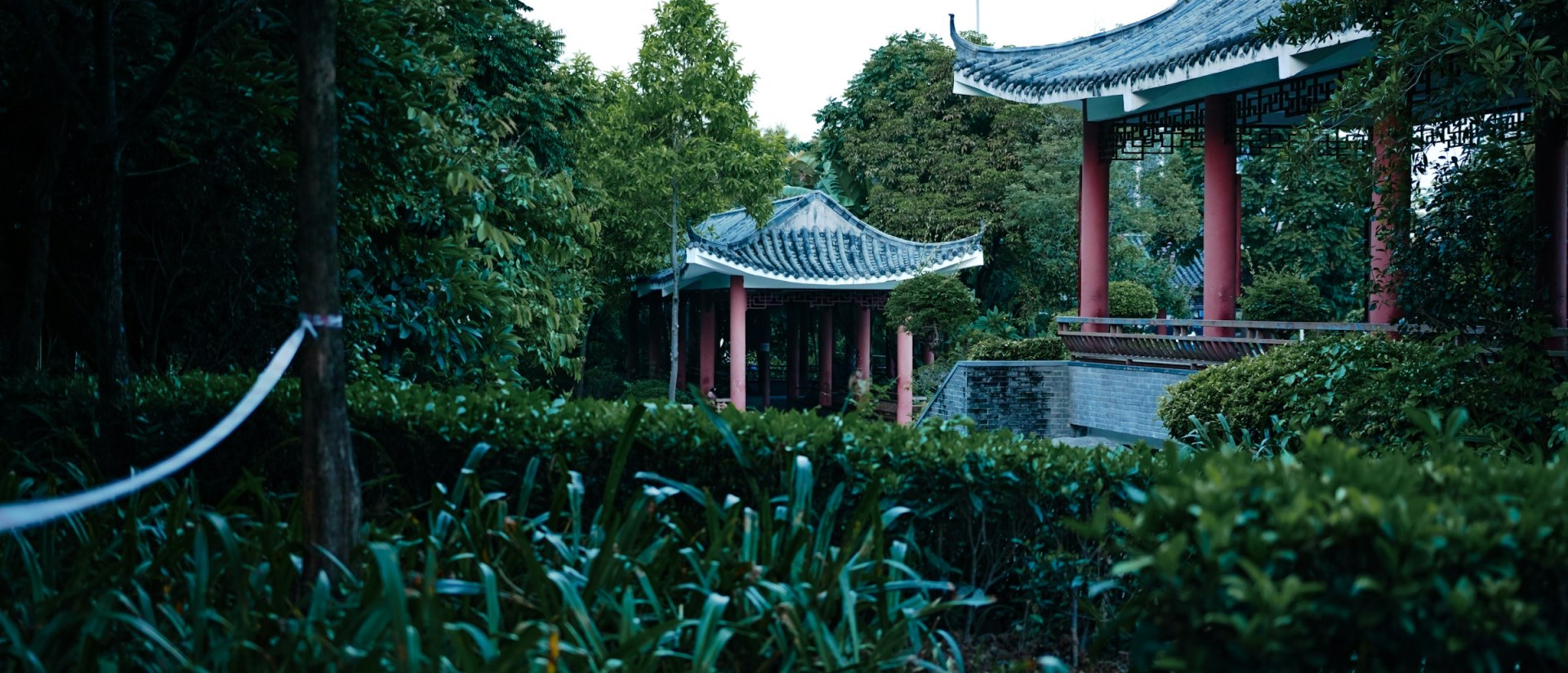
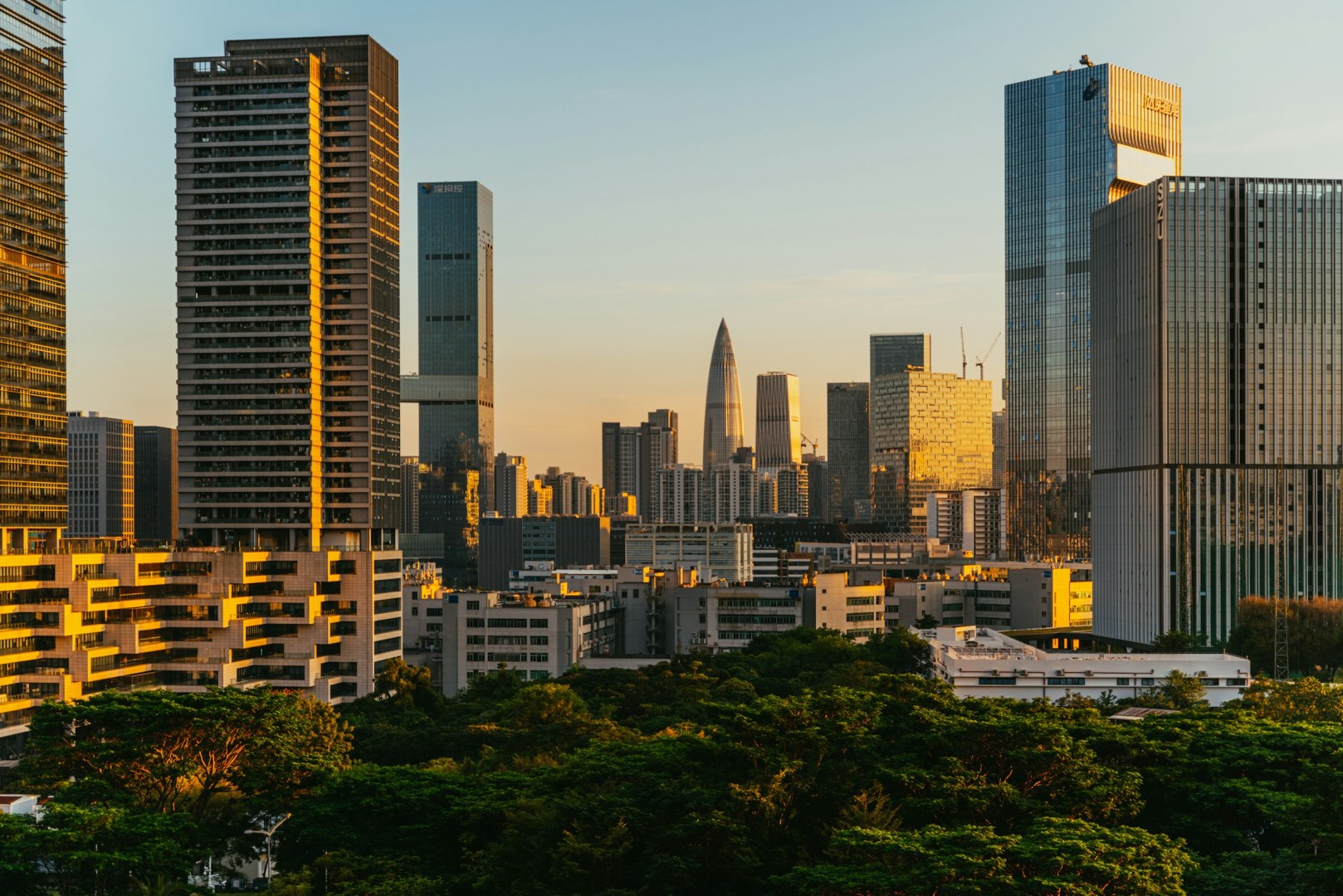
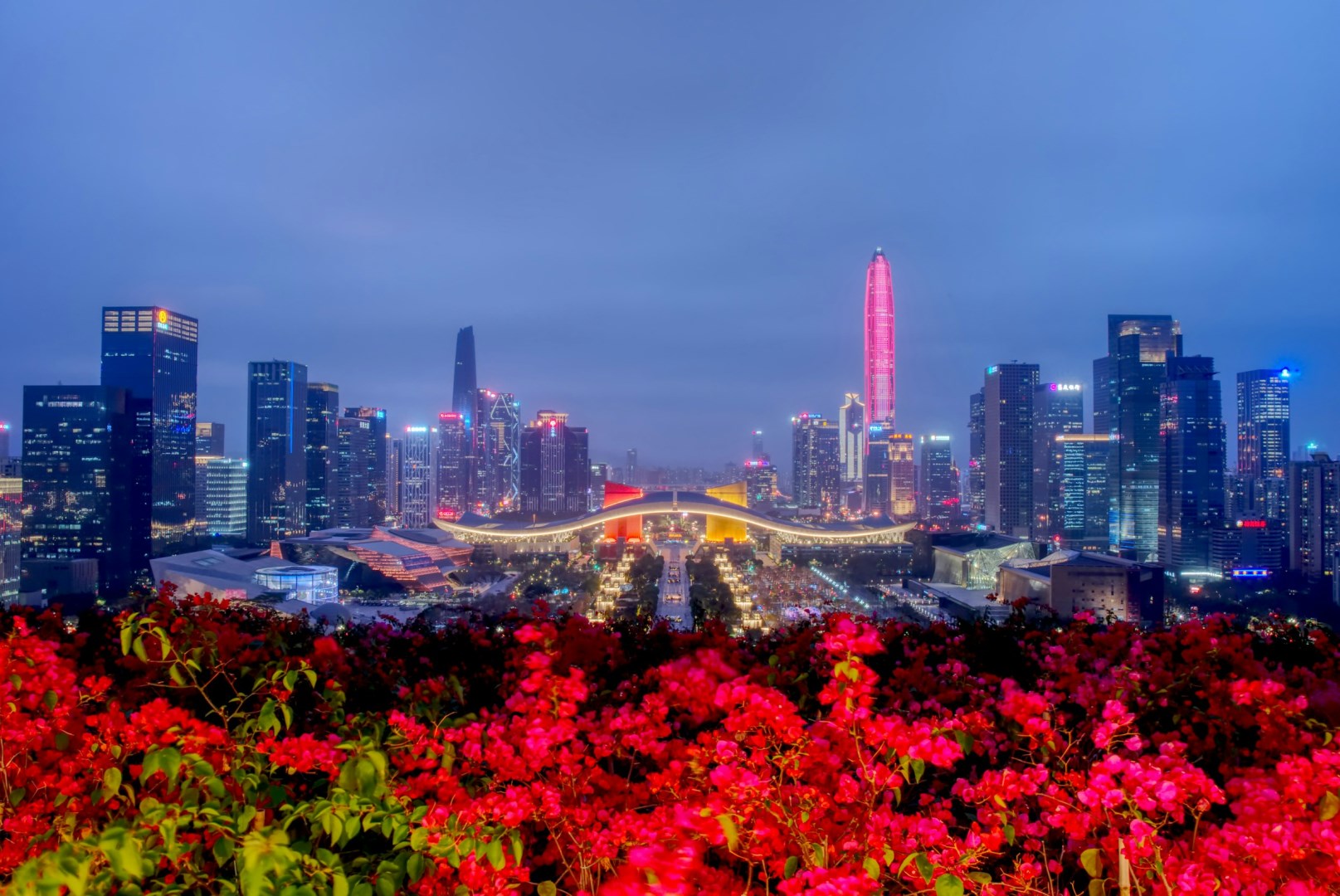
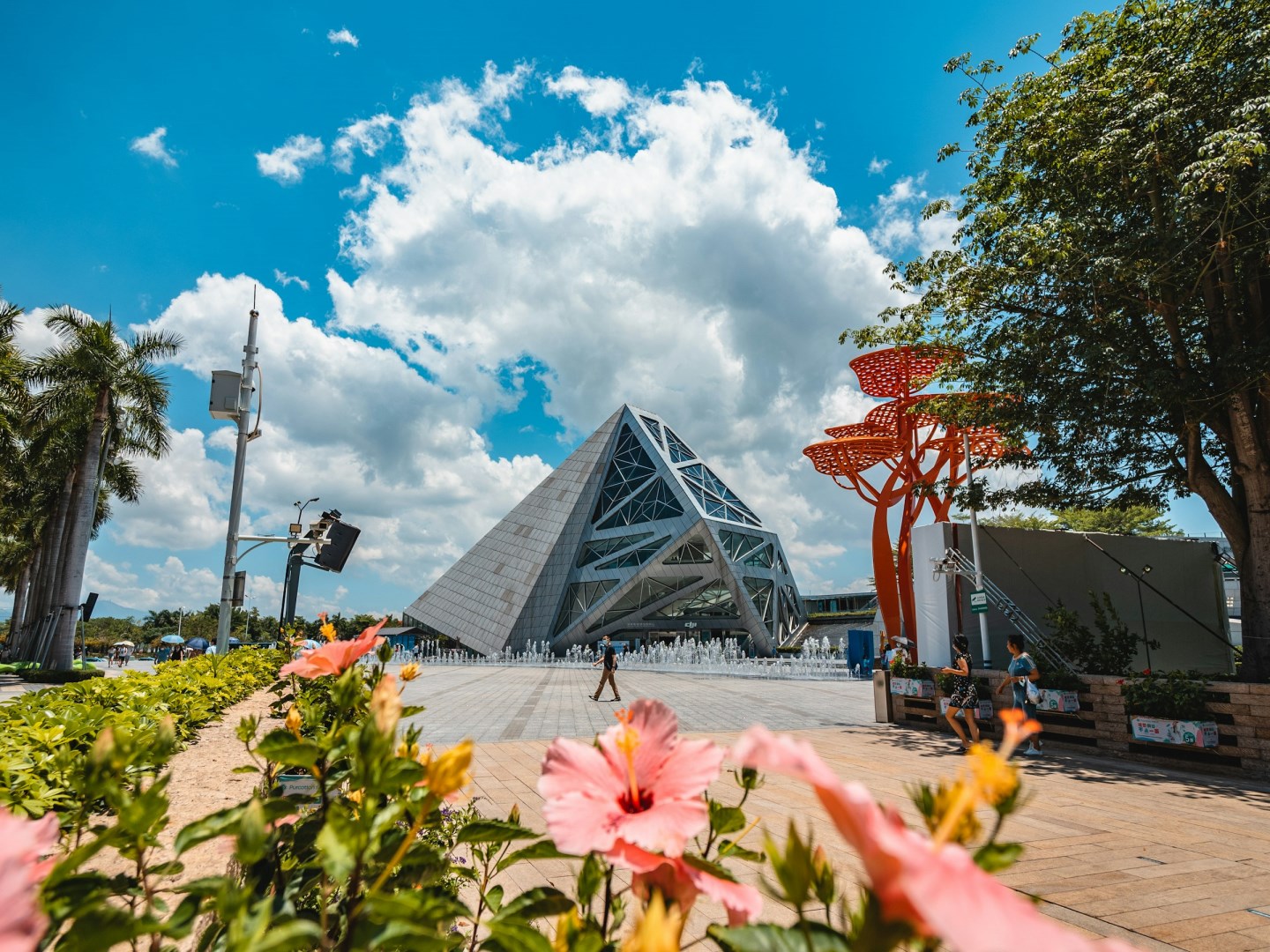
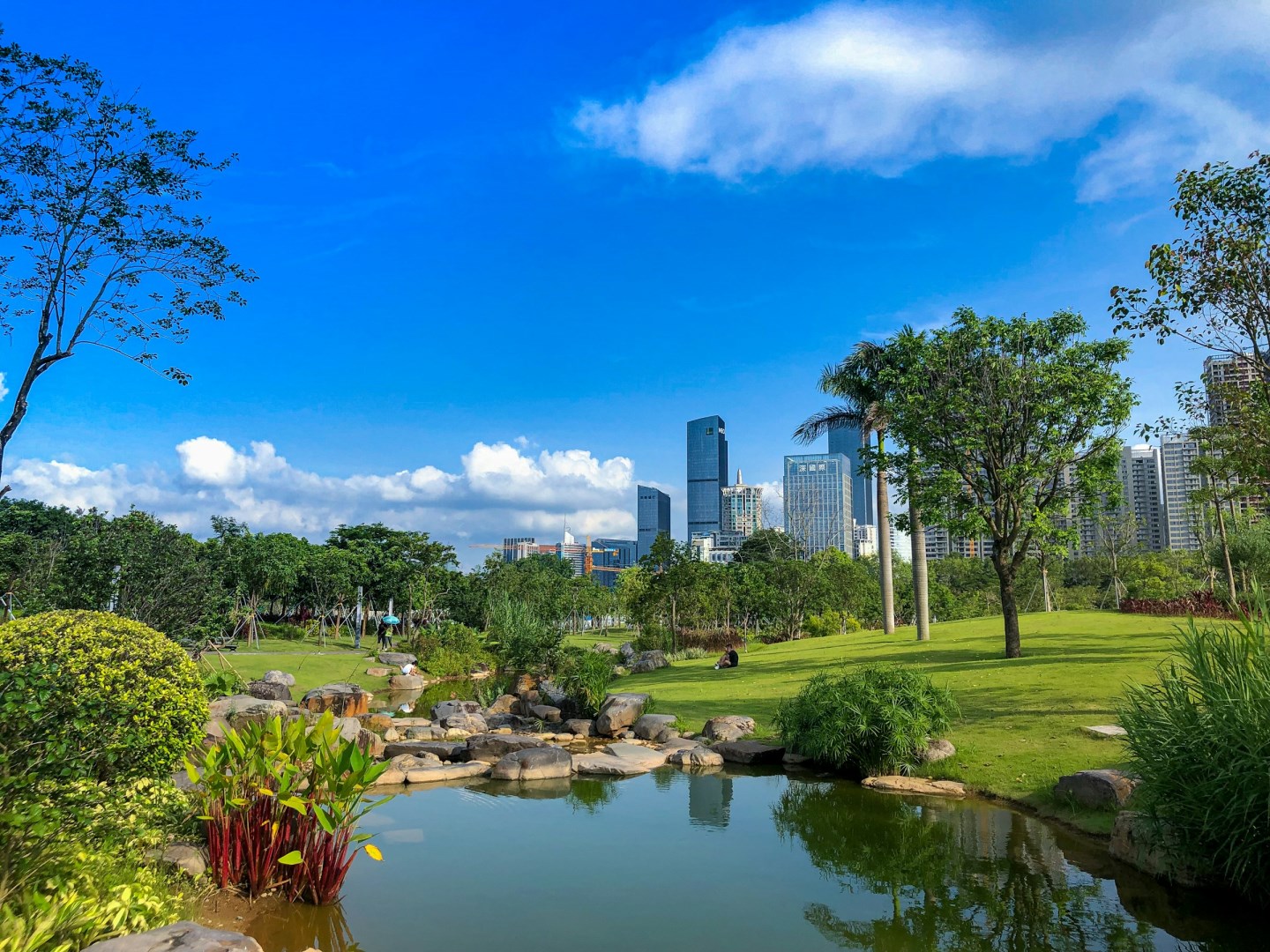
Shenzhen, a dynamic metropolis in southern China, offers a unique blend of modernity and innovation. As a global technology hub, the city is renowned for its sleek skyscrapers and cutting-edge infrastructure. A visit to the Shenzhen Civic Center showcases the city's ambitious architecture, with its impressive glass buildings and futuristic design. The Shenzhen Museum, located nearby, provides a deep dive into the city's rapid development from a fishing village to a high-tech powerhouse.
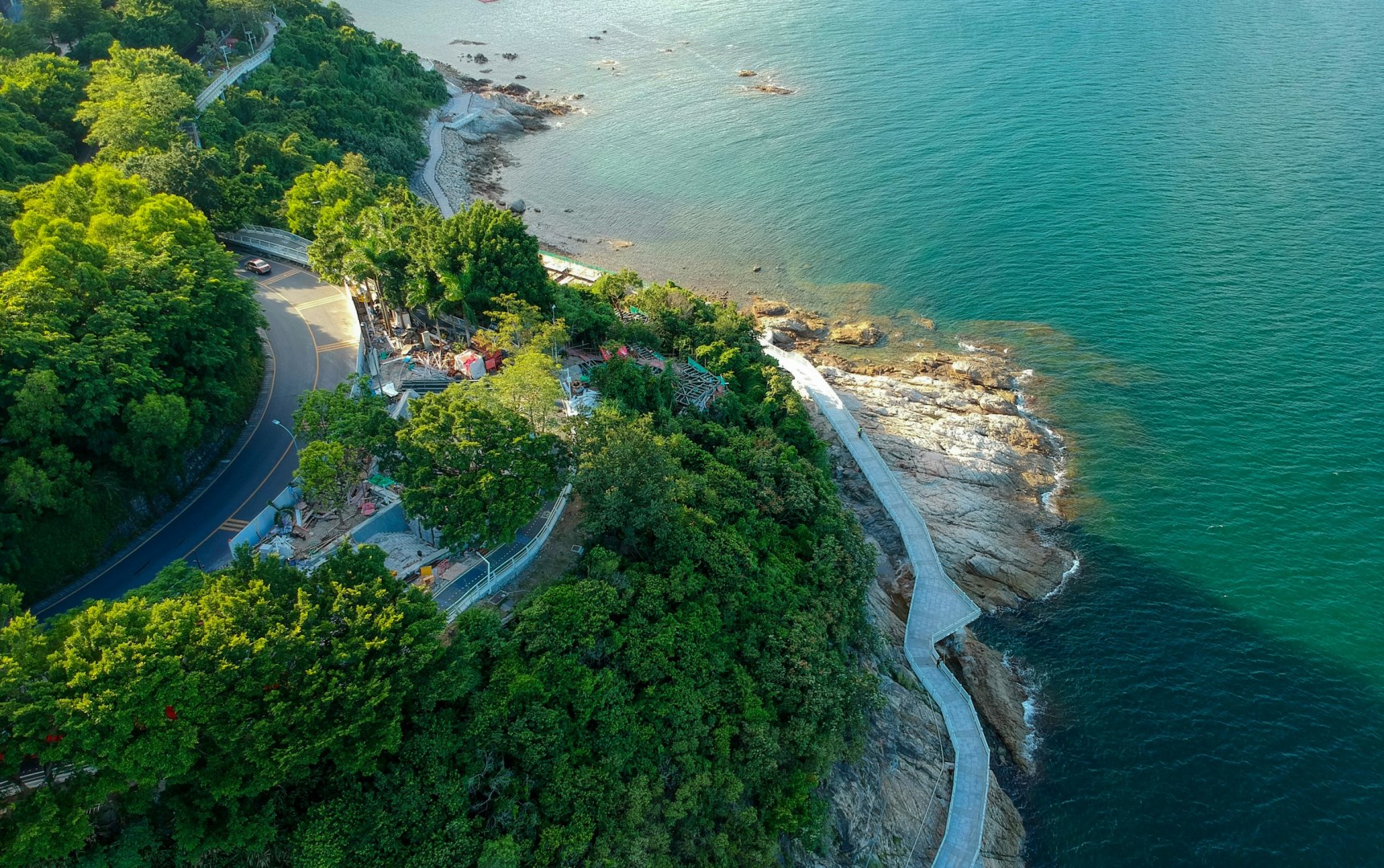
For a taste of Shenzhen’s cultural diversity, head to the vibrant Huaqiangbei district, often referred to as the "Silicon Valley of China." This bustling area is a treasure trove of electronics and gadgets, making it a must-visit for tech enthusiasts and shoppers alike. Additionally, the Shenzhen Bay Park offers stunning waterfront views and is an ideal spot for relaxation and leisurely strolls. Here, you can enjoy a serene escape with panoramic views of the city’s skyline and the bay.
Culinary experiences in Shenzhen are just as enticing. The city boasts a rich culinary scene, influenced by Cantonese cuisine and international flavors. Don't miss the chance to explore the various street food markets, where you can sample local delicacies such as dim sum and freshly made seafood. For a more refined dining experience, the city is home to several high-end restaurants offering exquisite dishes from around the world.
Other Popular Destinations in China
Beijing
Beijing, the capital of China, is a city where history and modern life intersect on a grand scale. Ancient landmarks like the Forbidden City, Tiananmen Square, and the Temple of Heaven reflect centuries of imperial heritage, while the Great Wall lies just outside the city, offering views of one of the most famous engineering feats in the world.
Shanghai
Shanghai is a city where contrasting timelines meet at every corner. Once a small fishing village along the Huangpu River, it grew rapidly during the 19th century into a major trading port. Today, its skyline tells a story of that transformation. On one side, the Bund’s colonial-era buildings stand tall in limestone and granite; on the other, the futuristic towers of Pudong, like the Shanghai Tower and Jin Mao, stretch into the clouds.