Siena
In the walled city of Siena we stand firmly planted in the Middle Ages. Siena preserved its original character more markedly than any other city in Italy.

Motril
Motril, Spain, is located near the Guadalfeo River on the Mediterranean coast in the province of Granada. Sugar cane refineries form the backbone of Motril's economy, though tourism is also an essential industry.
Monte Albán
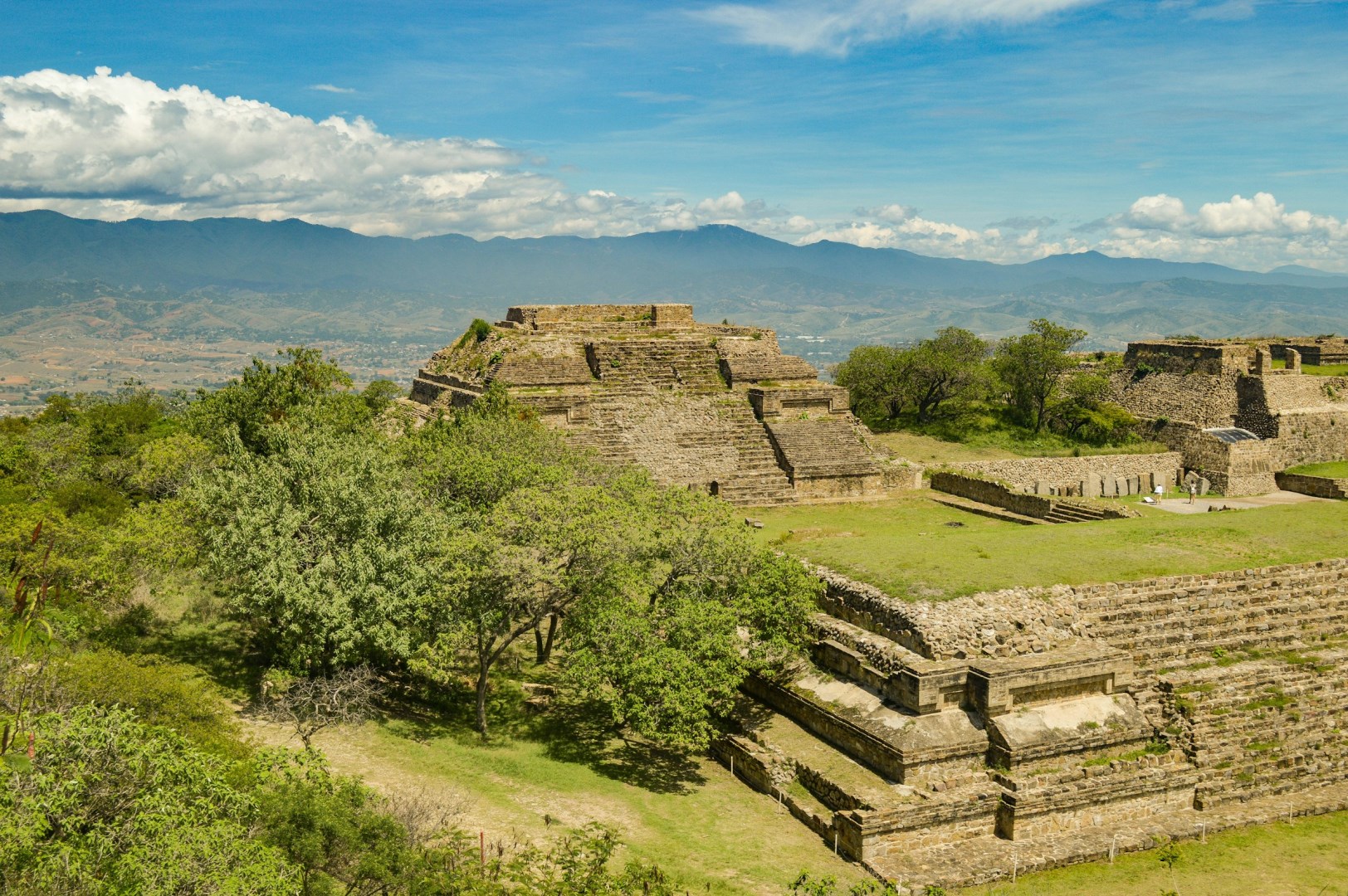
Over a hilltop flattened into a plateau, Monte Albán, the oldest city in mesoamerica, raise it's sacred architecture; holy harmony that eludes elementary symmetry and gives birth to amazing combination of masse and spaces revealing the enormous forces of a spirit whose an coincides with the idea of a perfect universe.
Amboy
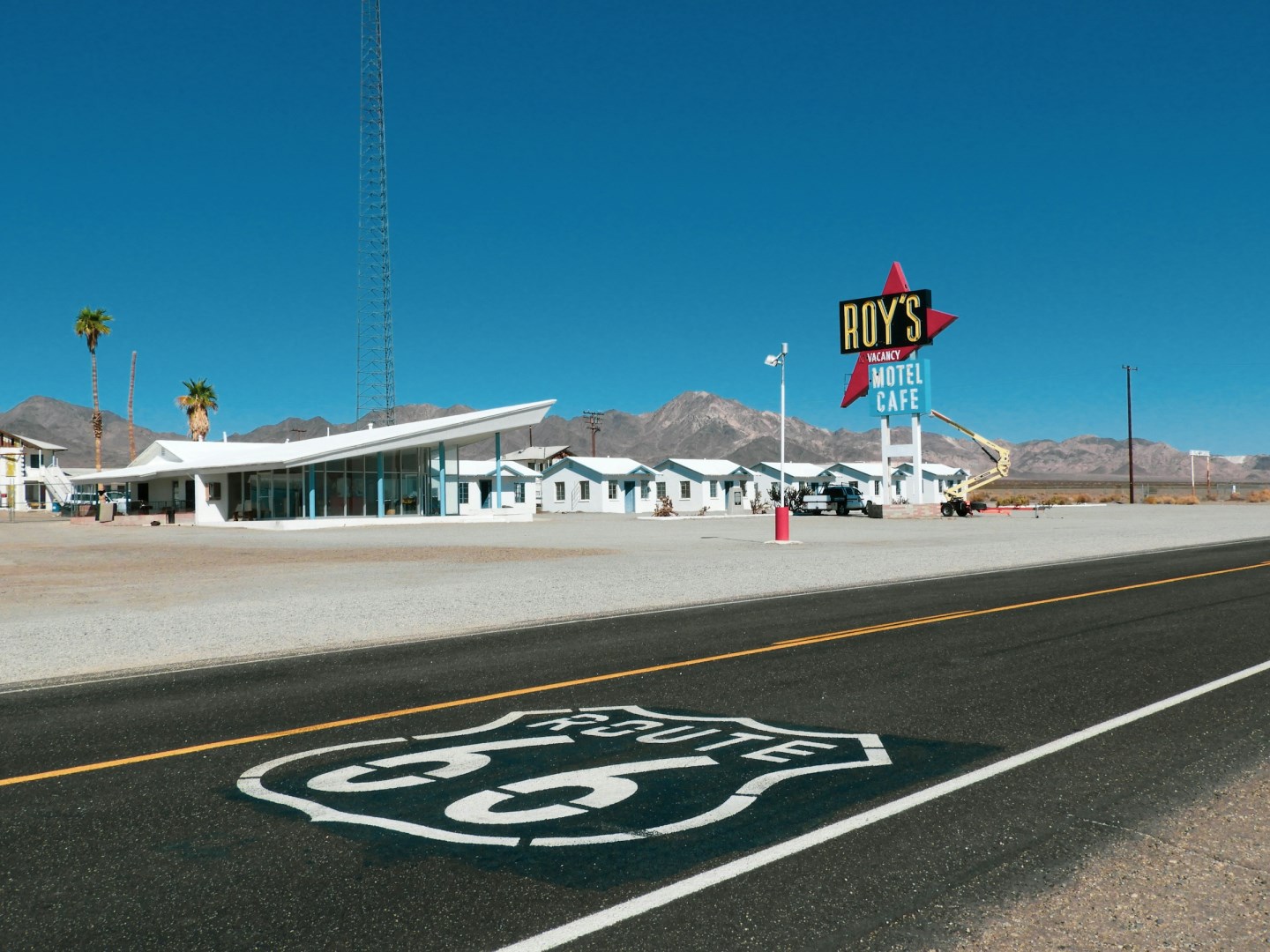
Amboy is a small desert community in San Bernardino County, California, located along the historic U.S. Route 66 in the Mojave Desert. The settlement sits near Amboy Crater, a broad volcanic cinder cone rising from a largely open lava field. Its isolated location and surviving roadside structures provide a clear sense of the distances once traveled by motorists crossing the desert.
Puerto Princesa
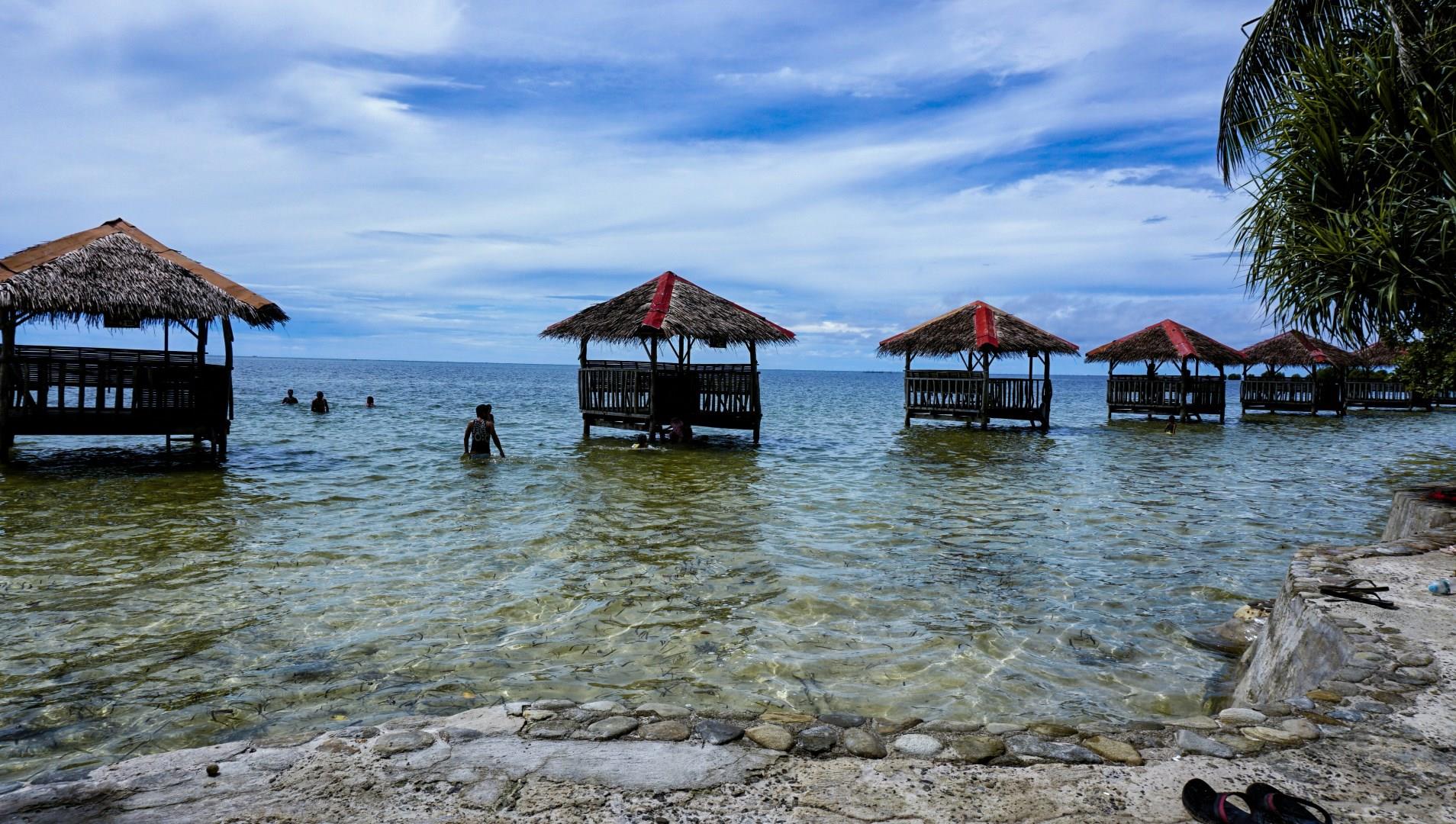
Puerto Princesa, the capital of Palawan in the Philippines, is often seen as the gateway to some of the country’s most remarkable natural landscapes.