

York
York, England, is a city where over 2,000 years of history comes to life. Originally founded by the Romans in 71 AD as Eboracum, York has witnessed the rise and fall of empires, from the Vikings to the Normans. Today, the city retains its medieval charm, with its historic York Minster, one of the largest Gothic cathedrals in Northern Europe, standing proudly as its centerpiece.

Dominica
Dominica, known as the “Nature Island of the Caribbean,” is a haven for eco-tourists and adventure seekers. Nestled between the French islands of Guadeloupe and Martinique, this lush island boasts a remarkable landscape of volcanic mountains, dense rainforests, and stunning waterfalls. Dominica’s most iconic natural wonder is the Boiling Lake, the second-largest hot spring in the world.

Santa Cruz de La Palma
Santa Cruz de La Palma is the capital of the island of La Palma, one of the seven Canary Islands. Although often forgotten in favor of the similarly named Santa Cruz de Tenerife, it is a compact and colorful colonial town well worth a visit. Swimming, paragliding, and hiking and some of the most popular daytime activities, while stargazing is a favorite pastime after the sun goes down.
Nazca
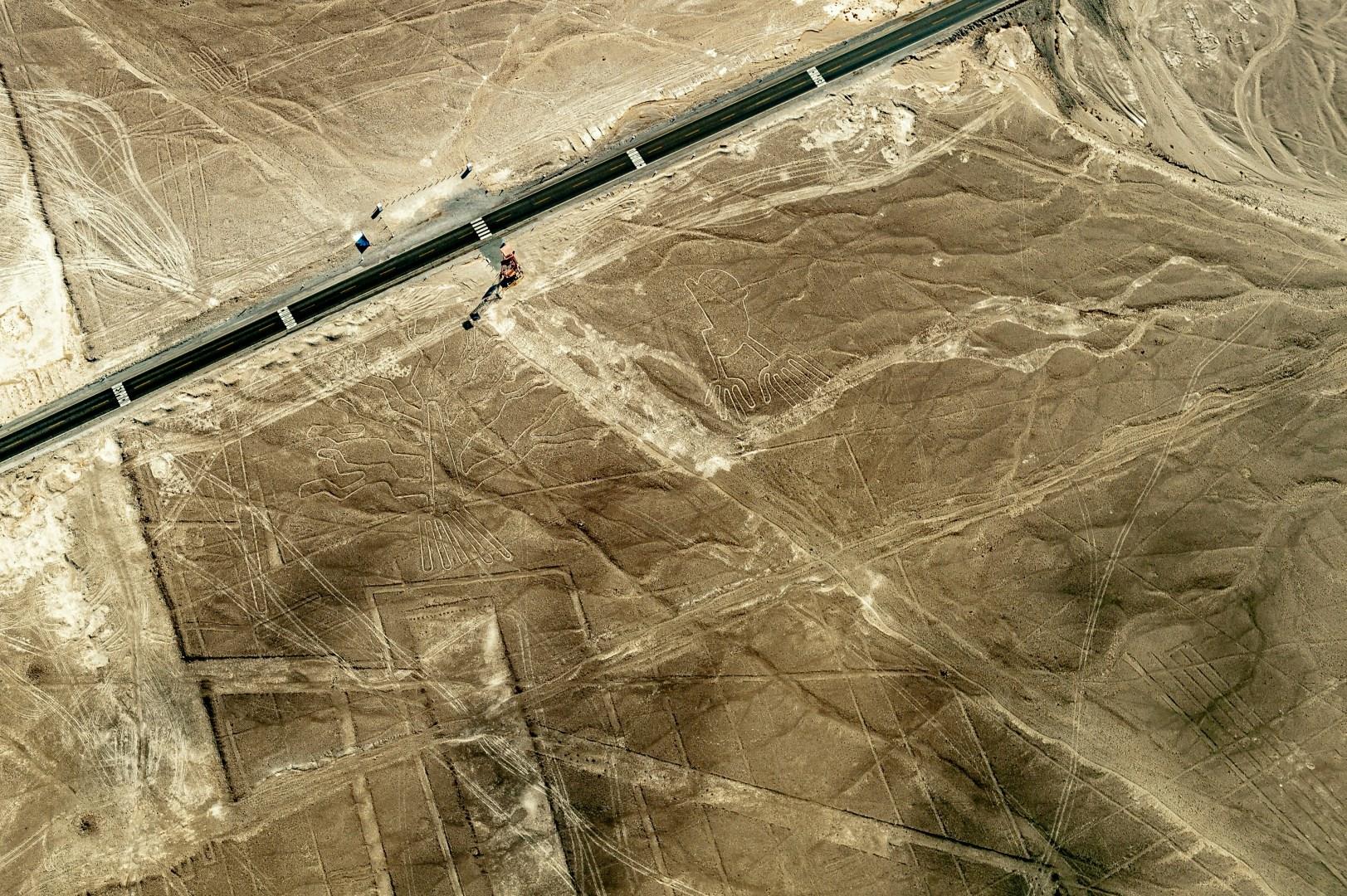
In the southern deserts of Peru, Nazca invites visitors to look beyond the horizon. This small city is world-famous for the mysterious Nazca Lines, enormous geoglyphs etched into the desert floor more than 1,500 years ago. From the air, shapes like hummingbirds, monkeys, and even a stylized astronaut come into view, some stretching over 300 meters. Their exact purpose remains a mystery, fueling decades of theories.
South Shetland Islands
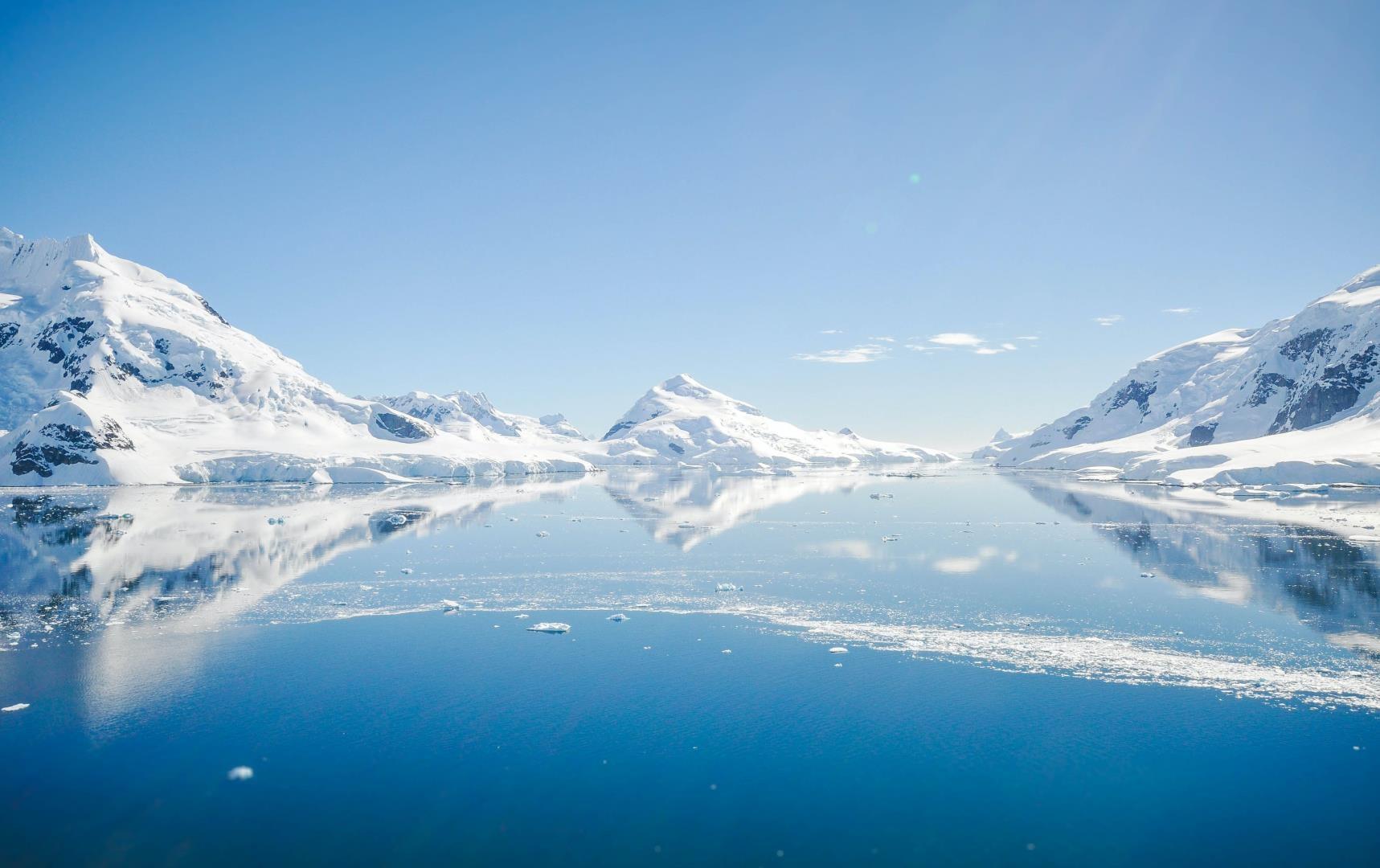
Mist, research stations, and penguins are just a few of the things that define the South Shetland Islands, an archipelago off the coast of Antarctica. These 11 Antarctic islands, most notably King George Island, have served as a base for researchers from Chile, Argentina, and a variety of other countries. The archipelago has also become a popular cruise destination for tourists to the Antarctic region.
