

Thailand
Thailand is a country where centuries-old traditions coexist with vibrant modern life. From ancient kingdoms that left behind grand temples and ruins to lively festivals filled with music, dance, and color, Thai culture is deeply rooted in spirituality and community.

Noumea
Nouméa, the vibrant capital of New Caledonia, offers a captivating mix of French sophistication and Pacific charm. This bustling city is renowned for its beautiful beaches, such as Anse Vata, where turquoise waters and white sand invite relaxation and water sports.
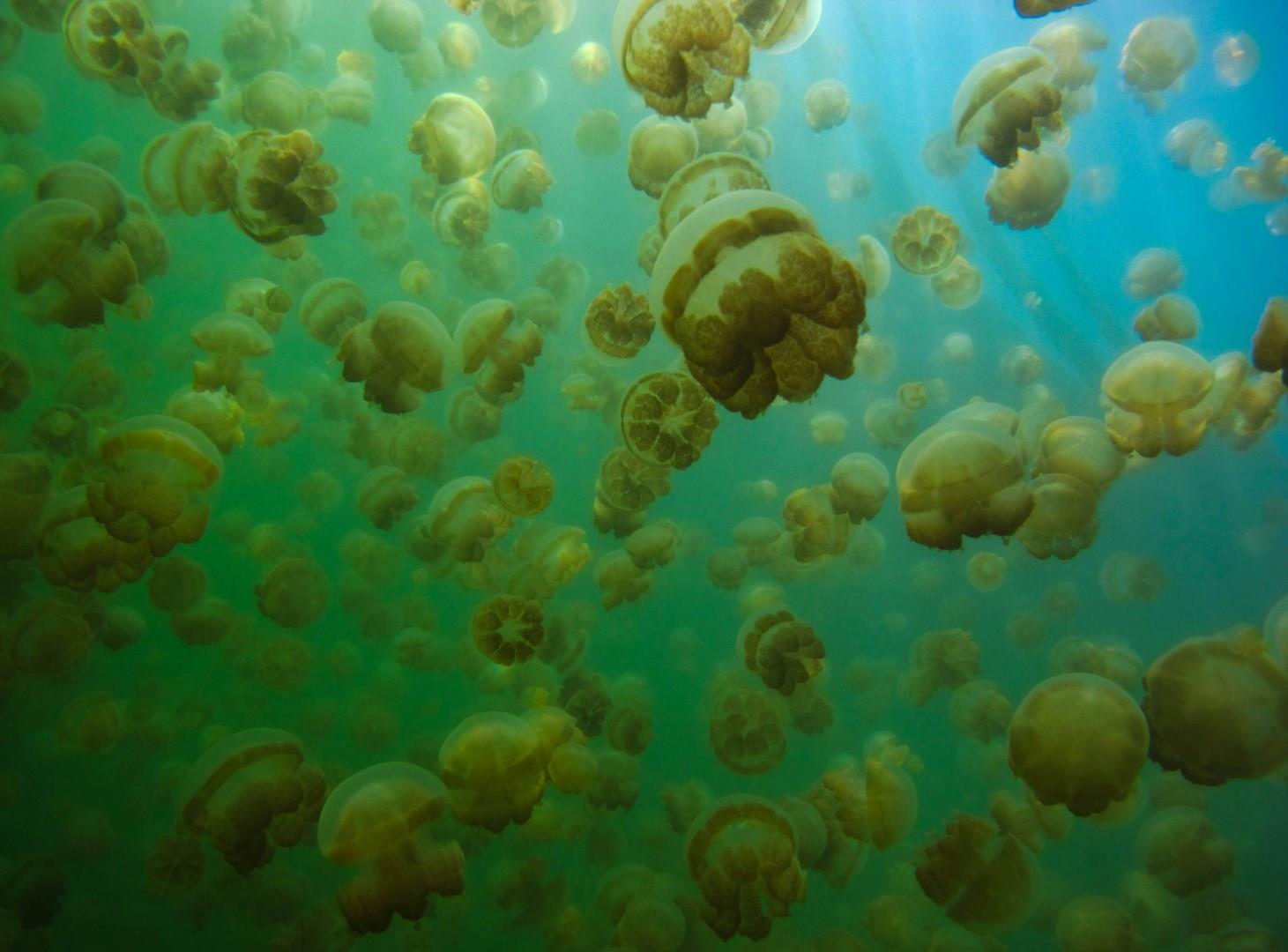
Jellyfish Lake
Jellyfish Lake is a shadowed oasis hidden among the mushroom-like Rock Islands of Palau. This forest‑fringed saltwater lake invites visitors to float with millions of gentle, stingless jellyfish that glow like drifting amber clouds under emerald light. The lake formed about 12,000 years ago, when rising seas flooded an ancient reef basin that was gradually cut off from the ocean. Over centuries, its jellyfish evolved in isolation, shedding their stings and multiplying without predators in sight.

Pisek
Písek, a picturesque city in the South Bohemian Region of the Czech Republic, is a hidden gem steeped in history and charm. One of its most notable landmarks is the Písek Stone Bridge, the oldest preserved bridge in the country. Built in the 13th century, this Gothic bridge spans the Otava River and is a testament to medieval engineering.

Nanortalik
Nanortalik is a destination that combines pristine natural beauty, thrilling outdoor activities, and authentic cultural experiences. Whether climbing rugged peaks, kayaking through fjords, or simply immersing oneself in the town’s serene atmosphere, Nanortalik provides a unique glimpse into Greenland’s awe-inspiring Arctic world.
