

South America
South America is a continent of striking contrasts, where towering mountain ranges meet vast rainforests, arid deserts, and sprawling coastlines. From the icy fjords of the south to the tropical warmth of the north, each region offers its own landscapes, wildlife, and cultural expressions.

Copan
Copán, Honduras, is a hidden gem in Central America that beckons travelers with its extraordinary blend of ancient history, lush landscapes, and vibrant local culture. Known as the "Athens of the Maya," Copán is home to one of the most significant and well-preserved archaeological sites of the Mayan civilization, a UNESCO World Heritage Site.
Mexico City
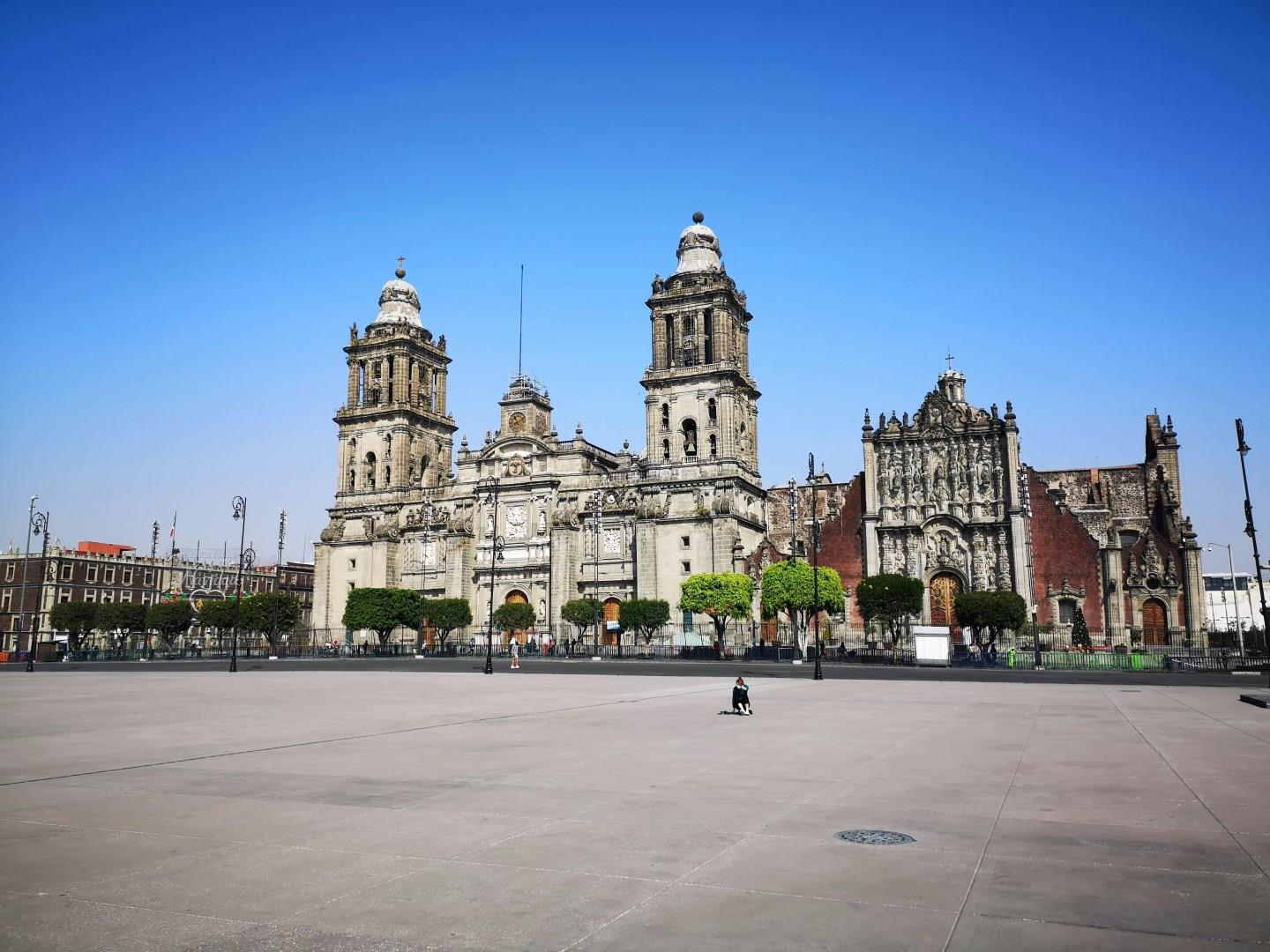
Mexico City sits on the high plateau of central Mexico, layered with more than seven centuries of history and culture. Built atop the ruins of the Aztec capital Tenochtitlán, the city reflects a continuous dialogue between Indigenous foundations, Spanish colonial influence, and modern urban life.
Macao
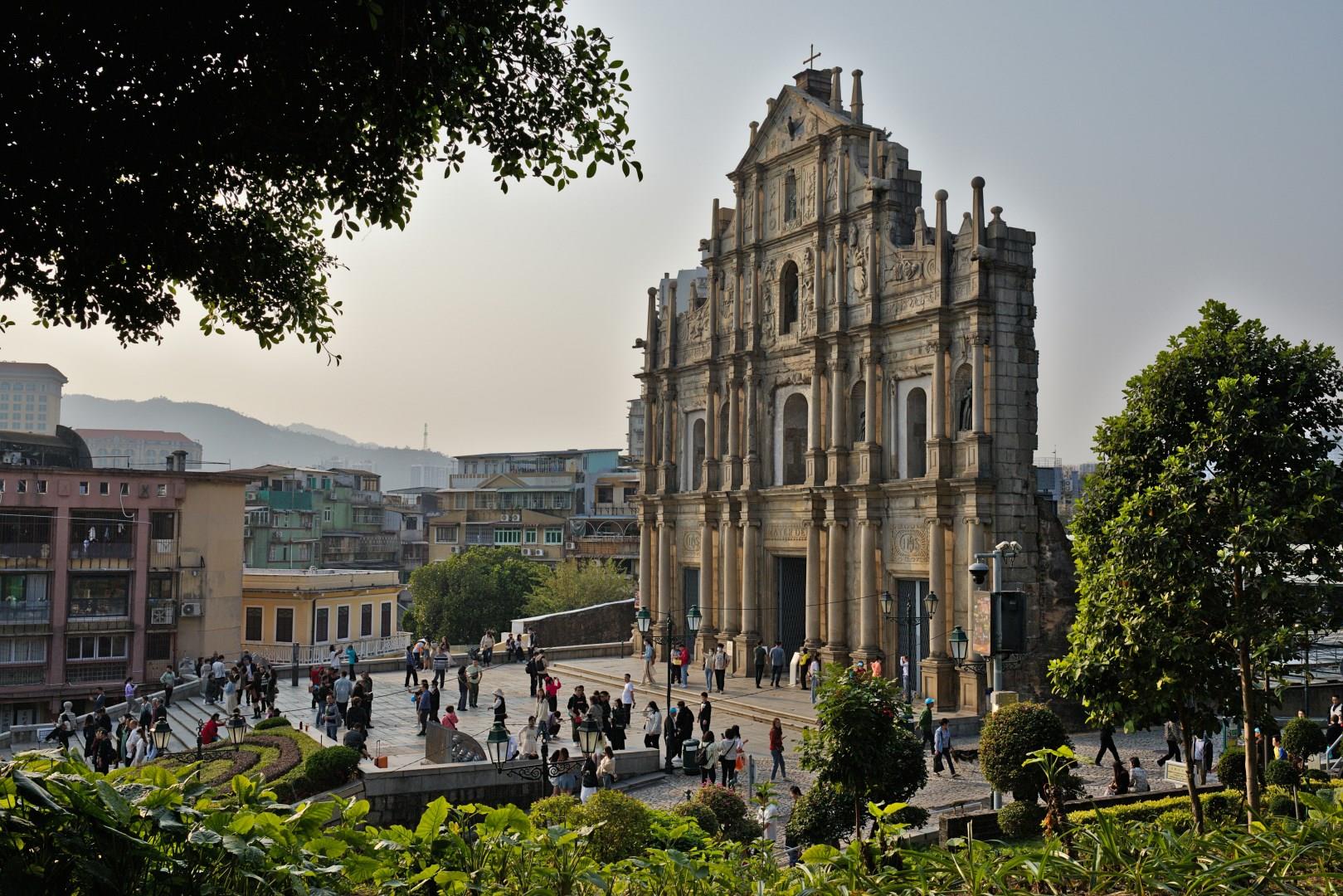
Macao, a Special Administrative Region of China, is known for its distinctive blend of Portuguese and Chinese heritage. Once a Portuguese colony, the city retains historic squares, colonial architecture, and cobblestone streets that contrast with its modern skyline of resorts and entertainment complexes.
Moraine Lake
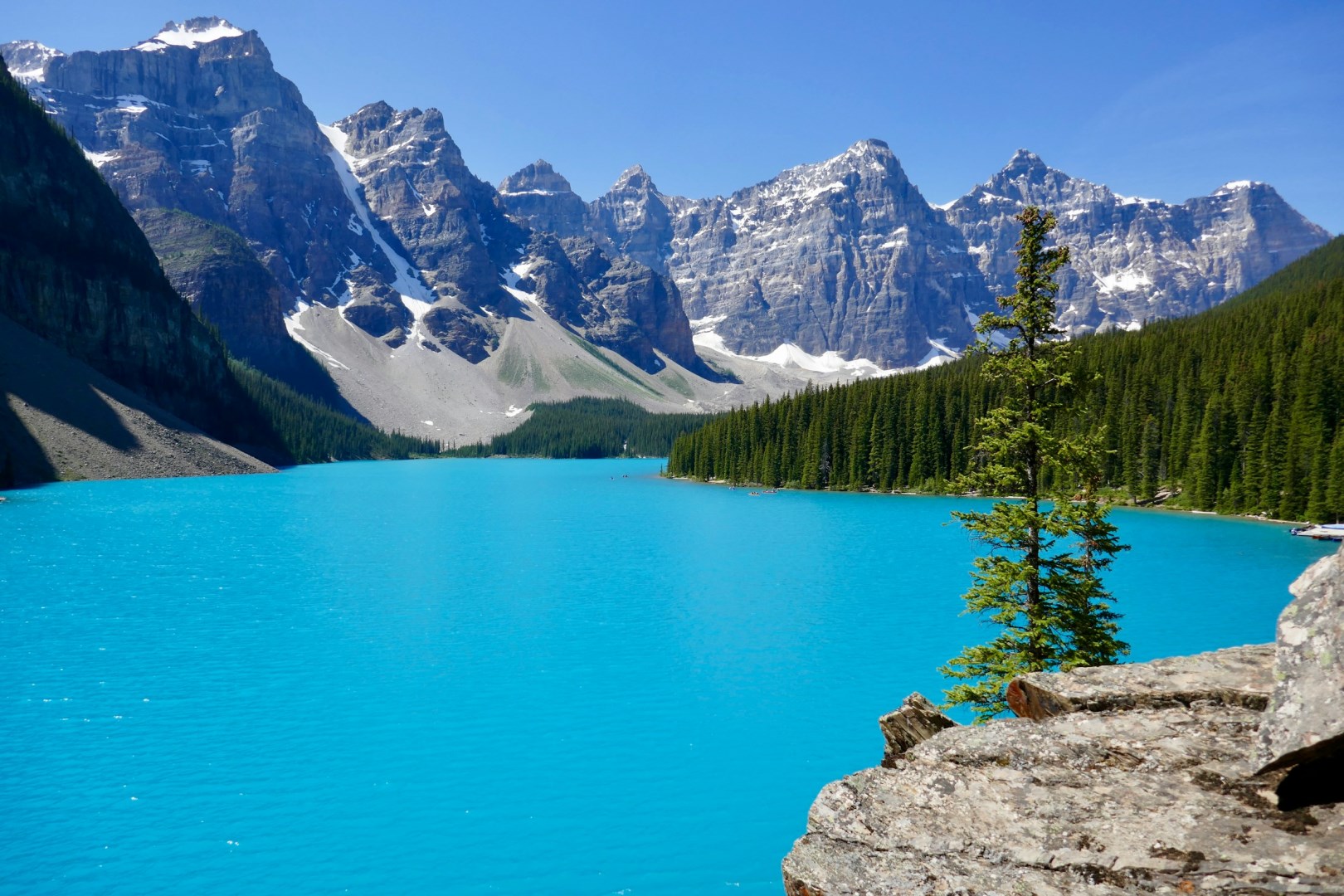
Moraine Lake is a glacial lake in Banff National Park, Alberta, surrounded by the peaks of the Valley of the Ten Peaks. Its turquoise water is fed by glacial meltwater, while dense coniferous forest covers the lower slopes around the shoreline. The lake sits in a high mountain basin reached by a winding road from the Lake Louise area. Its setting within the Canadian Rockies places it among alpine landscapes of steep peaks, glaciers, rock faces, and mountain valleys.
