
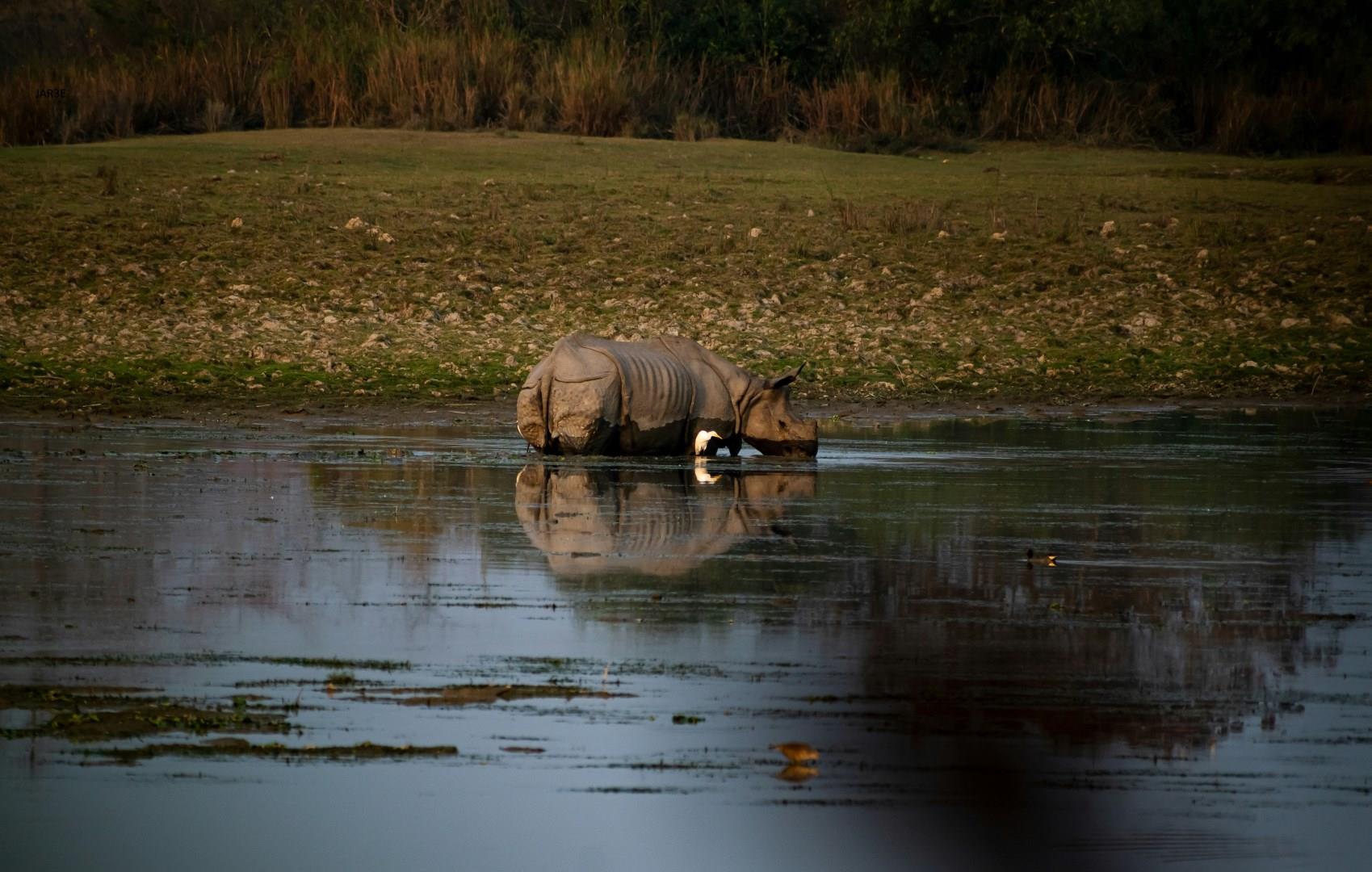
Kaziranga National Park
Kaziranga National Park stretches across the floodplains of the Brahmaputra River in Assam, shaped as much by water as by wildlife. Established in the early 20th century, it became central to conservation efforts in India, most notably for the greater one-horned rhinoceros. The park’s history reflects a long negotiation between protection, seasonal flooding, and the human communities that live around its edges.
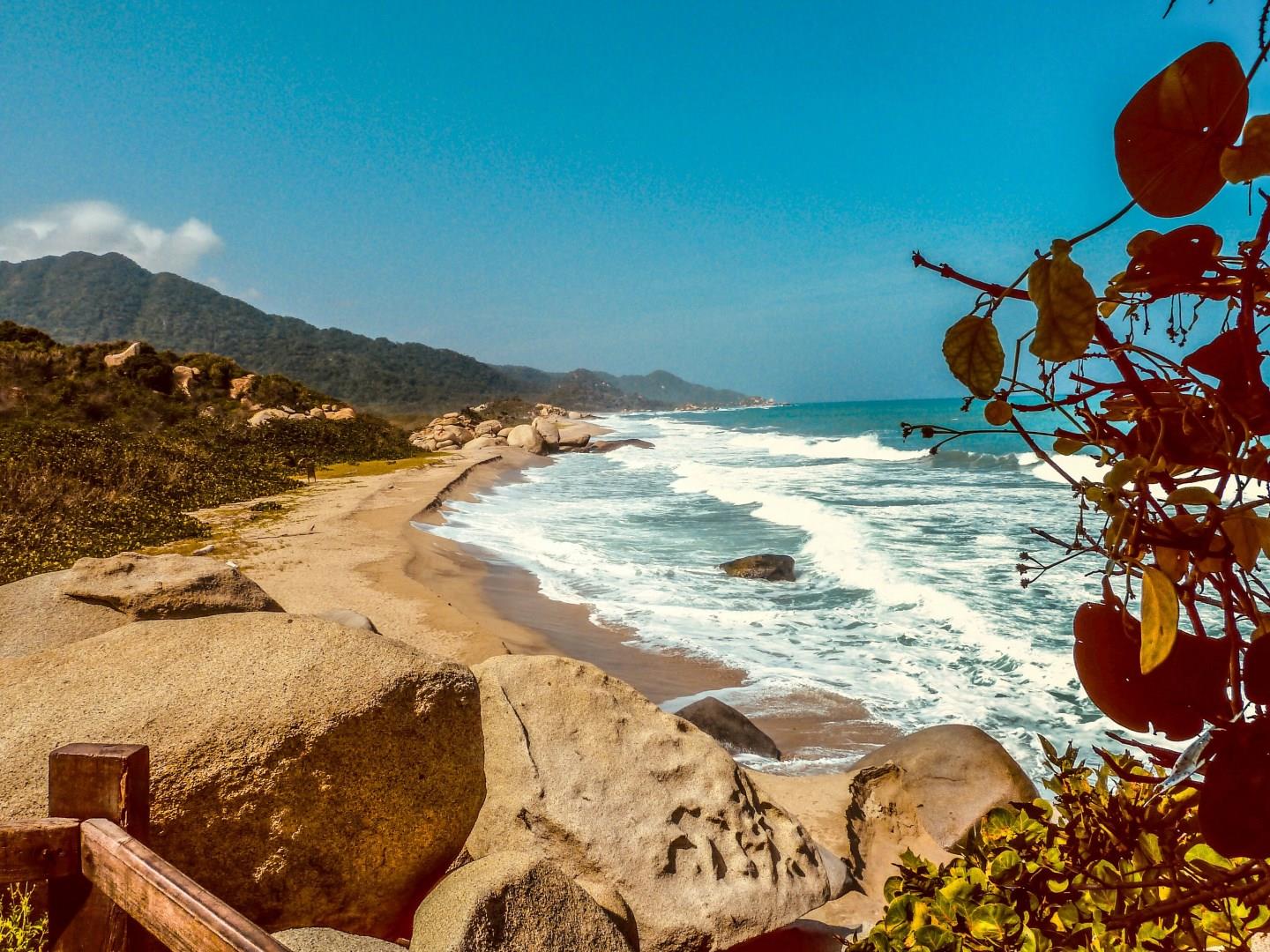
Tairona National Park
Tayrona National Natural Park, located on Colombia’s northern Caribbean coast, is where the Sierra Nevada mountains plunge into the sea, creating a landscape of wild beaches, dense rainforest, and ancient archaeological sites. Just an hour from Santa Marta, this protected area stretches over 150 square kilometers of land and marine territory. Its coastline is dotted with hidden coves, palm-fringed bays, and massive boulders sculpted by wind and time.
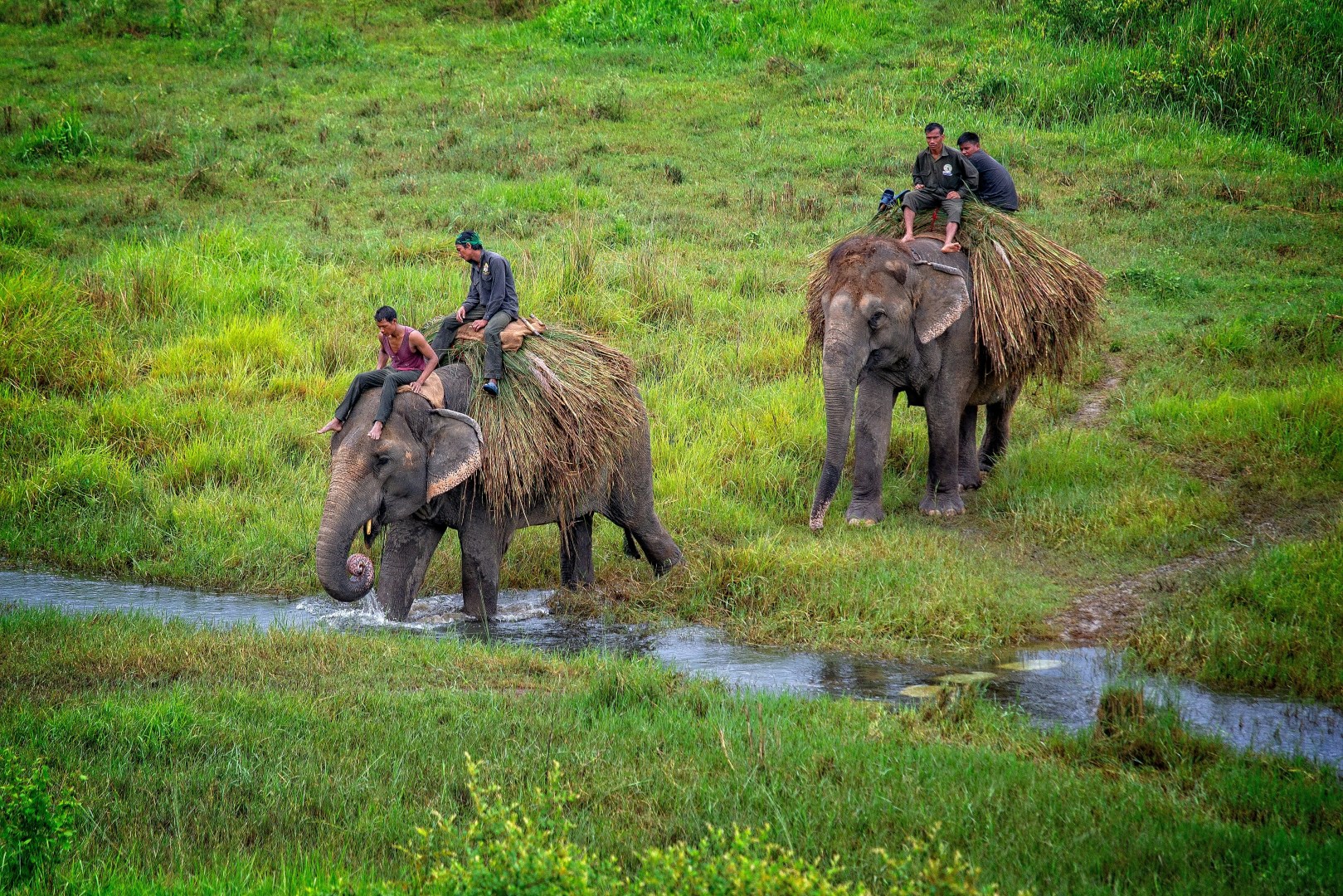
Chitwan National Park
Chitwan National Park is one of Nepal’s most important protected natural areas. Located in the subtropical lowlands of southern Nepal, the park is known for dense sal forests, grasslands, rivers, and a large concentration of wildlife.

Saint Andrews
Saint Andrews, a picturesque town on Scotland's east coast, is a captivating blend of history, culture, and natural beauty. Known as the "Home of Golf," it is celebrated worldwide for its historic Old Course, one of the oldest golf courses in the world, dating back to the early 15th century. Golf enthusiasts will find a pilgrimage to the iconic Swilcan Bridge or the 18th hole of the Old Course to be an unforgettable experience.
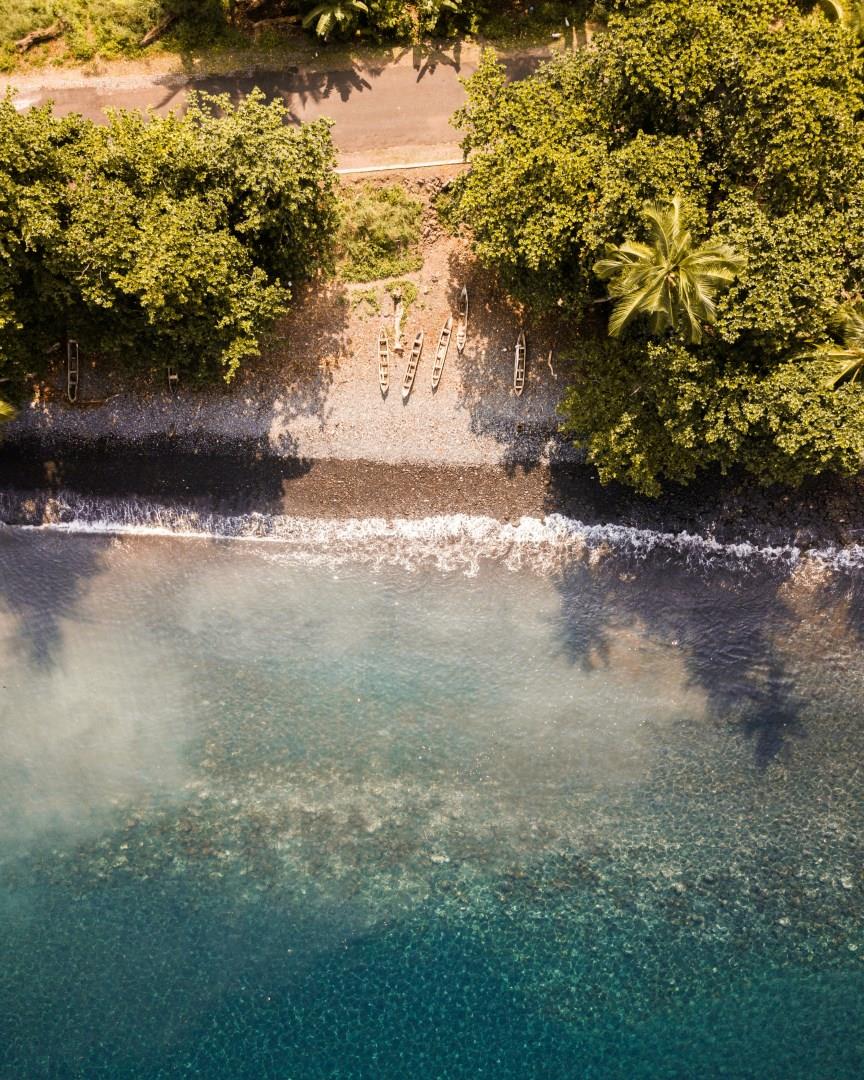
Sao Tome Island
São Tomé Island, the larger of the two islands in São Tomé & Príncipe, offers travelers a balance of culture, history, and dramatic natural scenery. Its capital, São Tomé city, is a coastal hub filled with colonial architecture, lively markets, and a welcoming atmosphere.
