

Skopje
Skopje, the capital of North Macedonia, offers a fascinating blend of ancient history and modern transformation. A walk through the city reveals layers of Roman, Byzantine, and Ottoman influences, making it a treasure trove for history lovers. Begin your journey at the iconic Stone Bridge, a symbol of the city that dates back to the 15th century, linking the Ottoman Old Bazaar with Skopje’s modern city center.

Malta
Malta, a small island nation in the heart of the Mediterranean, offers visitors a rich blend of history and vibrant local culture. Its capital, Valletta, is a UNESCO World Heritage site filled with grand Baroque architecture, narrow streets, and significant historical landmarks like St. John’s Co-Cathedral, home to masterpieces by Caravaggio. The city's fortifications tell stories of centuries of military importance, guarding one of Europe’s busiest harbors.
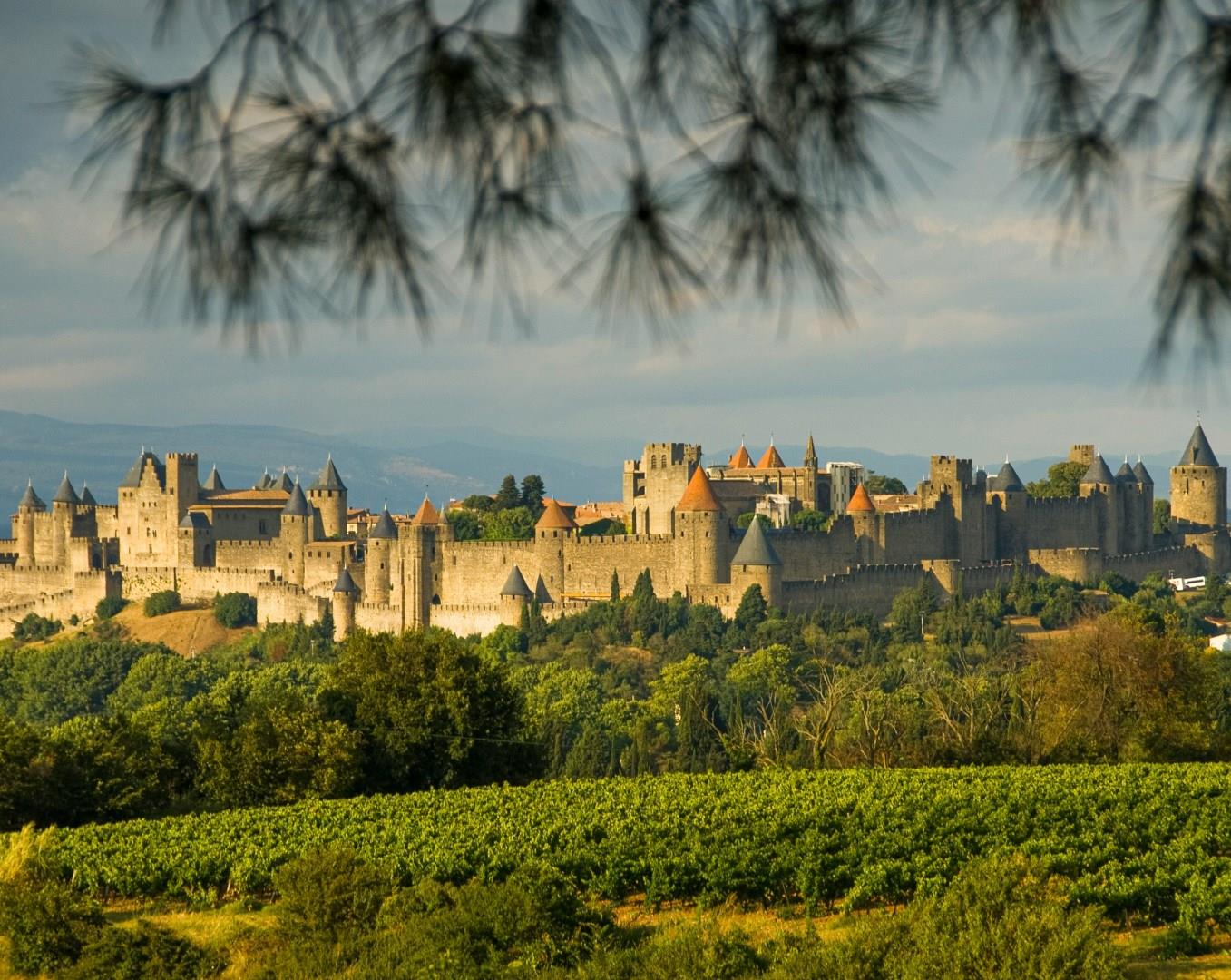
Carcassonne
Carcassonne is a fortified city in southern France, rising above the Aude River with walls and towers that feel lifted from another century. Its origins stretch back to Roman times, but the city is best known for its medieval citadel, rebuilt and expanded during the Middle Ages when Carcassonne became a strategic stronghold on key trade and military routes.

Bergen
Charming Bergen will sweep you away with its picturesque architecture and breathtaking natural beauty. Nestled between stunningly verdant mountains and the winding fjords of the North Sea, this scenic town will delight you at every turn.
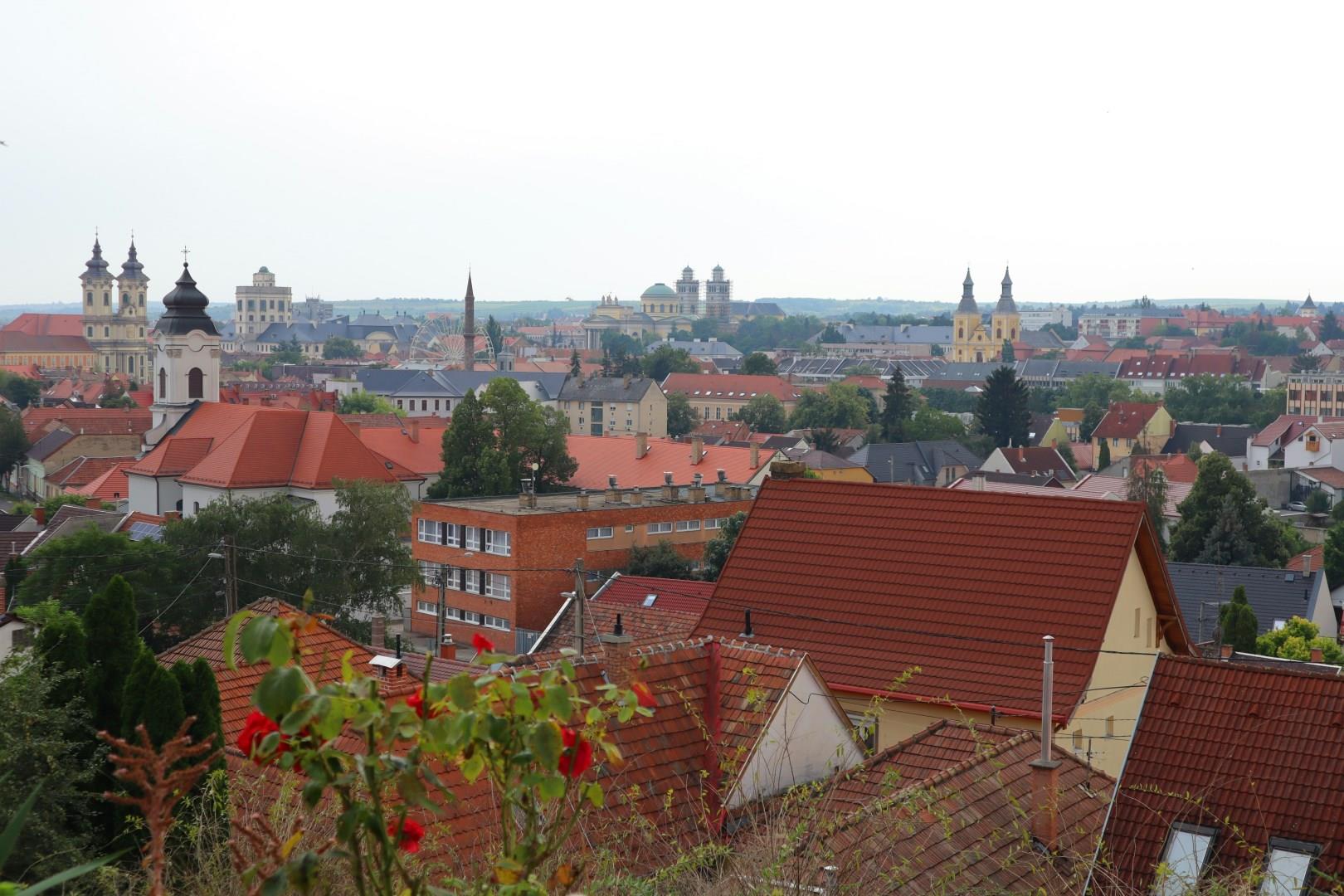
Eger
Eger sits in northern Hungary and is known for its well preserved Baroque center, historic castle and long tradition of wine and craft that draw visitors from across Europe. Just beyond the historic center, generations of winemakers have perfected local styles and offer tastings of local varieties. A casual afternoon here can feel like a gentle cellar crawl, with seasonal music or simple snacks adding to relaxed tastings under vine covered walkways.
