
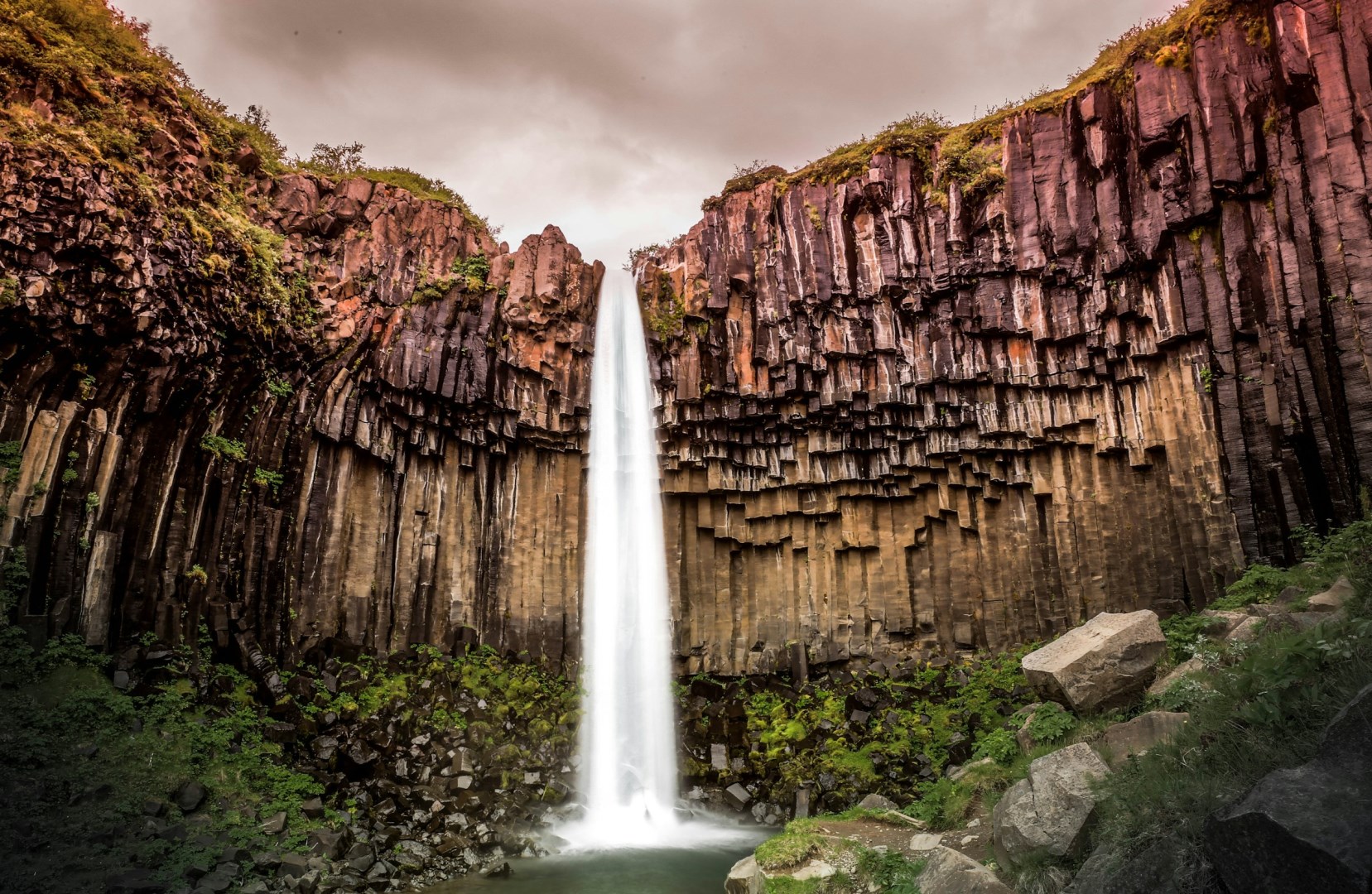
Vatnajökull National Park
Vatnajökull National Park is one of Iceland’s largest protected areas, extending across a vast landscape of glaciers, volcanoes, lava fields, mountains, rivers, and glacial plains. At its center lies Vatnajökull, Iceland’s largest ice cap, whose outlet glaciers spread into surrounding valleys and lowlands. The park stretches across southeast and central Iceland and includes several distinct regions, from Skaftafell and Jökulsárlón to the volcanic landscapes of Askja and Kverkfjöll.
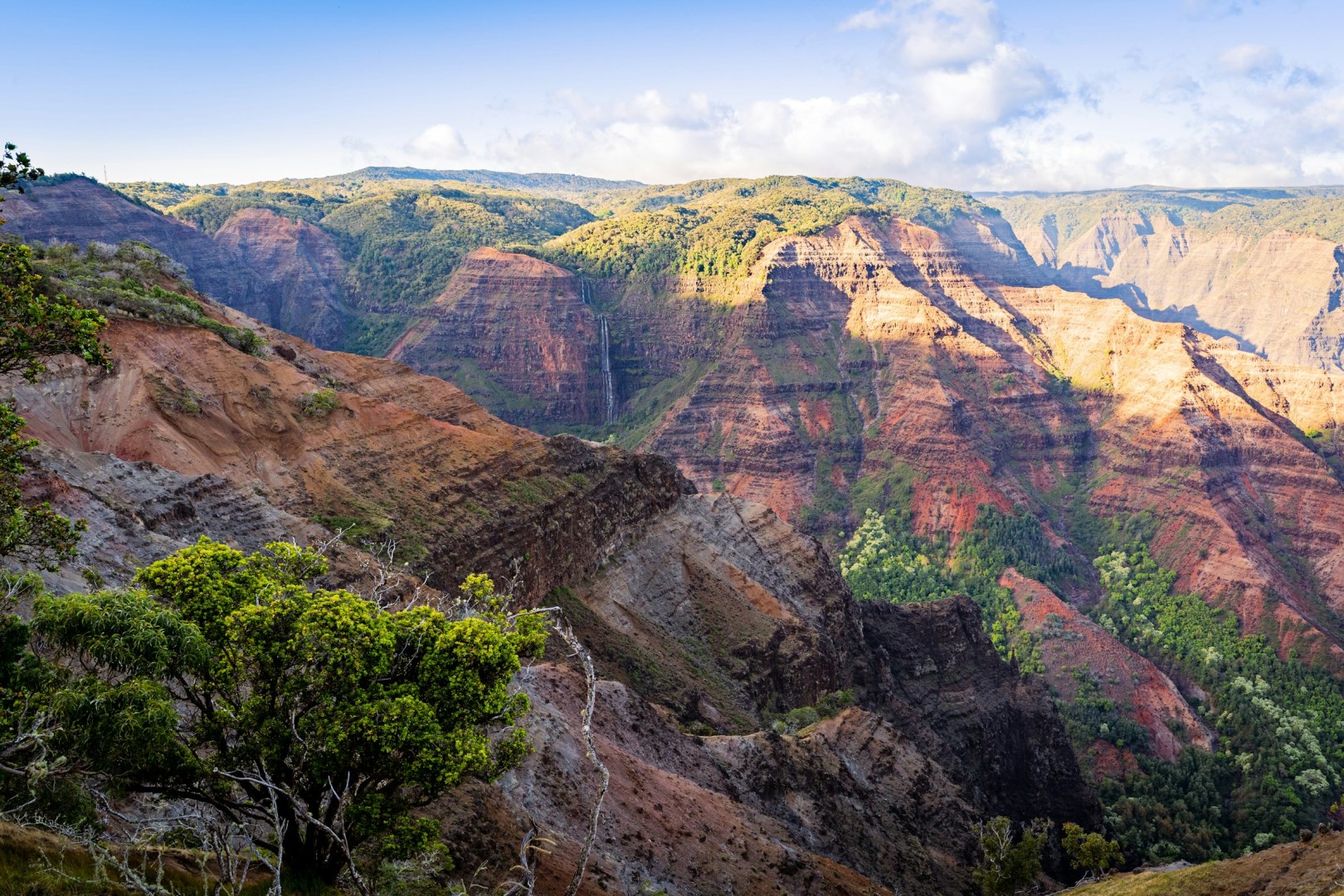
Waimea Canyon, Kauai
The Canyon valleys of the Waimea River and its tributary were once heavily populated, and the town was an early center of native government. It was here that Captain James Cook, English Navigator-Explorer, made his first landing in the Hawaiian Islands on January 20, 1778. Waimea developed as a provisioning port for whalers and sandalwood traders. A ruined Russian fort, built (1815) in a futile attempt to seize the isle, occupies a coastal bluff aboe the Waimea River. A rich sugar-plantation
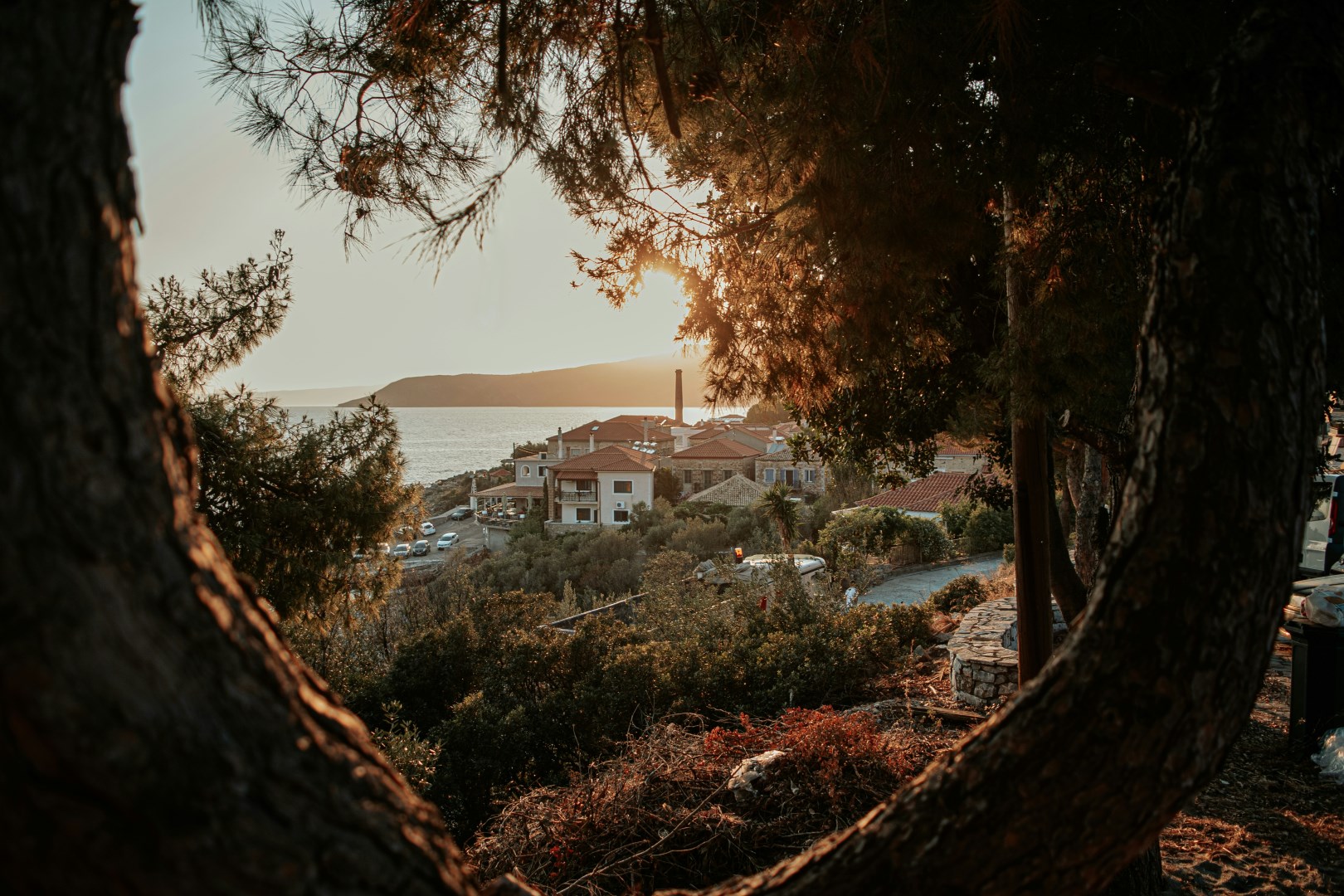
Kardamyli
Kardamyli is a coastal town in the Mani Peninsula of southern Greece, located between the Taygetus Mountains and the Messenian Gulf. Stone houses, olive groves, and narrow streets define much of the settlement, while the surrounding landscape combines steep hills with clear coastal waters.

Santiago
Flanked by the Chilean Coast Range and the snowy Andes, Chile's largest metropolis offers a dazzling array of sights and attractions for visitors to pursue. Mirrored skyscrapers, 16th-century churches, hip cafes, dance clubs... and did we mention the delicious Chilean cuisine?
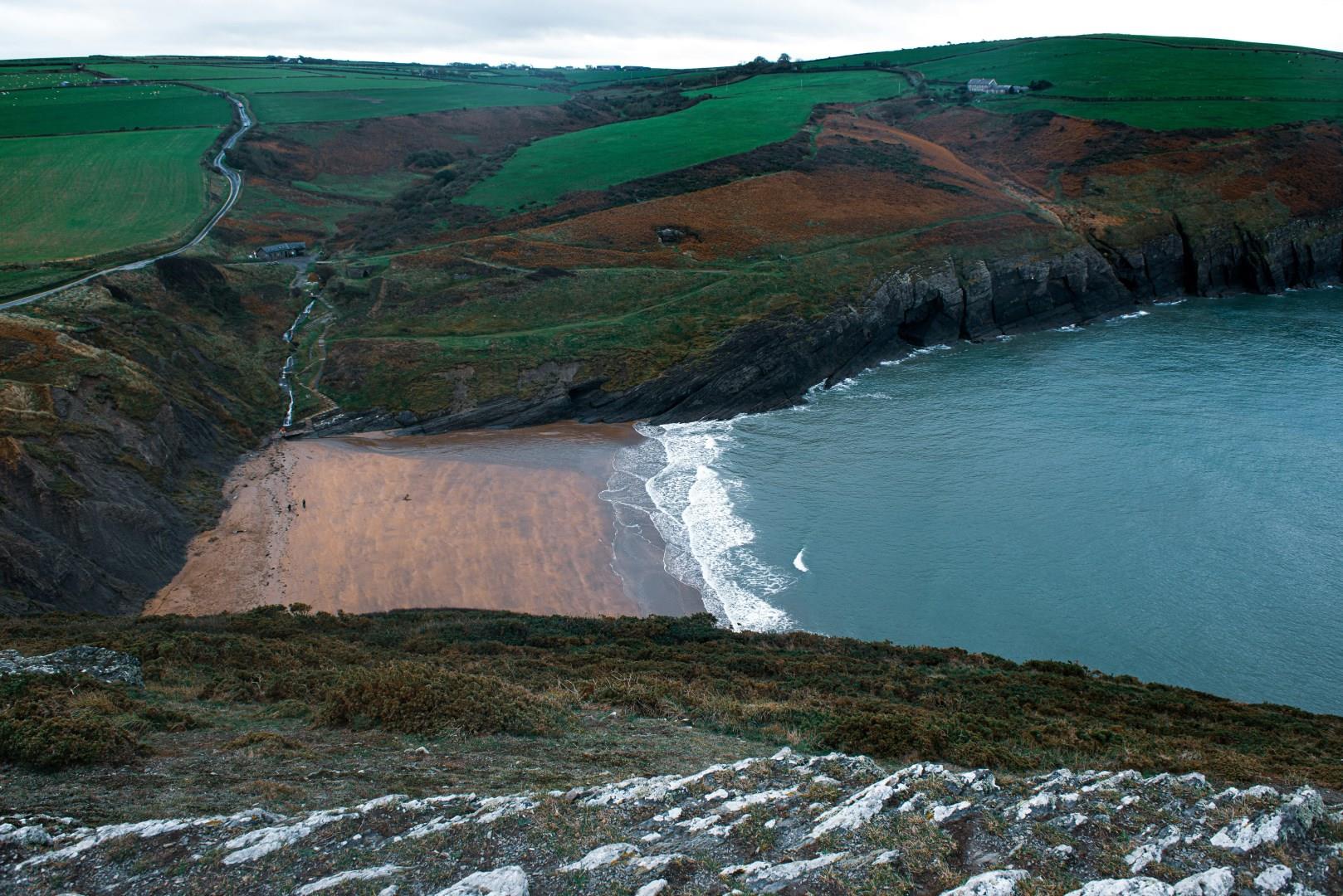
Cardigan
Cardigan sits on the west coast of Wales, where the River Teifi reaches the wide sweep of Cardigan Bay. At the heart of town stands Cardigan Castle, where battlements and gardens overlook the Teifi. The castle’s history includes the first recorded National Eisteddfod in Wales, a cultural competition of music, poetry and performance that still inspires events across the country.
