
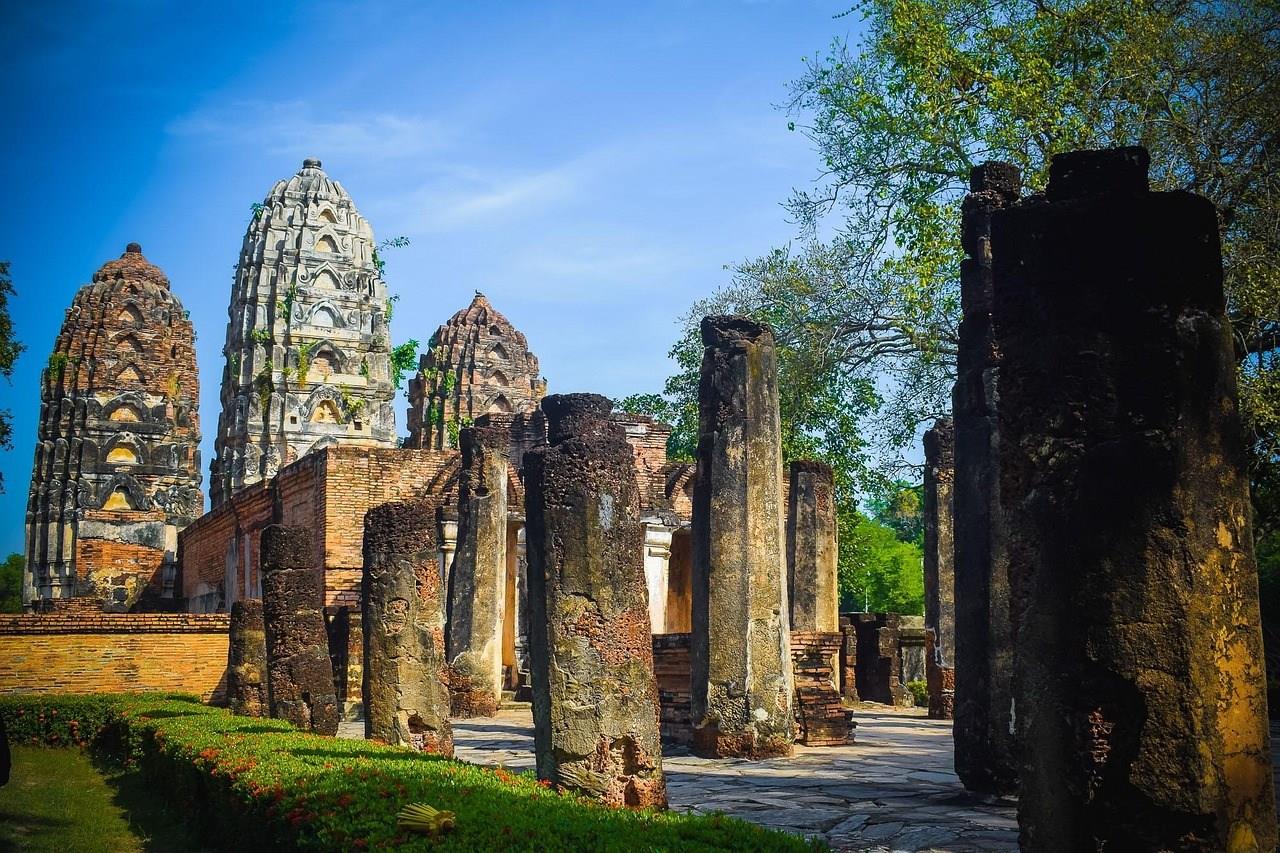
Sukhothai
Sukhothai, located in north-central Thailand, was once the capital of the first independent Thai kingdom in the 13th century. Today, it’s best known for the Sukhothai Historical Park, a UNESCO World Heritage Site filled with stone temples, lotus-filled moats, and ancient Buddha statues. The park spans over 70 square kilometers and features more than 190 ruins.
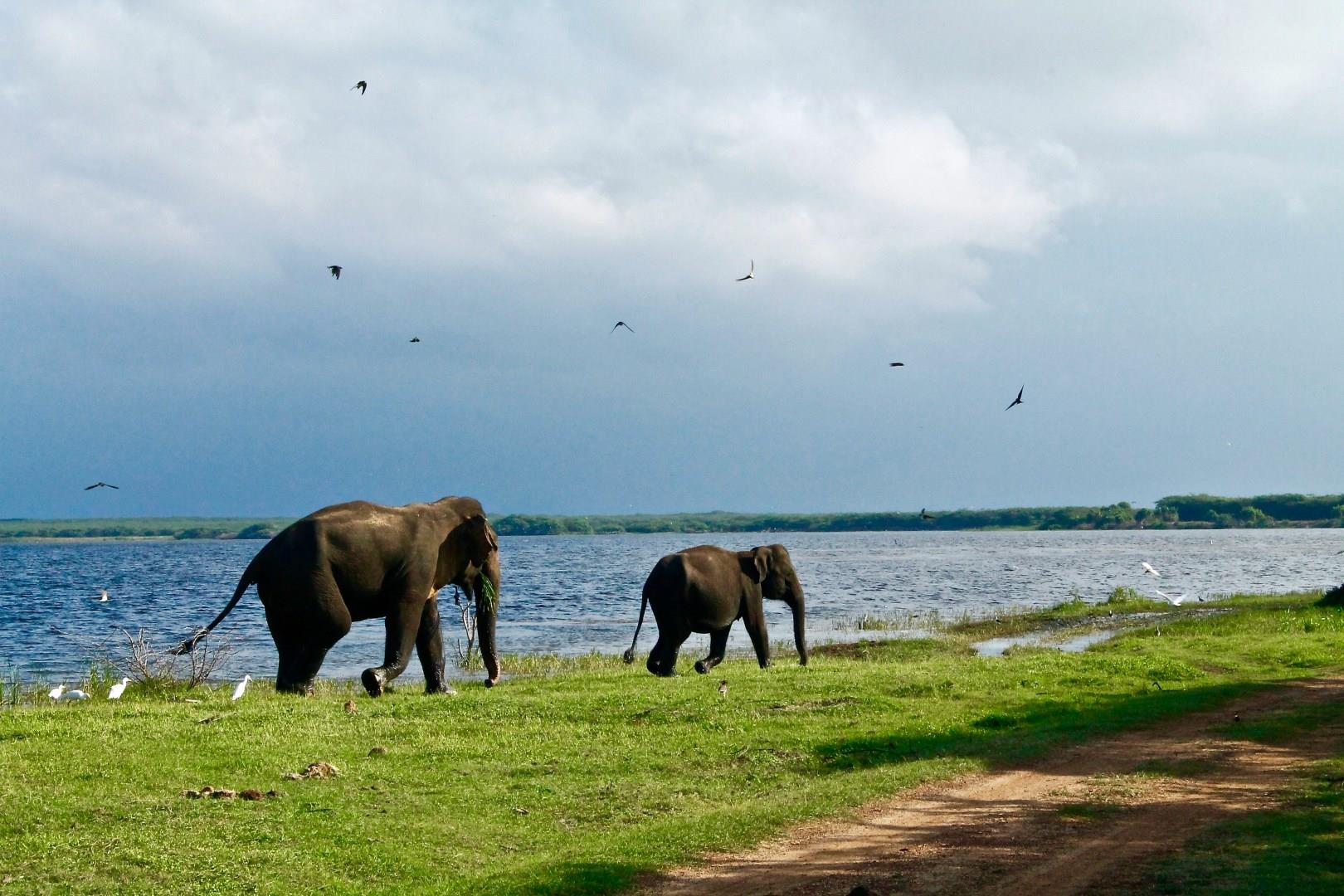
Tissamaharama
Tissamaharama, often called “Tissa” by seasoned travelers, sits in southern Sri Lanka as a town steeped in history and living culture. Once the capital of the ancient Ruhuna Kingdom in the 3rd century BCE, this settlement still radiates stories from the distant past in its temples, reservoirs, and even the streets where market life unfolds each day.
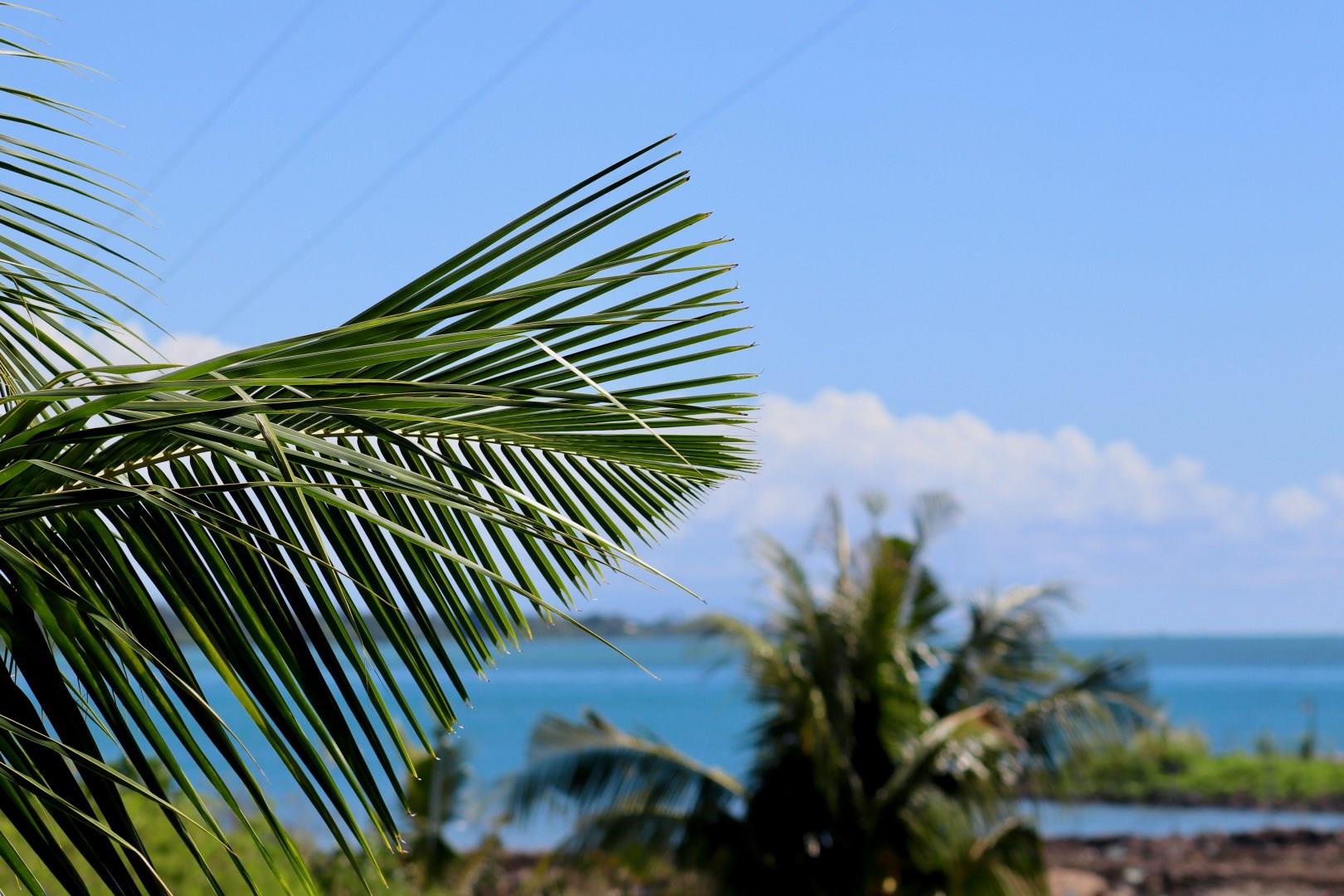
Apia
Apia, the lively capital of Samoa, sits on the north coast of Upolu island and blends the island’s rich traditions with a laid-back charm that’s hard to miss. Once a small village, Apia has grown into a central hub where local culture, commerce, and history meet. From bustling markets to quiet waterfronts, Apia offers visitors a chance to experience Samoa’s rhythm at their own pace.
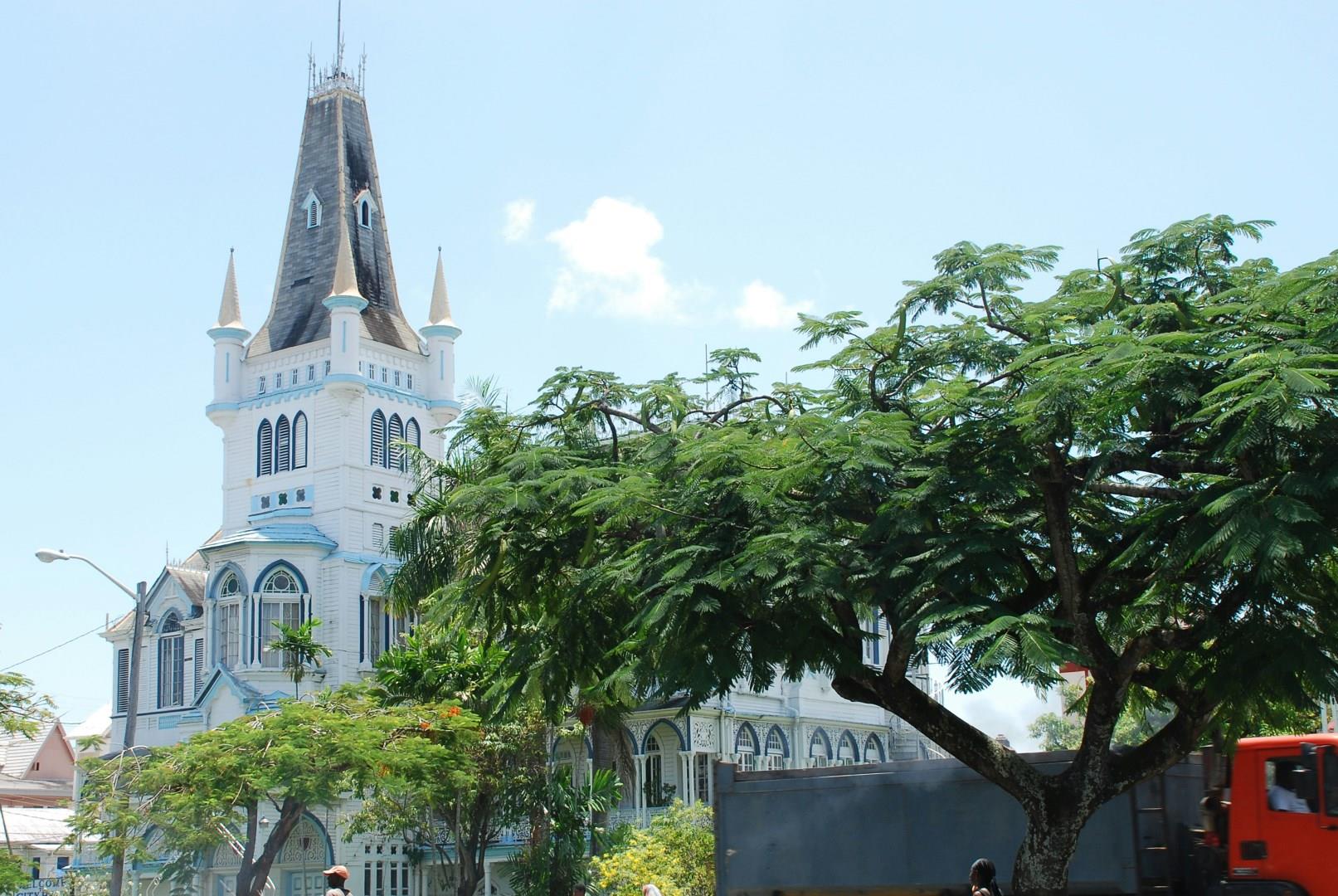
Georgetown
Georgetown, Guyana’s capital, is a city of wooden cathedrals, tree-lined canals, and street corners alive with music, food, and political discussion. Located at the mouth of the Demerara River, the streets still follow the Dutch grid system, and the city’s architectural signature, with its elegant wooden buildings with louvered shutters and fretwork, make it one of the most visually distinct capitals in South America.

Mexico
Mexico offers the best beaches, scuba diving, nightlife, cultural attractions and cuisine in the world. Millions of people flock to this country every year for a well-needed vacation. Archaeological ruins, inexpensive shopping, and festive music are its foremost attractions.
