
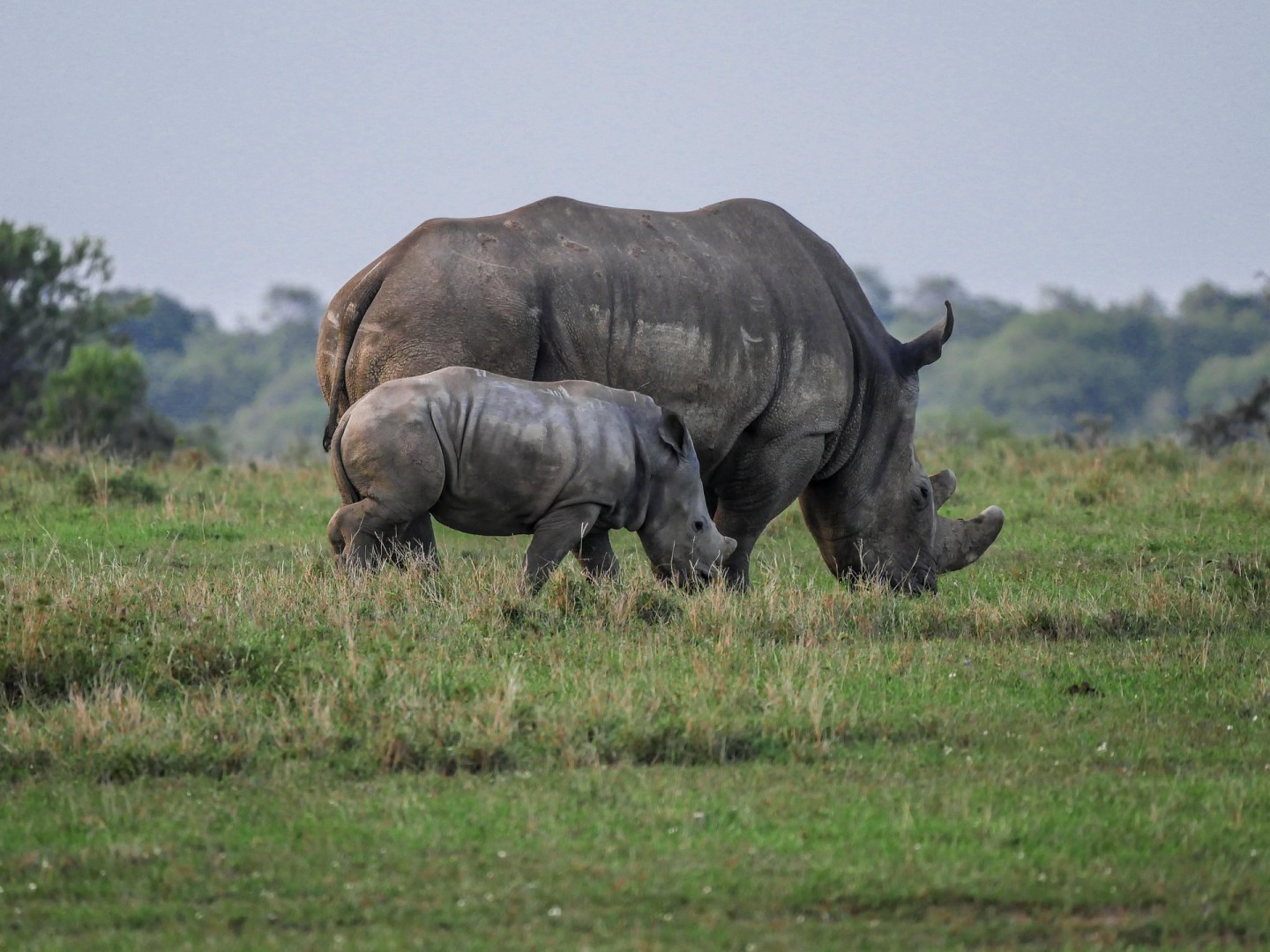
Ol Pejeta Conservancy
Ol Pejeta Conservancy lies in Kenya’s Laikipia region near Nanyuki, overlooking Mount Kenya and the Aberdare ranges. Covering about 90,000 acres, it combines wildlife conservation, cattle ranching, tourism, and community development within one managed landscape. The conservancy is particularly known for its work protecting rhinos and other threatened species. Its open grasslands, wooded areas, and river habitats support elephants, lions, zebras, giraffes, and many other animals.
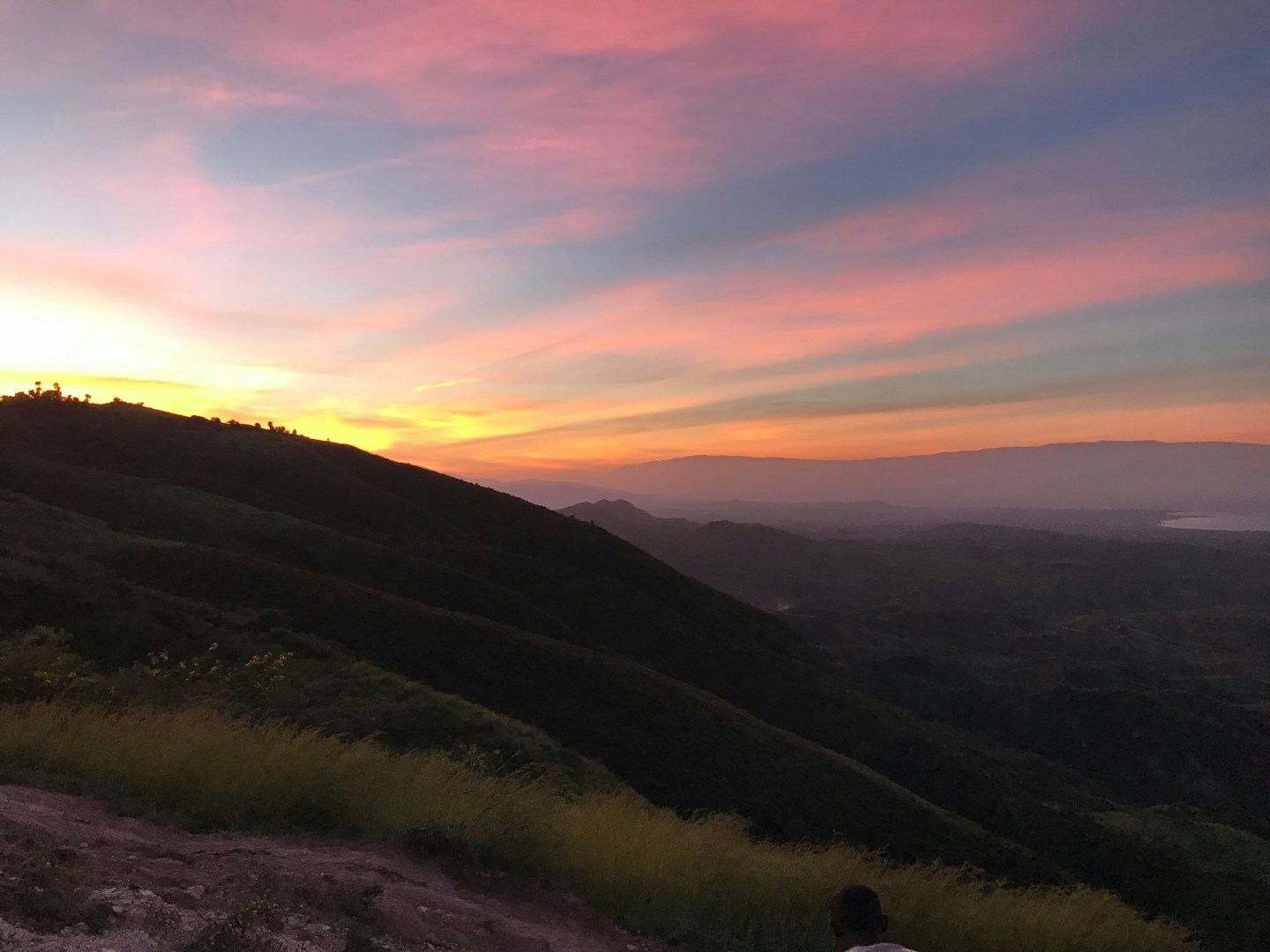
Port-au-Prince
Port-au-Prince in Southwest Haiti is the capital. The country's largest city, commercial center, and chief seaport, it is laid out like an amphitheater around a bay. Founded in 1749 by French sugar planters, it became the colonial capital in 1770, replacing Cap-Haïtien.
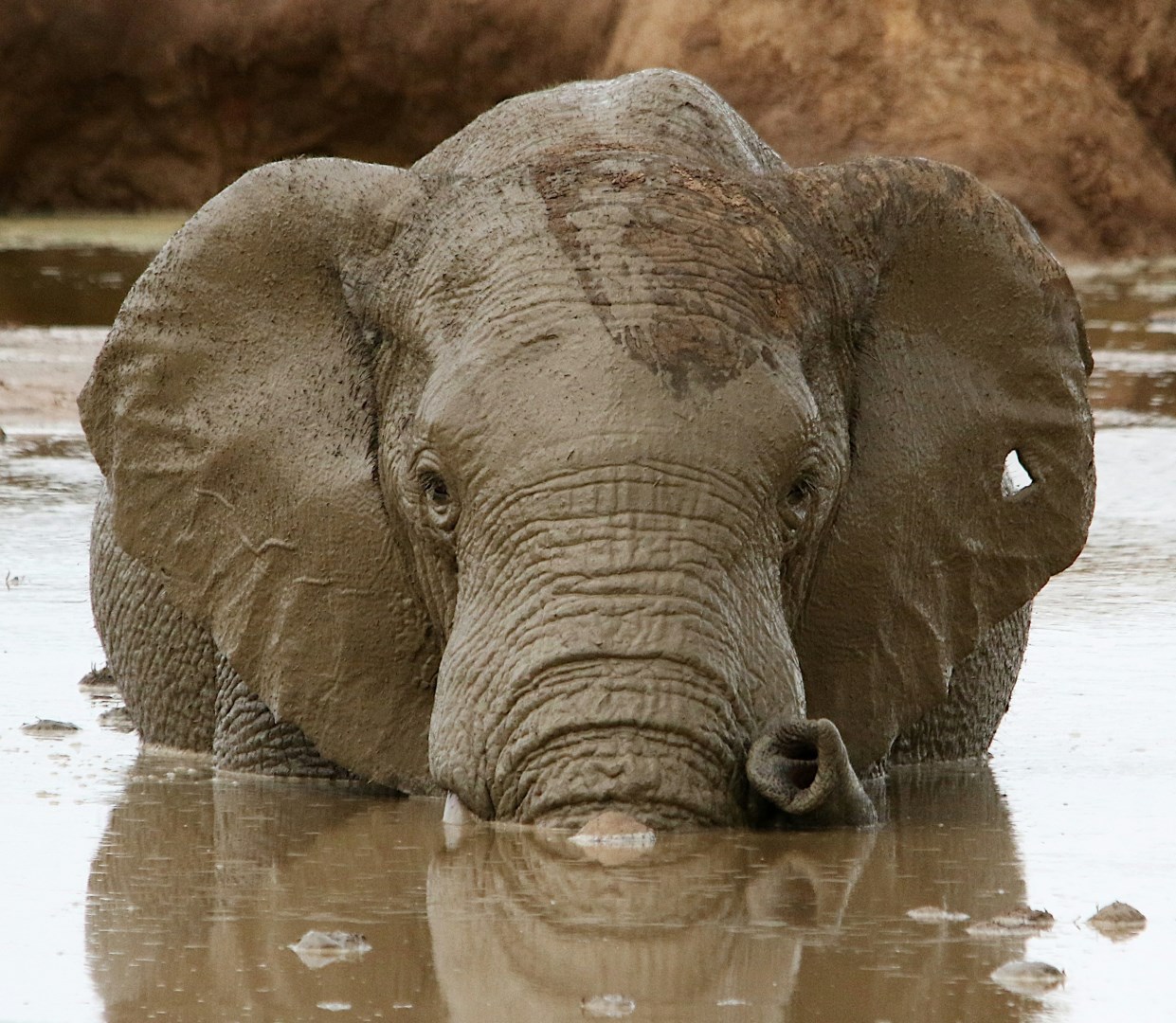
Addo Elephant National Park
Nestled in the Eastern Cape of South Africa, Addo Elephant National Park offers a unique safari experience centered around one of the country’s most impressive wildlife spectacles. Established in 1931 to protect the last remaining elephants of the region, the park now spans over 1,640 square kilometers and is home to a thriving population of more than 600 elephants.
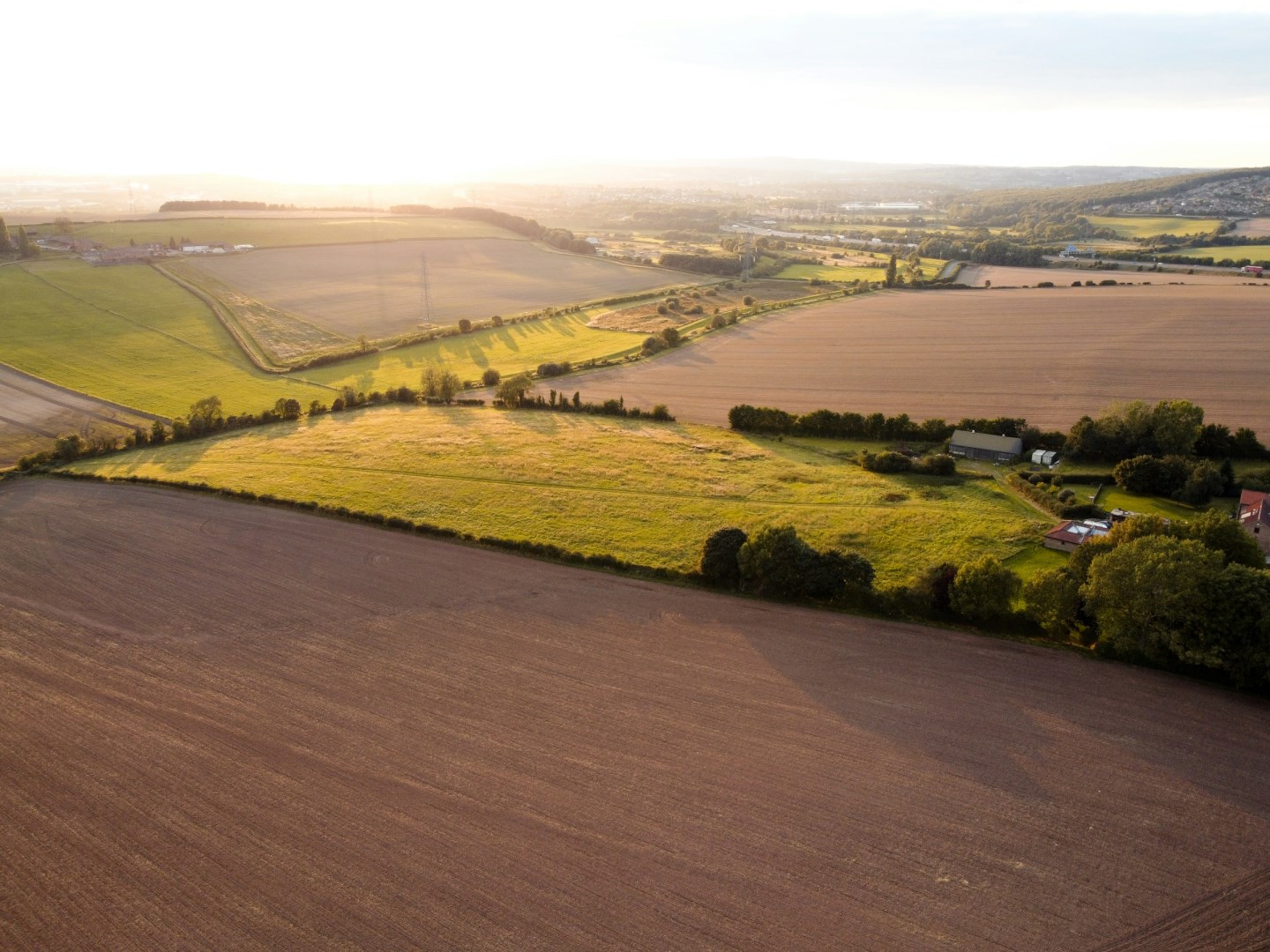
Rotherham
Rotherham is a town in South Yorkshire, set where the River Rother meets the River Don and surrounded by a landscape shaped by industry, agriculture, and woodland. Its town centre combines historic buildings with modern shopping areas, while the surrounding borough includes villages, country parks, reservoirs, and former industrial sites. Rotherham's location between Sheffield and the wider South Yorkshire countryside makes it a useful base for exploring both urban and rural attractions.
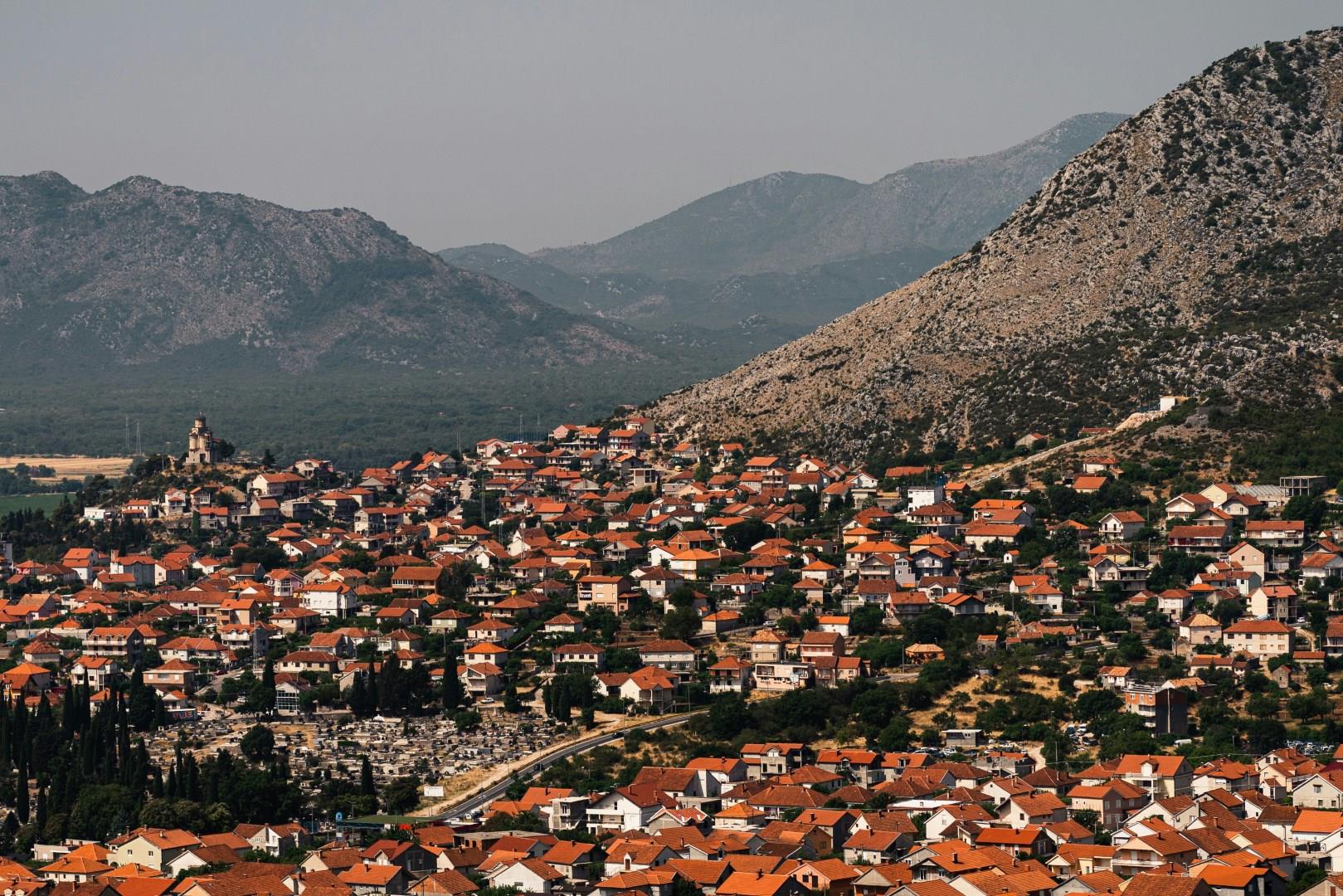
Trebinje
Trebinje, the southernmost city in Bosnia and Herzegovina, sits just a short drive from the Adriatic coast but offers a completely different rhythm. Framed by hills and set along the Trebišnjica River, the city has a history stretching back to Roman times. The river that winds through the city is one of the longest sinking rivers in the world and often disappears underground and resurfaces in various places.
