

Bratislava
Bratislava, Slovakia’s capital, sits along the Danube River at the crossroads of Central Europe. It's the only capital in the world bordering Austria and Hungary, which makes it an easy stop on many European itineraries. Yet Bratislava is more than a waypoint; it offers a compact city center filled with centuries of history. The Old Town’s cobbled lanes lead past Gothic cathedrals, Baroque palaces, and buildings once used by Habsburg royalty.
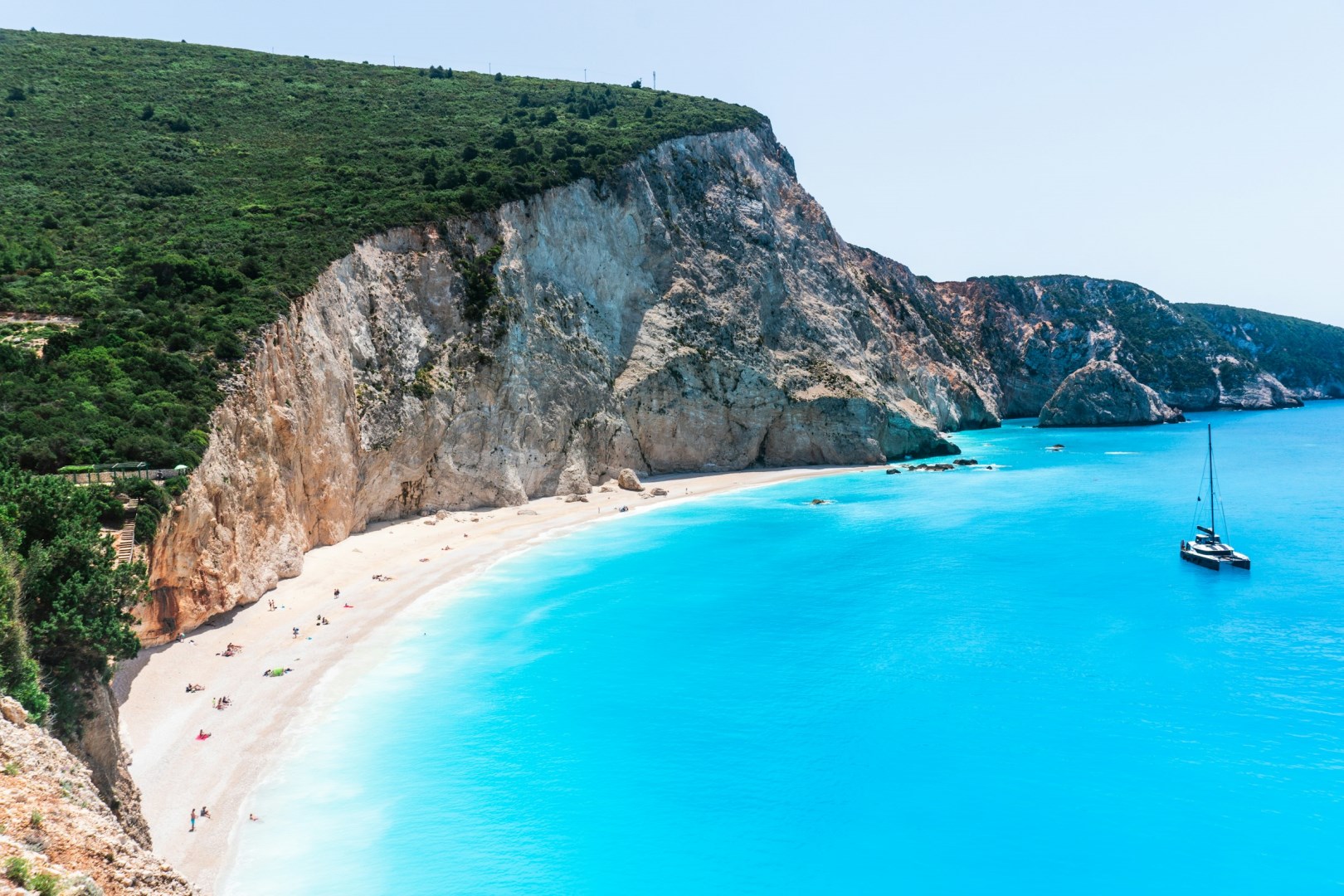
Lefkada
Lefkada, an island in the Ionian Sea, is renowned for its stunning natural beauty and vibrant local culture. Connected to the mainland by a bridge, this Greek island offers a unique blend of sandy beaches, lush landscapes, and charming towns. Visitors are often drawn to Lefkada's world-famous beaches, such as Porto Katsiki and Egremni, which boast crystal-clear waters and dramatic cliffs. These beaches are perfect for sunbathing, swimming, and water sports, making Lefkada a haven for beach lover
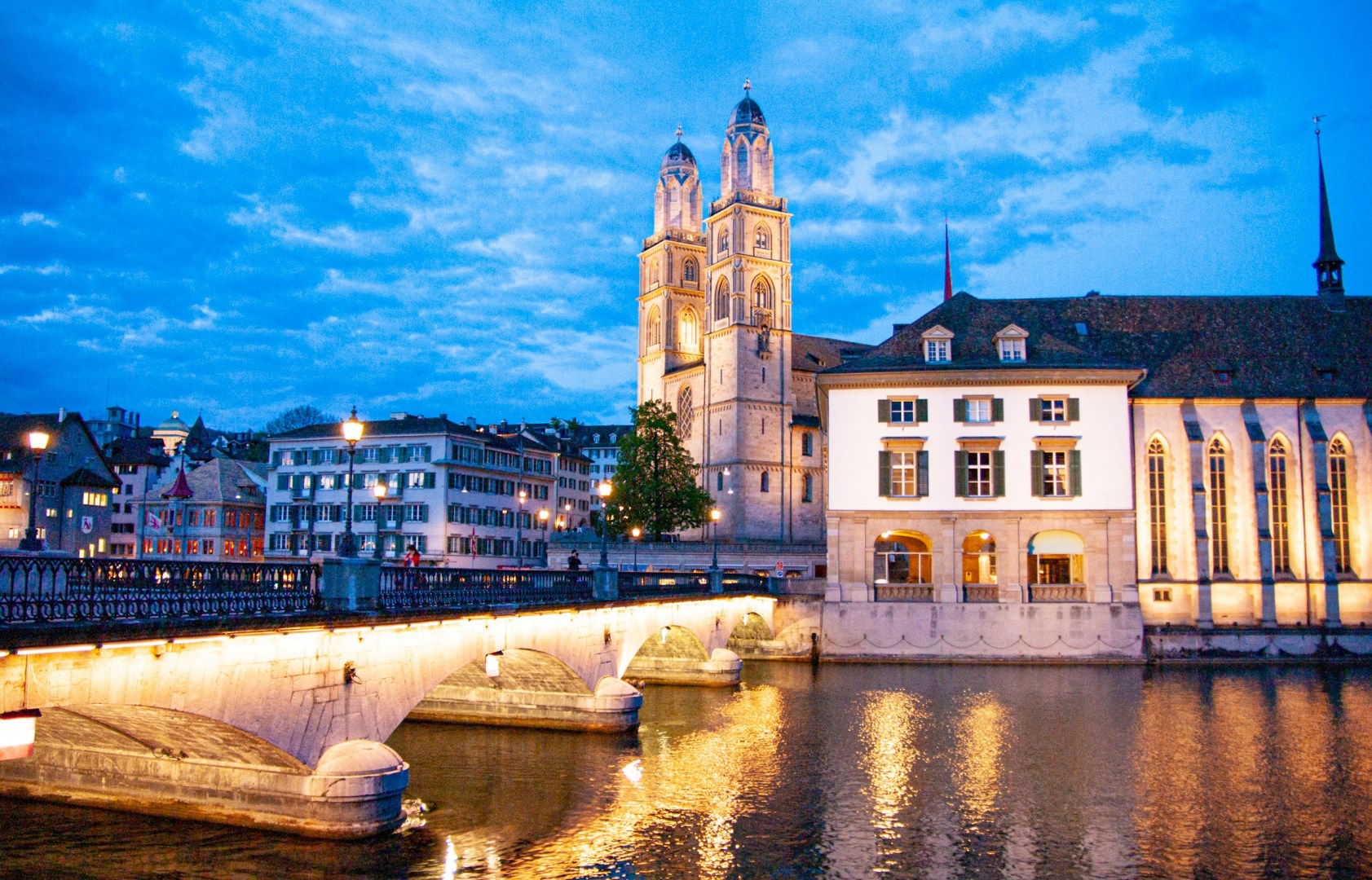
Zurich
Eminently livable and a pleasure to visit, Zurich is Switzerland's largest and most affluent city. This Central European metropolis is an engine of finance and banking, and has much to offer to visitors. There are numerous art museums, fine chocolate stores, and boundless luxury shopping opportunities.
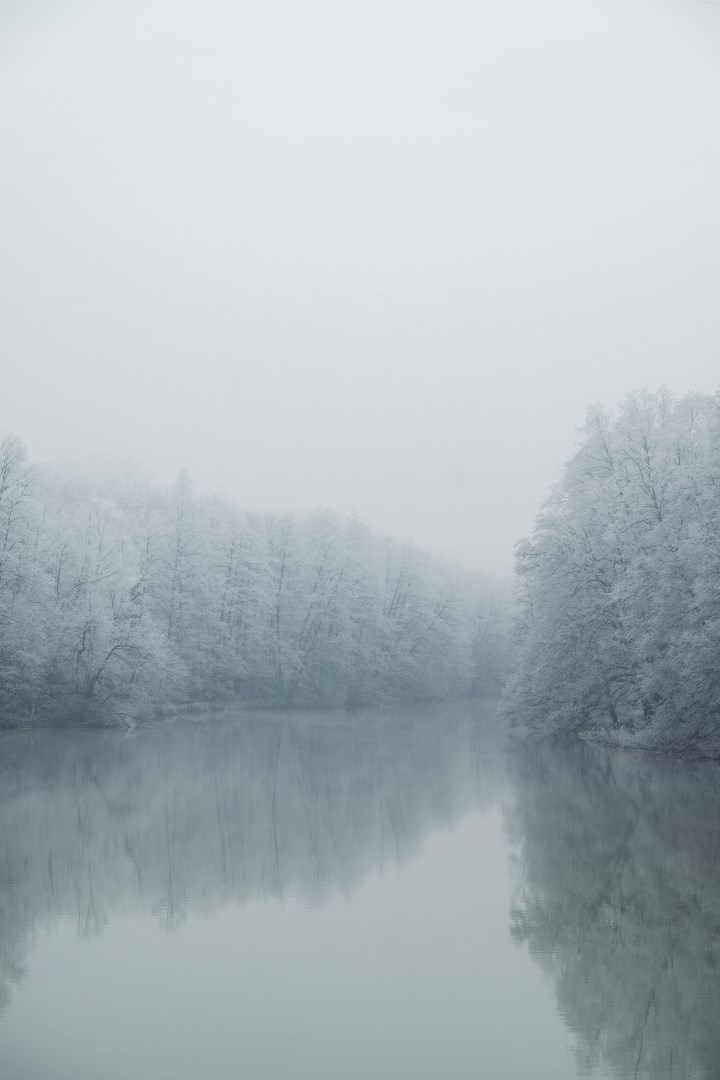
Vilshofen
Vilshofen is a town in Lower Bavaria, Germany, located where the Vils River meets the Danube. The town is known for its riverside setting, colorful historic center, and role as a regional transportation point along the Danube corridor.
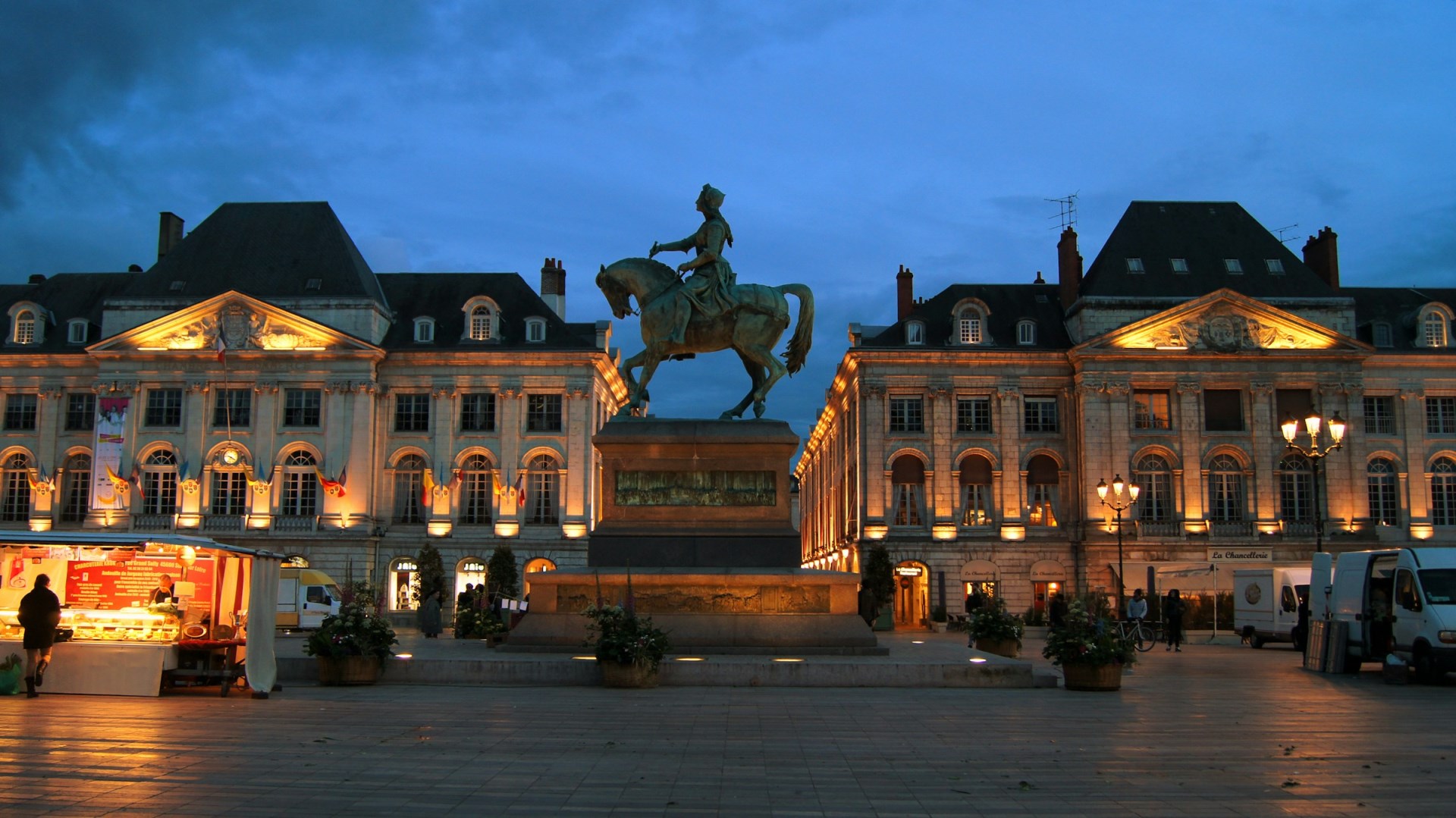
Orléans
Orléans is a city on the Loire River in central France, where a historic urban center meets broad riverbanks and the landscapes of the Loire Valley. Its position on the river helped make it an important center for trade and transport, while today the quays provide space for walking and cycling. The old center contains a mixture of medieval streets, Renaissance buildings, and later architecture, with the Sainte-Croix Cathedral forming a prominent landmark.
