

Heidelberg
Heidelberg, located along the scenic banks of the Neckar River in southwestern Germany, is a city steeped in history, culture, and charm. Known for its prestigious university, which is one of the oldest in Europe, the city draws visitors with its picturesque old town, medieval architecture, and vibrant academic atmosphere.
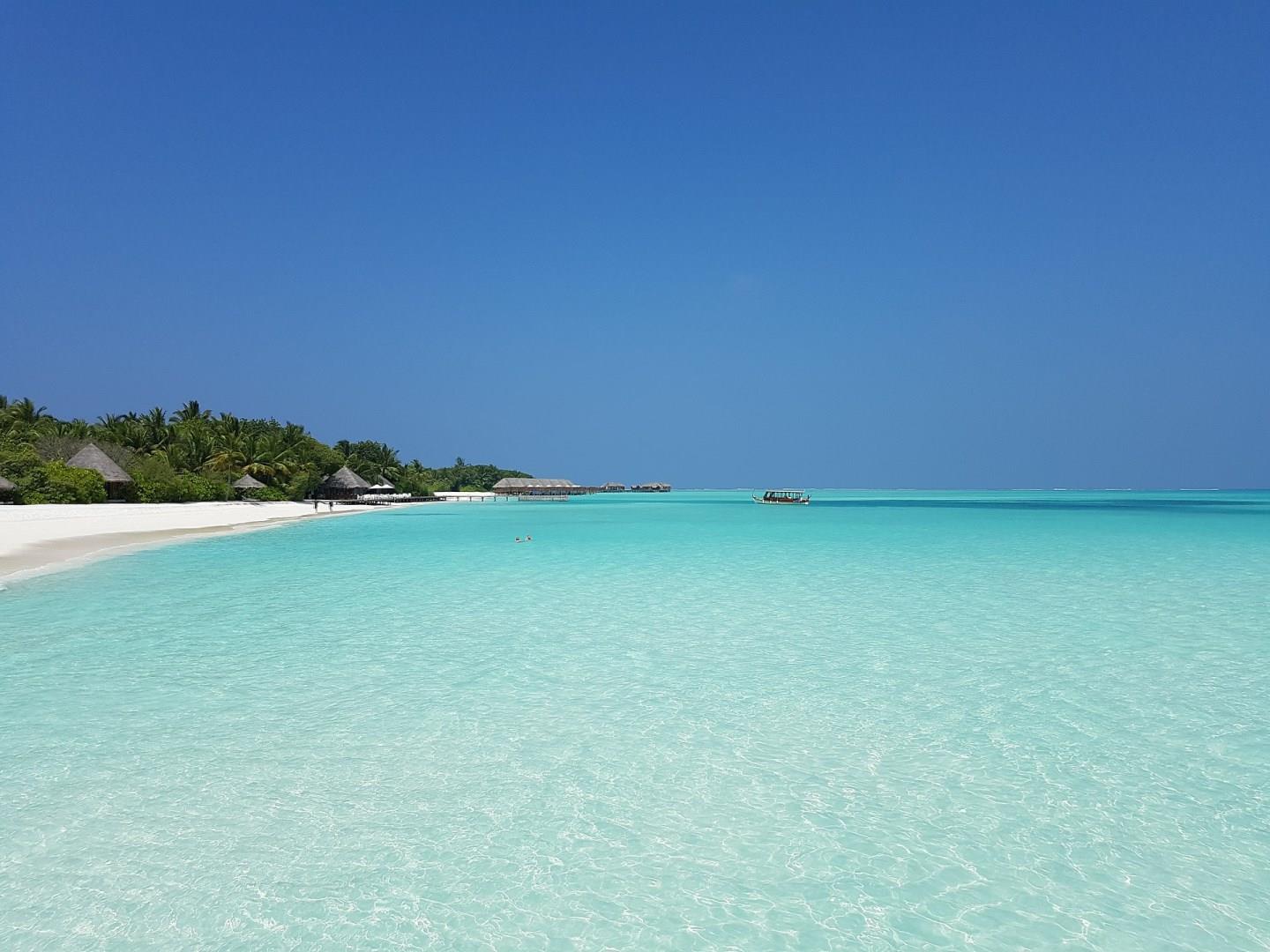
Maldives
The Maldives, a nation of islands scattered across the Indian Ocean, is known for its dazzling turquoise waters, white-sand beaches, and vibrant coral reefs. Stretching across 26 atolls, this tropical paradise is often described as one of the most beautiful places on Earth.

Dominica
Dominica, known as the “Nature Island of the Caribbean,” is a haven for eco-tourists and adventure seekers. Nestled between the French islands of Guadeloupe and Martinique, this lush island boasts a remarkable landscape of volcanic mountains, dense rainforests, and stunning waterfalls. Dominica’s most iconic natural wonder is the Boiling Lake, the second-largest hot spring in the world.
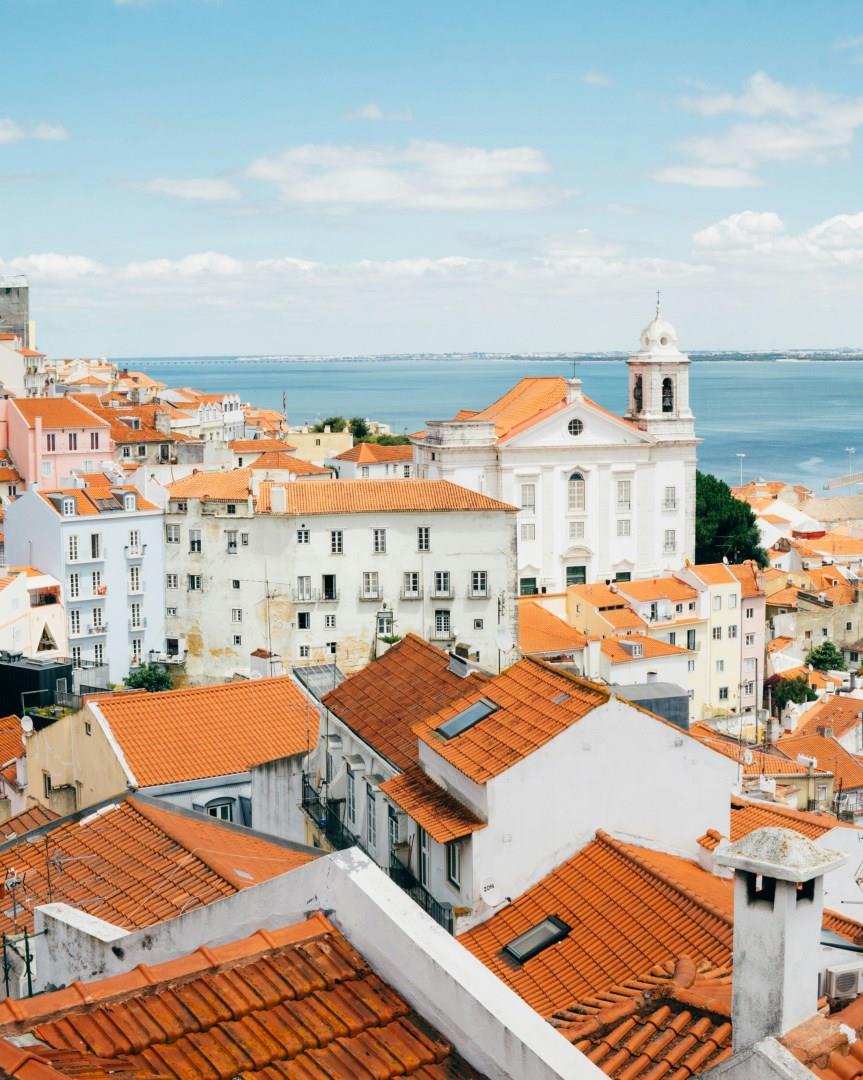
Portugal
Portugal offers a layered experience shaped by maritime history, deep-rooted traditions, and a coastline that stretches for nearly 1,800 kilometers. In Lisbon, the streets of Alfama wind uphill toward São Jorge Castle, where views of red-tiled rooftops and the Tagus River reveal how the city was rebuilt after the 1755 earthquake. Trams still clatter through narrow streets, and fado music, often performed in candlelit taverns, tells stories of longing and the sea.

Yukon
Whitehorse is the territorial capital of this Canadian site of the 1898 gold rush. It consists mostly of rural towns, where the main industries are mining and tourism. It is a land of forests, rivers and tall mountain ranges covering a total of 207,075 sq. miles.
