

Yukon
Whitehorse is the territorial capital of this Canadian site of the 1898 gold rush. It consists mostly of rural towns, where the main industries are mining and tourism. It is a land of forests, rivers and tall mountain ranges covering a total of 207,075 sq. miles.

Agrigento
Agrigento, located on the southern coast of Sicily, is a city steeped in history and renowned for its ancient Greek ruins. The crown jewel of Agrigento is the Valley of the Temples, a UNESCO World Heritage Site and one of the most spectacular archaeological sites in the Mediterranean. Visitors can marvel at the remarkably preserved Temple of Concordia, which dates back to the 5th century BC and is considered one of the best-preserved Greek temples in the world.
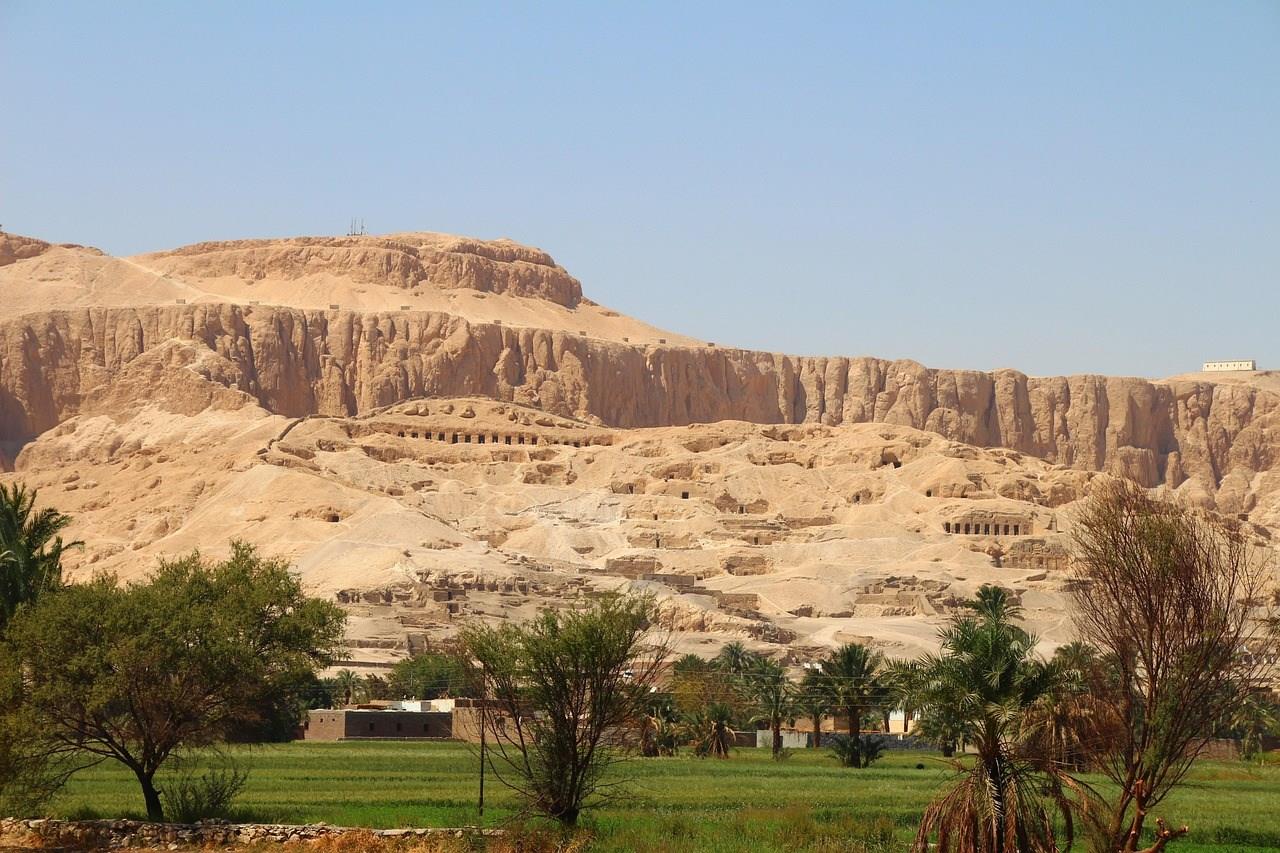
Valley of the Kings and Queens
The Valley of the Kings and the Valley of the Queens, located on the west bank of the Nile near Luxor, Egypt, are two of the world’s most significant archaeological sites. For over 500 years during the New Kingdom (16th–11th centuries BCE), these valleys served as the burial grounds for pharaohs, queens, and high-ranking nobles.
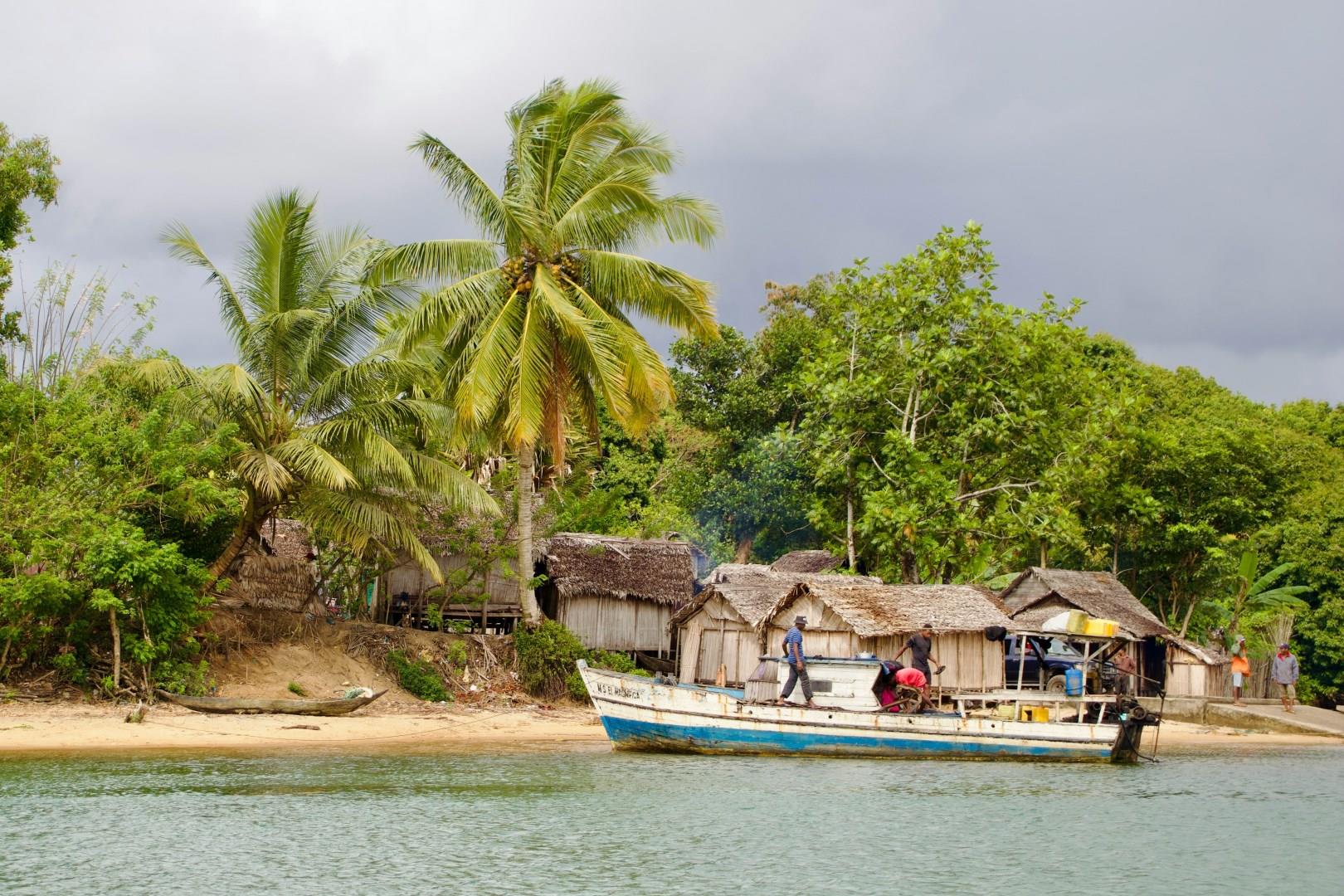
Manompana
Manompana is a small coastal town in northeastern Madagascar, located in the Analanjirofo Region along the Indian Ocean. The town sits at a low elevation and enjoys a tropical rainforest climate, with warm temperatures and abundant rainfall throughout the year.

Rhode Island
Rhode Island may be the smallest state in the U.S., but it offers an outsized variety of experiences, from colonial history to coastline escapes. Founded in 1636 by Roger Williams as a haven for religious freedom, the state still reflects its independent spirit. In Providence, travelers can visit the John Brown House Museum to explore the city’s role in early American commerce, or walk Benefit Street, lined with preserved 18th- and 19th-century homes.
