
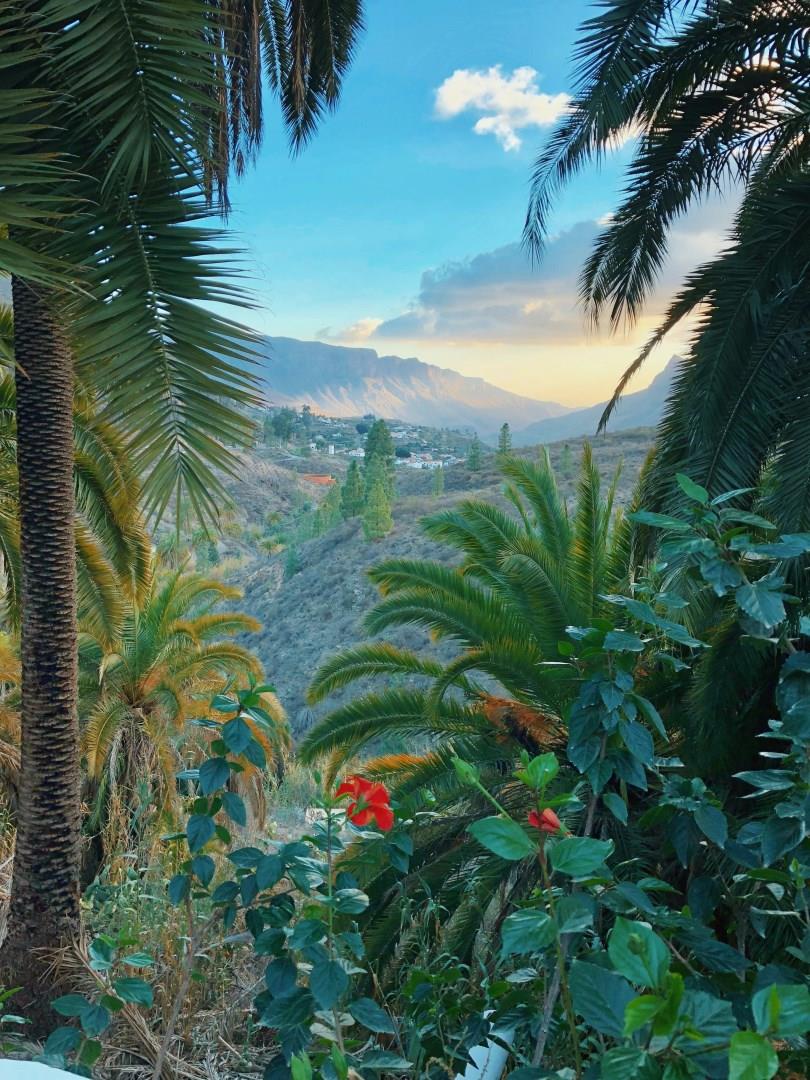
Gran Canaria
There is no other place with such a variety of scenery - deserts, mountains, lush tropical vegetation, and valleys filled with thousands of banana trees. Agriculture here offers everything: lime trees, vine-yards, coffee plantations, sugar cane, almond, tomato and banana crops, as well as, pine and palm forests.

Newport
Newport, Rhode Island, is a charming coastal city steeped in history and elegance. Often referred to as the "Sailing Capital of the World," Newport offers stunning seaside views, rich colonial heritage, and Gilded Age grandeur. Stroll along the famous Cliff Walk, a 3.5-mile path that weaves between the crashing waves of the Atlantic Ocean on one side and the opulent Newport mansions on the other.
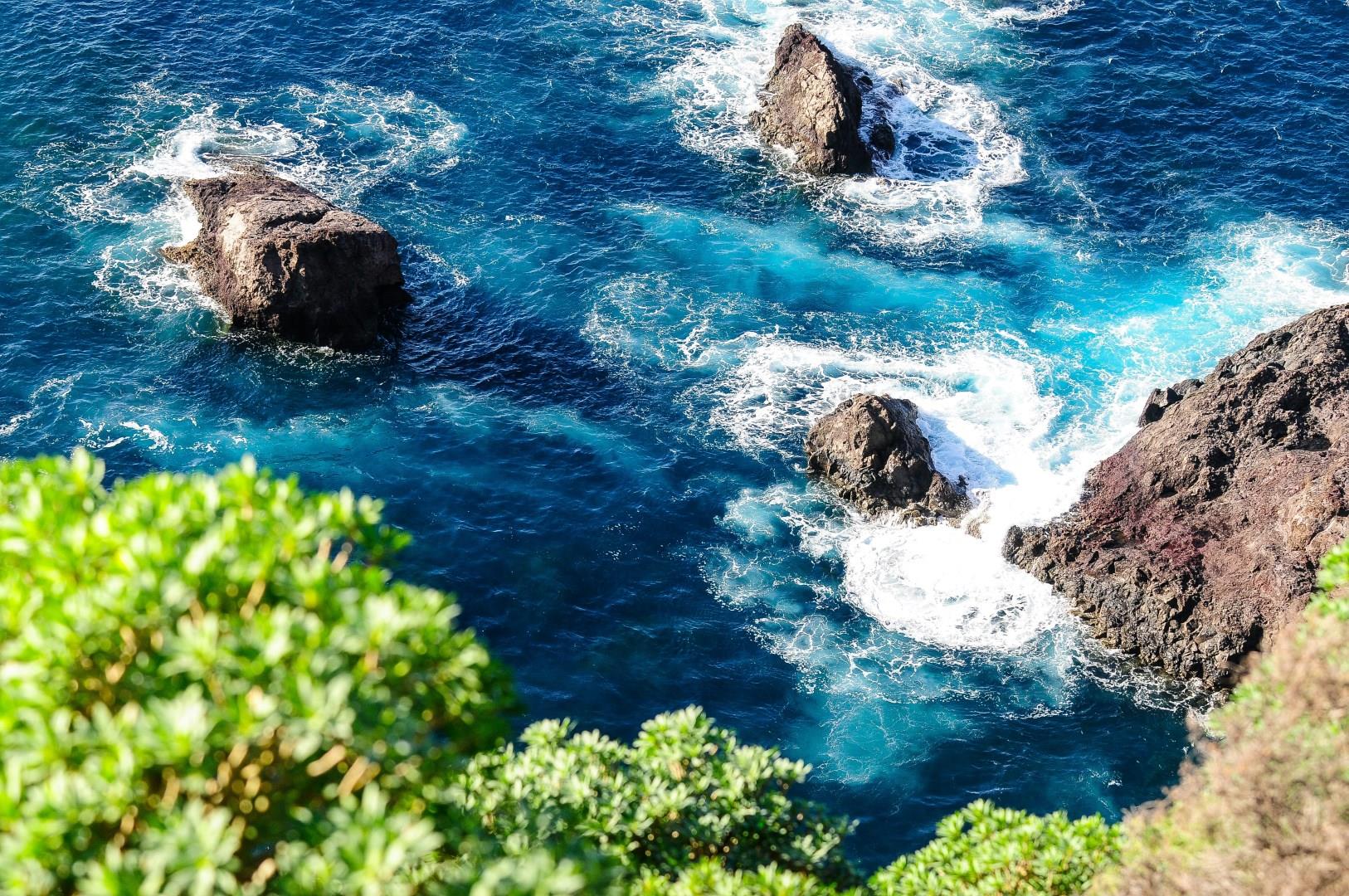
La Palma
La Palma (also San Miguel de La Palma) is the fifth of Spain's Canary Islands. This mountainous volcanic island is a natural wonder of tropical vegetation. Its coast is lined by jagged cliffs and plunging ravines, and its beaches are covered with black sand. Thanks to dry climate and the height of its mountains creating excellent observation conditions, La Palma has become the home of some of the world's largest telescopes, seated on the rocky ridge called El Roque de los Muchachos.

Pamukkale
Pamukkale is a fairyland of dazzling white, petrified castles. It is a magical and spectacular natural site, unique in the world. Thermal spring waters laden with calcareous salts running off the plateau's edge, have created this fantastic formation of stalactites, cataracts and basins.
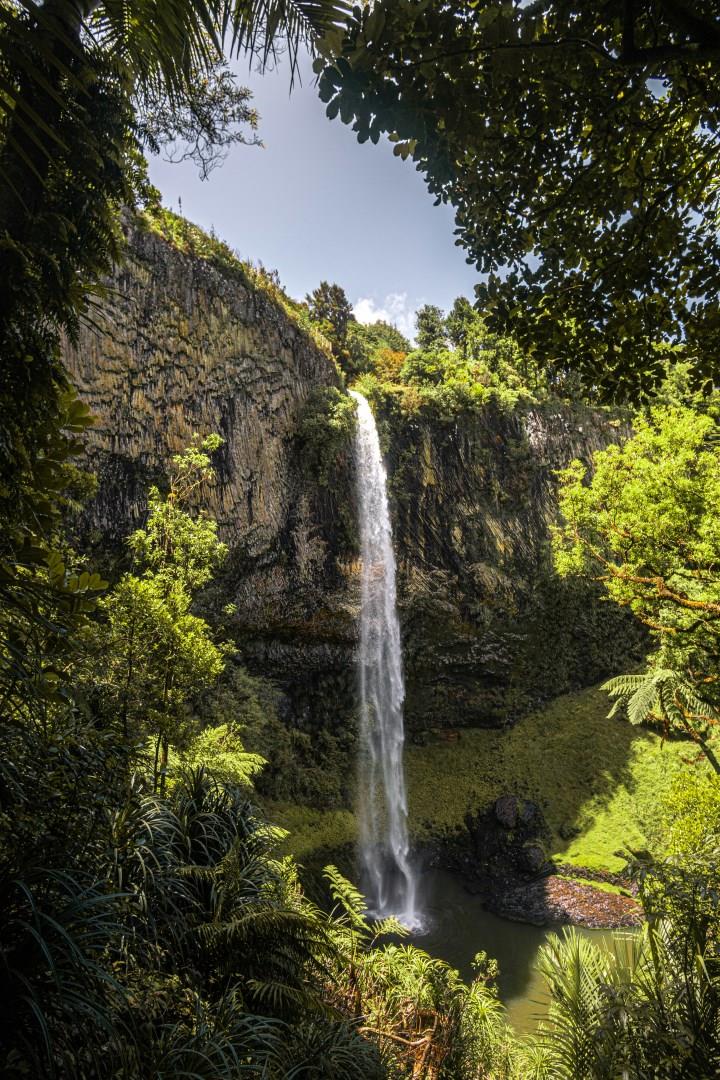
Raglan
Raglan, on New Zealand’s North Island, is a coastal town that has earned international renown for its surf culture while retaining a bohemian, community-centered spirit.
