

Dominica
Dominica, known as the “Nature Island of the Caribbean,” is a haven for eco-tourists and adventure seekers. Nestled between the French islands of Guadeloupe and Martinique, this lush island boasts a remarkable landscape of volcanic mountains, dense rainforests, and stunning waterfalls. Dominica’s most iconic natural wonder is the Boiling Lake, the second-largest hot spring in the world.
Limon
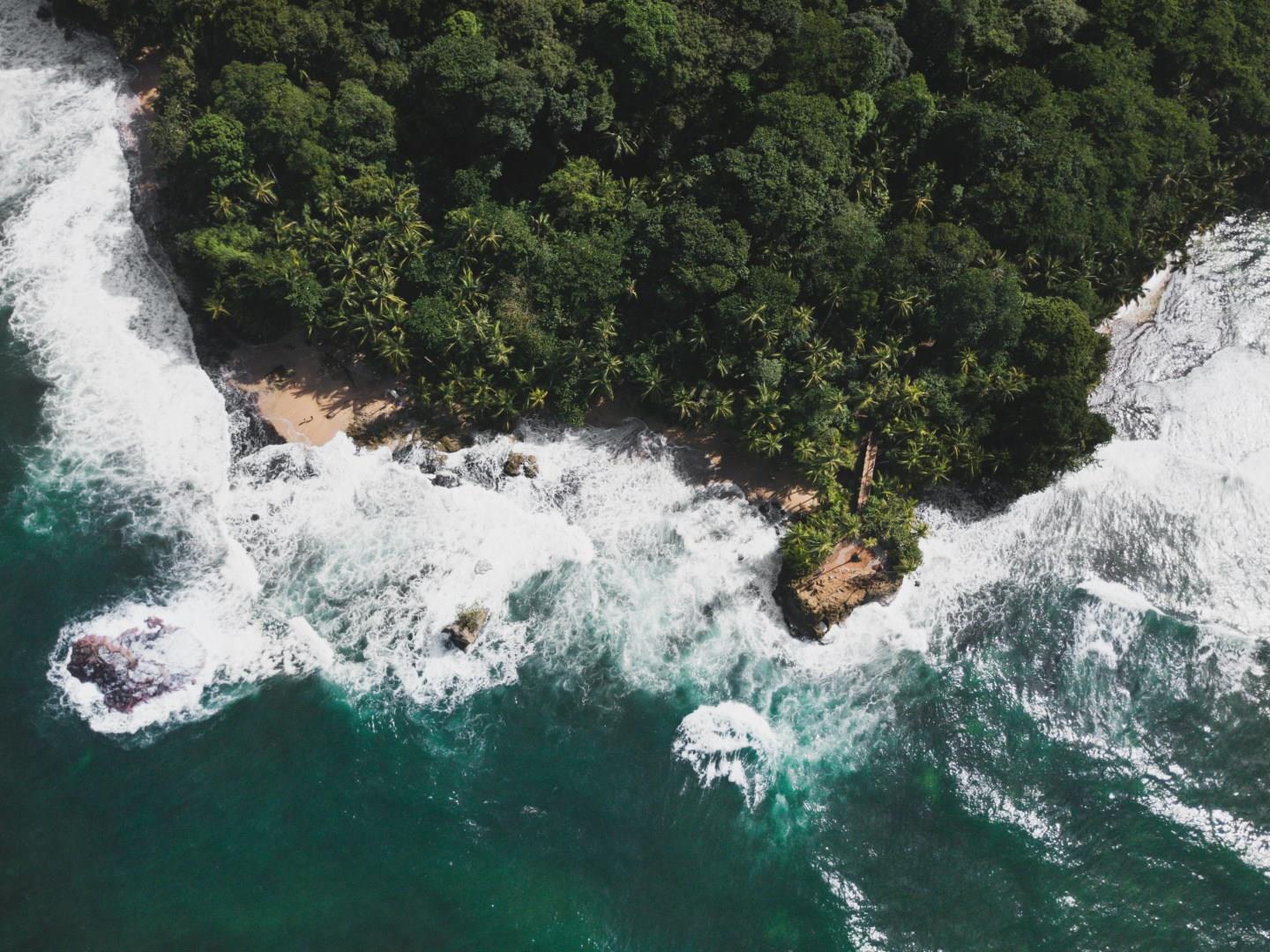
Limón, located on Costa Rica’s Caribbean coast, is a city shaped by Afro-Caribbean heritage, maritime trade, and lush tropical surroundings. Founded in the late 19th century as a port for exporting bananas and coffee, Limón developed a distinct cultural identity influenced by Jamaican, West African, and Central American traditions.

Norway
Norway offers a landscape shaped by glaciers, framed by fjords, and steeped in Viking history. The country's coastline stretches for over 100,000 kilometers if you count every inlet and island, which makes it one of the longest in the world. Travelers can take a ferry through the Geirangerfjord or cruise along the Lofoten Islands, where steep mountain peaks rise dramatically from the sea. These routes aren’t just scenic; they’ve been lifelines for coastal communities for centuries.

Rhine Valley
The Rhine Valley offers a unique blend of historic landmarks, cultural traditions, and natural splendor. Whether exploring ancient castles, savoring local wines, or simply cruising along the river, visitors will find endless opportunities to create lasting memories in this enchanting region.

Las Palmas
Las Palmas (officially Las Palmas de Gran Canaria) is the capital of Gran Canaria island as well as co-capital (along with Santa Cruz de Tenerife) of the Canary Islands. It is a major cruise-ship port known for duty-free shopping and sandy beaches, including Playa de Las Canteras, considered by many to be one of the best urban beaches worldwide.
