

Greenock
Greenock, located on Scotland’s scenic west coast, is a town steeped in maritime and industrial history, with its historic waterfront and Victorian architecture offering a glimpse into its prosperous past. Once a shipbuilding powerhouse, the town’s legacy is visible in landmarks like James Watt Dock and the Old West Kirk, while the nearby Greenock Cut offers a peaceful escape for walking and cycling, framed by stunning views of rolling hills and the River Clyde.

Palenque
Palenque, nestled in the lush jungles of Chiapas, Mexico, offers an enthralling glimpse into the grandeur of the ancient Maya civilization. The city is renowned for its well-preserved ruins, which include the majestic Temple of the Inscriptions, where the tomb of the ruler Pakal the Great was discovered in 1952.

Dominica
Dominica, known as the “Nature Island of the Caribbean,” is a haven for eco-tourists and adventure seekers. Nestled between the French islands of Guadeloupe and Martinique, this lush island boasts a remarkable landscape of volcanic mountains, dense rainforests, and stunning waterfalls. Dominica’s most iconic natural wonder is the Boiling Lake, the second-largest hot spring in the world.
Marbella
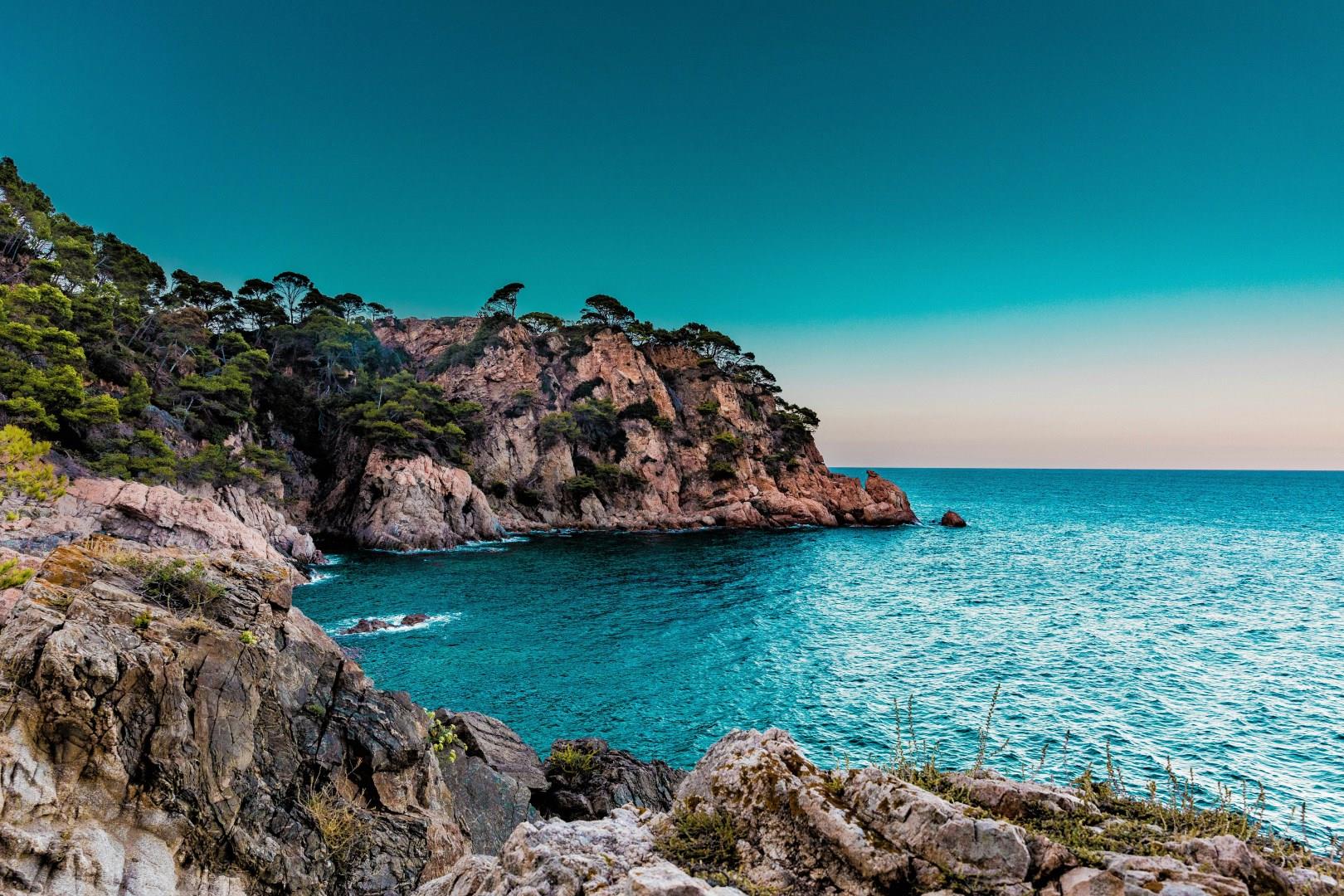
Marbella, located between the Mediterranean Sea and the Sierra Blanca mountains, is often associated with its luxury resorts and famous marina, Puerto Banús. But beyond the polished storefronts and designer yachts, the city has a layered past. Its old town, known as Casco Antiguo, is a well-preserved network of narrow streets built during Moorish rule, with whitewashed buildings, flower-filled balconies, and hidden plazas like Plaza de los Naranjos, which dates back to the 15th century.
Lake Tana
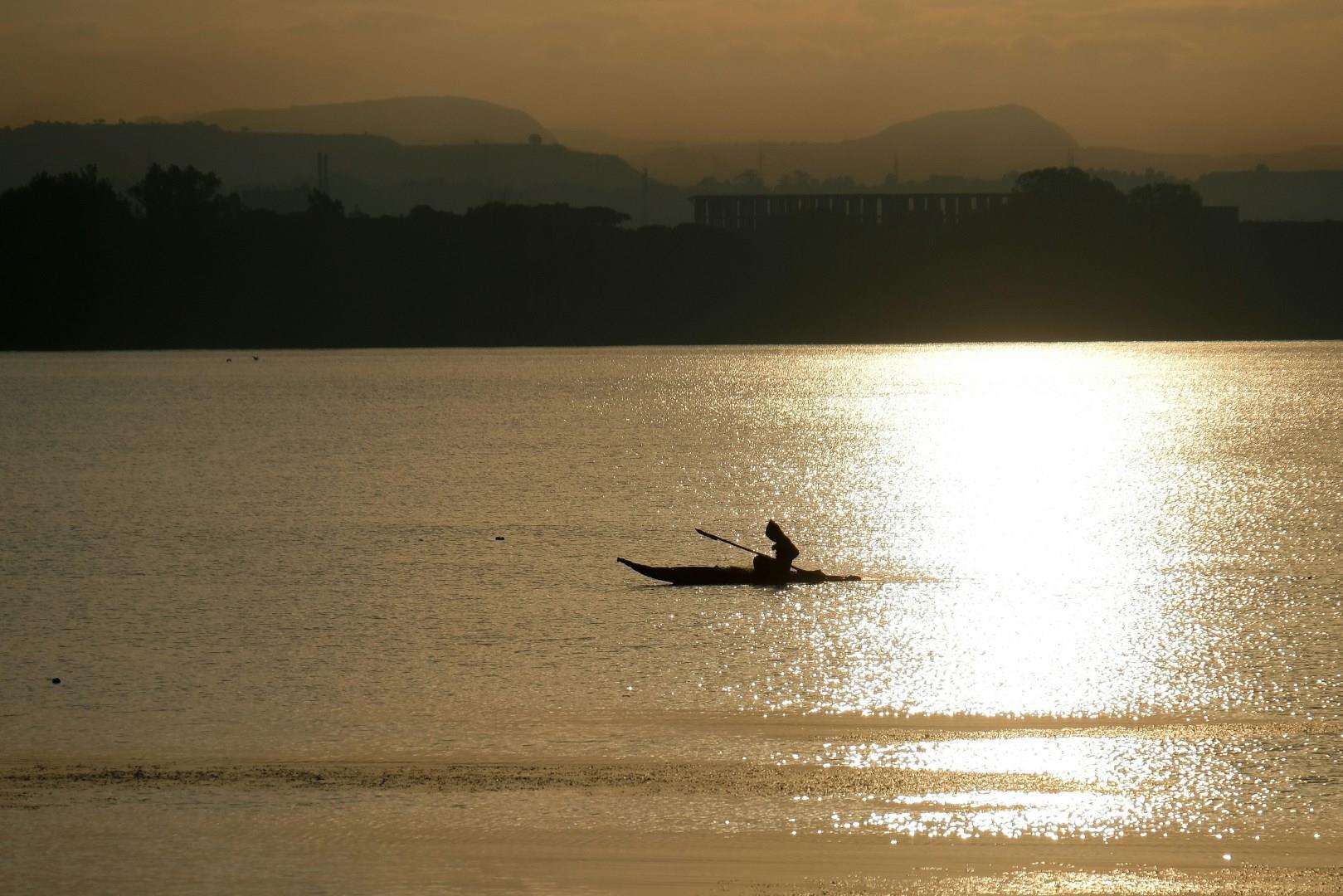
Lake Tana, located in the northwest of Ethiopia, is the country’s largest freshwater lake and the source of the Blue Nile. Its calm waters are dotted with more than 30 islands, many of which are home to ancient monasteries adorned with religious paintings and manuscripts.
