
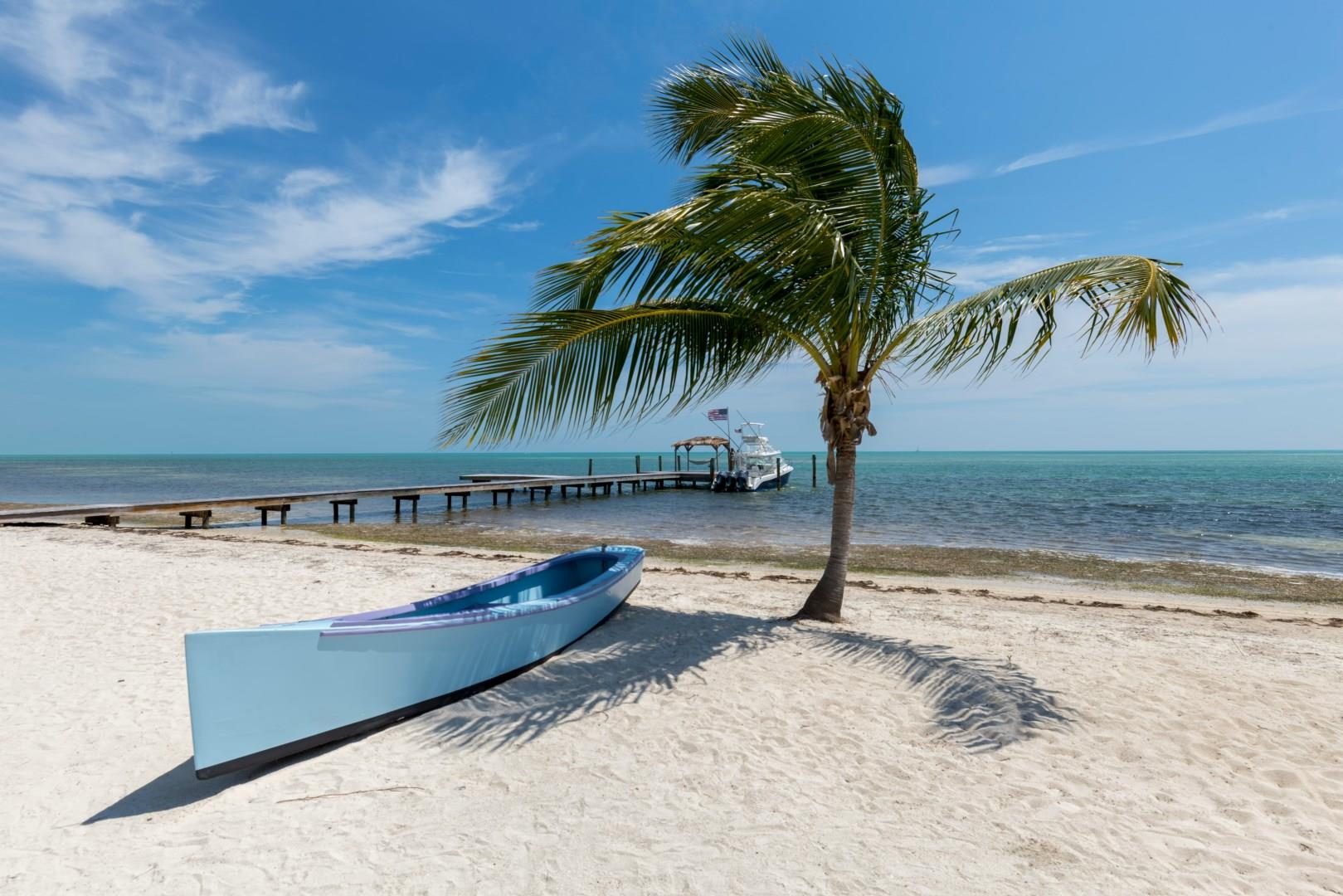
Islamorada
Islamorada, located in the Florida Keys, is a chain of islands often referred to as the “Village of Islands.” Known for its turquoise waters, coral reefs, and vibrant fishing culture, it is a premier destination for anglers, snorkelers, and divers.

Cancún
Cancún sits on the northeastern tip of Mexico’s Yucatán Peninsula, where the Caribbean Sea meets a narrow stretch of sand shaped by ancient Maya trade routes and modern development. While widely known as a resort destination, Cancún’s roots trace back to a quiet fishing area near important pre-Hispanic sites, with nearby Isla Mujeres and the mainland serving as part of a broader coastal network connected to inland Maya cities.
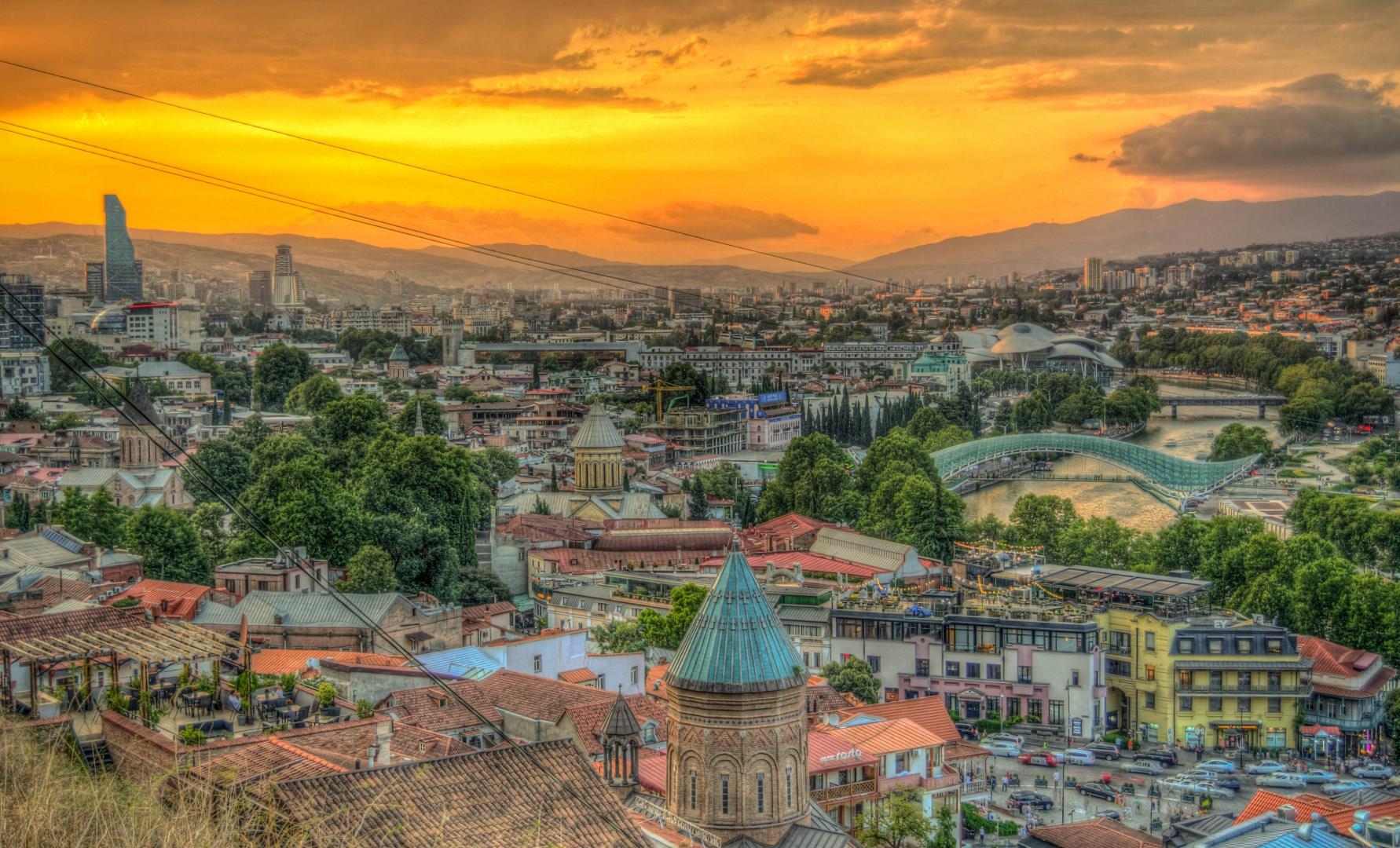
Tbilisi
Tbilisi, the capital of Georgia, is a city where tradition and modern life blend seamlessly. Set along the banks of the Kura River and surrounded by hills, its layout reflects centuries of change and cultural exchange. The Old Town, with its cobbled lanes and wooden balconies, is a living museum of architecture, showcasing influences from Persian, Ottoman, and Russian eras. Above it all, the Narikala Fortress stands watch, offering sweeping views of the city below.

Aldabra
Aldabra Atoll, a UNESCO World Heritage Site located in the Seychelles, offers a pristine and unparalleled escape into nature's untouched beauty. The atoll, the second-largest in the world, is renowned for its remarkable biodiversity and is home to the Aldabra giant tortoise, a species found nowhere else on Earth. This enormous tortoise population is one of the key attractions for visitors, providing a rare opportunity to observe these majestic creatures in their natural habitat.
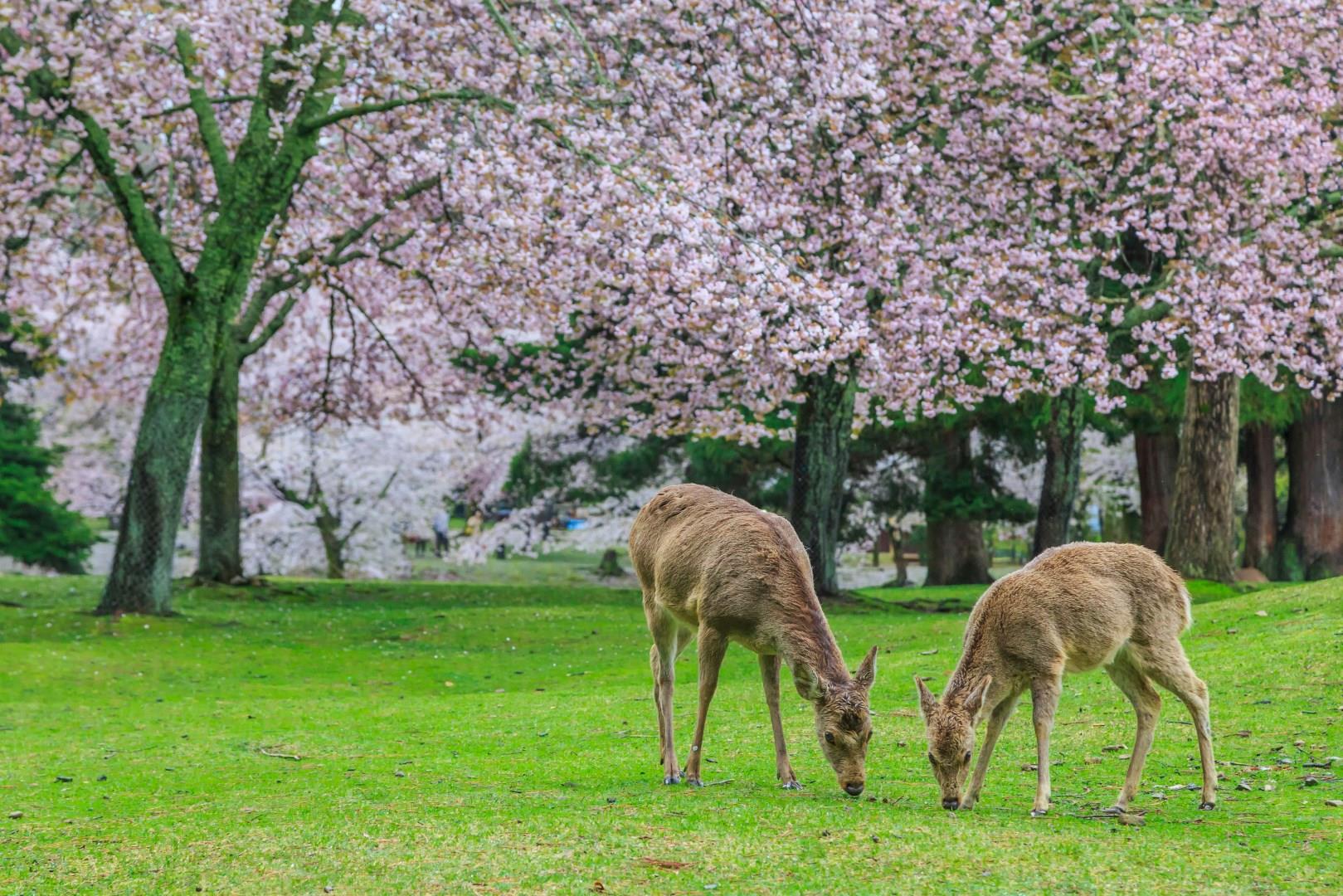
Nara
Nara, located in Japan’s Kansai region, is a city where ancient history and serene landscapes coexist. As the country’s first permanent capital, it preserves a wealth of historic sites that reflect its significance during the Nara period.
