
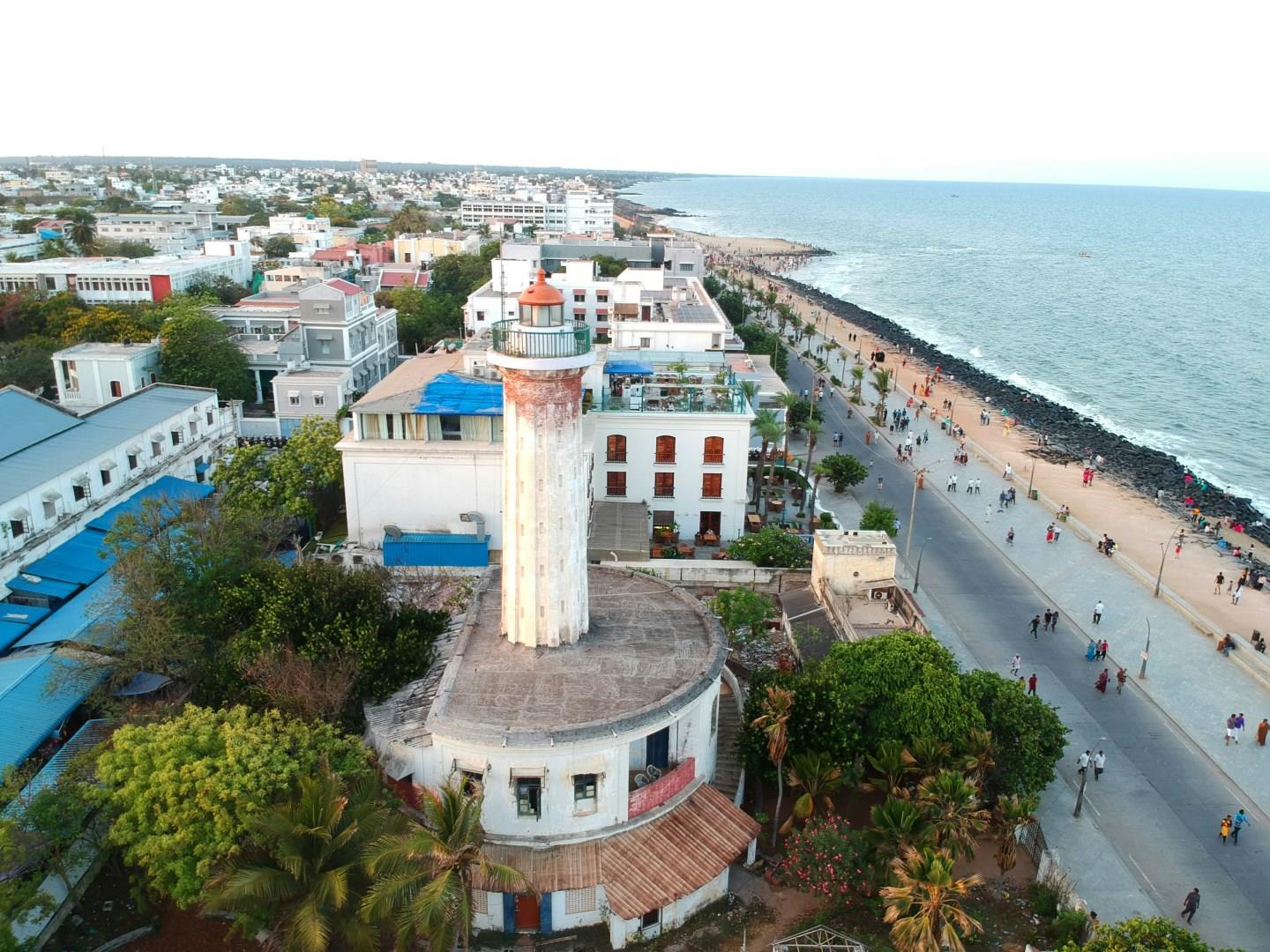
Pondicherry
Pondicherry is a coastal town in southern India that still carries traces of its French colonial past. The French Quarter, or White Town, is filled with mustard-yellow buildings, iron-laced balconies, and streets with French names. Visitors can explore this area on foot or by bicycle, stopping at spots like the 18th-century Eglise de Notre Dame des Anges, built in Greco-Roman style, or the French Consulate, which continues to operate from a colonial-era building.

Portree
North of Sligachan the road first rises and then dips down into Portree - the main town on Skye. With its natural harbor and open perspective, Portree is a pleasant village and offers visitors a fine range of local services, accommodation and things to do.
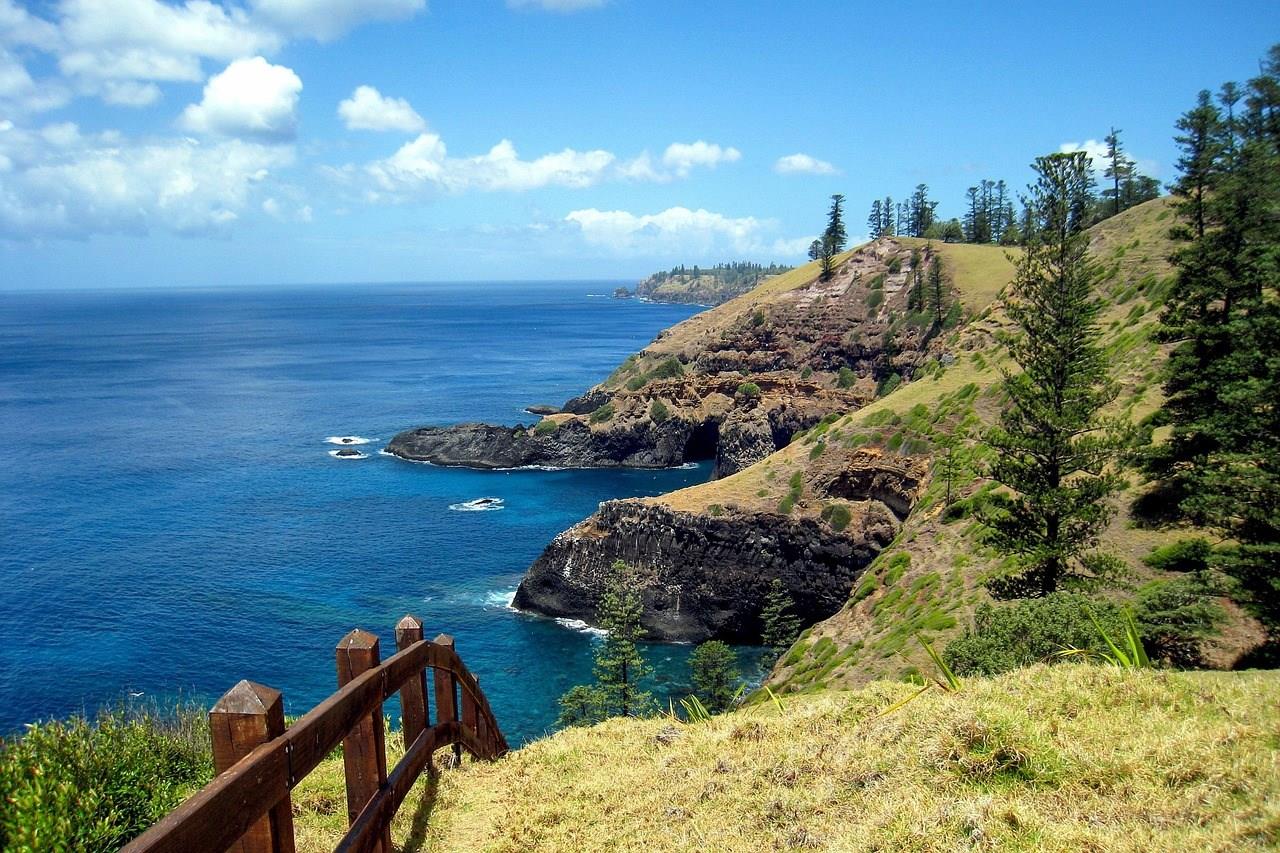
Norfolk Island
Norfolk Island may be small but it carries a story that spans centuries. Located in the South Pacific between Australia, New Zealand, and New Caledonia, the island is a fascinating blend of Polynesian roots, British convict history, and Pitcairn Island culture. Today, visitors can walk through one of the best-preserved penal settlements in the world at Kingston, where stone ruins and restored Georgian buildings stand against a backdrop of green hills and the open sea.

Tokyo
Shopping, historic temples, lush green spaces and exceptional dining are all part of Tokyo, the capital of Japan. This spectacular, highly populated metropolis holds unlimited options for tourists.

Reeth
Reeth, a charming village in the Yorkshire Dales National Park, offers an idyllic retreat amidst stunning natural landscapes. Located in Swaledale, Reeth is renowned for its picturesque setting and as a gateway to outdoor adventures. The village’s stone cottages and traditional market square provide a quintessentially English village experience.
