
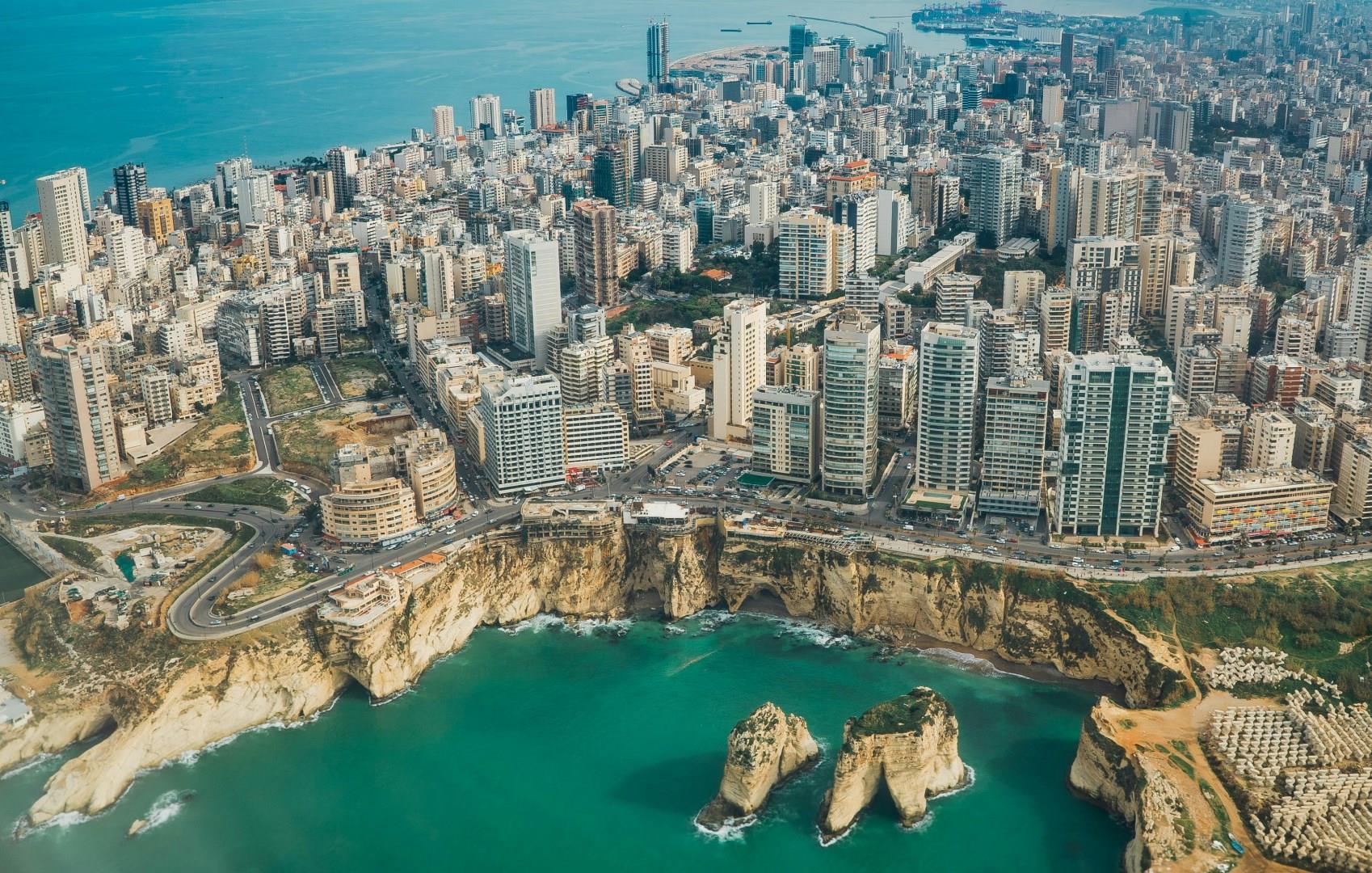
Beirut
Beirut traces its roots back over 5,000 years. Once called Berytus during the Roman era, it grew into a key port of the Mediterranean. Today’s visitors can follow the Beirut Heritage Trail, a 2.5 km walking route marked with bronze medallions, that links archaeological sites, historic courtyards, and restored Ottoman buildings. The path unveils layers of the city's past one block at a time.
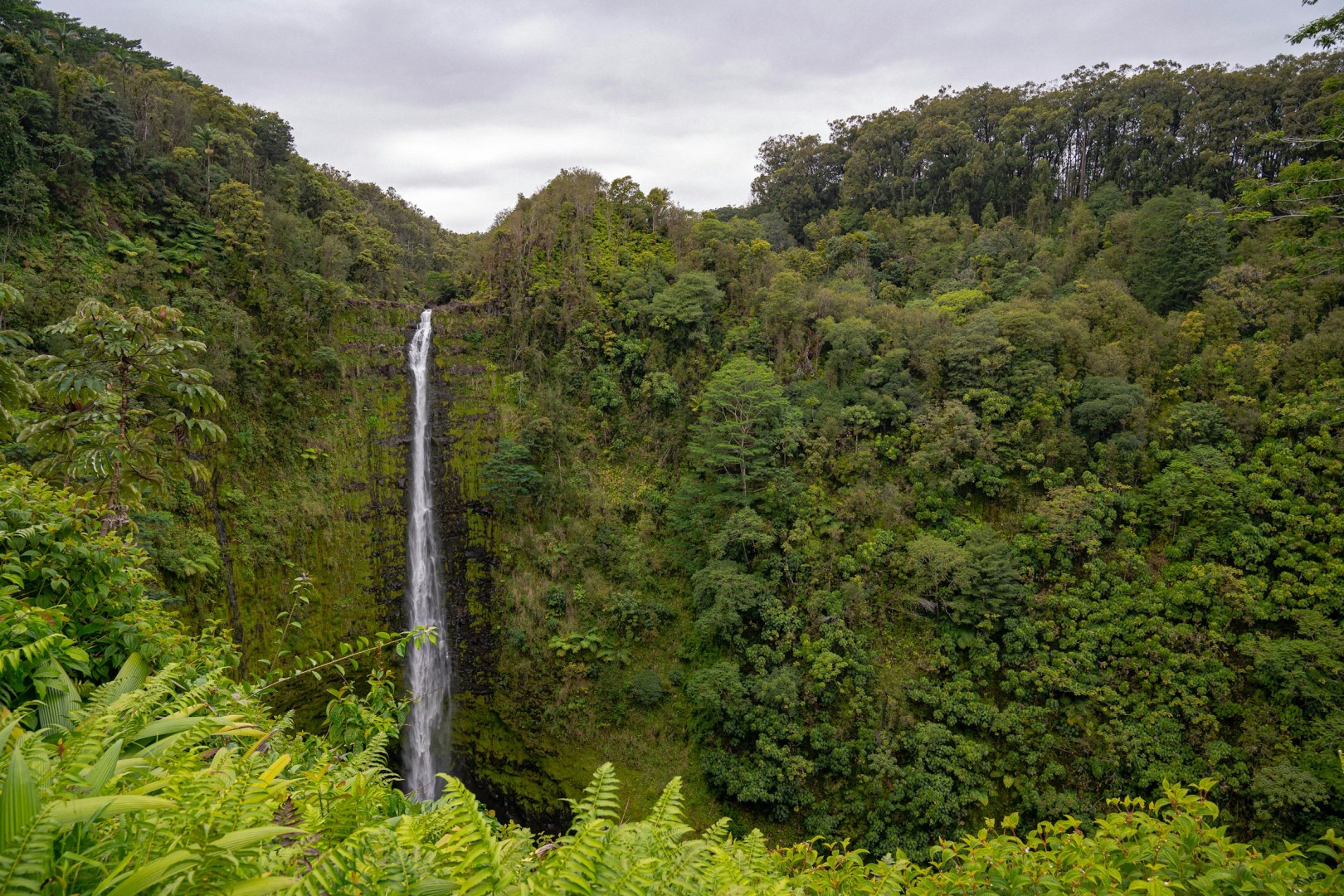
Hawaii Volcanoes National Park
Hawaii Volcanoes National Park protects a remarkable volcanic landscape on Hawaii Island shaped by Kilauea and Mauna Loa, two of the world's most active volcanoes. Visitors can explore lava fields, volcanic craters, native rainforest and dramatic terrain created by generations of eruptions.
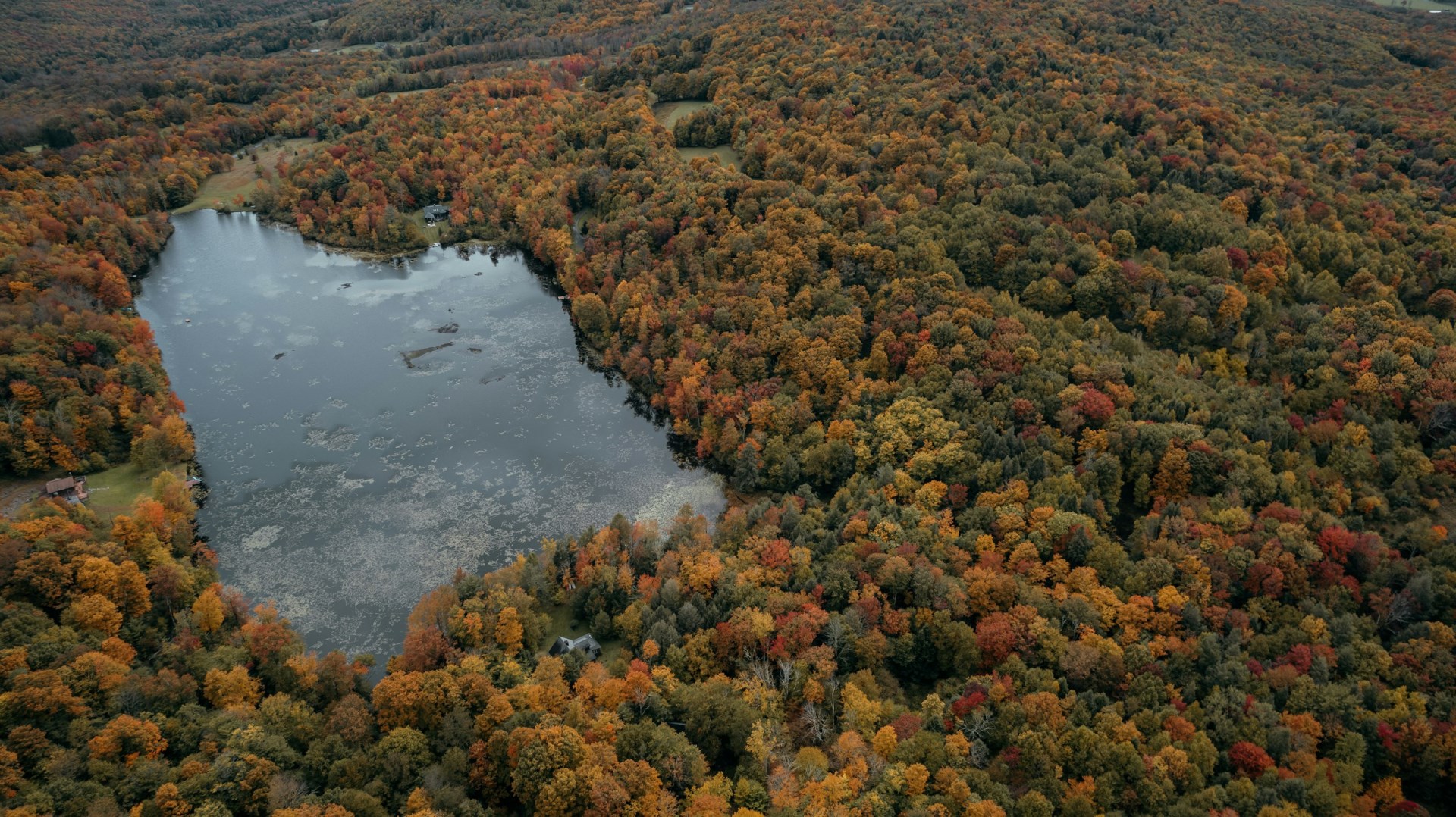
Catskill Mountains
The Catskill Mountains are a mountainous region in southeastern New York, forming part of the larger Appalachian landscape. The area is centered on the Catskill Park, which covers more than 700,000 acres across Delaware, Greene, Sullivan, and Ulster counties. Forested slopes, steep valleys, streams, lakes, and rocky overlooks define the terrain, while small towns and rural communities occupy the surrounding valleys.
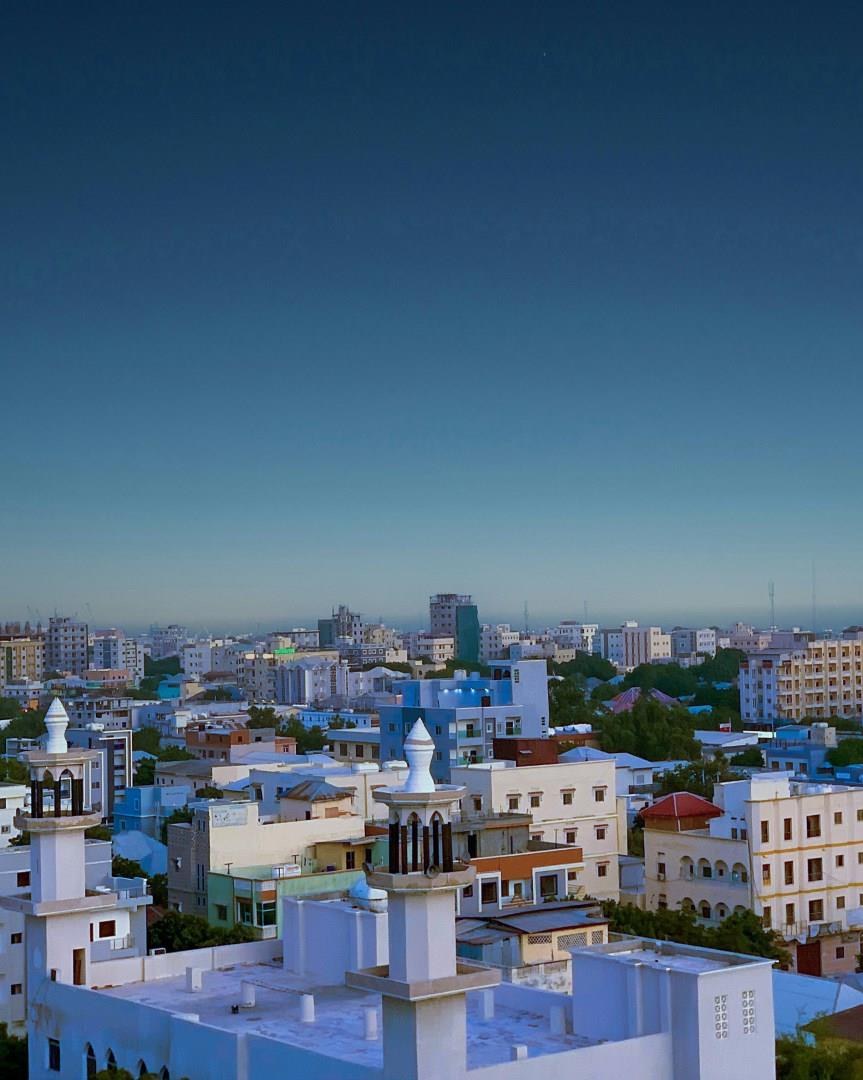
Mogadishu
Mogadishu, the capital of Somalia, is a city with a story that spans more than a thousand years. Its coastal setting has long shaped its character, blending African, Arab, and Persian influences that can still be seen in its culture and architecture today.
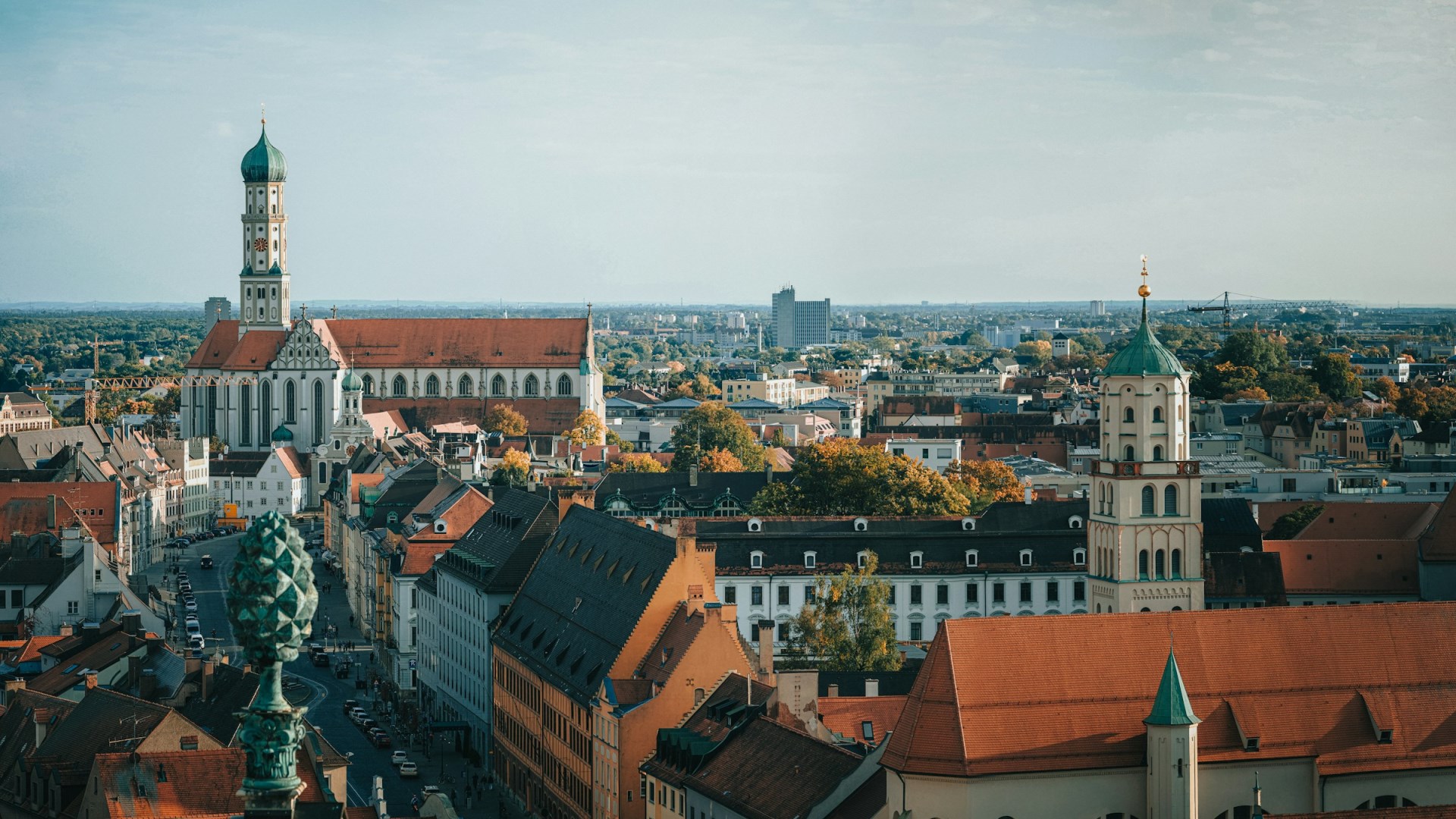
Augsburg
Augsburg was founded in 15 BC under the rule of the Roman emperor Augustus. For 400 years the city was the seat of a provincial government of the Roman empire. Its ideal location made it a crossroad of all important routes to the south. An advantage from which the powerful merchants and bankers, the Fugger family and the seafaring Welsers, likewise profited. They elevated Augsburg to rank among the world's most powerful cities. Kings and emperors were frequent guests here.
