

Uruguay
Uruguay may be one of South America's smallest countries, but it packs a striking variety of experiences into its compact borders. From the cobbled streets of Colonia del Sacramento to the avant-garde coastline of José Ignacio, Uruguay blends old-world charm with modern personality. Montevideo, the capital, offers a glimpse into everyday life with its seaside promenade, called the “Rambla,” which stretches over 20 kilometers along the Río de la Plata.

Stratford-upon-Avon
Stratford-upon-Avon, nestled in the heart of Warwickshire, England, is a timeless destination that exudes old-world charm and literary heritage. Best known as the birthplace of William Shakespeare, this enchanting market town invites visitors to walk in the footsteps of the world's greatest playwright. Explore the Shakespeare Birthplace Trust.
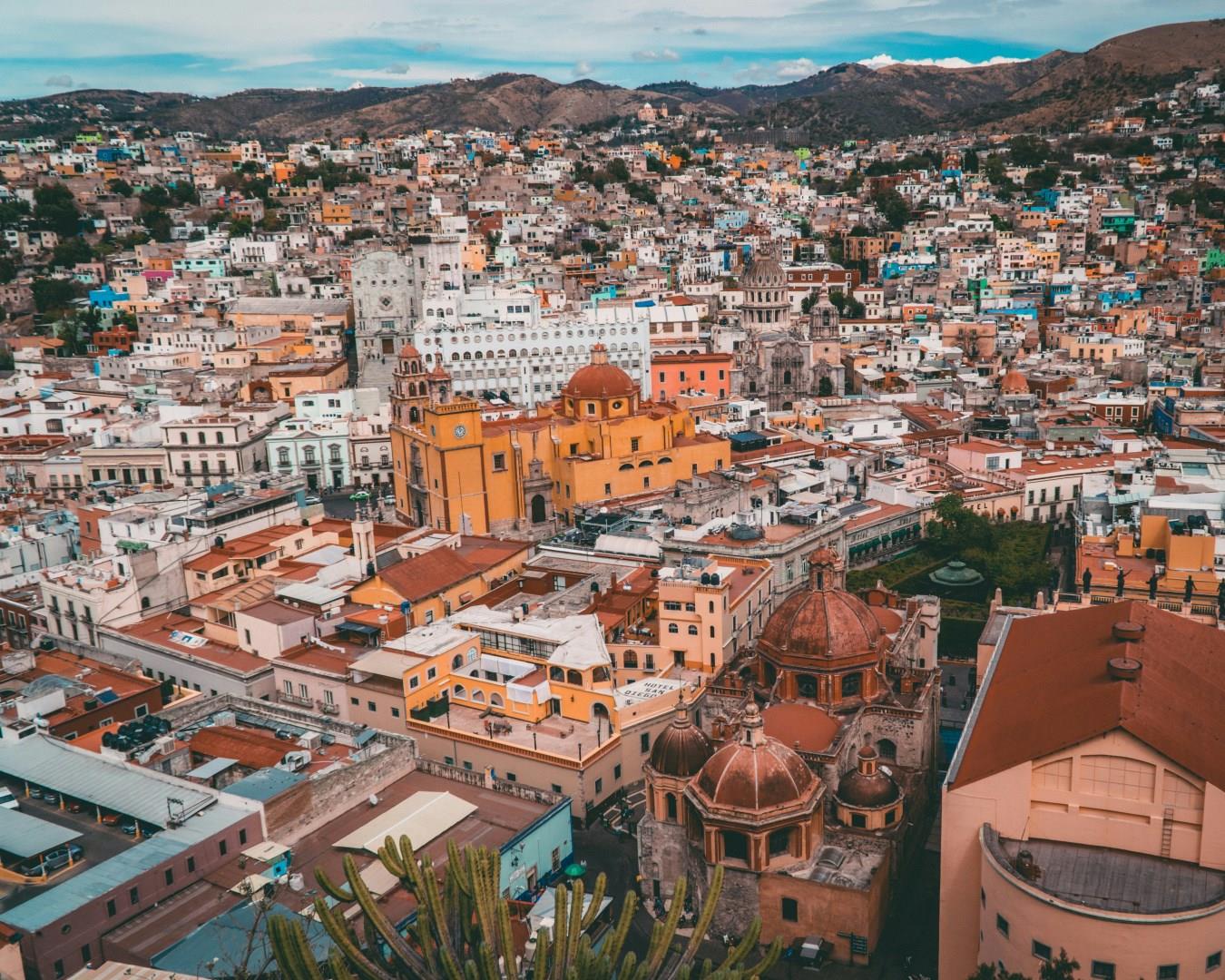
Guanajuato
Guanajuato, a UNESCO World Heritage City nestled in the mountains of central Mexico, is a place where history is built into every hillside alley and underground tunnel. Today, visitors can still tour La Valenciana Mine, where centuries-old tunnels and original mining equipment offer a glimpse into the city's wealth-driven past. The nearby Templo de San Cayetano, built by mine owners in the mid-1700s, is a stunning example of baroque design, lined with gilded altars and intricate woodwork.

Pigeon Forge
Nestled in the heart of the Smoky Mountains, Pigeon Forge, Tennessee, is a charming destination that combines natural beauty with family-friendly attractions. This small town, known for its close proximity to the Great Smoky Mountains National Park, offers visitors an array of outdoor adventures, including hiking, fishing, and wildlife viewing.

Yangon
Yangon, Myanmar’s largest city, blends colonial heritage, cultural diversity, and spiritual landmarks. Once the country’s capital, it remains the economic and cultural hub, with lively markets, tree-lined avenues, and historic buildings that reflect its layered past under British, Burmese, and regional influences.
