

Golden Circle
The Golden Circle is Iceland’s premier tourist route, offering a breathtaking journey through some of the country’s most iconic natural wonders. The route typically starts in Reykjavik and circles through Þingvellir National Park, the Geysir geothermal area, and Gullfoss waterfall. At Þingvellir, visitors can stand where the North American and Eurasian tectonic plates meet and explore the site of the world’s oldest parliament, established in 930 AD.

Uluru
Located in Australia's Northern Territory, Uluru is an iconic sandstone formation and UNESCO World Heritage site. This red rock monolith, believed to be over 500 million years old, has been considered sacred by Australia's indigenous peoples for thousands of years and is one of the country's most well-known natural landmarks. This spiritual destination will astound you at sunrise and sunset, when the warm sunlight turns Uluru to deep hues of red and orange.

Kauai Island
Known as the "Garden Island," Kauai is Hawaii's oldest island and a tropical paradise. Covered with verdant rainforests, glittering waterfalls, and immense cliffs, Kauai will astound you at every turn. This island is the perfect destination for outdoor adventures, with activities from kayaking, to ziplining, to snorkeling. Better yet, marvel at the island's natural beauty, from the scenic cliffsides of Nāpali Coast State Wilderness Park to the resort beaches of Poipu.

Morelia
Morelia, the capital of Michoacán, is a city that wears its history in stone. Built in the 16th century and recognized as a UNESCO World Heritage Site, its historic center is filled with over 200 colonial-era buildings made from pink cantera, a soft volcanic stone that gives the city its distinct look. The centerpiece is the Morelia Cathedral, a massive baroque structure that features twin towers that light up every Saturday night with a fireworks and music display.
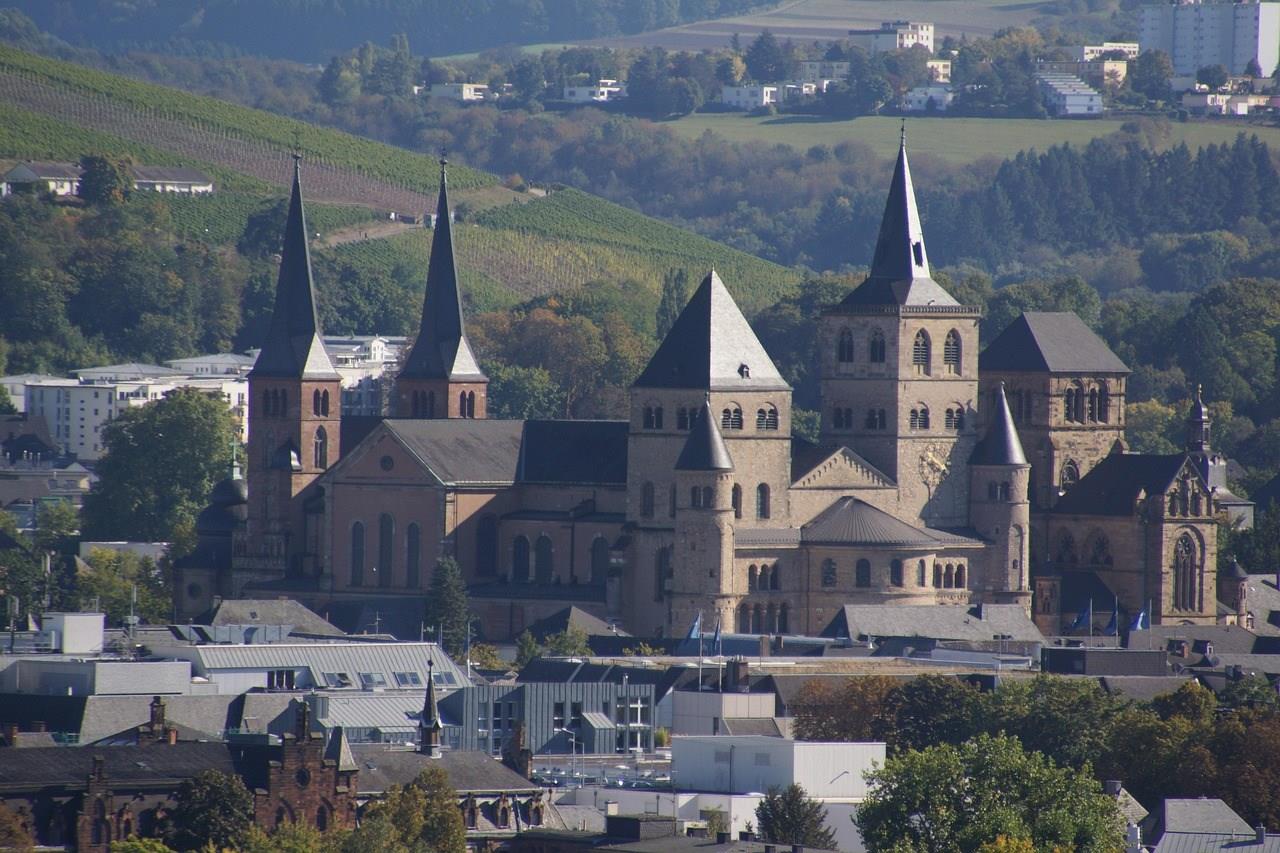
Trier
Trier, Germany’s oldest city, is a living museum nestled in the Moselle Valley, where Roman ruins rise beside medieval churches and bustling market squares. Founded by the Romans in 16 BCE, Trier was once known as “Roma Secunda,” the second Rome, and still boasts the largest collection of Roman architecture north of the Alps. The Trier Cathedral (Dom St. Peter), which is a UNESCO World Heritage Site, is the oldest church in Germany and houses a relic said to be the Holy Robe of Christ.
