
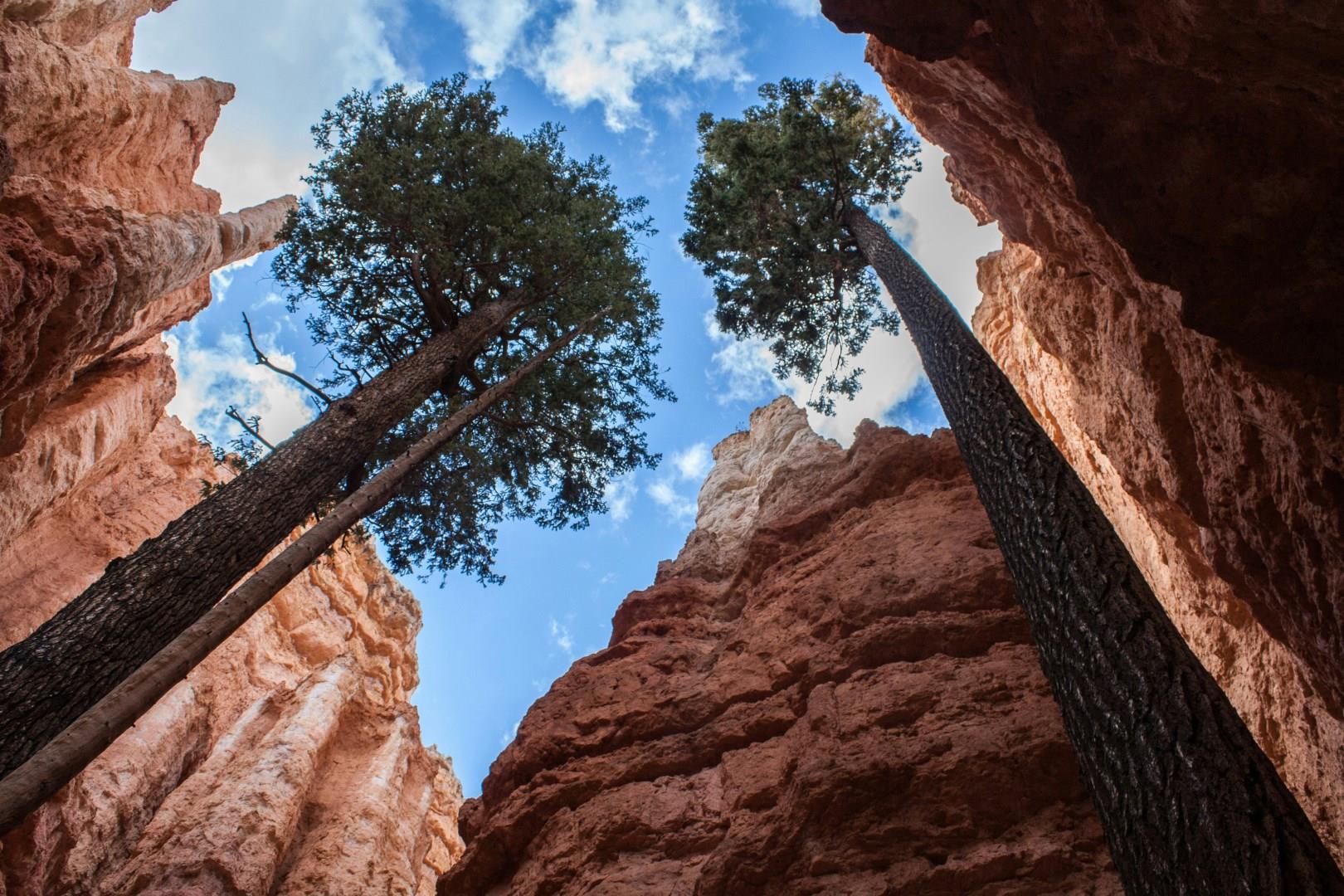
Bryce Canyon
Bryce Canyon, tucked into the high plateaus of southern Utah, offers one of the most unusual landscapes in the American Southwest. It’s not actually a canyon but a series of natural amphitheaters carved into the edge of the Paunsaugunt Plateau. What makes Bryce unique is its dense collection of hoodoos which are tall, thin spires of rock formed over millions of years by frost-wedging and erosion.
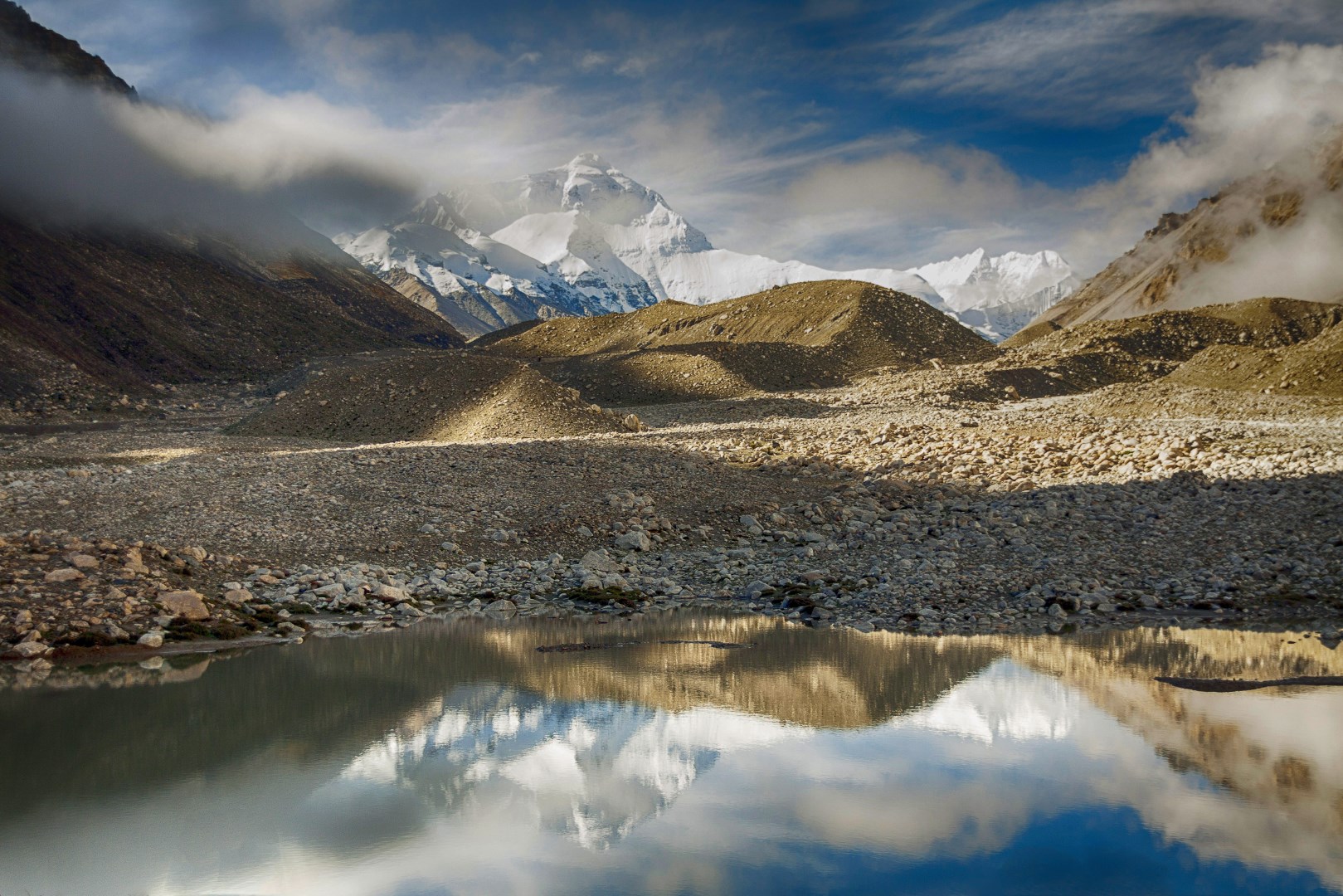
Mount Everest
Rising along the border of Nepal and Tibet, Mount Everest stands as the highest point on Earth, reaching over 29,000 feet into the sky. Known locally as Sagarmatha, meaning “Peak of Heaven,” and Chomolungma, meaning “Goddess Mother of the World,” the mountain carries deep spiritual meaning for the communities that live in its shadow. Its summit sits in air so thin that oxygen levels are only a fraction of what travelers experience at sea level.

Island of Hawai'i
Hawaii Island, also known as the Big Island, is a place where natural wonder and cultural heritage converge in breathtaking ways. The island’s diverse landscapes span black sand beaches, verdant rainforests, and snow-capped mountains. Volcanoes National Park is a must-see destination where visitors can witness the power of Earth’s creation at the Kīlauea and Mauna Loa volcanoes, two of the most active in the world.
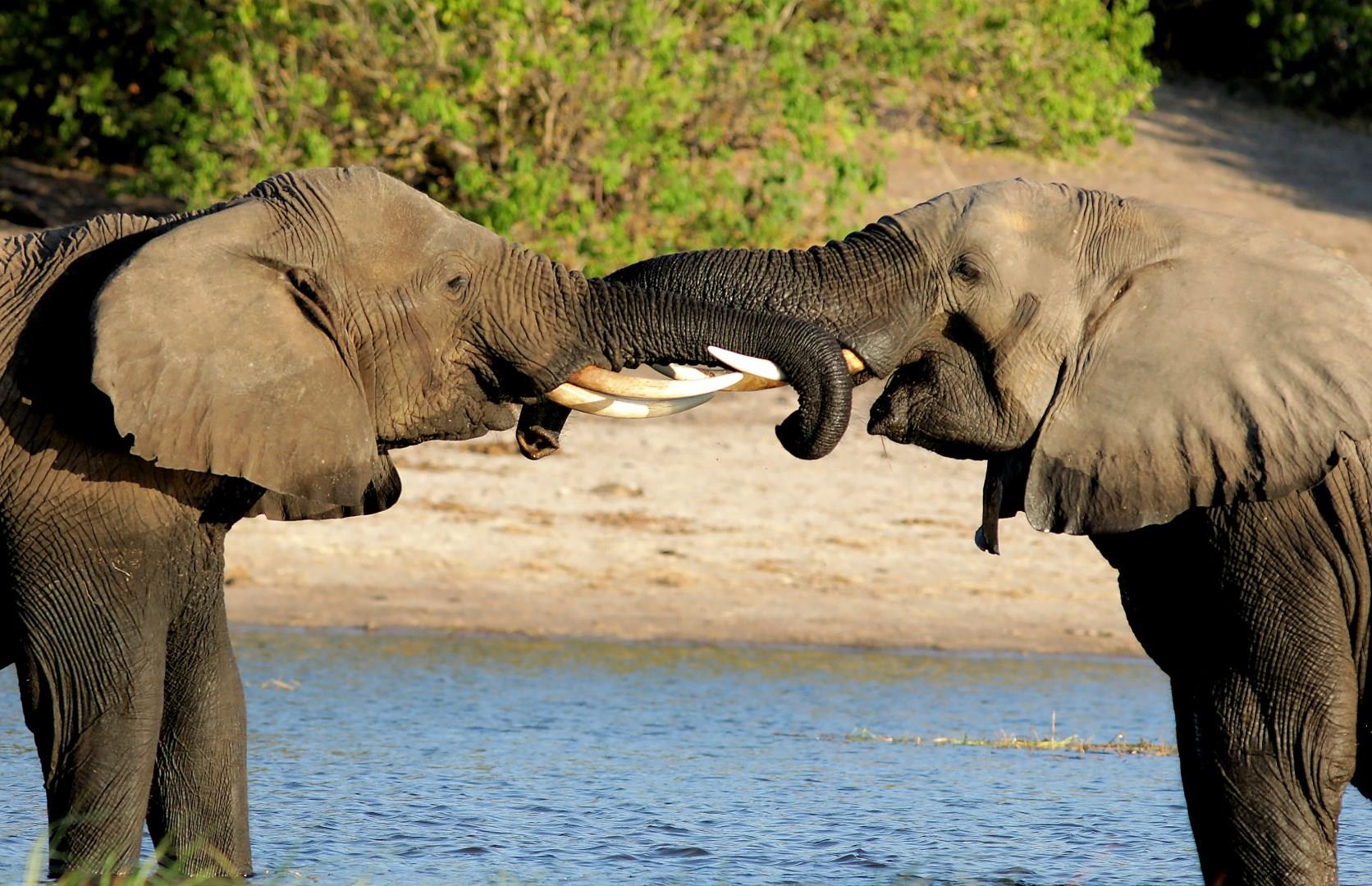
Kasane
Kasane sits at Botswana’s northeastern edge, where the Chobe River meets the borders of Namibia, Zambia, and Zimbabwe. Its development is closely tied to river transport, regional trade, and wildlife management.
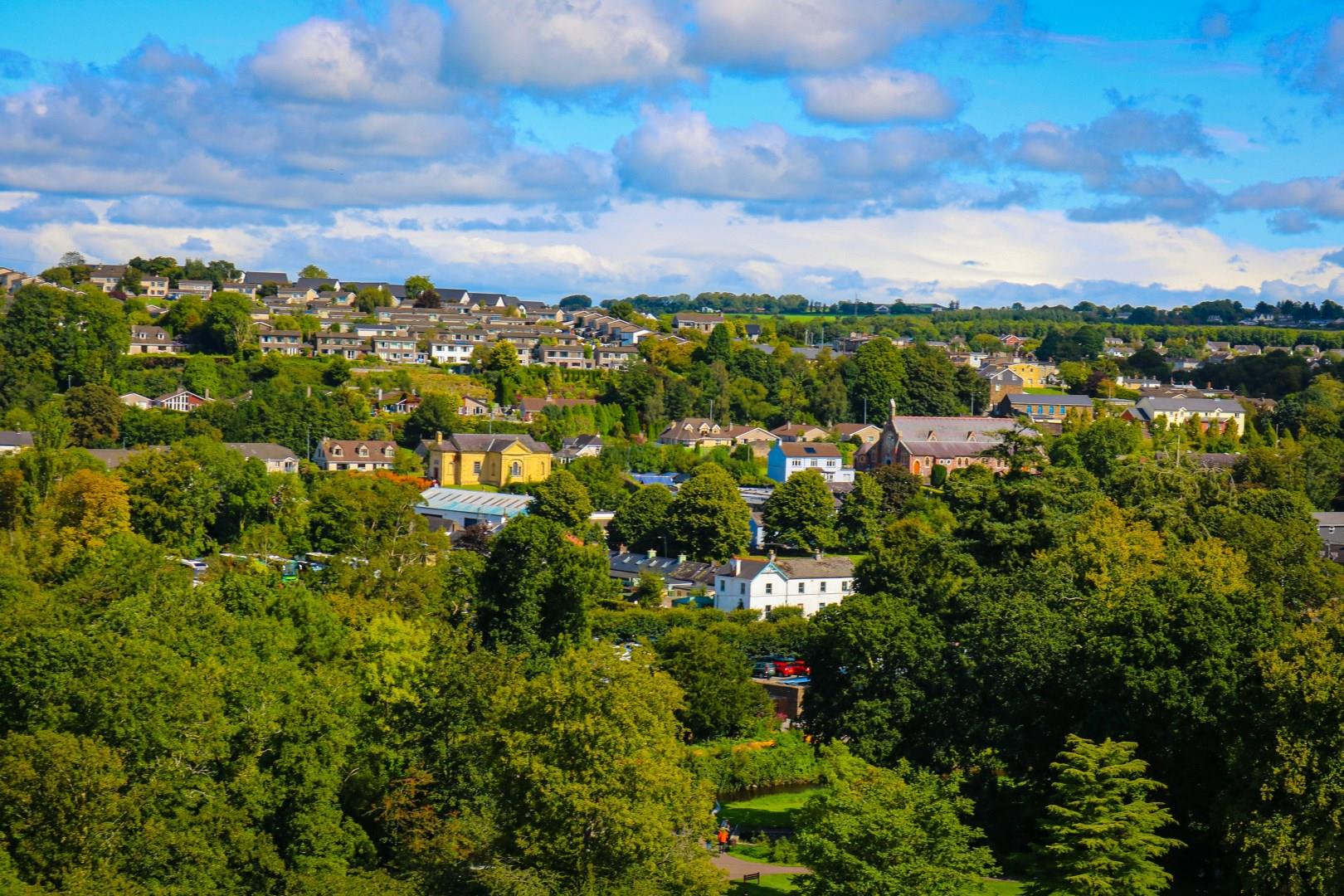
Blarney
Blarney, a village just outside Cork in Ireland, is best known for its legendary Blarney Castle, where travelers from around the world come to kiss the famous Blarney Stone.
