
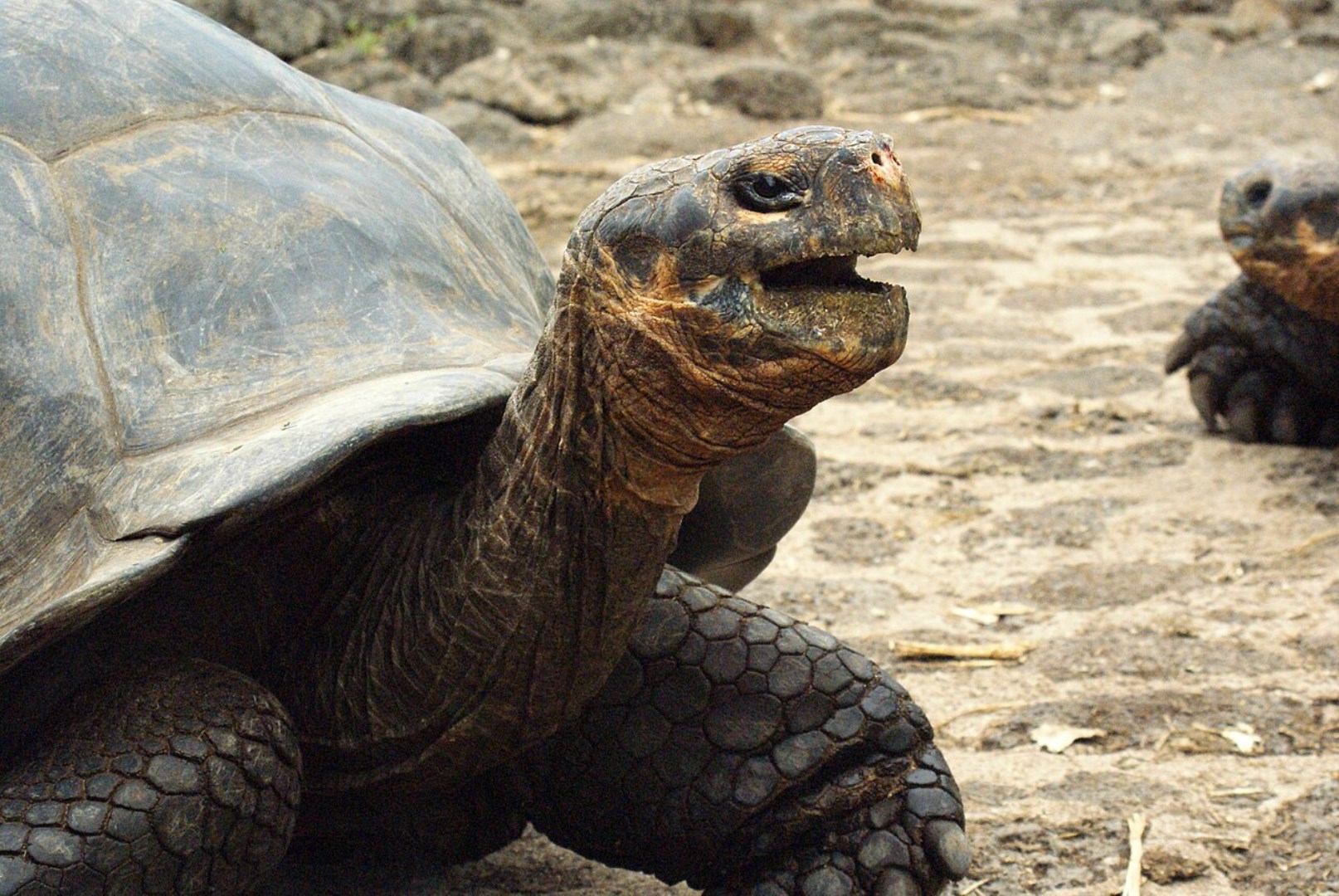
Charles Darwin Research Station
Set along the shoreline of Santa Cruz Island in the Galápagos, the Charles Darwin Research Station introduces visitors to a living laboratory shaped by volcanic land and rare wildlife. Located near Puerto Ayora, the station stands as the scientific heart of the islands, where researchers from around the world work side by side to understand and protect species found nowhere else on Earth.

Vancouver
Vancouver is a city in southwestern Washington located along the north bank of the Columbia River, directly across from Portland, Oregon. It is one of the oldest continuously inhabited areas in the Pacific Northwest and serves as the county seat of Clark County.

Dominica
Dominica, known as the “Nature Island of the Caribbean,” is a haven for eco-tourists and adventure seekers. Nestled between the French islands of Guadeloupe and Martinique, this lush island boasts a remarkable landscape of volcanic mountains, dense rainforests, and stunning waterfalls. Dominica’s most iconic natural wonder is the Boiling Lake, the second-largest hot spring in the world.
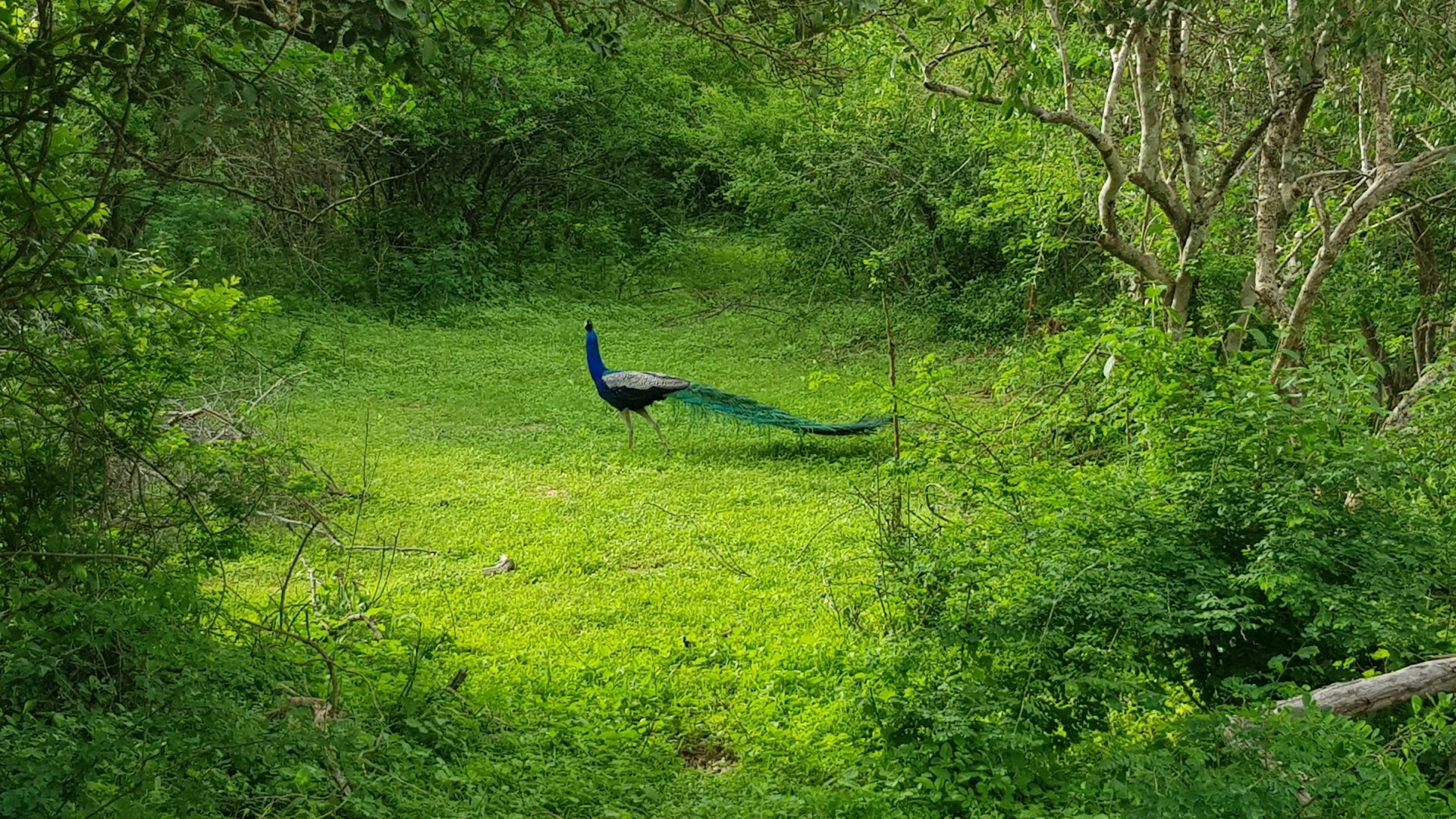
Hambantota
Hambantota is a coastal city in Sri Lanka’s Southern Province, set along a dry, sunlit stretch of the island’s southeastern coast. Its landscape combines the Indian Ocean, salt pans, scrubland, lagoons, and agricultural areas, giving the city a different character from the wetter coastal towns farther west. Hambantota is an important regional center and a gateway to several major wildlife destinations.
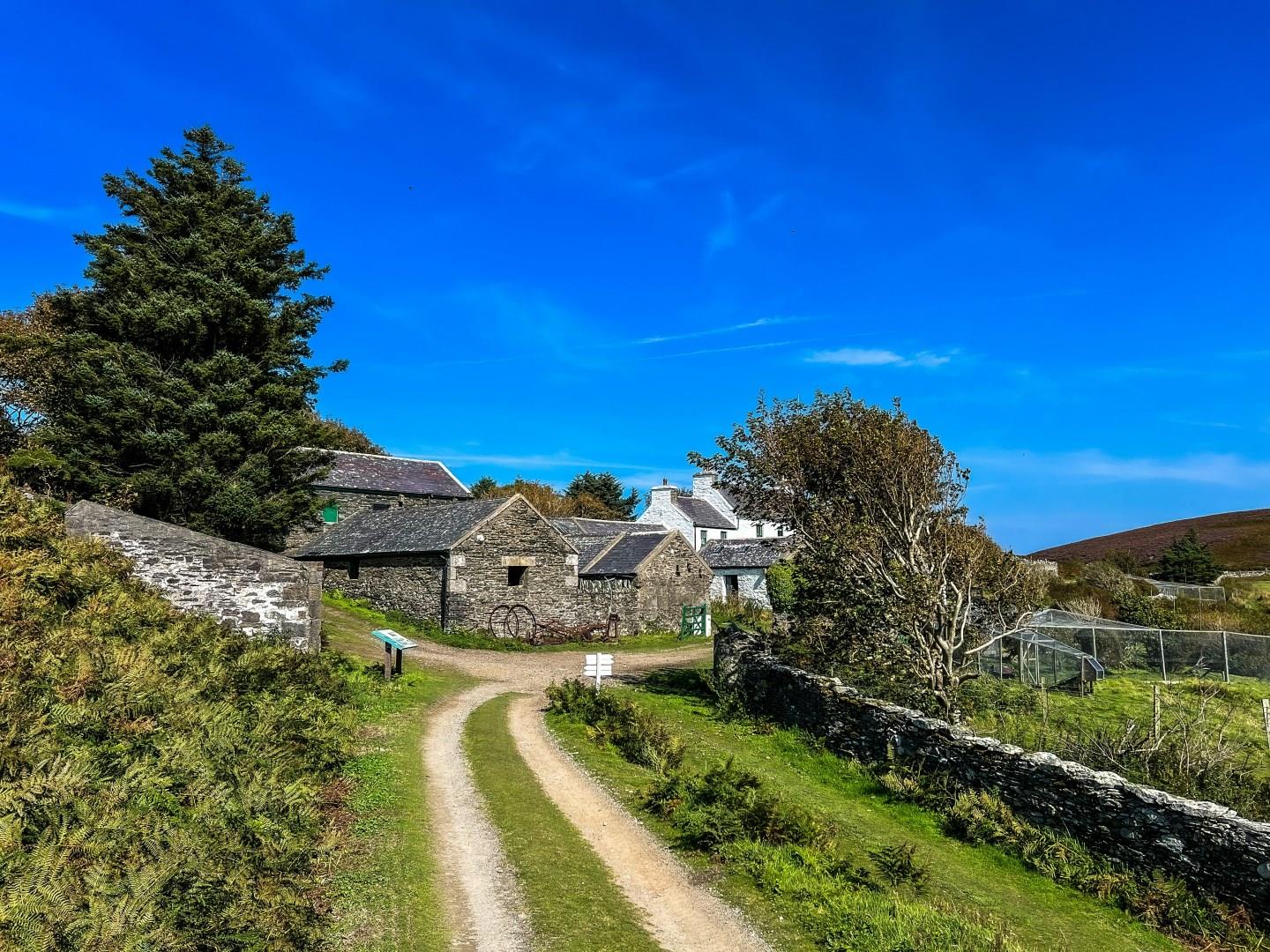
Calf of Man
The Calf of Man, a small island off the southwest coast of the Isle of Man, offers a rare glimpse into a quieter side of the Irish Sea. Covering just over 260 acres, this uninhabited island is known primarily for its rich birdlife and dramatic coastal cliffs. Visitors often arrive by boat from nearby Port Erin, embarking on guided tours that reveal the island’s importance as a bird sanctuary.
