

Luxembourg
Luxembourg City, the capital of the Grand Duchy of Luxembourg, is a stunning blend of medieval charm and modern sophistication. Perched atop dramatic cliffs and surrounded by deep gorges, this city offers a unique and breathtaking landscape. The UNESCO-listed Old Town is an essential starting point for visitors, with its ancient fortifications, narrow cobblestone streets, and grand squares.
Kalsoy
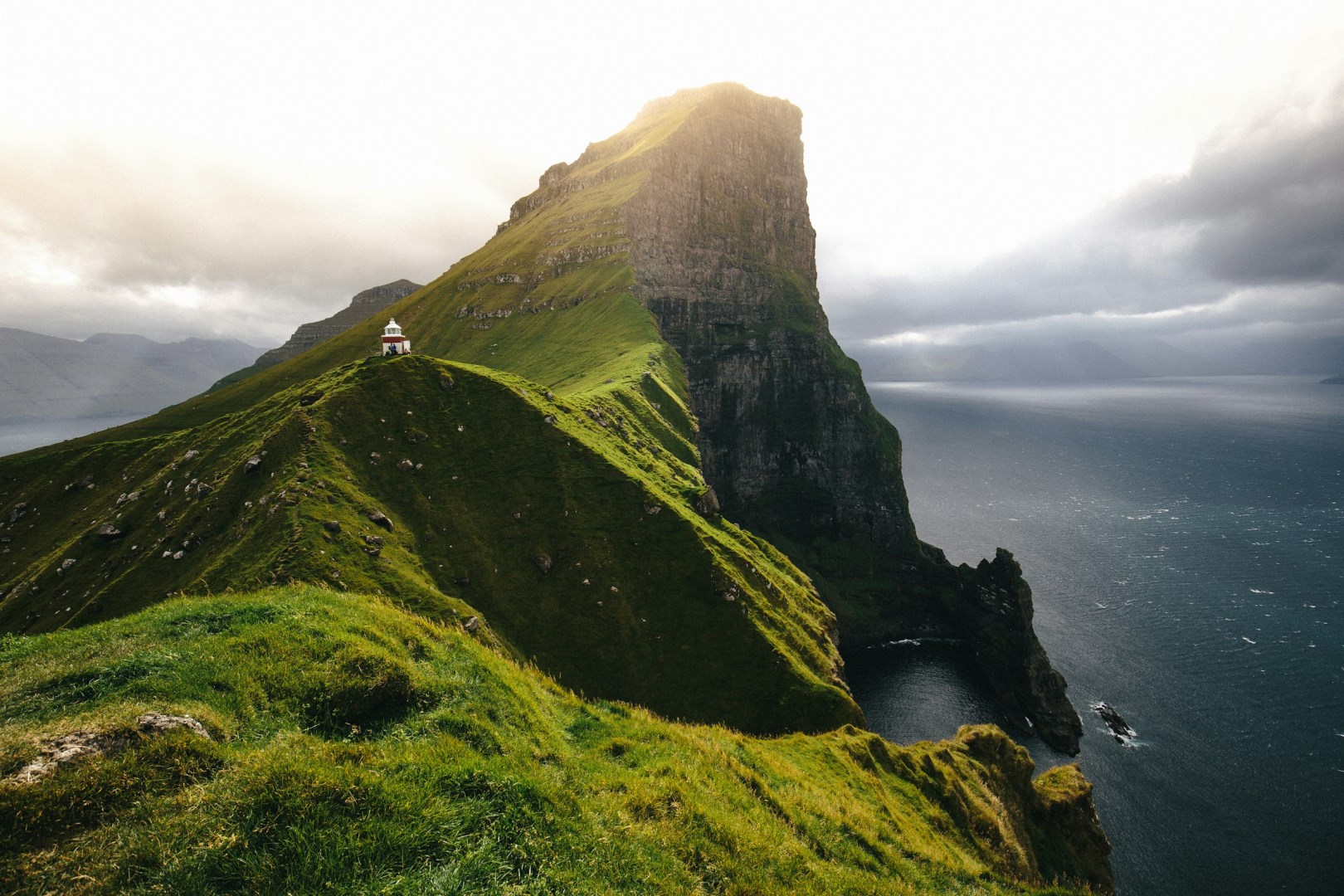
Kalsoy is a narrow, mountainous island in the northern Faroe Islands, known for its steep eastern cliffs, deep valleys, and small settlements along the western side. The island is reached by ferry from Klaksvík, and its road passes through several short tunnels as it connects the villages of Húsar, Mikladalur, and Trøllanes. Much of Kalsoy remains open pasture and rugged mountain terrain, with the sea visible from almost every part of the island.
Falmouth
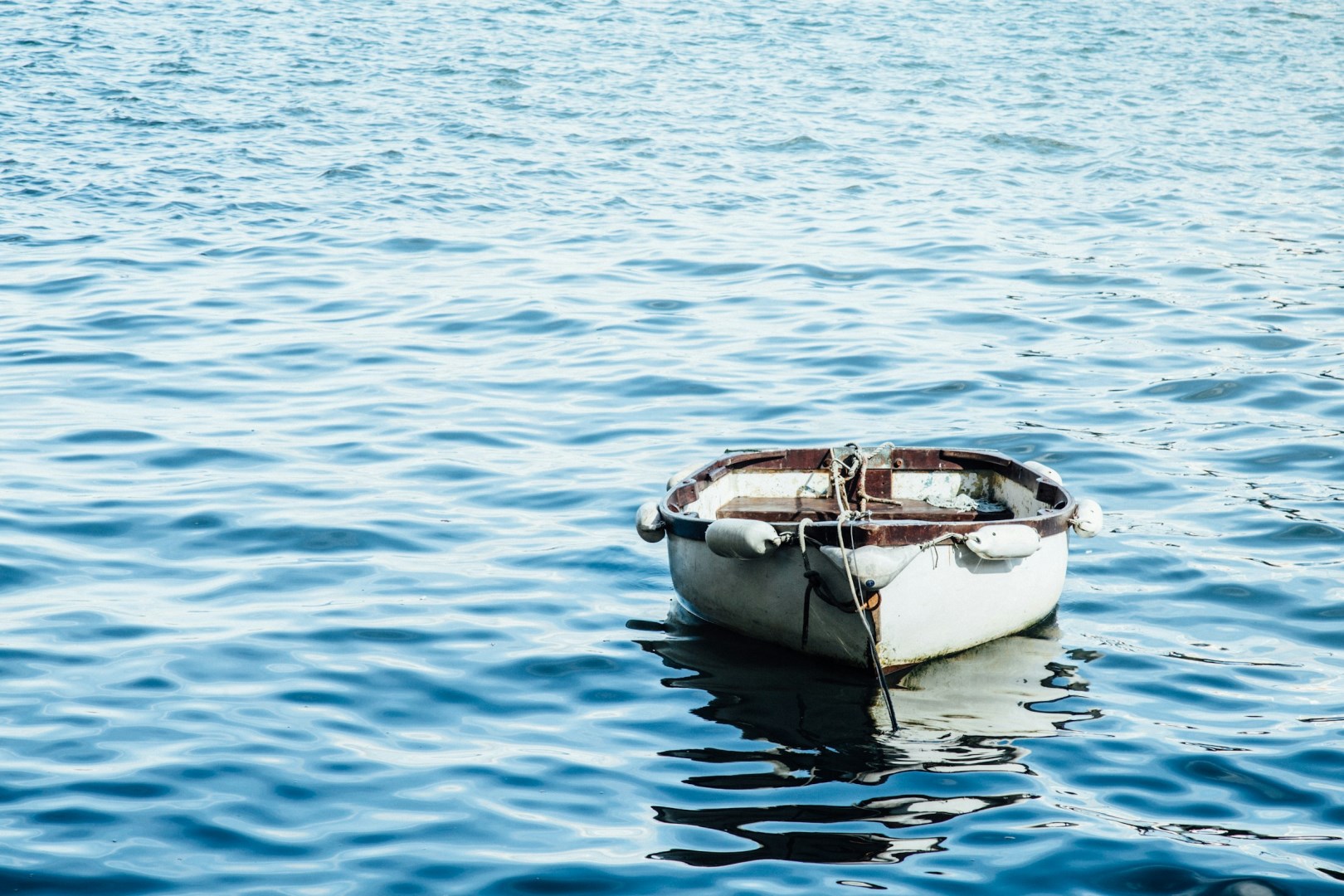
Falmouth, on Cornwall’s south coast, grew around one of the world’s largest natural harbors, a feature that has shaped its maritime identity for centuries. The town expanded during the age of sail, serving as a key port for packet ships, and landmarks like Pendennis Castle still anchor Falmouth firmly in its naval past.
Labuan Bajo
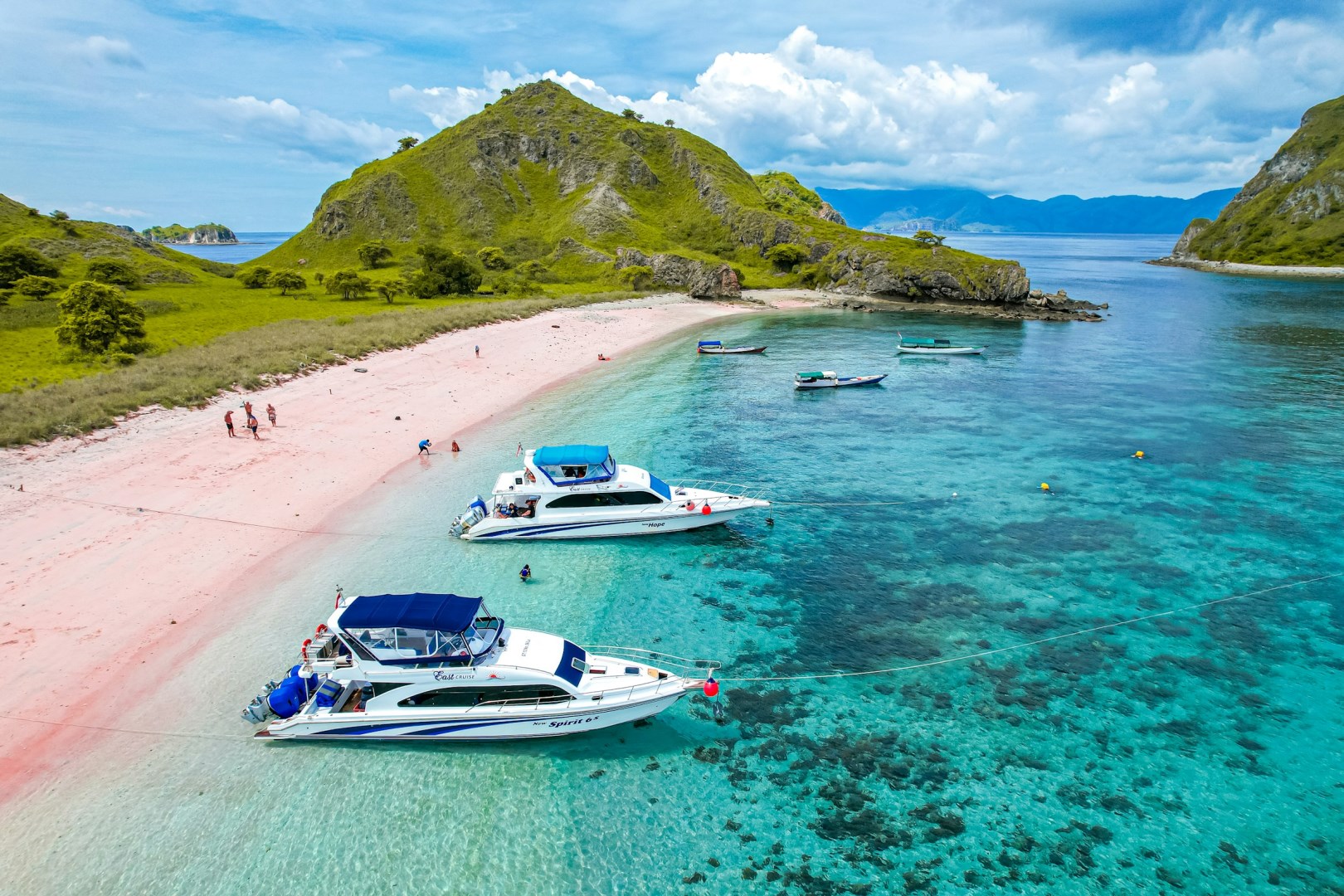
Labuan Bajo is a coastal town on the western tip of Flores in East Nusa Tenggara, facing the waters between Flores and Sumbawa. It serves as the main gateway to Komodo National Park and is also a center for travel across western Flores. The town sits beside a sheltered harbor surrounded by small islands, dry hills, and coastal landscapes.
Nosy Boraha
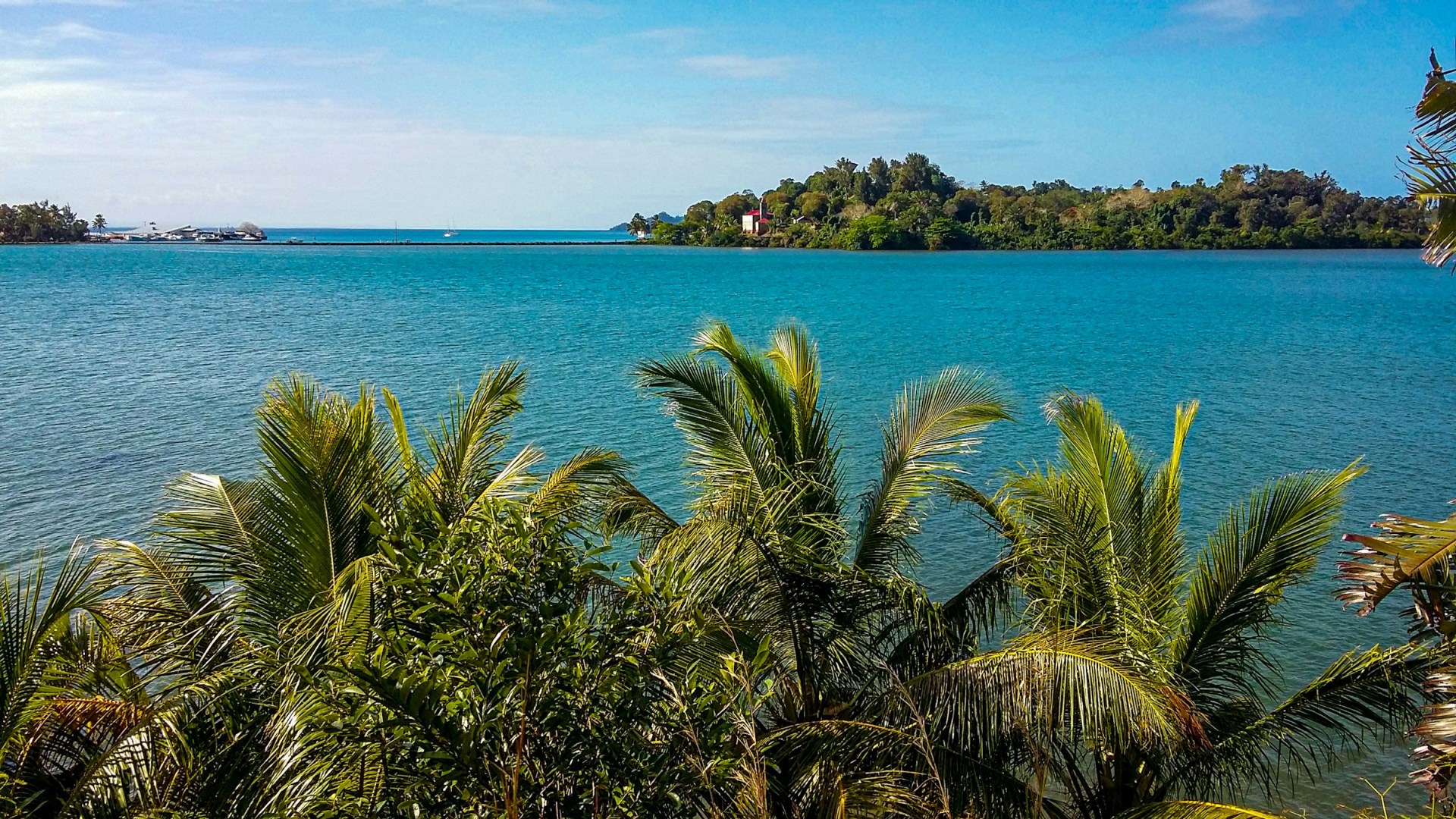
Nosy Boraha, also known as Île Sainte-Marie, is a long, narrow island off Madagascar’s northeastern coast. Its sheltered position in the Indian Ocean gives it a landscape of sandy beaches, coconut palms, lagoons, small bays, and inland forests. The island is separated from mainland Madagascar by a channel that creates relatively calm coastal waters in many areas
