
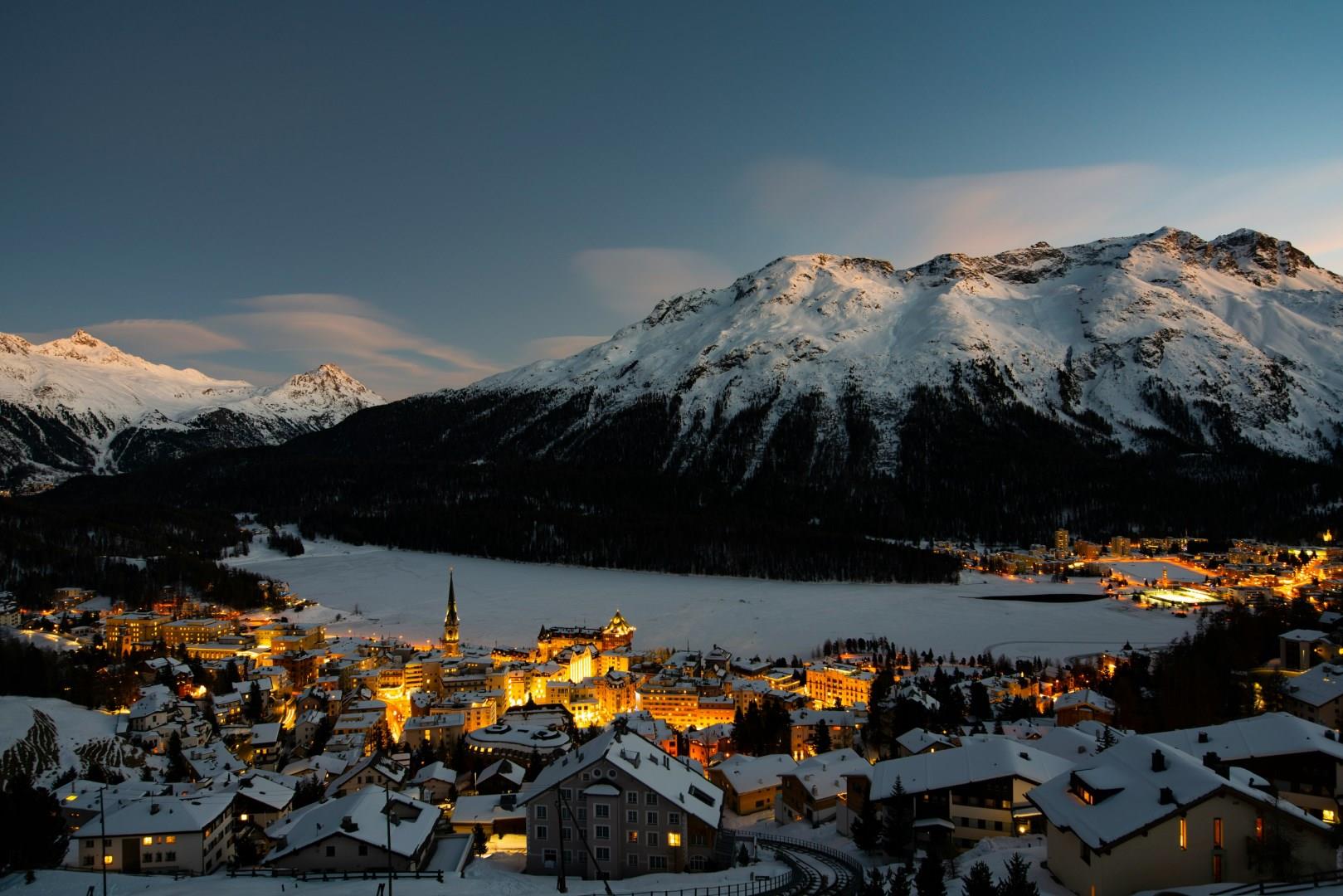
St. Moritz
St. Moritz, located in Switzerland’s Engadin Valley, has been attracting visitors for over 150 years, long before the term "alpine resort" became common. It was here in 1864 that winter tourism was born, when a hotelier made a wager with British guests that they would enjoy the snow just as much as the summer sun. They returned, and the rest is history. The town has since hosted the Winter Olympics twice (in 1928 and 1948) and remains a favorite for skiing, snowboarding, and ice sports.
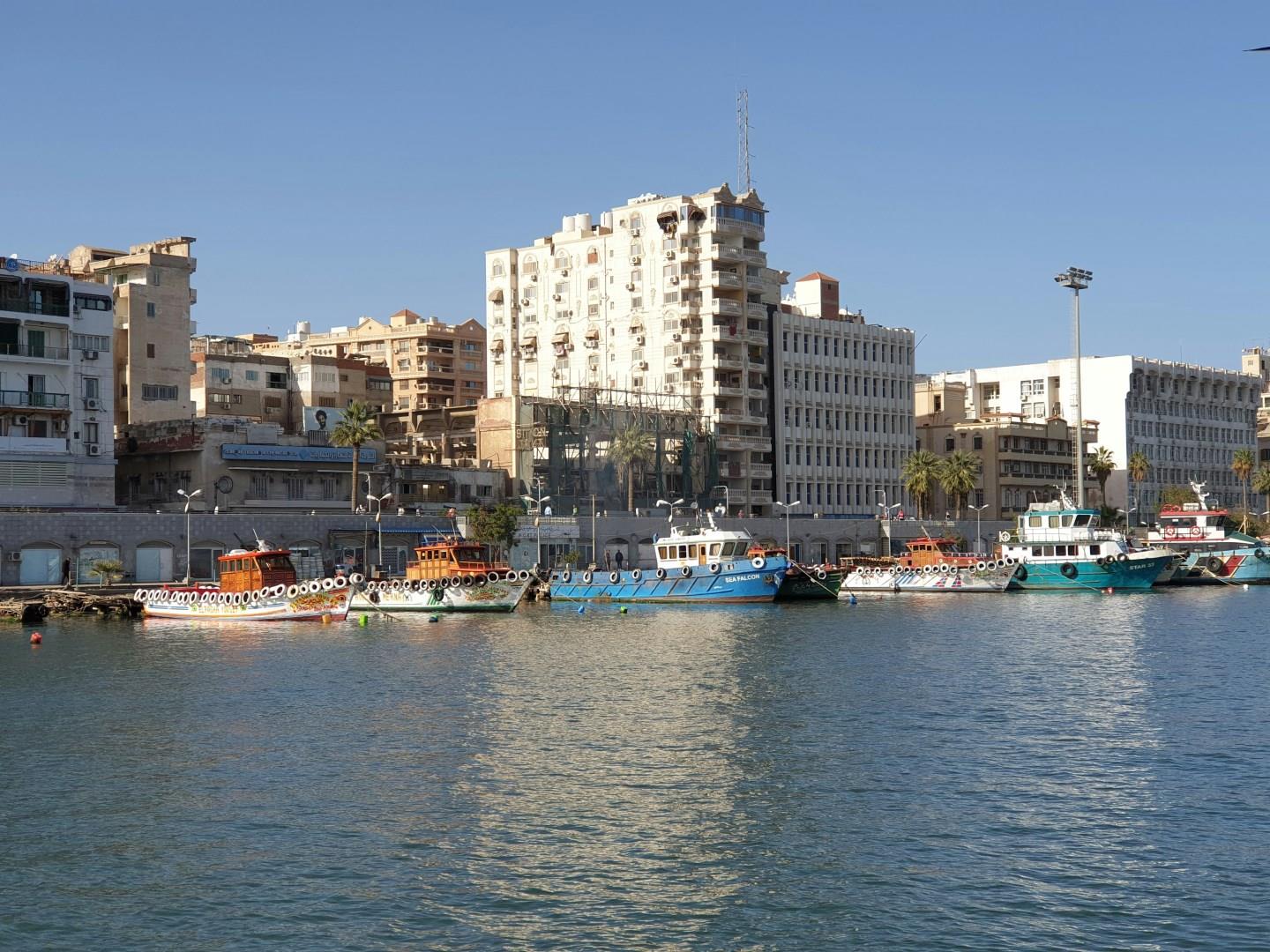
Port Said
Egypt’s Port Said sits at the northern entrance of the Suez Canal, where the Mediterranean meets one of the world’s most famous waterways.

Dominica
Dominica, known as the “Nature Island of the Caribbean,” is a haven for eco-tourists and adventure seekers. Nestled between the French islands of Guadeloupe and Martinique, this lush island boasts a remarkable landscape of volcanic mountains, dense rainforests, and stunning waterfalls. Dominica’s most iconic natural wonder is the Boiling Lake, the second-largest hot spring in the world.
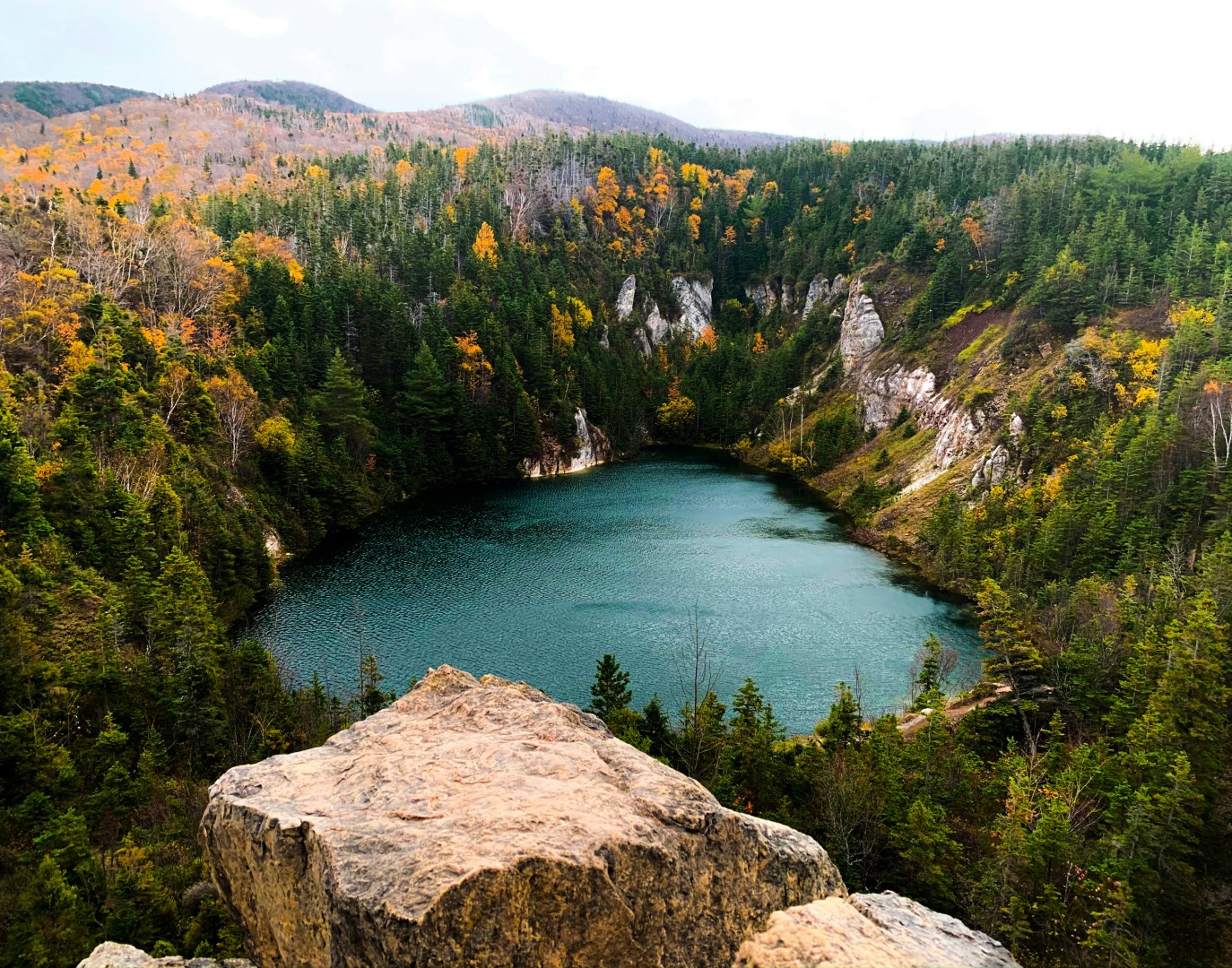
Cape Breton Island
Cape Breton Island sits off the eastern coast of Nova Scotia and welcomes visitors with rolling hills, wide waters and a calendar full of engaging experiences. In the village of Baddeck, the shores of the Bras d’Or Lake reflect early morning sun on fishing boats and sailboats alike, and nearby Kidston Island, reached by a small summer ferry, holds a historic lighthouse and a sandy beach that invites relaxed afternoons by the water.
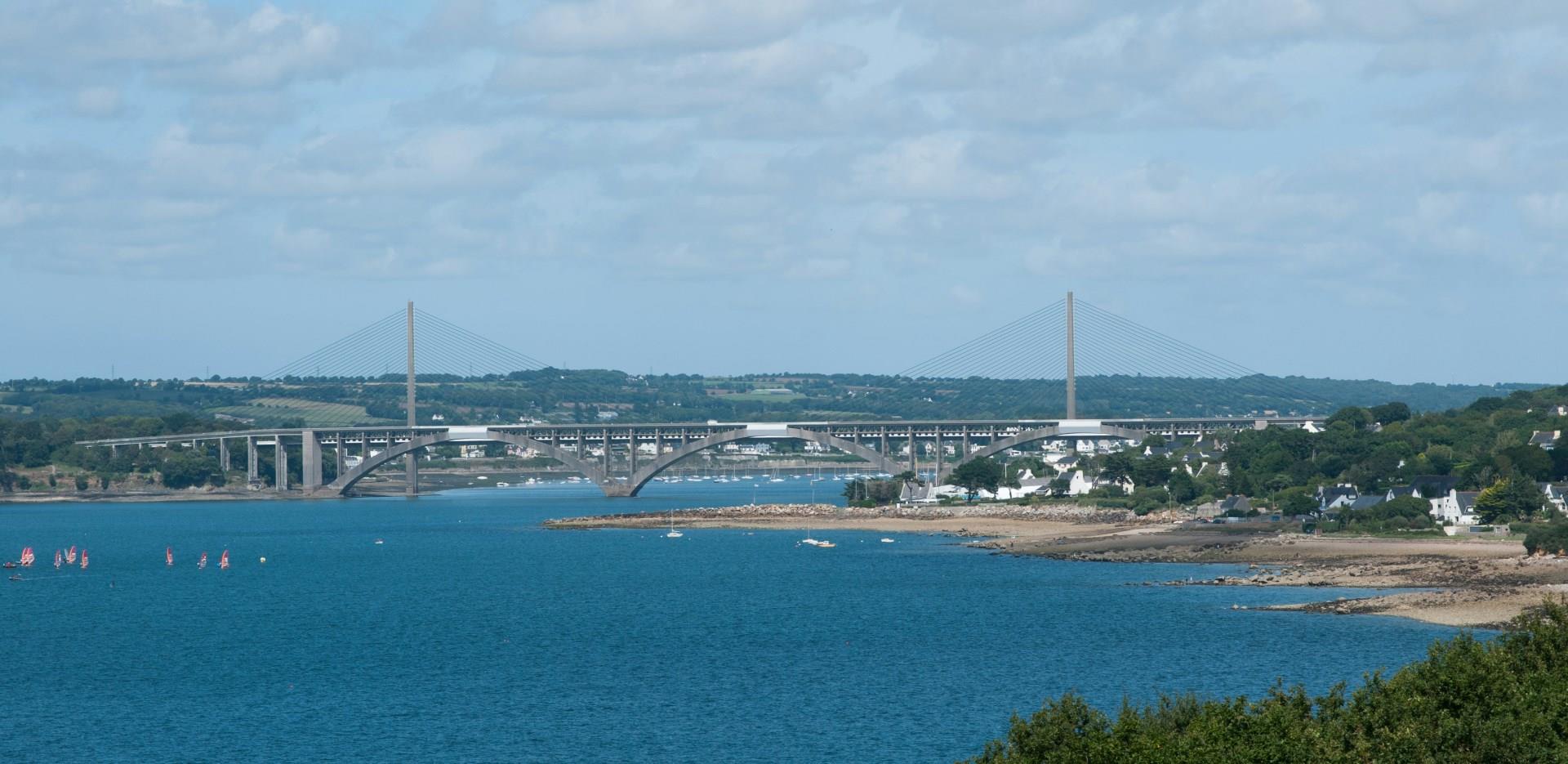
Brest
Brest sits at the western edge of Brittany, facing the Atlantic and shaped by its role as a strategic naval port. Much of the city was rebuilt after World War II, giving it a modern layout that contrasts with older Breton towns, yet its history remains closely tied to the sea.
