
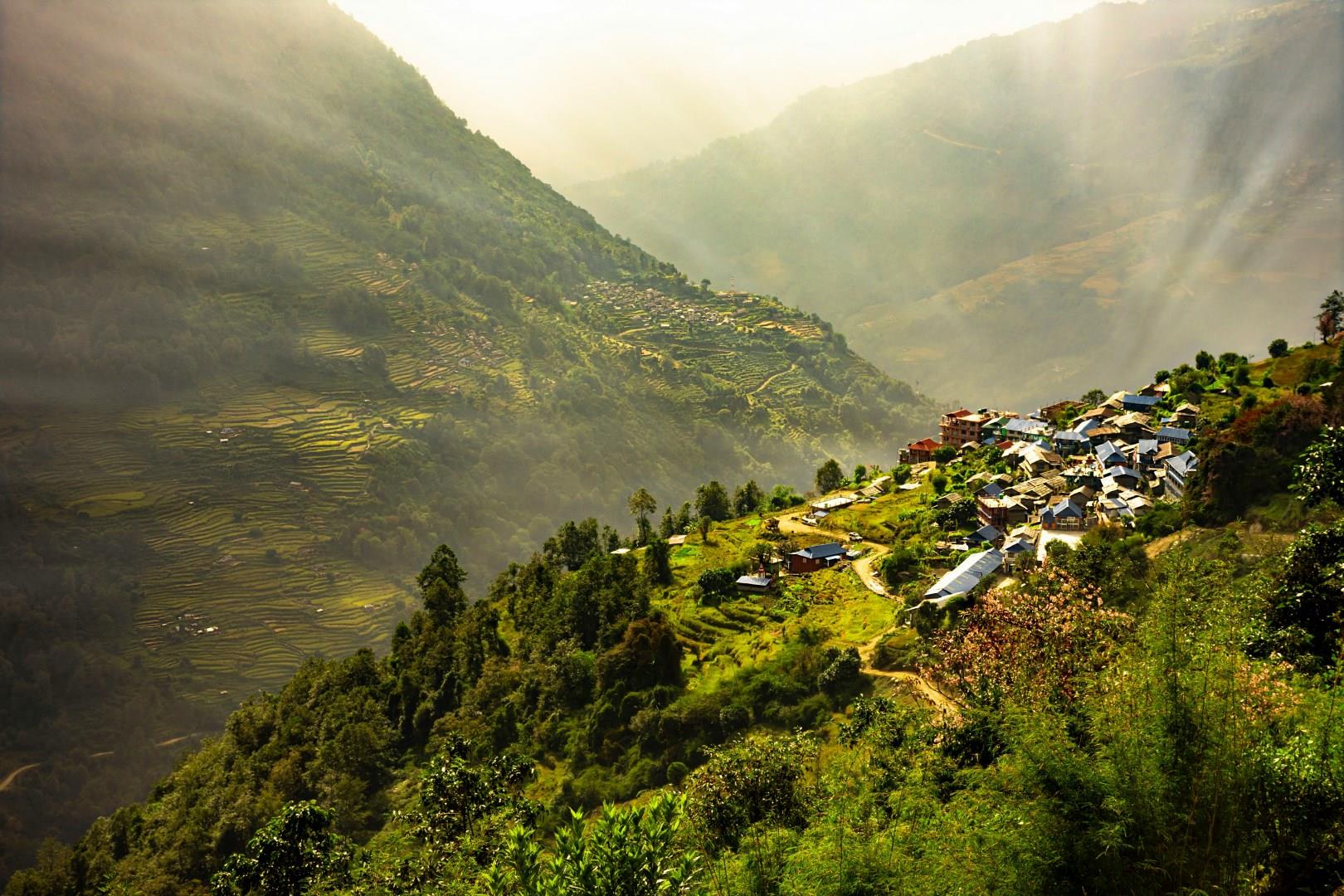
Ulleri
Ulleri is a small village in Nepal, located in the Annapurna region along the popular trekking route to Ghorepani and Poon Hill. It has traditionally served as a resting point for trekkers and local traders, with stone-paved streets and terraced fields reflecting centuries of Himalayan agricultural life.
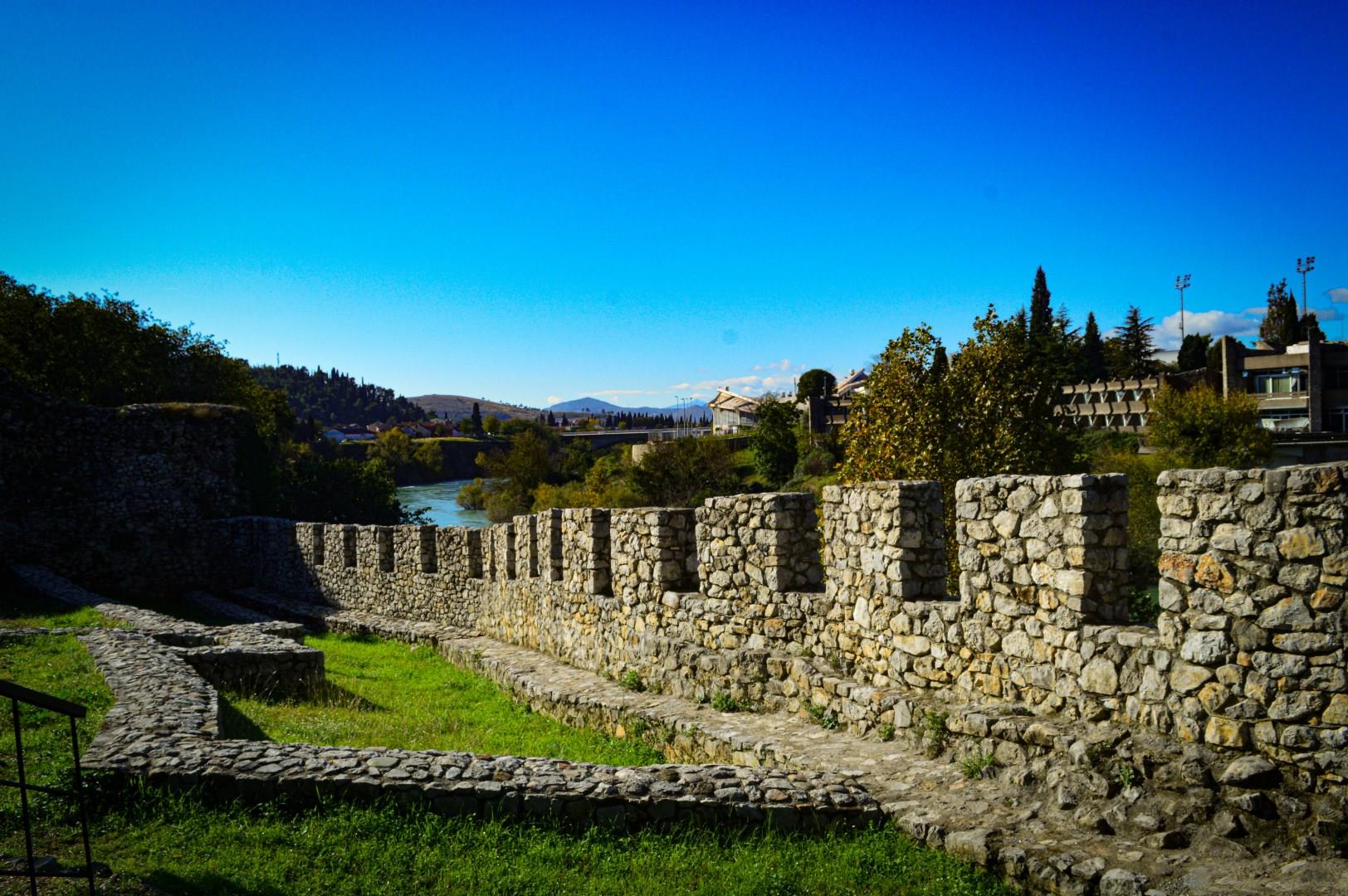
Podgorica
Podgorica, the capital of Montenegro, showcases the country’s contrasting landscapes and deep-rooted history. Although much of the city was rebuilt after World War II, traces of its Roman and Ottoman past still remain. Visitors can explore the ruins of Doclea, a Roman settlement just outside the city, where surviving columns and mosaics give a glimpse into life nearly two millennia ago.

Chefchaoeun
Chefchaouen, a picturesque city nestled in the Rif Mountains of northern Morocco, is renowned for its stunning blue-painted streets and buildings. Founded in 1471, Chefchaouen's medina—a maze of narrow, winding streets—is one of its most enchanting features, where every corner reveals a splash of blue, creating a serene and photogenic atmosphere. T

Machu Picchu
Machu Picchu is a story carved into stone, perched nearly 2,500 meters above sea level in the cloud forests of southern Peru. Built in the 15th century and later abandoned, this Inca citadel was unknown to the outside world until 1911, when explorer Hiram Bingham brought it to international attention. Today, it remains remarkably well-preserved, with more than 150 stone structures, terraced fields, ceremonial fountains, and temples aligned with astronomical events.
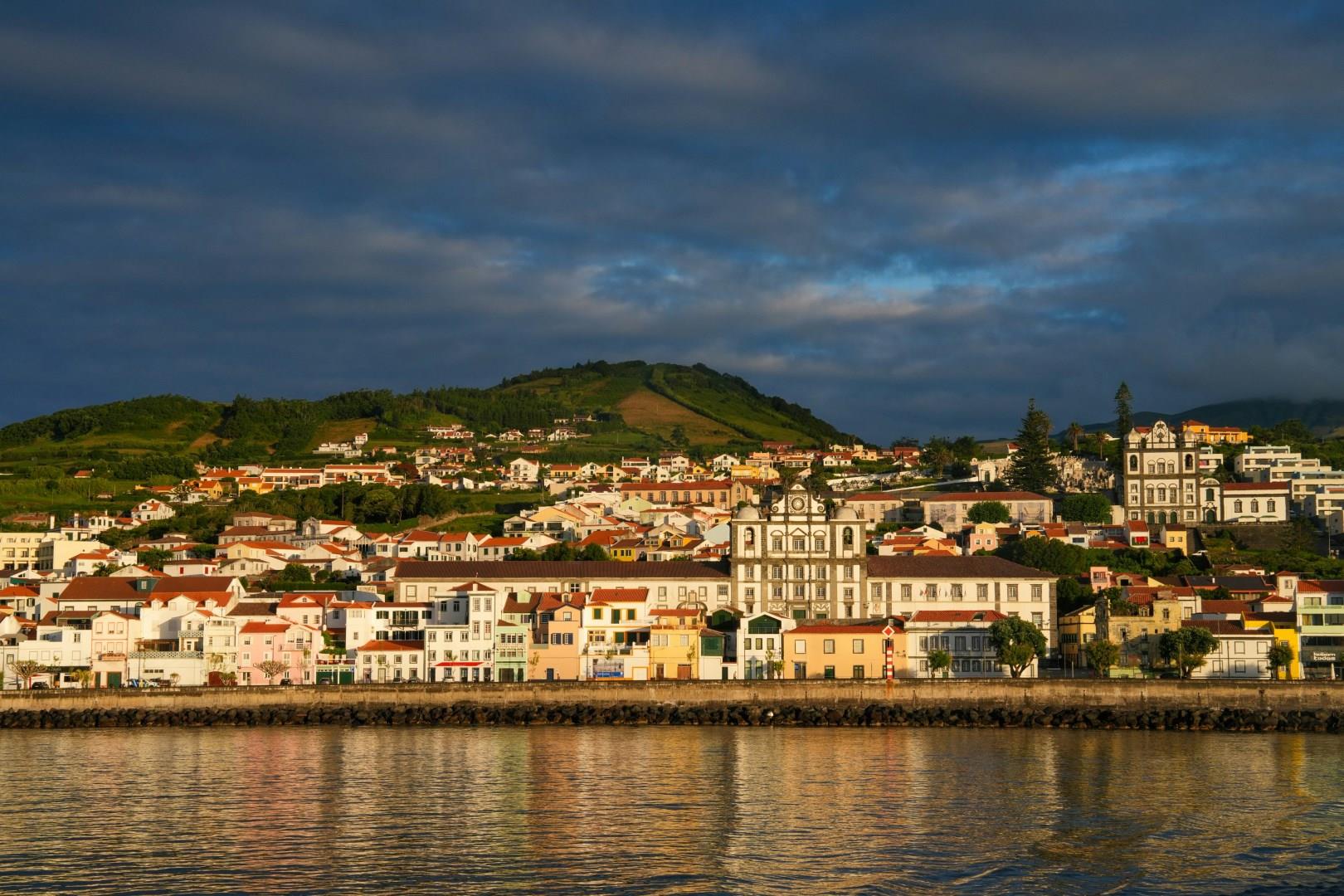
Horta Faial Island
Horta sits on the southeastern coast of Faial Island in the Azores, long defined by its position in the mid-Atlantic. For centuries it served as a critical stop for whaling ships, transatlantic sailors, and later yachts crossing between Europe and the Americas.
