
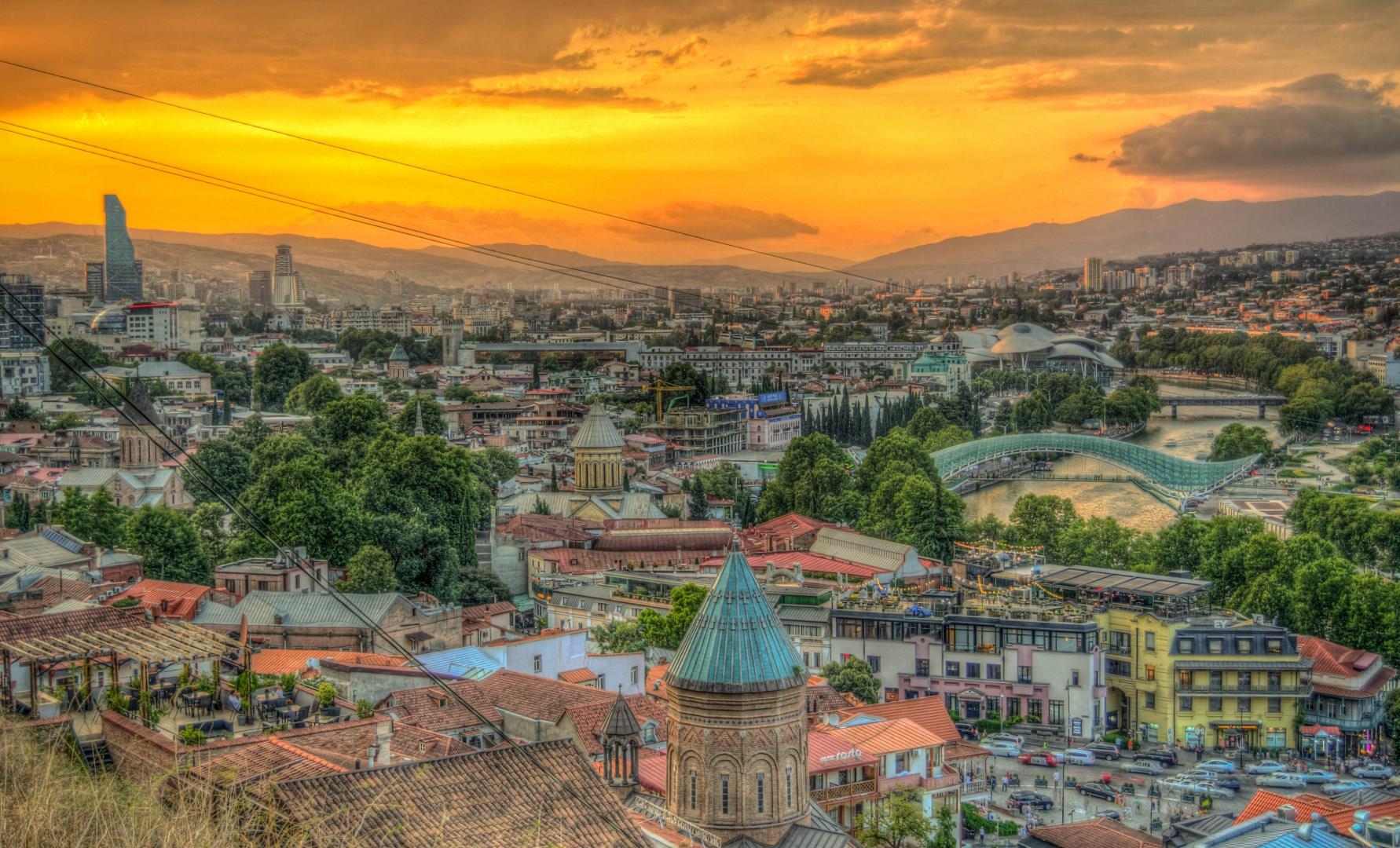
Tbilisi
Tbilisi, the capital of Georgia, is a city where tradition and modern life blend seamlessly. Set along the banks of the Kura River and surrounded by hills, its layout reflects centuries of change and cultural exchange. The Old Town, with its cobbled lanes and wooden balconies, is a living museum of architecture, showcasing influences from Persian, Ottoman, and Russian eras. Above it all, the Narikala Fortress stands watch, offering sweeping views of the city below.
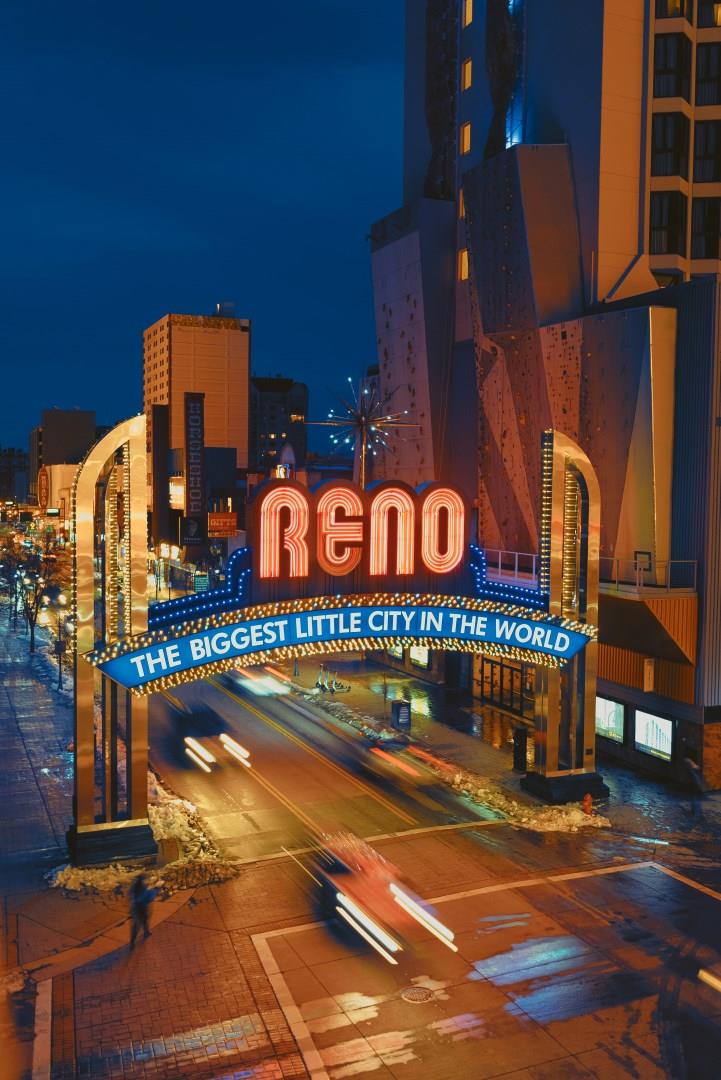
Reno
Reno, Nevada is known as “The Biggest Little City in the World” and has evolved well beyond its casino roots. Today, it’s a city where vintage neon signs share the skyline with vibrant murals and historic train depots sit beside riverside coffee shops. The Truckee River runs through downtown, anchoring the city with a scenic Riverwalk lined with public art, restaurants, and the sounds of rushing water.

Çanakkale
The city of Canakkale lies at the narrow, 1,200 meter entrance to the Canakkale Strait that connects the Sea of Marmara and the Aegean. To honor the 500,000 soldiers who lost their lives at Gelibolu (Gallipoli), the peninsula was made into Gelibou Historical National Park.

Telč
Telč, a charming town in the South Bohemian Region of the Czech Republic, enchants visitors with its well-preserved Renaissance architecture and picturesque surroundings. The town's central attraction is its beautifully preserved Historic Centre, a UNESCO World Heritage Site, renowned for its colorful facades and quaint medieval charm.

Petra
Tucked between Jordan's sandstone cliffs in the southwestern desert, Petra was carved directly into rose-colored rock more than 2,000 years ago. Visitors approaching through the narrow gorge known as the Siq are rewarded with their first glimpse of Al-Khazneh, the Treasury, a towering facade that seems to appear from another world.
