

Costa Rica
Costa Rica is a country that has built its identity around both natural preservation and cultural vibrancy. Known for its stable democracy and emphasis on sustainability, it has become a global leader in eco-tourism.
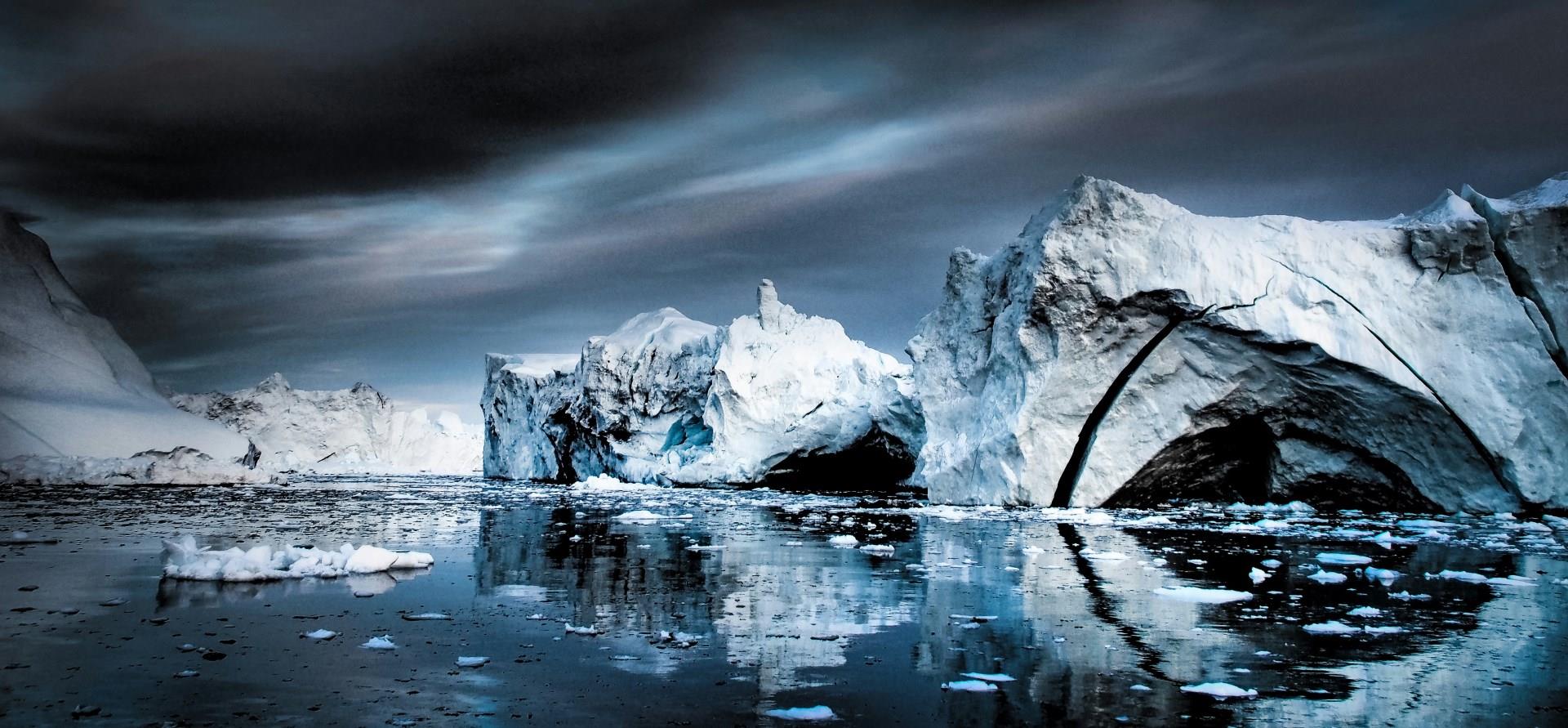
Ilulissat
On Greenland’s west coast, Ilulissat (once known as Jakobshavn) welcomes travelers with astonishing ice scenery and a sense of scale that feels almost otherworldly. The town sits beside Disko Bay, where immense icebergs drift silently past, glowing pink and gold in the Arctic light. The name “Ilulissat” means “icebergs,” and it could not be more fitting. Here, every turn toward the sea offers a fresh view of towering ice forms, each one sculpted by nature into something fleeting and beautiful.

Guatemala
Guatemala is a country where ancient history and living tradition meet in unexpected ways. The ruins of Tikal, once a major center of the Maya civilization, rise from the dense Petén jungle. Visitors can climb stone temples that pierce the forest canopy and listen for howler monkeys echoing through the trees. Tikal National Park, a UNESCO World Heritage Site, contains over 3,000 structures and still holds secrets under layers of earth and vegetation.

Kangerlussuaq
Kangerlussuaq, Greenland, is a gateway to the stunning Arctic wilderness and an essential stop for any intrepid traveler seeking adventure in the icy realms of the north. This remote town, located on the western coast of Greenland, is renowned for its dramatic landscapes, including the vast Søndre Strømfjord, one of the longest fjords in the world.

Las Palmas
Las Palmas (officially Las Palmas de Gran Canaria) is the capital of Gran Canaria island as well as co-capital (along with Santa Cruz de Tenerife) of the Canary Islands. It is a major cruise-ship port known for duty-free shopping and sandy beaches, including Playa de Las Canteras, considered by many to be one of the best urban beaches worldwide.
