

Uluru
Located in Australia's Northern Territory, Uluru is an iconic sandstone formation and UNESCO World Heritage site. This red rock monolith, believed to be over 500 million years old, has been considered sacred by Australia's indigenous peoples for thousands of years and is one of the country's most well-known natural landmarks. This spiritual destination will astound you at sunrise and sunset, when the warm sunlight turns Uluru to deep hues of red and orange.
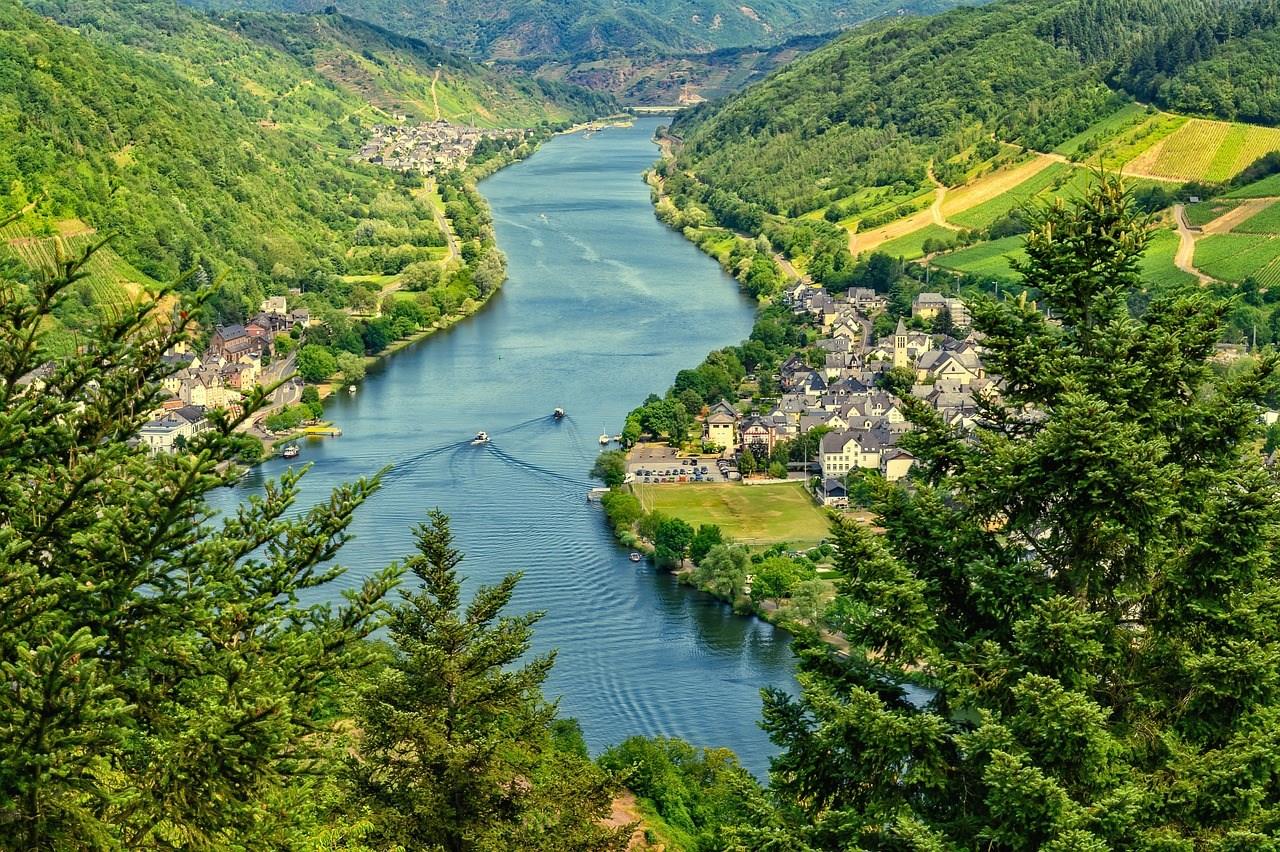
Moselle River
A tributary of the Rhine, the Moselle River flows through France, Luxembourg and Germany. The Moselle also lends its name to a region of France, a valley which it bisects, and a wine produced along its banks.

Bolzano
Bolzano, nestled in the Italian Alps, offers a unique blend of Italian charm and Austrian influence. This picturesque city is a gateway to the Dolomites, a UNESCO World Heritage site known for its dramatic mountain peaks and scenic beauty. Visitors can explore the stunning medieval architecture of the Bolzano Cathedral, with its intricate Gothic details and colorful tiled roof.
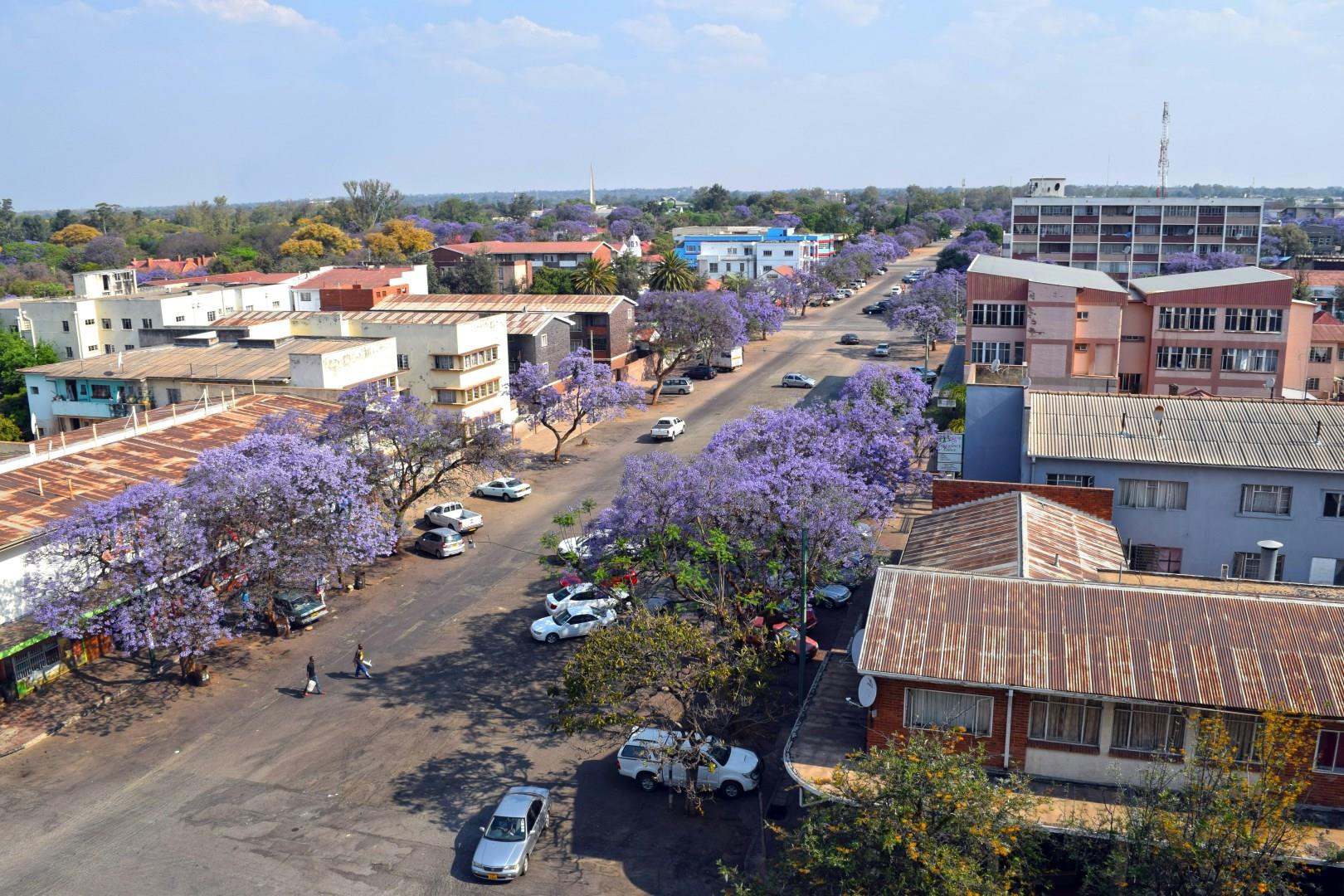
Bulawayo
Bulawayo is Zimbabwe’s second-largest city and a place where industrial heritage and deep cultural roots intersect. Founded near the former capital of the Ndebele kingdom, the city carries strong historical significance tied to King Lobengula and the resistance to colonial expansion.

Warnemunde
Warnemunde (or Warnemünde) is a port city in Germany and a frequent stop on many Northern European cruises. Across the Baltic Sea from Denmark's capital, Copenhagen, this charming seaside city has a number of delightful attractions, including the Warnemünde Lighthouse, a variety of local shops along the marina, and surfing lessons on the beach.
