

Vaduz
Nestled between Switzerland and Austria, Vaduz, the capital of Liechtenstein, is a charming alpine destination with a blend of modern culture and medieval history. Overlooked by the stunning Vaduz Castle, the official residence of the reigning prince, this small yet vibrant city offers breathtaking views of the Rhine Valley and surrounding mountains
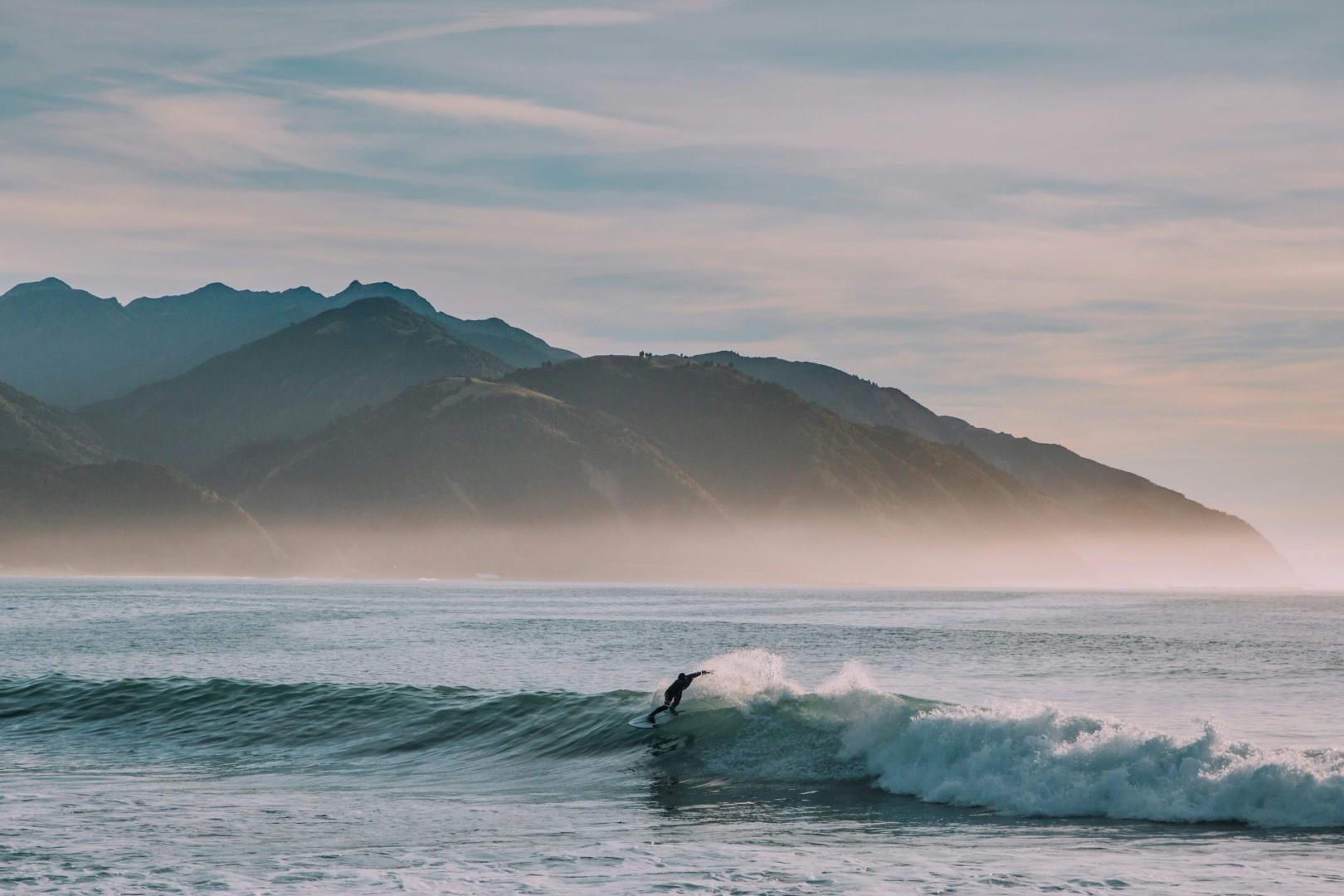
Kaikoura
What sets Kaikōura apart are the extraordinary marine encounters that begin just off the shoreline. The Kaikōura Canyon, an underwater gorge that plunges to great depths close to land, creates currents rich with nutrients that attract a remarkable array of sea life year-round. Sperm whales are a common sight here and are frequently spotted on local boat tours. Dusky dolphins twist and leap in large pods, and colonies of New Zealand fur seals laze on rocky outcrops along the coast.

Iles des Saintes
Framed by an array of tropical flowers, "miniature" houses painted in a pastel palette will enchant you. But, a splash of watercolors is all you'll see as you zip by on a moped. It won't be long before you find the perfect spot for a beach picnic and afternoon of snorkeling.
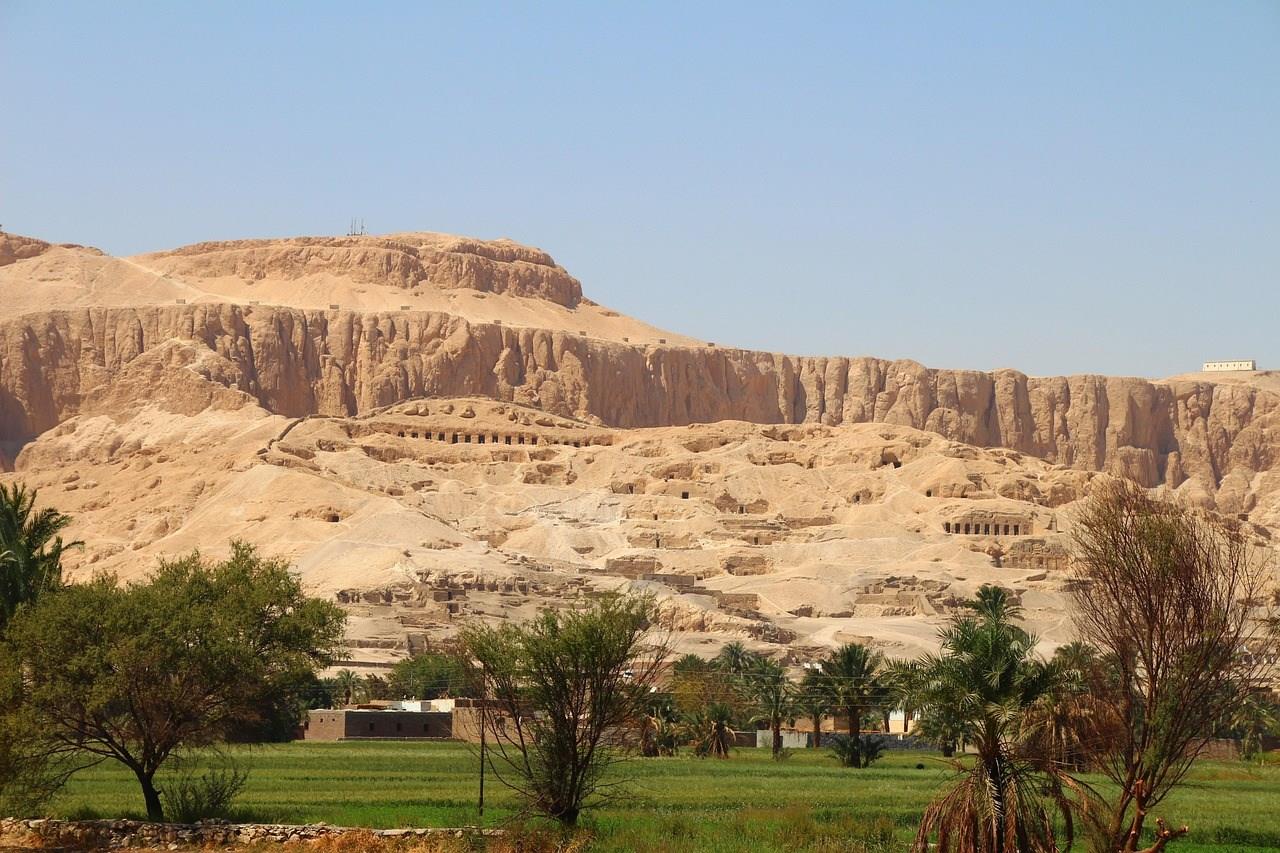
Valley of the Kings and Queens
The Valley of the Kings and the Valley of the Queens, located on the west bank of the Nile near Luxor, Egypt, are two of the world’s most significant archaeological sites. For over 500 years during the New Kingdom (16th–11th centuries BCE), these valleys served as the burial grounds for pharaohs, queens, and high-ranking nobles.

Havana
Havana, Cuba's vibrant capital, is a city where the past and present coalesce to create an unforgettable travel experience. Walking through Old Havana (La Habana Vieja), a UNESCO World Heritage site, feels like stepping back in time. The cobblestone streets are lined with pastel-colored colonial buildings, baroque churches, and iconic plazas, such as Plaza de la Catedral and Plaza Vieja, each with its own unique charm and history.
