

Clarksville
Clarksville, located along the Cumberland River in northwestern Tennessee, is a historic city that blends military heritage, cultural attractions, and scenic natural surroundings. Established in the late 18th century, Clarksville grew as a river trading hub and later became closely linked to Fort Campbell, a major U.S. Army base, which has shaped much of the city’s identity and economy.
Suchitoto
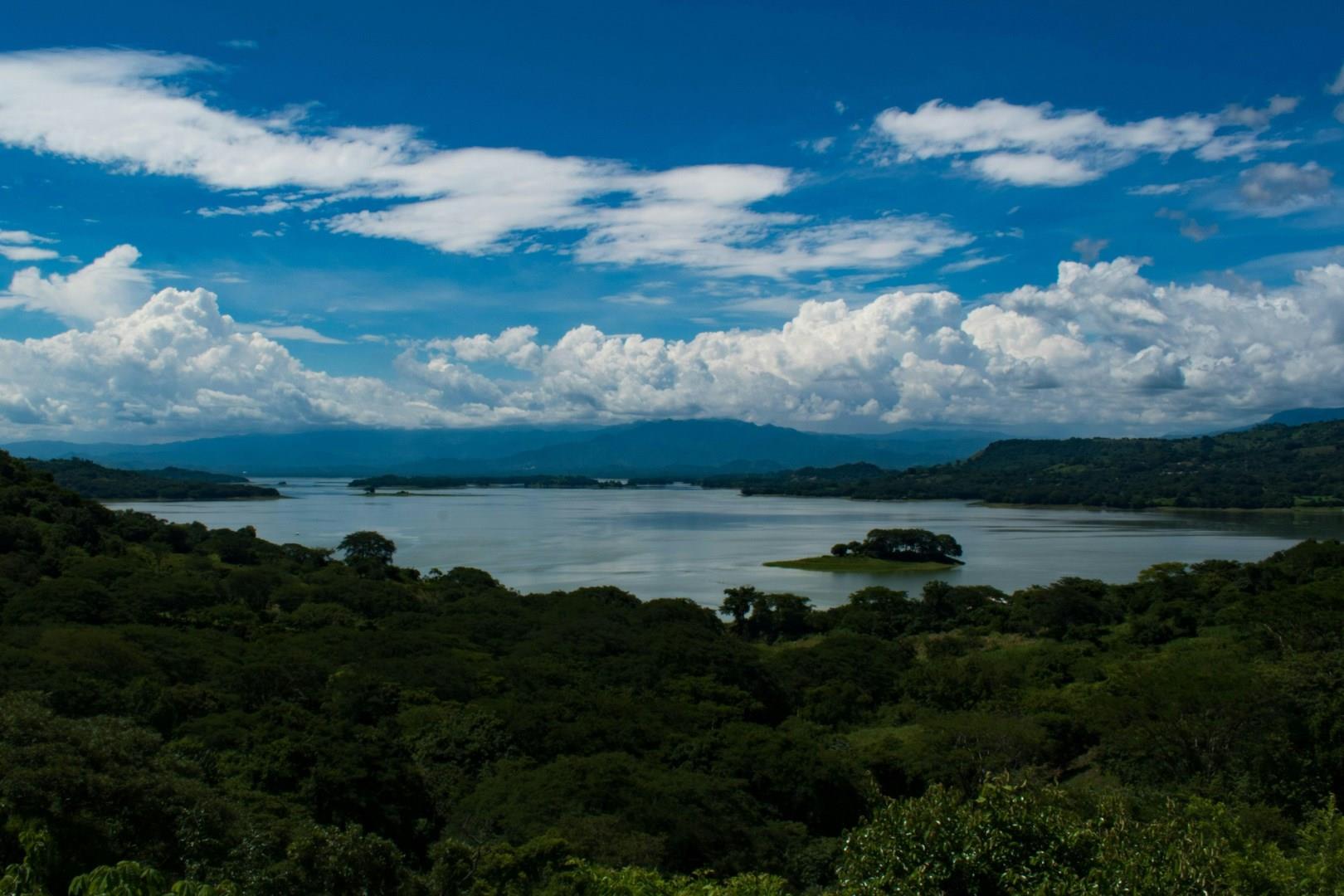
Suchitoto, located in the Cuscatlán department of El Salvador, is a hilltop town known for its cobblestone streets and scenic views of Lake Suchitlán. Once an important center for indigo production, the town still celebrates its dye-making history through artisan workshops where visitors can learn to create textiles using natural indigo. The name “Suchitoto” comes from the Nahuatl language and means “place of flowers and birds,” a nod to the area’s diverse birdlife and surrounding vegetation.
Mbombela
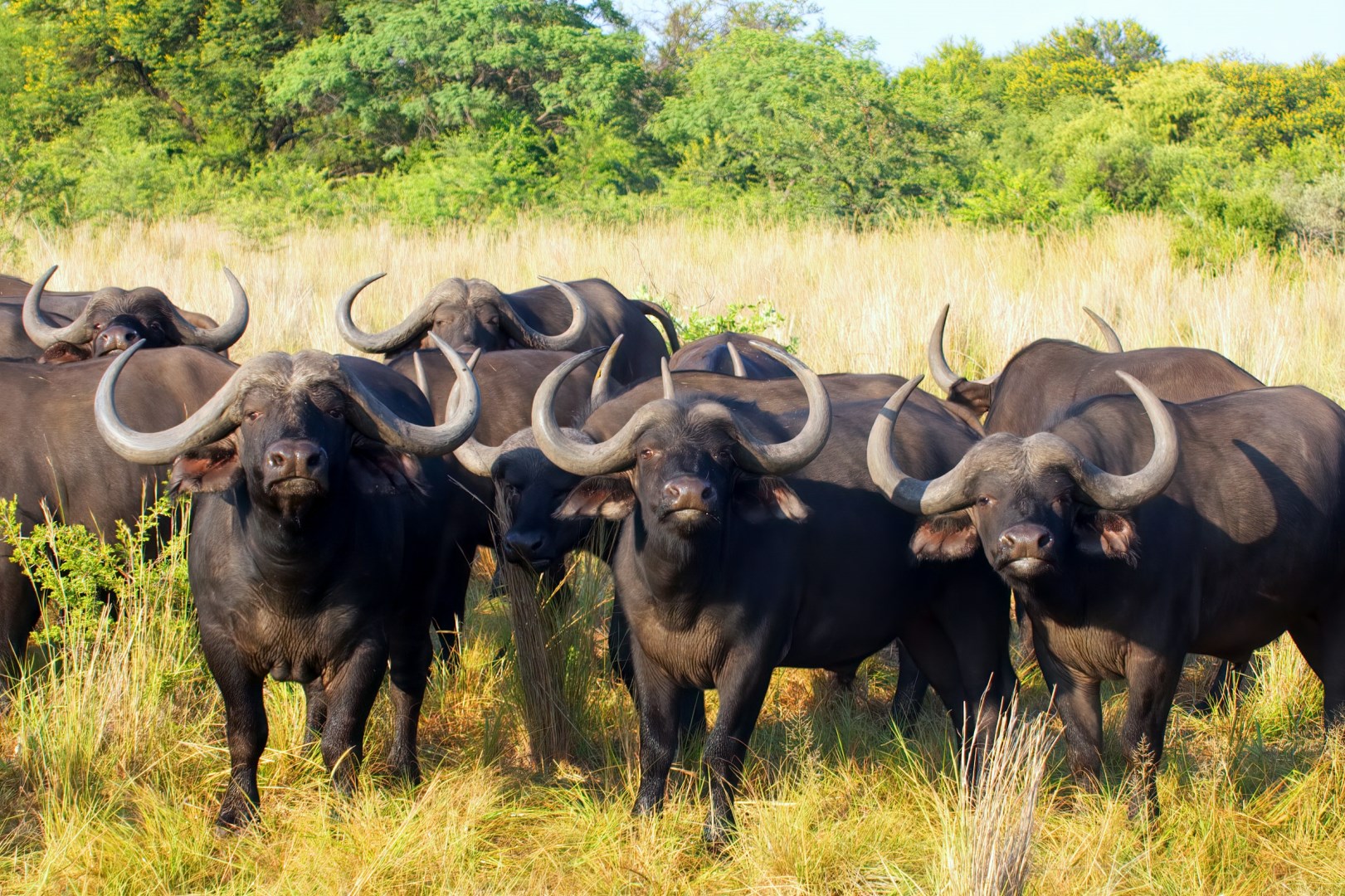
Mbombela is the capital of Mpumalanga province, situated in the Lowveld near the southern edge of the Kruger National Park region. The city is surrounded by wooded hills, subtropical vegetation, and agricultural land, with citrus farming particularly important to the local economy. It serves as a regional centre for government, business, education, and access to nearby wildlife and nature attractions.
Cameroon
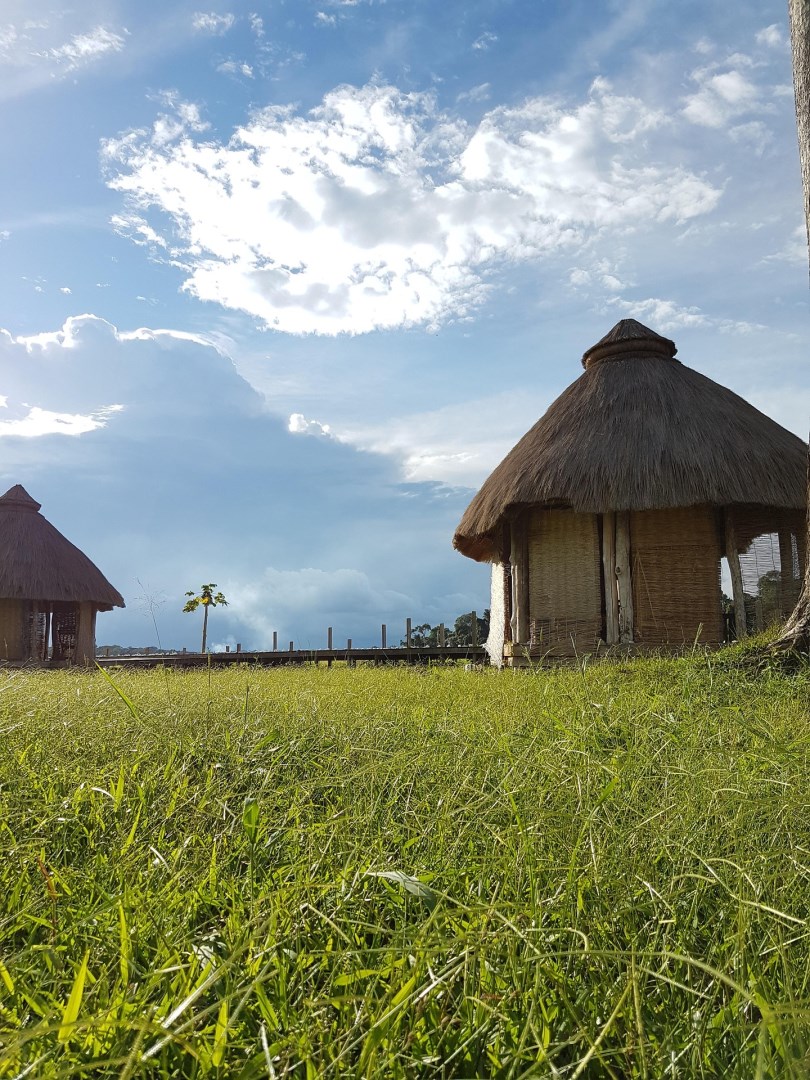
Cameroon is often called “Africa in miniature” for good reason. Within its borders, travelers can explore coastal beaches, dense rainforests, vast savannas, active volcanoes, and snow-capped peaks, all without crossing a border. The country’s most iconic landmark, Mount Cameroon, is the highest mountain in West Africa and an active volcano that draws hikers from around the world.
O'ahu Island
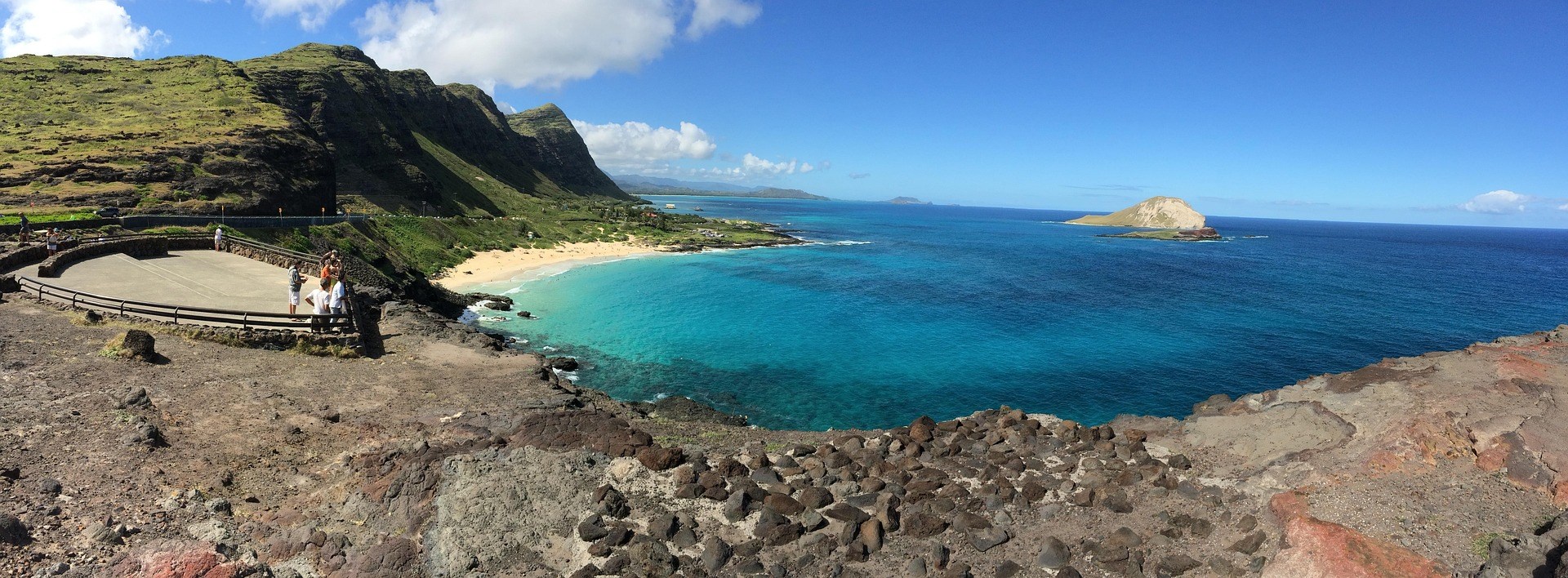
The most heavily populated of the Hawaiian islands, Oahu is known as the Gathering Place. Two parallel mountain ranges, the Koolau Range and the Waianae Range, cross Oahu from northwest to southeast. . Among the many popular beaches is the renowned Waikiki, backed by the famous Diamond Head, an extinct volcano.
